Science news
Recent stories from university newsrooms, The Conversation, CORDIS, observatories and ScienceDaily, each sorted into the fields, countries and institutions it is about, and each linked to the original publisher. Narrow them below by subject, country, institution, source, words or period. A signed-in reader can follow any filtered view and be told when a new story matches it.
3,002 stories match these filters.
-
Forbes Features Retagged Whale Shark World Record For Longest Ever Shark Track (opens the original)
Forbes recently covered collaborative research among the Guy Harvey Foundation, the Guy Harvey Research Institute at Nova Southeastern University (NSU), Mexican conservation organization Ch’ooj Ajauil AC, and the University of Rhode Island. As part of a larger research program on the endangered…
-
Who do you trust in an emergency? We asked people in places hit by extreme weather
The problem wasn’t the volume of emergency information – it was who it came from, and how it was delivered.
-
The Low-Noise Underground Laboratory (LSBB): a centre of excellence at the forefront of current events (opens the original)
The Low-Noise Underground Laboratory (LSBB), a centre of excellence in interdisciplinary research affiliated with the University of Avignon (under the supervision of the CNRS and other partners), is in the news. Located in the heart of […] L’article Le Laboratoire Souterrain à Bas Bruit (LSBB) : une infrastructure…
-
Nepal isn’t the only disaster-struck country waiting for money from the global climate Loss and Damage Fund
At least 119 countries have asked for aid from the fund set by major greenhouse gas emitting nations four years before the deadly Nepal flood. It has paid zero claims.
-
New form of plastic pollution discovered on the shores of vulnerable coral reefs (opens the original)
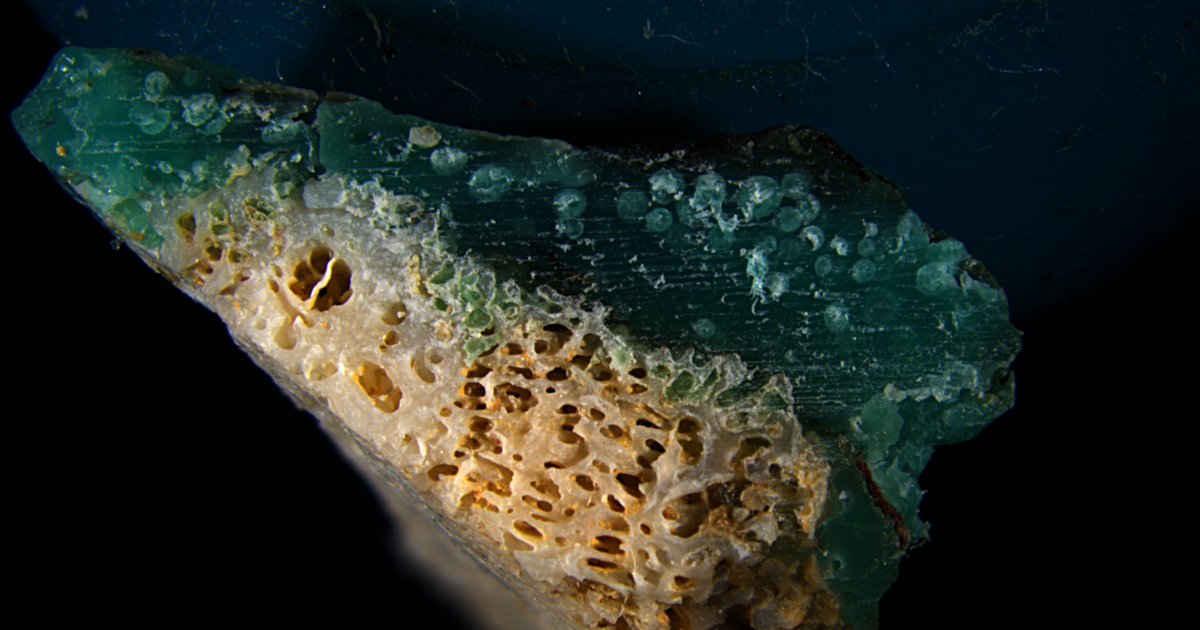
‘Plasticorals’, coral rubble fused with plastic, are long-lasting reminders of human activity and highlight a potential threat to critical marine environments.
-
"We're just scratching the surface": OTN leader named to Canada's Top 40 under 40 (opens the original)
OTN Scientific Director Rob Lennox discusses the growing impact of ocean tracking and why scientists are only beginning to unlock the potential of the data they collect.
-
A galaxy spinning out of sync (opens the original)
Image: Though the spiral galaxy in this new image by the NASA/ESA Hubble Space Telescope seems serene, it hides a chaotic secret. This galaxy is NGC 4698, and it lies about 55 million light-years away in the constellation Virgo. It’s one of over one thousand galaxies in the Virgo Cluster, the nearest large cluster of…
-
It’s getting easier to live off-grid – but it comes with certain costs
People who have extra funds, suitable homes and a desire to be self-sufficient may consider disconnecting from the grid.
-
Making a claim at the Fair Work Commission? These are the new AI rules you need to follow
Trusting AI too blindly could end up costing you money – and see your legal case dismissed.
-
From Simulation to AI and Data Mining: Newly Aligned Hemming Institute Unites Hands-on Training with Research and Scholarship (opens the original)
Val G. Hemming Institute for Scholarship in Health Professions Education and Simulation kicks off a new era School of Medicine Dean Emeritus Dr. Val G. Hemming did the honors at the September 16 ribbon-cutting ceremony for the new Val G. Hemming Institute for Scholarship in Health Professions Education and Simulation…
-
Imagine newsletter: penguins, satellites and pink poo
New satellite methods can track penguin colonies in winter – and can judge their health based on the colour of their guano.
-
Driving through water is the biggest cause of death during floods – here’s how it can happen
While deep water immobilises a vehicle, flowing water can take a car downstream.
-
Exploring the ocean depths: FIU scientists descend to world’s deepest hydrothermal vents (opens the original)
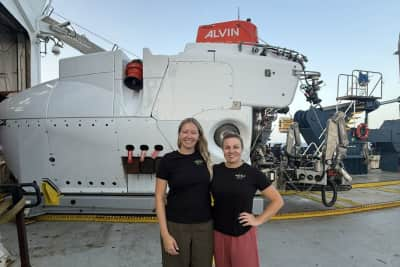
An FIU research team recently returned from a month-long expedition in the Caribbean where they explored how shrimp find their way to this extreme environment without sight.
-
BRGM mag no.3: Coping with droughts (opens the original)
Issue 3 of BRGM mag, published in September 2026, devotes its main feature to a particularly pressing issue this year: drought and, more broadly, water resource management.
-
B.C.’s militarized wolf cull is a misguided approach to a complex issue
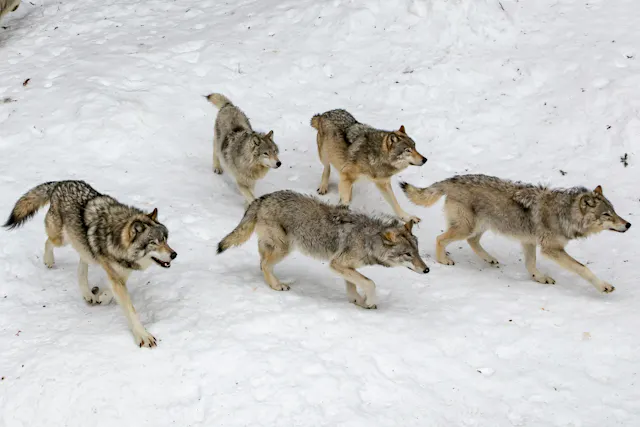
Wolves are a vital part of Canada’s rich biodiversity and are a culturally important species. Killing them to protect caribou repackages the colonial fear of the “big bad wolf.”
Picture: (Eva Blue/Unsplash)
-
A New Close-Up View of Electrons Inside Semiconductors (opens the original)
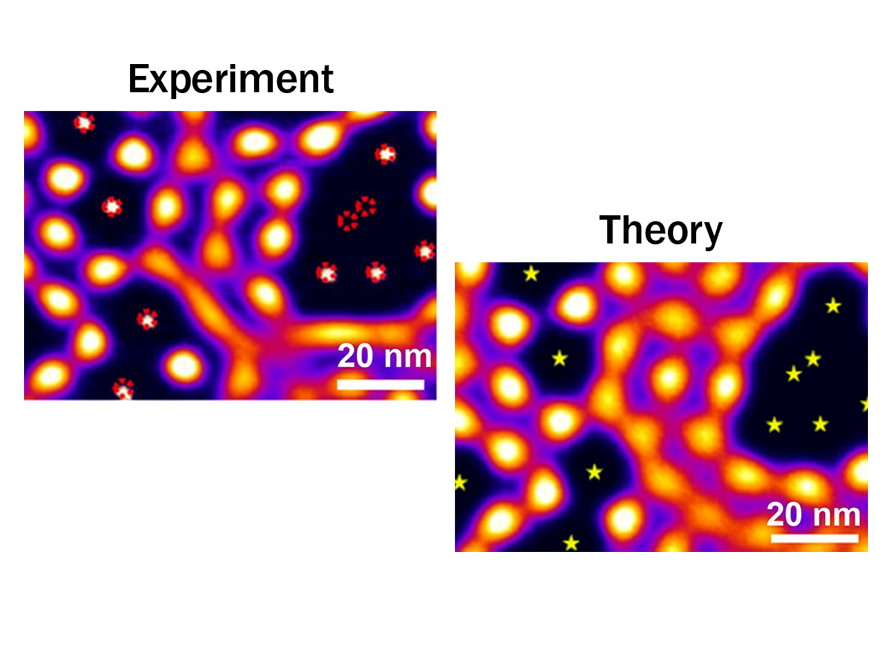
Research team uses innovative new methodology to see and explain how electrons change from a solid to liquid state in the presence of defects.
-
Keele joins with Malaysian partners to establish new AI research centre (opens the original)
Keele has partnered with a leading Malaysian university to establish a new joint research centre for data analytics and AI research.
-
Impedance Spectroscopy at the Intersection of Energy Systems, Biomedicine, and Smart Sensing (opens the original)
The 19th International Workshop on Impedance Spectroscopy (IWIS) will take place from 22 to 25 September 2026 at Chemnitz University of Technology. The event will bring together international researchers and students to discuss current measurement techniques, analytical methods, and applications of impedance…
-
RESEARCH: New doping method could boost the performance of organic semiconductors (opens the original)
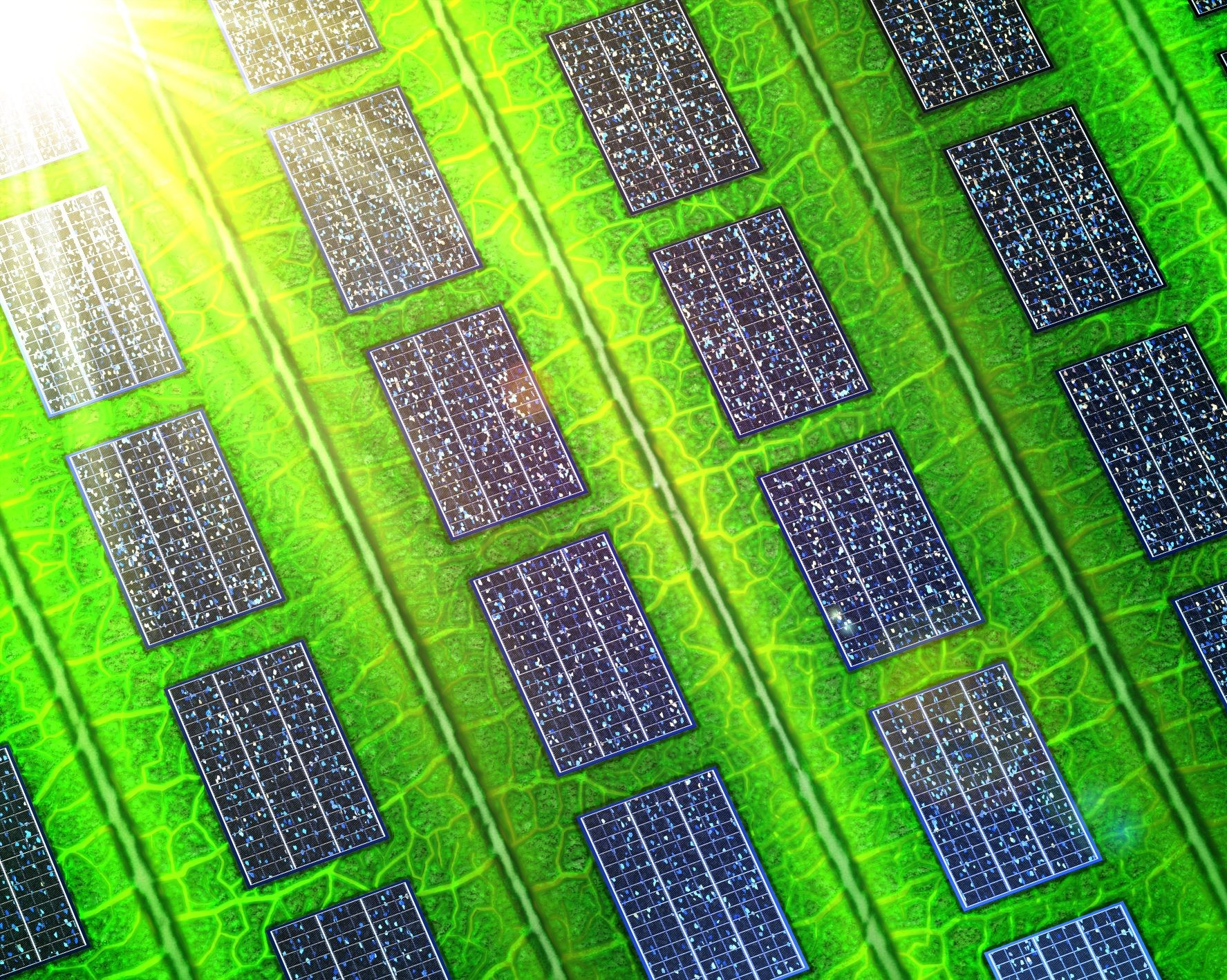
Researchers say the approach could help create more efficient materials for flexible electronics, optoelectronic devices and thermoelectric technologies
-
Mystery of one of the earliest recorded space weather impacts solved (opens the original)
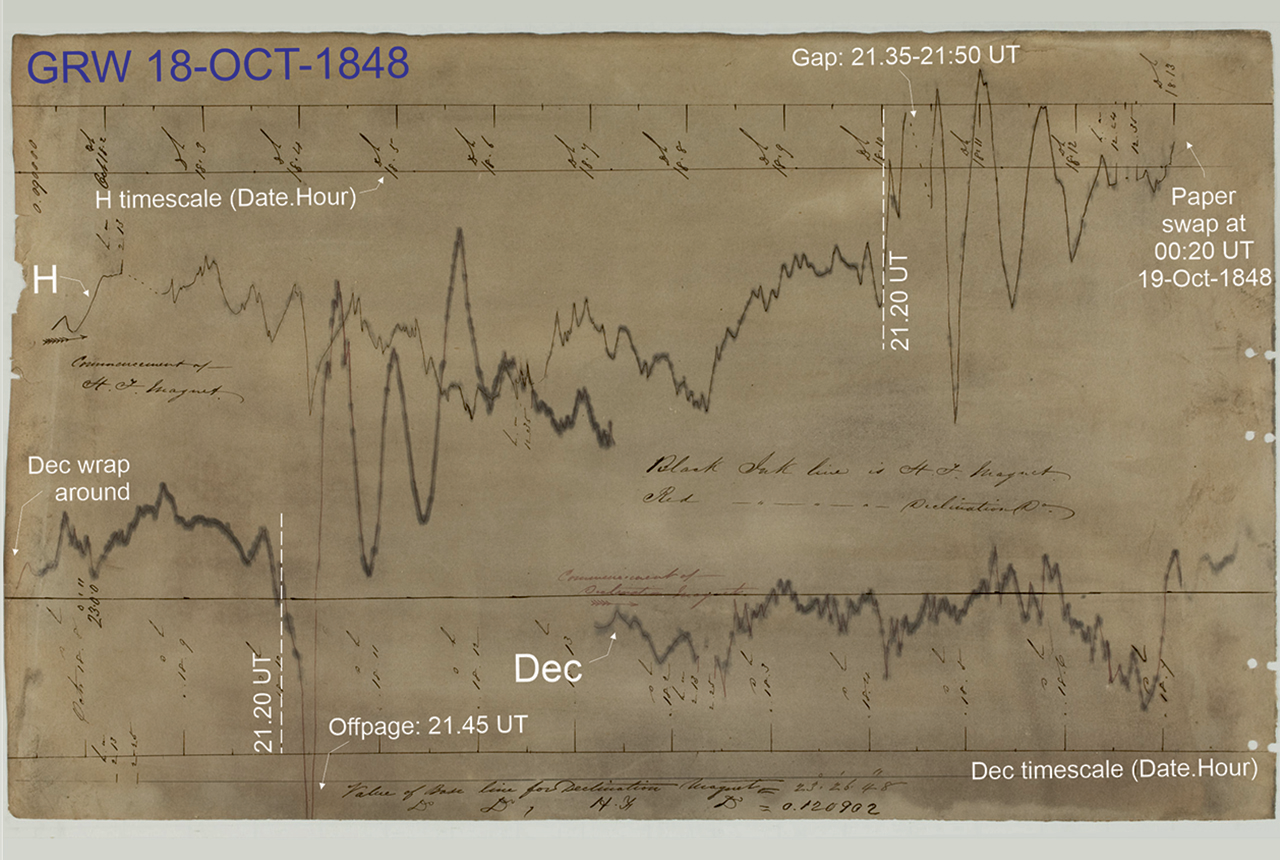
BGS scientists were part of an international team that has solved a 178-year-old mystery surrounding one of the earliest recorded examples of space weather affecting technology.







Read: The Conversation, CORDIS, ESO, NASA, ScienceDaily and the newsroom feeds of 734 institutions. Last read: today. Each story's date is its publisher's. Where the news comes from, and what each source allows.