Science news
Recent stories from university newsrooms, The Conversation, CORDIS, observatories and ScienceDaily, each sorted into the fields, countries and institutions it is about, and each linked to the original publisher. Narrow them below by subject, country, institution, source, words or period. A signed-in reader can follow any filtered view and be told when a new story matches it.
2,974 stories match these filters.
-
Organic Solar Cells Move Towards Scalable Manufacturing (opens the original)
solar cells achieved power conversion efficiencies of 7.3 % – a record for fully roll-to-roll-compatible organic solar cells with a gravure-printed photoactive layer
-
Andrew Melchior appointed Honorary Professor in Computer Science (opens the original)
Creative technologist, CTO for Massive Attack and Genotone founder will strengthen interdisciplinary research and teaching on AI, creative authorship and digital provenance
-
Global Conference in Pittsburgh Puts Carnegie Mellon’s Robotics Leadership in the Spotlight (opens the original)
Carnegie Mellon University’s deep roots and latest innovations in robotics will be on display during the 2026 IEEE/RSJ International Conference on Intelligent Robots and Systems (IROS).
-
OPT invites Ozarks community to discover stories behind treasures (opens the original)
New Roots & Relics event combines antiques, appraisals, history and hands-on learning.
-
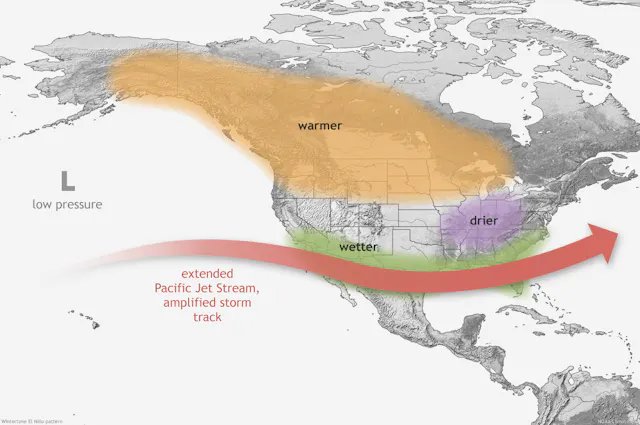
As cities prepare for 2026’s super El Niño, some crucial blind spots can’t be ignored
Aging levees and dams are only the beginning of the risks communities face. One of the biggest challenges is helping people manage the heat and storms.
Picture: NOAA
-
Why AI resembles a charismatic religious leader
AI can function as a charismatic figure without standing on a stage, establishing a church or gathering disciples, writes a scholar of religion.
-
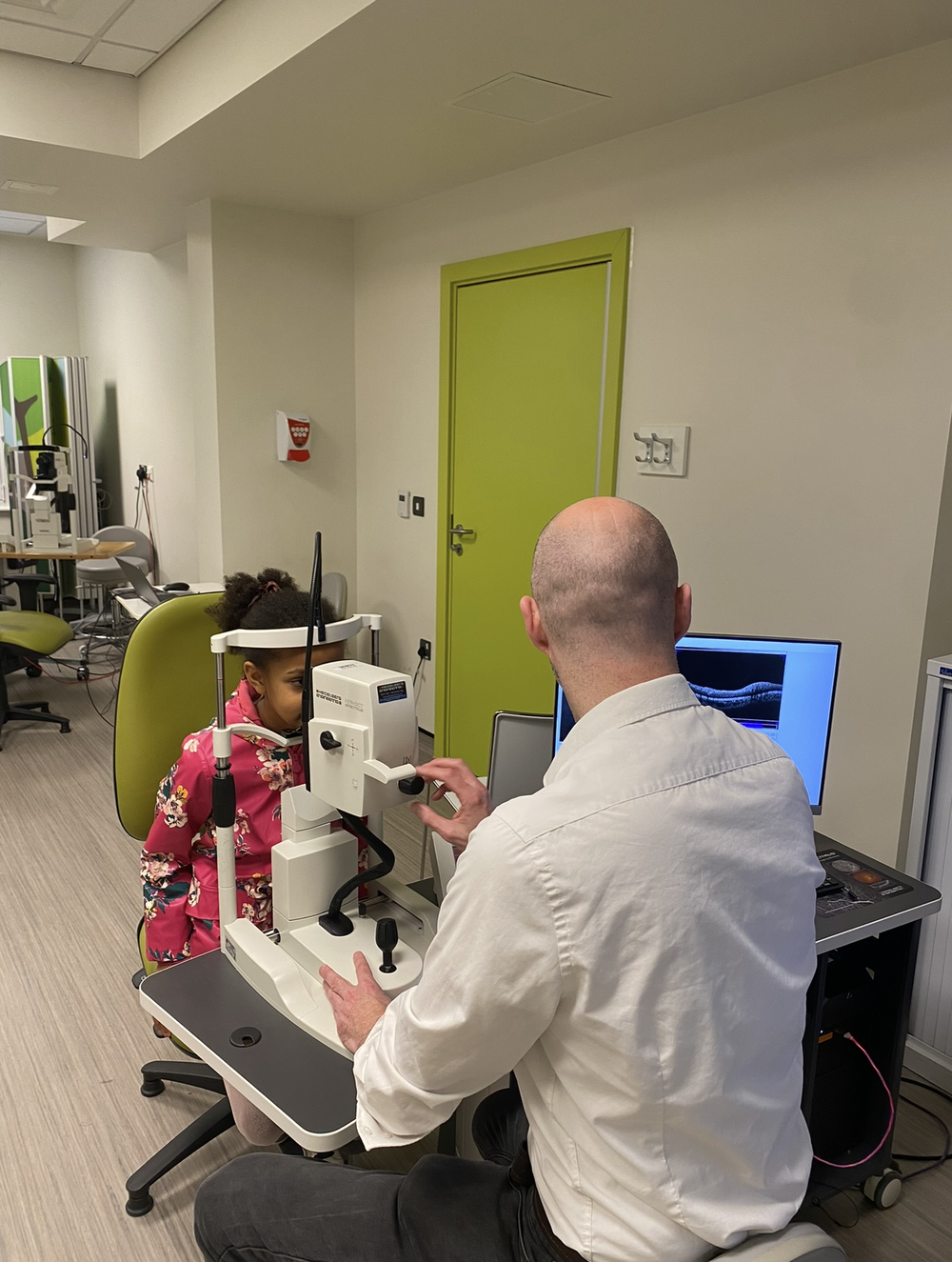
Innovative imaging project aims to save children’s sight (opens the original)
Researchers from GOSH and UCL are leading a project that could transform how children at risk of sight loss are monitored, by adapting advanced eye imaging technology for use closer to home
-
NSTU-NETI scientists have proposed an energy efficient method for drying wood (opens the original)
Novosibirsk State Technical University (NSTU) has proposed a method that reduces energy consumption for the process of removing moisture from wood and provides uniform heating to prevent cracking and warping of the material.
-
New Grant Will Advance AI-Centered Cybersecurity Education at LSU New Orleans (opens the original)
A new Louisiana Board of Regents grant will support James Wagner’s work to develop AI-centered cybersecurity education at LSU New Orleans, preparing students to better understand the growing role of artificial intelligence in cyber operations.
-
Could AI really kill all humans? Most scenarios require physical access, making AI armageddon unlikely
Are the warnings of a potential AI apocalypse credible?
Picture: USGS
-
As renewed chaos grips the oil market, one country is keeping global prices down – by reducing demand
As renewed chaos grips the oil market, China is reaping the benefits of electric vehicles. But Australia’s reliance on diesel leaves it exposed.
-
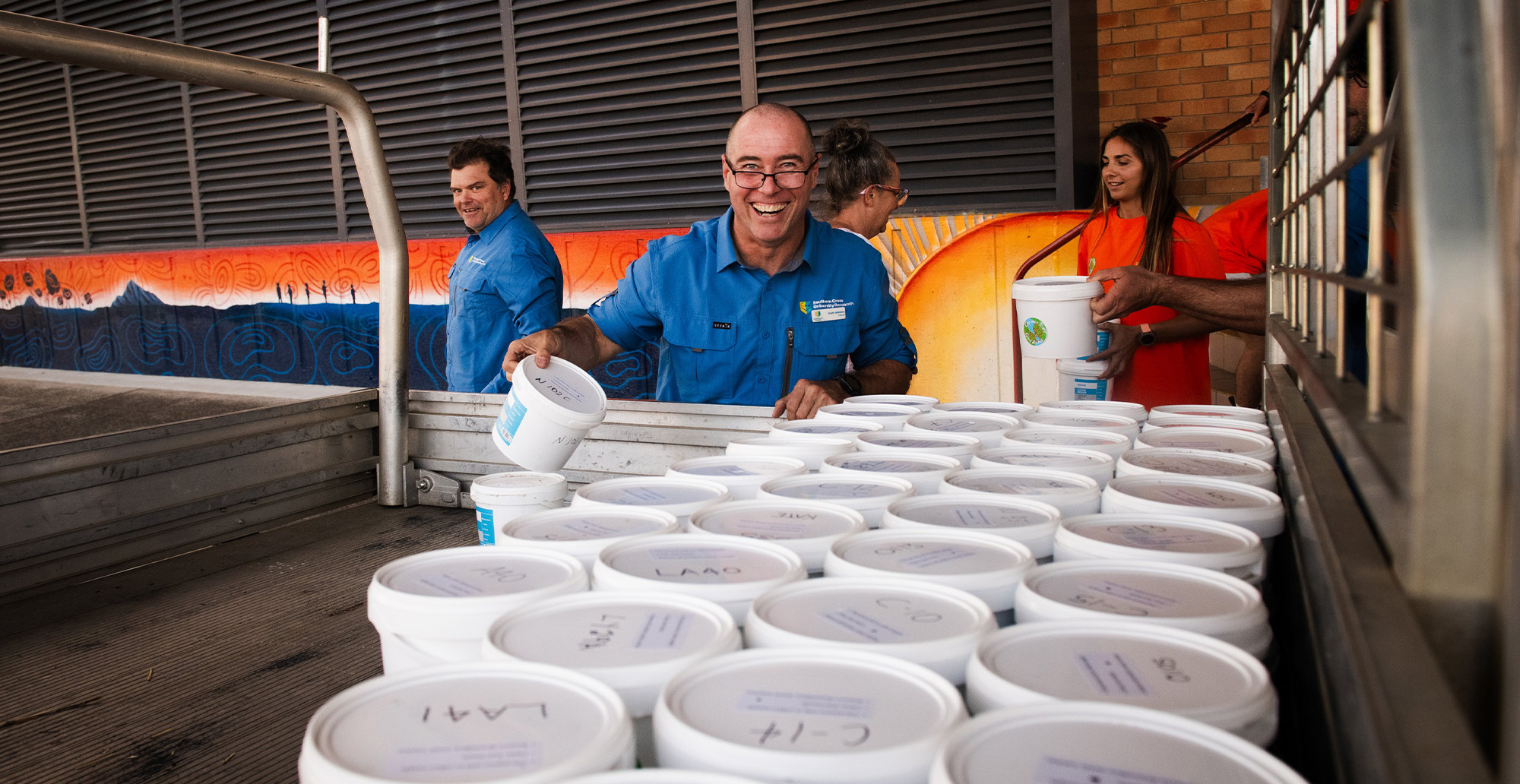
Clarence River's largest ever sediment survey delivers baseline results (opens the original)
More than 200 citizen scientists, First Nations custodians and Southern Cross University researchers have completed the Clarence River catchment's largest community-powered sediment survey. The results are now public and establish a health baseline for this significant waterway.
-
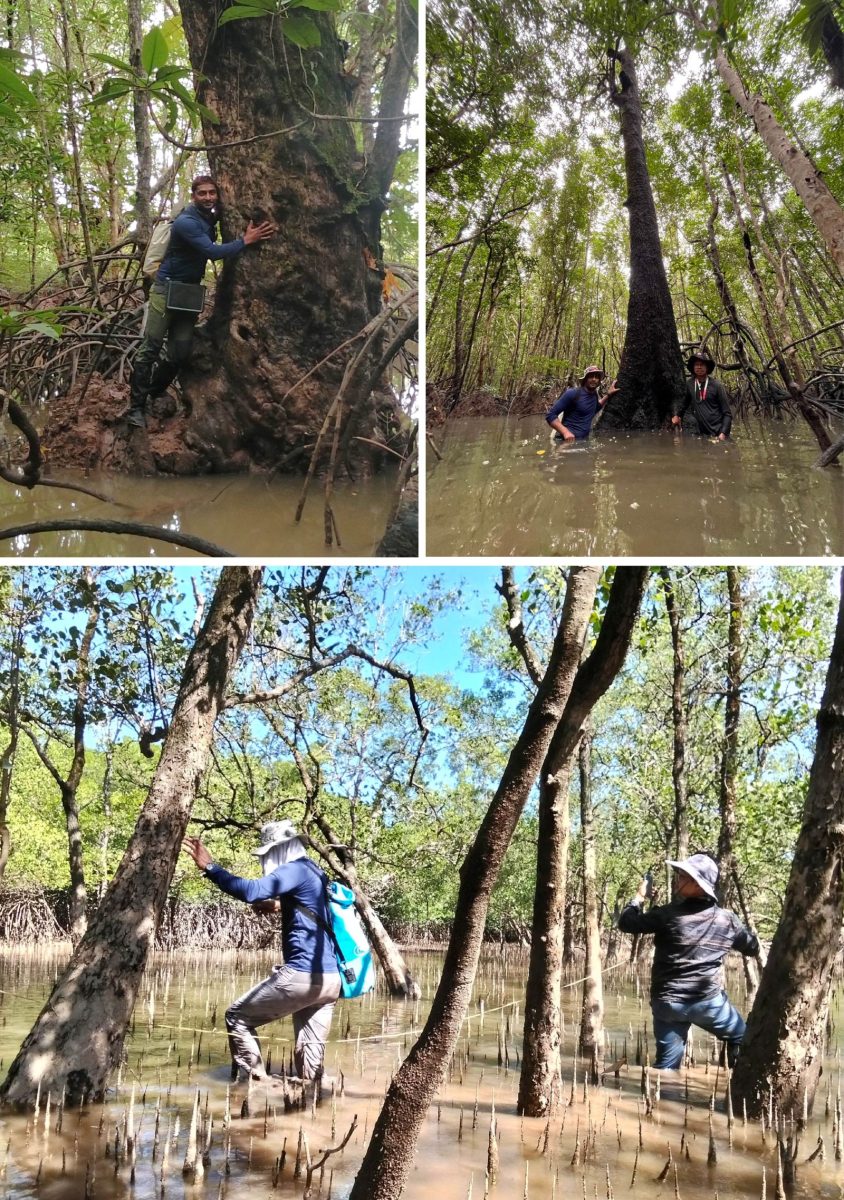
Nature Rebuilds Mangroves Beyond Protected Areas, Six-Decade Study Finds (opens the original)
A study spanning nearly six decades shows that naturally regenerated mangroves can regain levels of biodiversity similar to those of natural
-
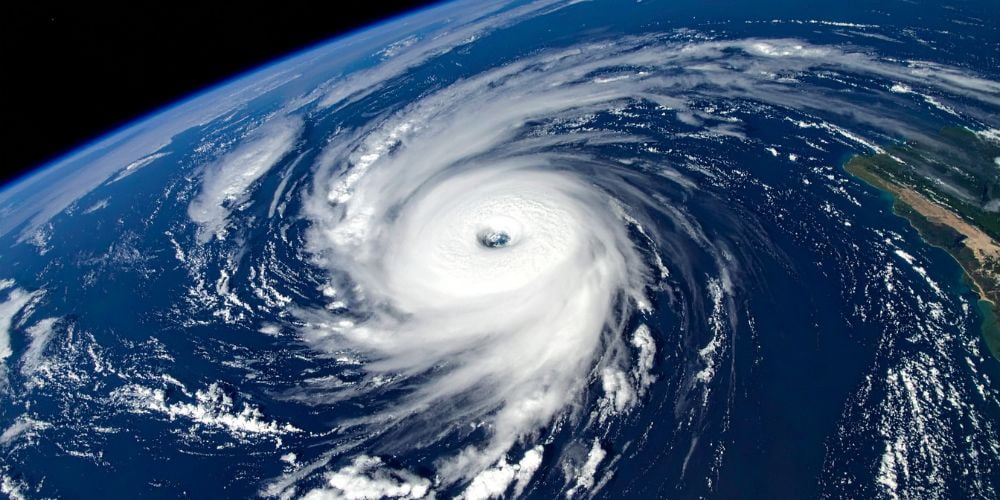
A new way to see inside a hurricane (opens the original)
UTA-developed Liutex reveals the vortices behind powerful storms and is now being used by NOAA worldwide
-
How to tackle persistent drought: Lessons from British Columbia
Playing out year over year, the chaotic cycle of drought crises has become a familiar experience for British Columbians.
-
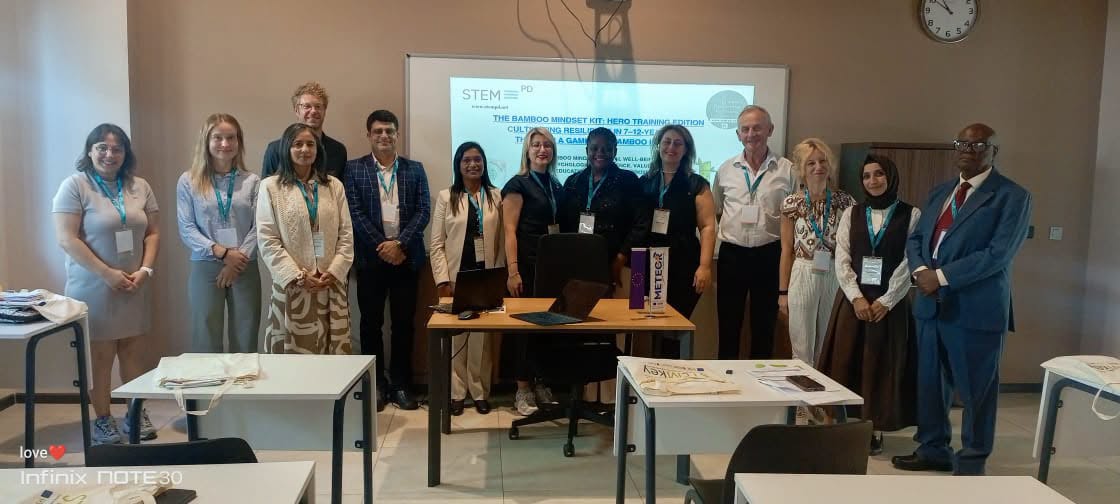
COOU’s GLOBAL VISIBILITY SOARS AS PROF. NNEKA RITA NNOROM PRESENTS INNOVATIVE STEM RESEARCH IN TURKEY (opens the original)
Prof. Nneka Rita Nnorom has strengthened the visibility of Chukwuemeka Odumegwu Ojukwu University (COOU) on the international academic stage with the presentation of a research pa
-
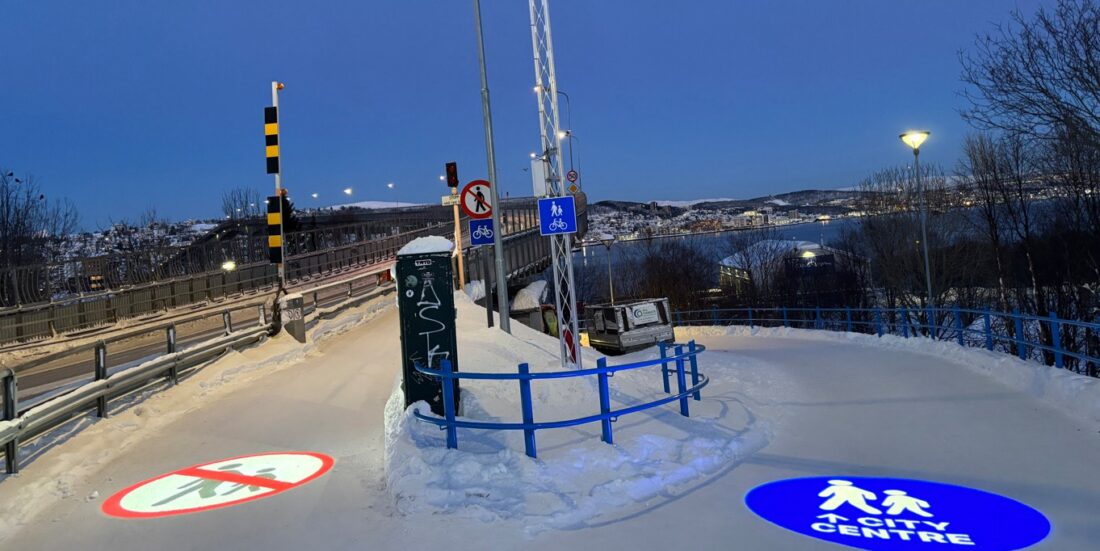
New “horizontal” LED signage proves super effective (opens the original)
Tourists moving in unfamiliar surroundings, people following maps on their mobile phones, and distracted road users in general can easily overlook regular traffic signs. But the effect of a new type of sign surprised researchers.
-
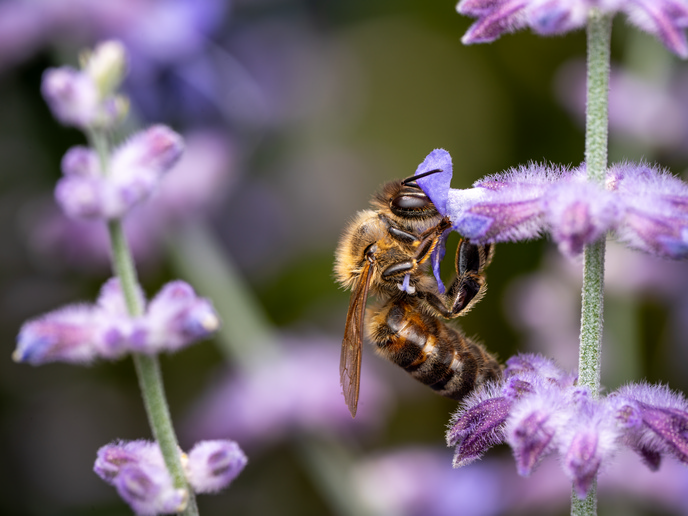
Could we survive in a world without bees?
Honeybees offer us far more than just honey. They are an essential element in modern agriculture, including the production of almonds, squash, apples, cherries, plums, cucumbers, rapeseed, avocados and more. Every year, hives containing millions of bees are shuttled from farm to farm, where the tiny workers inside…
Picture: © Sasa Lalic/stock.adobe.com
-
Retagged Whale Shark Smashes World Record For Longest Ever Shark Track (opens the original)
Milo has traveled 34,000 miles since first being tagged almost a decade ago The Guy Harvey Foundation (GHF), a not-for-profit entity dedicated to protecting marine life and introducing the next generation to the ocean through education and scientific research, in…






Read: The Conversation, CORDIS, ESO, NASA, ScienceDaily and the newsroom feeds of 735 institutions. Last read: today. Each story's date is its publisher's. Where the news comes from, and what each source allows.