Science news
Recent stories from university newsrooms, The Conversation, CORDIS, observatories and ScienceDaily, each sorted into the fields, countries and institutions it is about, and each linked to the original publisher. Narrow them below by subject, country, institution, source, words or period. A signed-in reader can follow any filtered view and be told when a new story matches it.
4,700 stories match these filters.
-
Children’s sport is great at keeping them busy – but are they learning?
We want children to become physically competent, but we also want them to become confident decision makers, good communicators and effective collaborators.
-
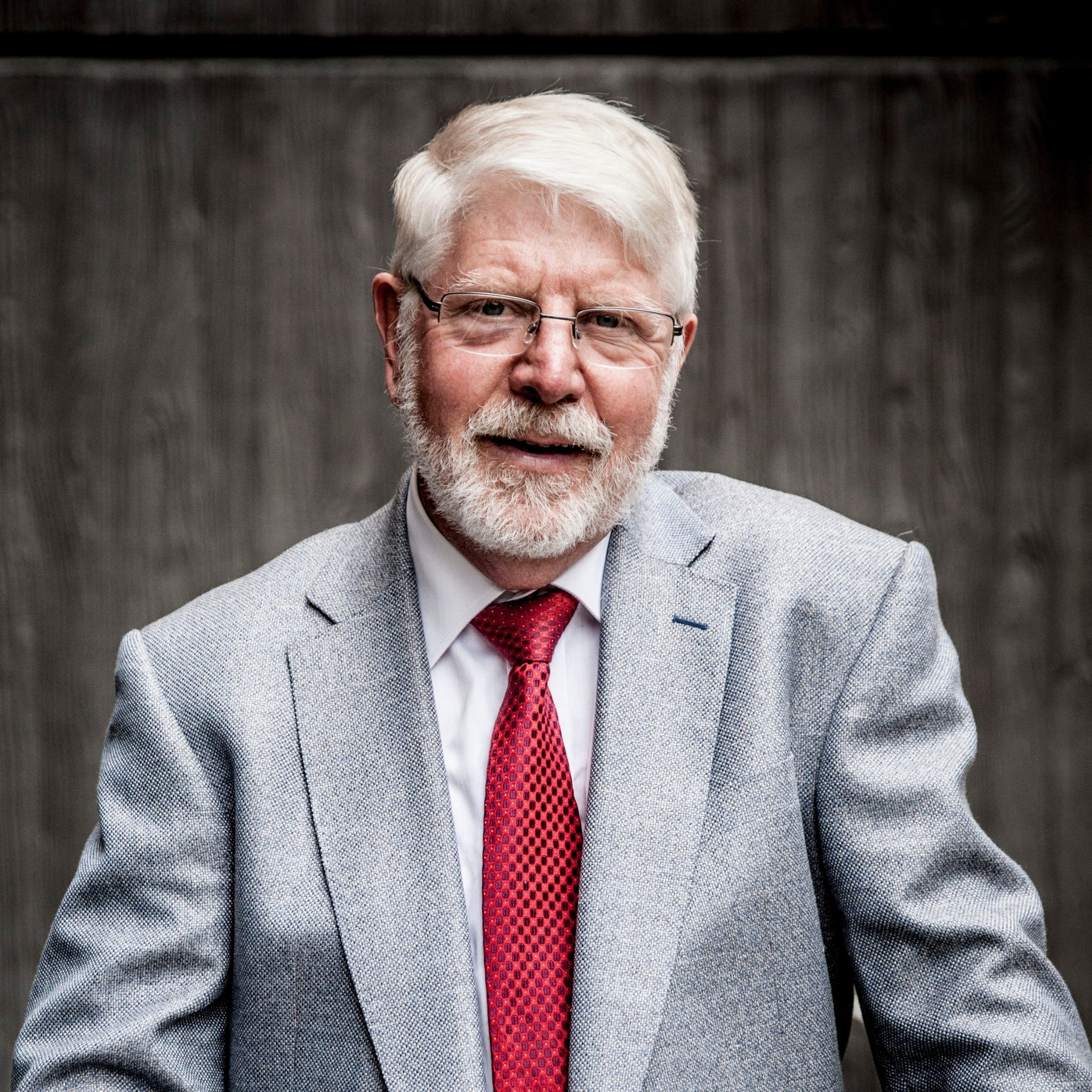
A tribute to Emeritus Professor Fred Mendelsohn AO (opens the original)
It is with deep sadness that we mourn the passing of former Florey director, Professor Fred Mendelsohn AO, at the age of 84. Professor Mendelsohn was a pioneering neuro-endocrine researcher and widely respected scientific leader, who helped to transform The Florey Institute of Neuroscience and Mental Health into the…
-
Firm data easily accessible to researchers via FIRMBACKBONE (opens the original)
Utrecht University and VU Amsterdam are working together on FIRMBACKBONE, that provides researchers with access to data on all companies in the Netherlands.
-
University of Tabuk College of Engineering Strengthens International Partnerships in Space and Satellite Technologies (opens the original)
As part of the College of Engineering’s efforts to strengthen international collaboration and support research and innovation in engineering and advanced technologies, the University of Tabuk has signed a Memorandum of Understanding (MoU) with STAR VISION Aerospace Limited, based in Hong Kong, China, to enhance…
-
Moose personality in the spotlight for new SLU research (opens the original)
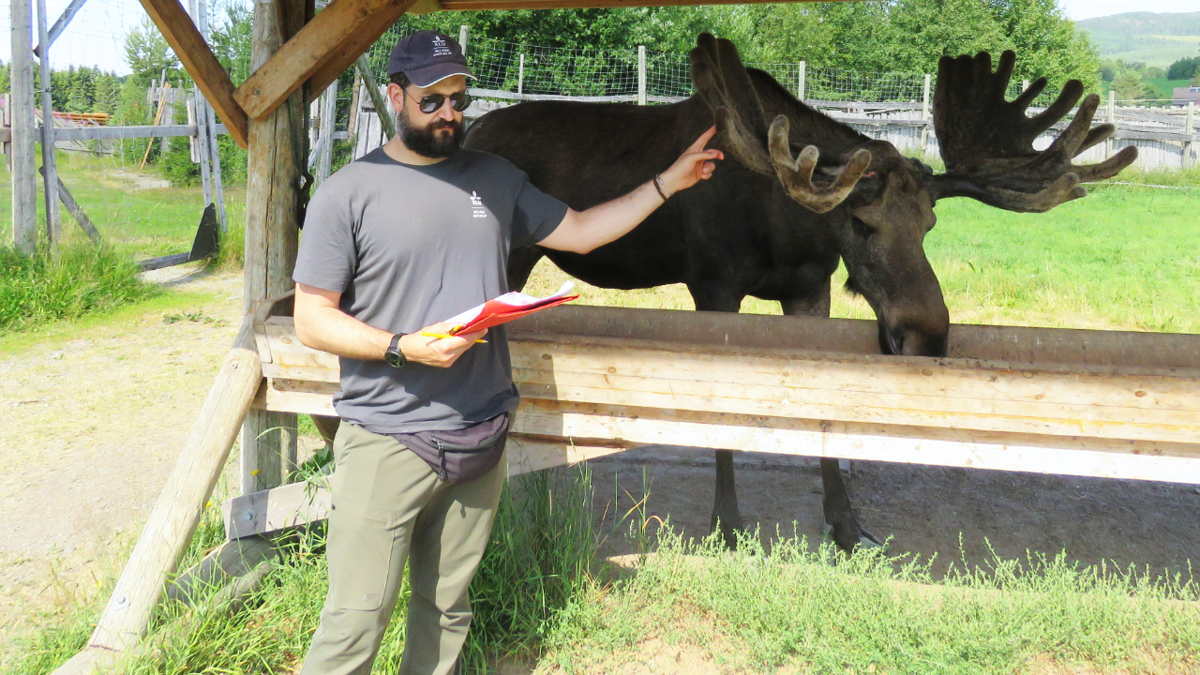
Moose can be more or less dominant, social or tolerant. This is shown by a study in which researchers at SLU observed moose in a Swedish moose park. The study is a first step towards increasing our understanding of moose personality, a previously unexplored topic in Sweden.
-
Why is democracy in peril? (opens the original)
Don’t miss Mark my words: The podcast. Available wherever you get your podcasts.
-
Going cerebral (opens the original)
Dr. Roey Schurr constructs models of human cognition to uncover how the brain’s architecture shapes each person’s unique cognitive style
-
What kind of a person am I? How fear and rejection can underpin OCD
Some people with obsessive-compulsive disorder have experienced traumatic events as children, and develop a deeply held fear of who they are or might become.
-
Two Te Herenga Waka subjects ranked in the top 100 globally (opens the original)
ShanghaiRanking’s Global Ranking of Academic Subjects evaluates universities globally across 57 subjects, including natural sciences like physics, mathematics, and earth sciences, and social sciences like statistics, education, and psychology, among others.
-
How to make your workplace life-giving, not life-depleting (opens the original)
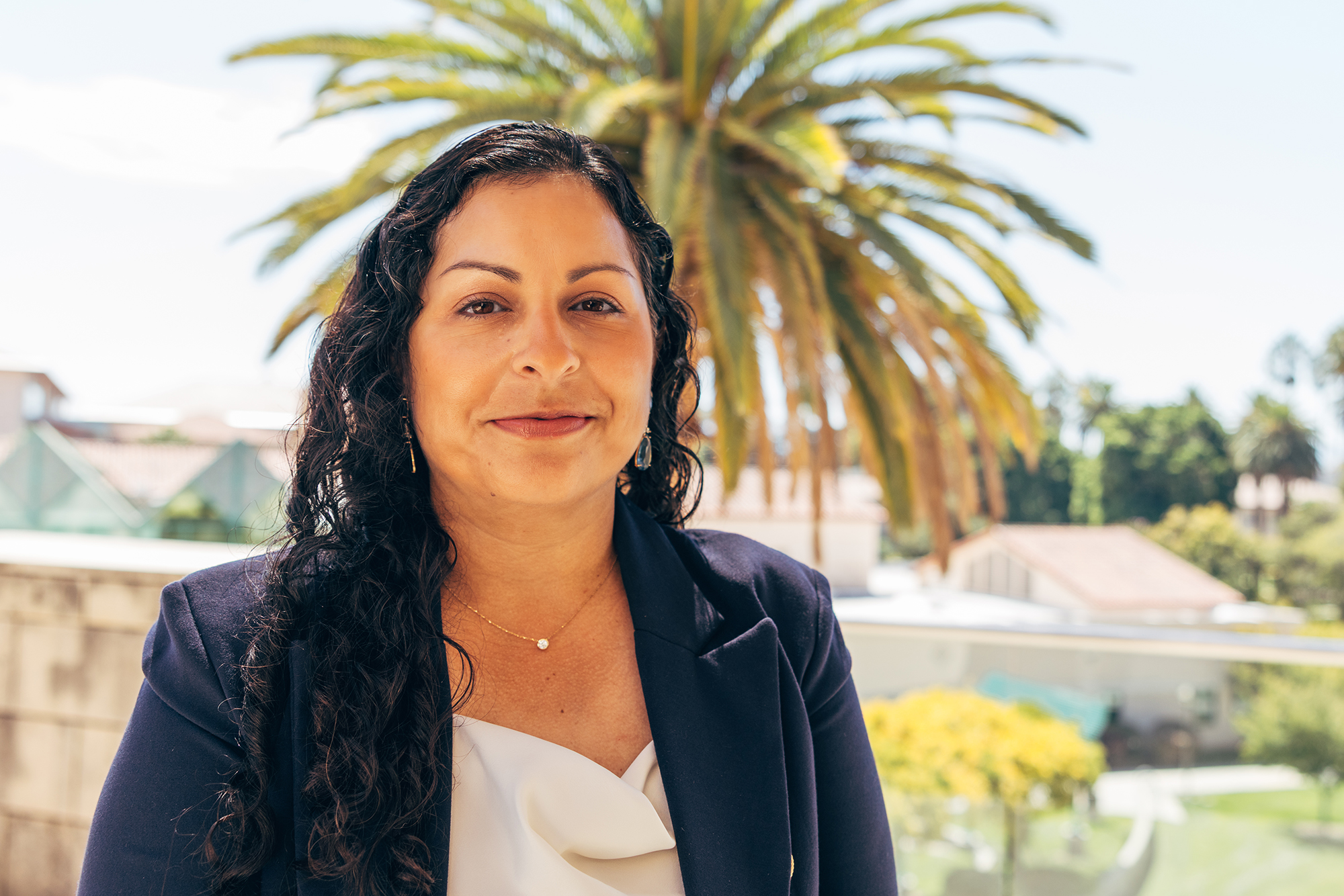
As an assistant professor of management at the Leavey School of Business, Hooria Jazaieri centers much of her research on the employee experience—specifically, how emotions can impact productivity and satisfaction in the workplace. She mixes ethnographic, qualitative, and quantitative research methods to study…
-
‘Rohan called me an idiot!’ How can parents handle squabbles between kids?
When you’re pulled into a dispute with your kids, resist running a court case. We want to build our children’s conflict resolution skills instead.
Picture: Kaboompic.com/ Pexels
-
5 ways teachers can respond to residential school denialism in the classroom
When deciding whether and how to respond to residential schools denialism, teachers should consider the type of denialism, the students involved and their school and community context.
-
Dumbest question is the one you never ask, says Amazon CEO (opens the original)
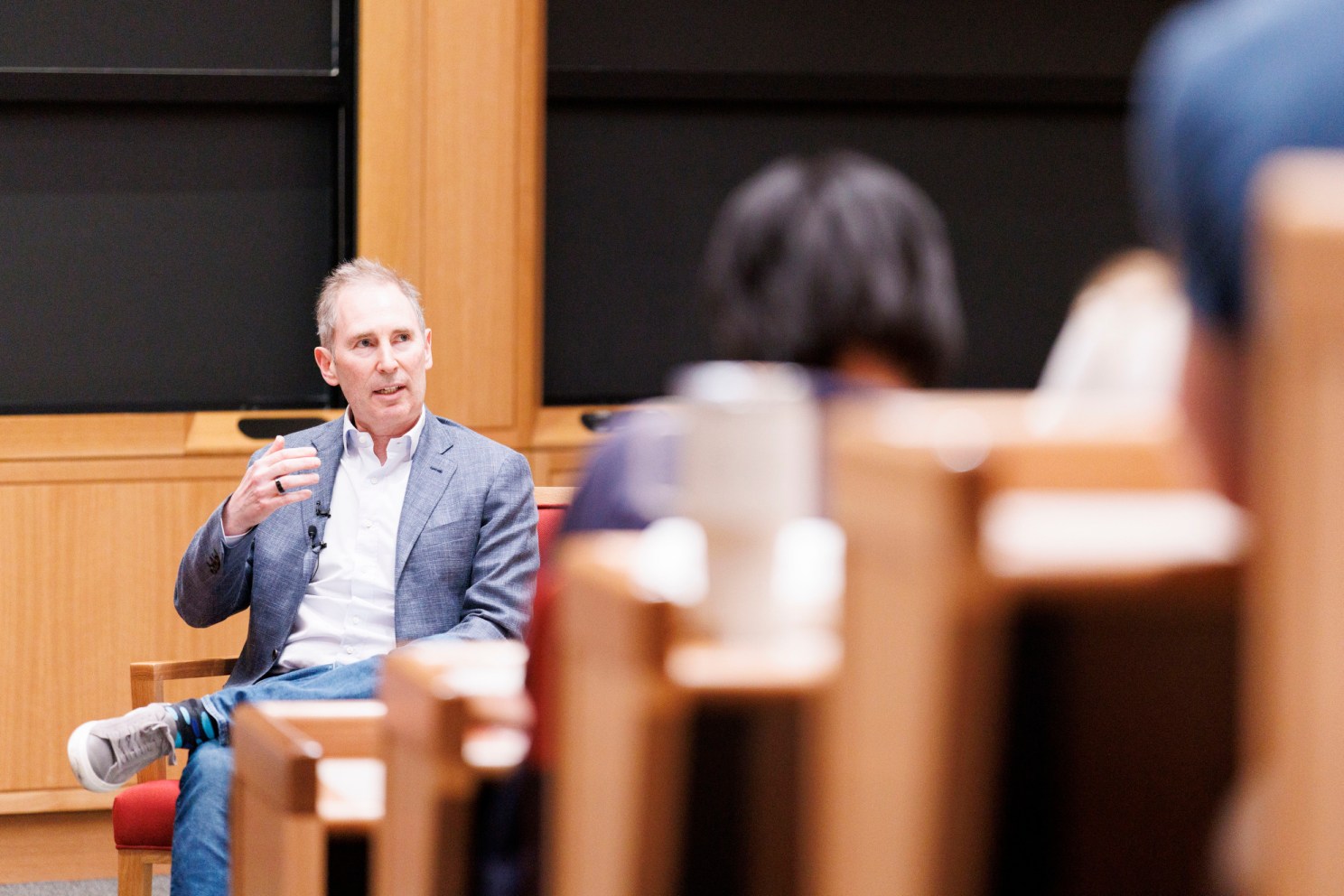
AI competition – among companies and in the labor market – also on Jassy’s mind in HBS talk
-
Democracy? Some founders were skeptical. (opens the original)
Historians detail how, why Constitution became (and remains) work in progress
-
Georgia Policy Labs Announces Engaged Research Competition Winner (opens the original)
Assistant Professor of Social Work Lindsey Disney is the winner of Georgia Policy Labs' fifth annual Engaged Research Competition, receiving $30,000 to partner with the Refugee Women’s Network.
-
Making mental health chatbots more culturally sensitive won’t necessarily make them safer
Canadians are turning to AI mental health chatbots for support. But what if the bot agrees with the beliefs that are keeping you unwell?
-
Our response to the Thirwall Inquiry (opens the original)
The findings of the Thirlwall Inquiry are difficult reading for everyone. Above all, our thoughts are with the families at the heart of this report and we extend our deepest sympathies to them. At gesh, we’ll be looking carefully at the Inquiry’s findings and recommendations, and giving serious thought to
-
Inclusion is central to England’s education policy – but what it means is changing
Inclusion is often treated as a self-evident term.
-
Wright State University honors faculty for excellence in teaching, research, professional service and community engagement (opens the original)
Nine faculty members were honored with the 2026 President’s Awards for Excellence, recognizing sustained excellence in teaching, research, professional service and community engagement.
-
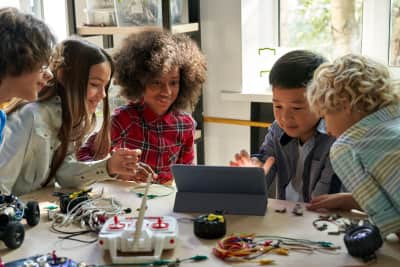
STEM activities with family and educators expose students to diverse STEM career paths (opens the original)
A new study examines how STEM experiences with family, friends and educators can shape students’ motivations for pursuing STEM careers and using their skills to help others.






Read: The Conversation, CORDIS, ESO, NASA, ScienceDaily and the newsroom feeds of 733 institutions. Last read: today. Each story's date is its publisher's. Where the news comes from, and what each source allows.