Science news
Recent stories from university newsrooms, The Conversation, CORDIS, observatories and ScienceDaily, each sorted into the fields, countries and institutions it is about, and each linked to the original publisher. Narrow them below by subject, country, institution, source, words or period. A signed-in reader can follow any filtered view and be told when a new story matches it.
2,232 stories match these filters.
-
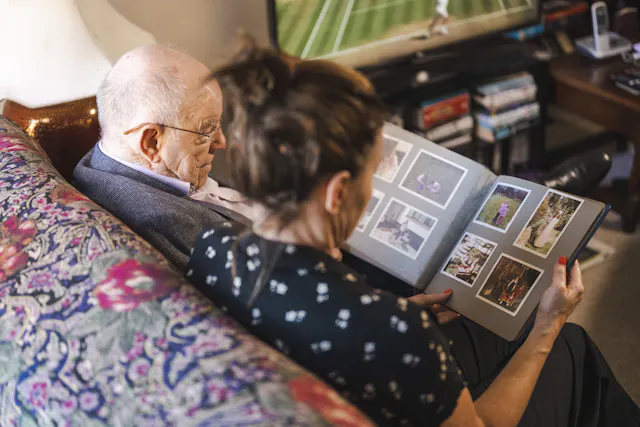
Dementia caregiving can expose hidden family tensions – but early planning can ease the strain
The demands of caregiving can reverberate through family relationships, exposing old disagreements about expectations and responsibilities.
Picture: Peter Kindersley via Centre for Ageing Better, CC BY
-
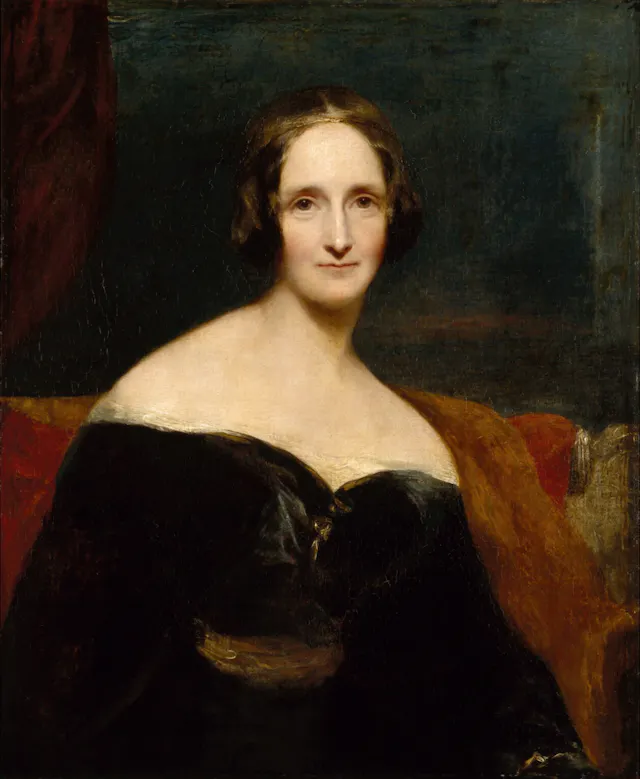
Lessons for the 21st century from a 200-year-old book by ‘Frankenstein’ author Mary Shelley
The catastrophic story is familiar, but the insight, and the ending, offer an opportunity, and perhaps motivation, for modern readers.
Picture: Richard Rothwell from the National Portrait Gallery, London, via Wikimedia Commons
-
New blood test helps rule out life-threatening pre-eclampsia (opens the original)
Hamilton Health Sciences (HHS) and St. Joseph’s Healthcare Hamilton (SJHH) are leading the way in maternal care with an innovative
-
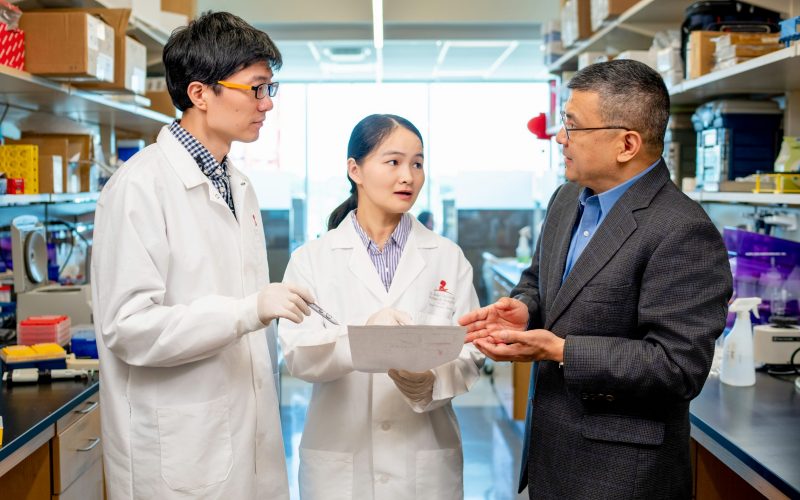
Targeting ZMYND8 improves T-cell function and may boost immunotherapy (opens the original)
Explore new St. Jude research finding how removing the immune response “brake” gene ZMYND8 led to better control of solid tumors and chronic viral infections.
-
A potential game-changer in blood and marrow transplantation (opens the original)
Dr. Marco Mielcarek will collaborate with researchers across three institutions to improve preventative care for graft-vs.-host disease
-
Homeless people can now get free flu jabs – but will this initiative actually reach them?
A new flu jab offer for homeless people arrives just as the NHS bodies meant to deliver outreach face cuts and restructuring.
-
Simple test could take the pain out of womb cancer check (opens the original)
A new test to identify cells collected from urine and vaginal fluid could help rule out womb and other cancers in most women who experience bleeding after the menopause, find University of Manchester researchers.
-
Blame Evolution for Your Bad Knees (opens the original)
Why do humans get joint disease while other great apes remain agile into old age? The same evolutionary changes that made us human may also have left us with fragile joints
-
We asked people with dementia about voluntary assisted dying. Here’s what they said
New research shares the stories of Australians with dementia who want a choice in how they live and die.
-
Researchers funded to cure – rather than manage – inflammatory disease (opens the original)
Researchers from the University of Glasgow will join international partners in a bid to transform how chronic inflammatory disease is treated.
-
Dementia Exchange to explore new approach to screening in local pharmacies (opens the original)
Dementia is Australia’s number one cause of death, and it affects the Hunter New England region 22% more than the national average. Now a new pilot will bring early screening to local pharmacies, designed with the community.
-
Year 12 students can feel lonely after graduating. Here’s how to stay connected
After graduating, young people enter an often enjoyable, but also challenging, period of new experiences.
-
Should you get a PSA test for prostate cancer?
Here’s who’s eligible and what to consider before deciding.
-
FIU study finds brain differences linked to obesity risk in preschoolers (opens the original)
Researchers found that children as young as 4 with a higher body mass index (BMI) showed differences in several brain regions.
-
MCG researchers identify cholesterol pathway in diabetic vision loss (opens the original)
Researchers who previously linked a cholesterol-processing pathway to retinal damage in premature infants have extended their work to diabetic retinopathy.
-
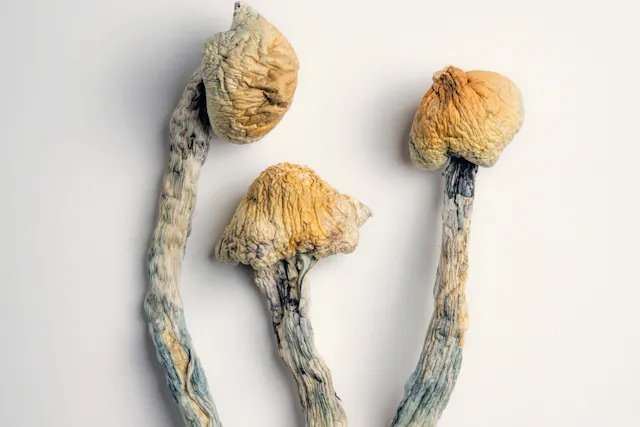
Psilocybin may help the brain recover from concussion, new study shows
Psilocybin could be an unexpected avenue for treating an injury that currently has few options beyond rest and symptom management.
Picture: (Unsplash)
-
Bangladesh has lost 900 children to measles – a warning to other countries where vaccine rates have slipped
After a pandemic-era collapse in vaccination, Bangladesh is racing to protect children from measles, but lasting protection depends on reaching 95% coverage.
-
Bodywork: Making sense of heart drug failures (opens the original)
In the past few months, a pair of promising heart drugs failed in clinical trials. What happened? And what does it mean for the treatment of heart disease?





Read: The Conversation, CORDIS, ESO, NASA, ScienceDaily and the newsroom feeds of 734 institutions. Last read: today. Each story's date is its publisher's. Where the news comes from, and what each source allows.