Science news
Recent stories from university newsrooms, The Conversation, CORDIS, observatories and ScienceDaily, each sorted into the fields, countries and institutions it is about, and each linked to the original publisher. Narrow them below by subject, country, institution, source, words or period. A signed-in reader can follow any filtered view and be told when a new story matches it.
2,965 stories match these filters.
-
Protection against cyber-attacks: New DFG Research Unit investigates the resilience of integrated technical systems to attacks (opens the original)
Attacks on substations, cyberattacks on public authorities, drones flying over airports: critical infrastructure is increasingly becoming a target for criminals. So-called cyber-physical systems – that is, technical devices in which software and machines communicate with one another in real time via the internet…
-
Researchers in Ukraine in times of war and armed conflict (opens the original)
A study shows impact of war on researchers' movement within and beyond Ukraine
-
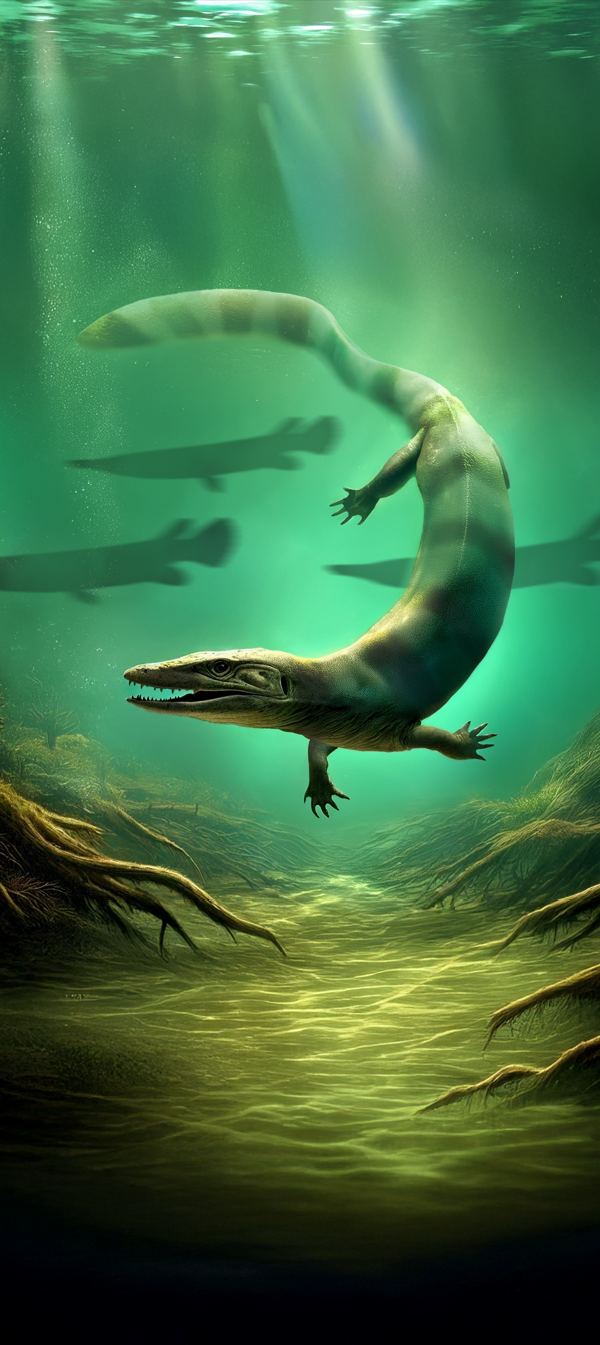
A new species of Mosasaur identified in Provence, southeastern France (opens the original)
Although long regarded as exclusively marine animals, mosasaurs--large Cretaceous predators--also included freshwater species. Now, a research team
-
Focus on the Circular Economy (opens the original)
Selected early-career researchers from across North Rhine-Westphalia (NRW) gathered in Wuppertal as part of the Humboldt School 2026 to link cutting-edge research with the economic needs of NRW.
-
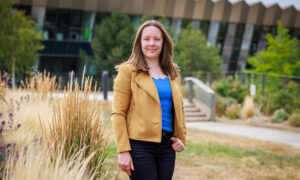
We are EMBL: Emily Bowler-Barnett on how biocuration supports open science (opens the original)
The first scientist in her family, Emily Bowler-Barnett has built a career out of making sure the right work gets credited to the right people.
-
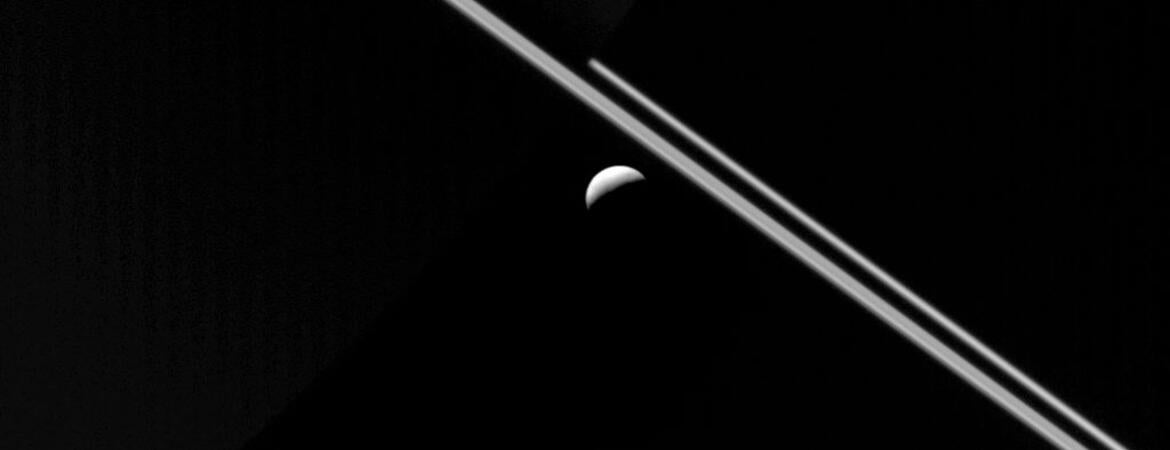
Saturn’s moon offers clues in search for extraterrestrial life (opens the original)
With a global ocean of liquid water below a thick crust of ice, Saturn’s moon Enceladus is one of the most promising places to search for life beyond Earth. A new study suggests the moon itself may aid in that search by making some ocean compounds easier for future spacecraft to detect.
-
Australia’s legacy systems were already a cyber risk. AI agents are raising the stakes
Most Australian government entities are running outdated technology – and AI systems may reveal their weaknesses, intentionally or not.
-
The joy of song: where songbirds came from and why we should listen to them
Research suggests all of the world’s songbirds can be traced back to Australia.
-
Even the best telescopes have blind spots. This fix can help us build better maps of the universe
Sometimes, mapping the whole universe starts with getting thousands of tiny robots to move in exactly the right way.
-
Using Biochar and Nanotechnology as an Environmentally Friendly Approach (opens the original)
The Deanship of Research and Graduate Studies is pleased to invite you to attend a scientific seminar on the research project that received the AL-Khwarizmi Award for Creativity and Innovation in the Arab World – Creativity Track, entitled:Using Biochar and Nanotechnology as an Environmentally Friendly Approach to…
-
New Nanomaterials for the Development of Water Treatment Plants in the Kingdom (opens the original)
The Deanship of Research and Graduate Studies is pleased to invite you to attend a scientific seminar on the research project that received the 2024 Global Innovation Award for Water Desalination, entitled:New Nanomaterials for the Development of Water Treatment Plants in the Kingdom of Saudi Arabia Speaker:Dr…
-
Floating power plants could offer coastal communities a reliable energy source. Here’s how
These mobile power systems could be a lifeline for remote, island and disaster-prone places.
-
Deepfakes are distorting this year’s Victorian election. We found out who’s most susceptible to them
Voters need to become better at questioning what they see, without automatically disbelieving it.
-
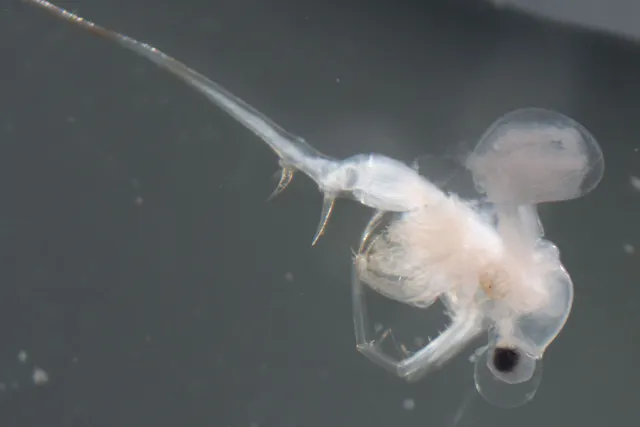
One of Canada’s worst invasive species may have arrived naturally
Researchers have discovered the spiny water flea may have existed in North America far longer than previously thought.
Picture: (NOAA Great Lakes Environmental Research Laboratory), CC BY
-
“The Science of Olive Oil” Conference Wraps Up Successfully in Heraklion (opens the original)
The three-day conference “The Science of Olive Oil: Quality, Innovation, Sustainability,” held in Heraklion from September 25 to 27, 2026, wrapped up successfully with strong attendance. The event was organized by the Regional Branch of Crete of the Association of Greek Chemists in collaboration with the Department…
-
UTulsa cybersecurity researcher named national RSAC Security Scholar (opens the original)
UTulsa graduate student Jalen Brown was selected as a 2026 RSAC Security Scholar, earning the opportunity to showcase digital forensics research and connect with leaders across the cybersecurity industry.
-
Researchers use light to reprogram a tiny optical device (opens the original)
International research team including the University Jena controls a metasurface contact-free using laser light
-
Chapman Advances Healthcare AI Research and Training (opens the original)
When Sherry Yun Wang, Ph.D., arrived at Chapman University’s School of Pharmacy in 2021, artificial intelligence was already transforming parts of healthcare, but it was not yet widely accessible in everyday clinical training and practice. Wang saw where it was headed — and set out to bring it into Chapman’s…
-
Lav Varshney Discusses AI and the Physical Economy of Intelligence (opens the original)
Lav Varshney, Director of Stony Brook University's AI Innovation Institute, discussed the puzzles, pitfalls and possibilities of a more AI-reliant world. The post Lav Varshney Discusses AI and the Physical Economy of Intelligence first appeared on SBU News.
-
Russia’s new jet-powered drones mark latest evolution in air war above Ukraine
Ukraine is struggling to defend its cities against aerial attack as Russia introduces a new, long-range drone to the war.








Read: The Conversation, CORDIS, ESO, NASA, ScienceDaily and the newsroom feeds of 736 institutions. Last read: today. Each story's date is its publisher's. Where the news comes from, and what each source allows.