Science news
Recent stories from university newsrooms, The Conversation, CORDIS, observatories and ScienceDaily, each sorted into the fields, countries and institutions it is about, and each linked to the original publisher. Narrow them below by subject, country, institution, source, words or period. A signed-in reader can follow any filtered view and be told when a new story matches it.
683 stories match these filters.
-
Menopause is a major health milestone, yet health records barely track it - new research
Capturing data about the timing and symptoms of menopause could help address many unanswered questions about this common yet ignored experience.
-
Brains rising above the neural noise (opens the original)
Researcher 研究者名 Shimazaki, Hideaki Activity Database on Education and Research Overview Kyoto, Japan -- Our brains internally represent the outside world through the coordinated activity of billions of neurons. A single neuron responds unreliably: even when the same stimulus is shown repeatedly, its activity varies…
-
Brain stimulation could reshape how you learn new skills
Researchers are exploring whether stimulating the brain with electric currents or magnetic fields helps people learn physical skills more effectively.
-
New formulation helps RNA vaccines withstand high temperatures (opens the original)
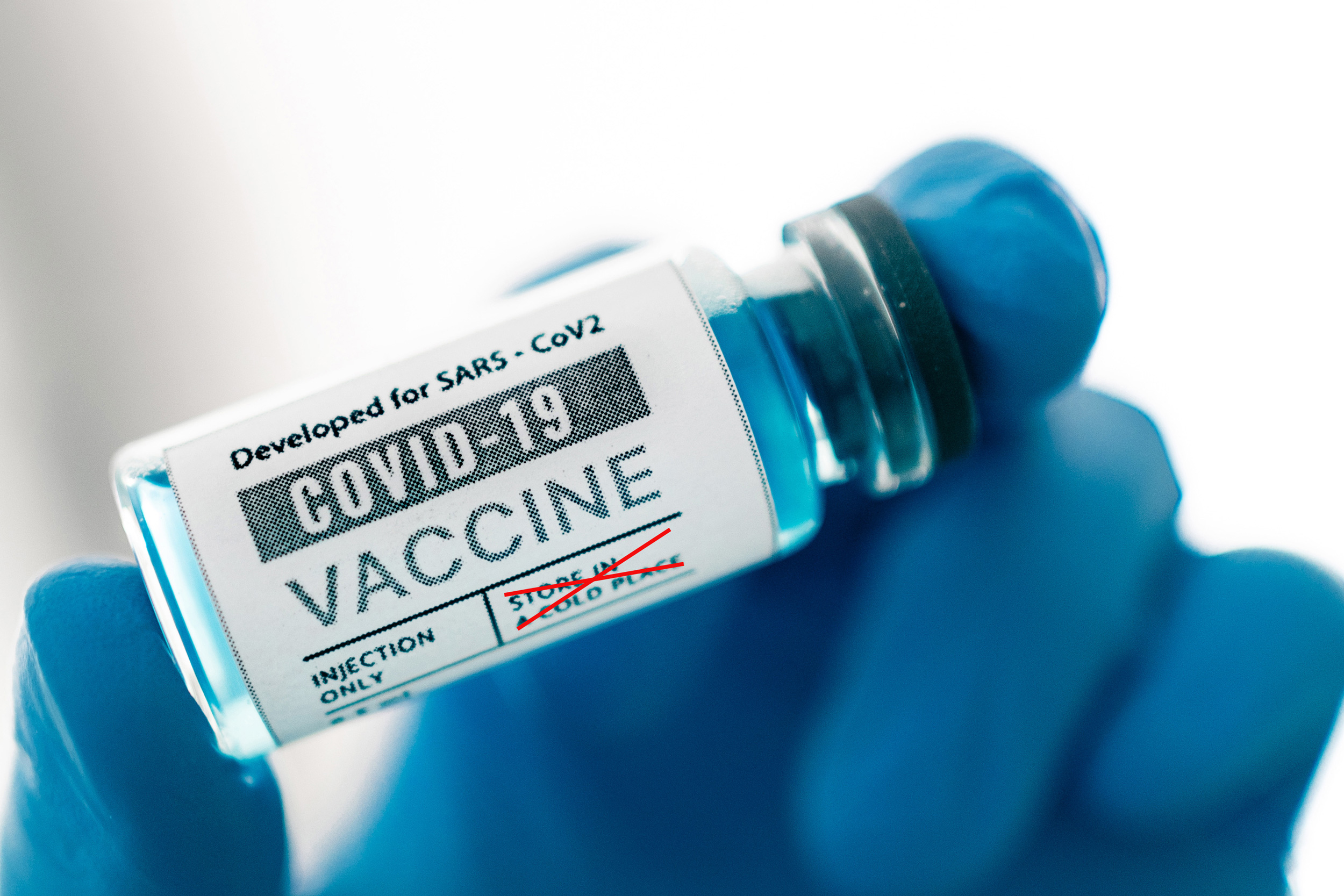
MIT engineers have found a way to stabilize the lipid nanoparticles used to deliver RNA vaccines, which could allow the vaccines to be more widely distributed.
-
One of Canada’s worst invasive species may have arrived naturally
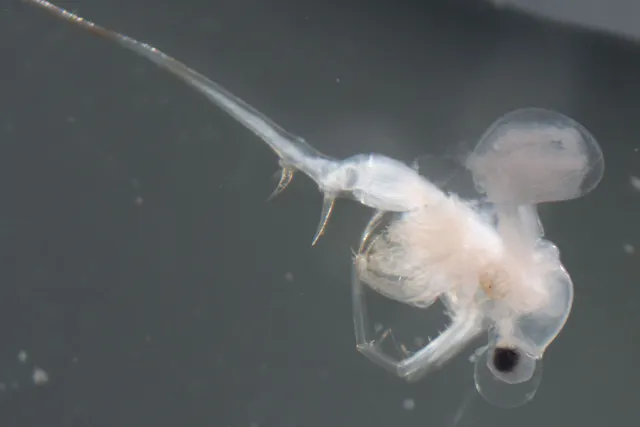
Researchers have discovered the spiny water flea may have existed in North America far longer than previously thought.
Picture: (NOAA Great Lakes Environmental Research Laboratory), CC BY
-
The bustling molecular communities inside cells (opens the original)
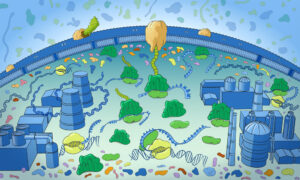
New research has improved our understanding of protein production and transportation in cells, while also establishing a foundation to better understand the dynamic interactions between molecular machines.
-
A new technique could accelerate the development of RNA therapies (opens the original)
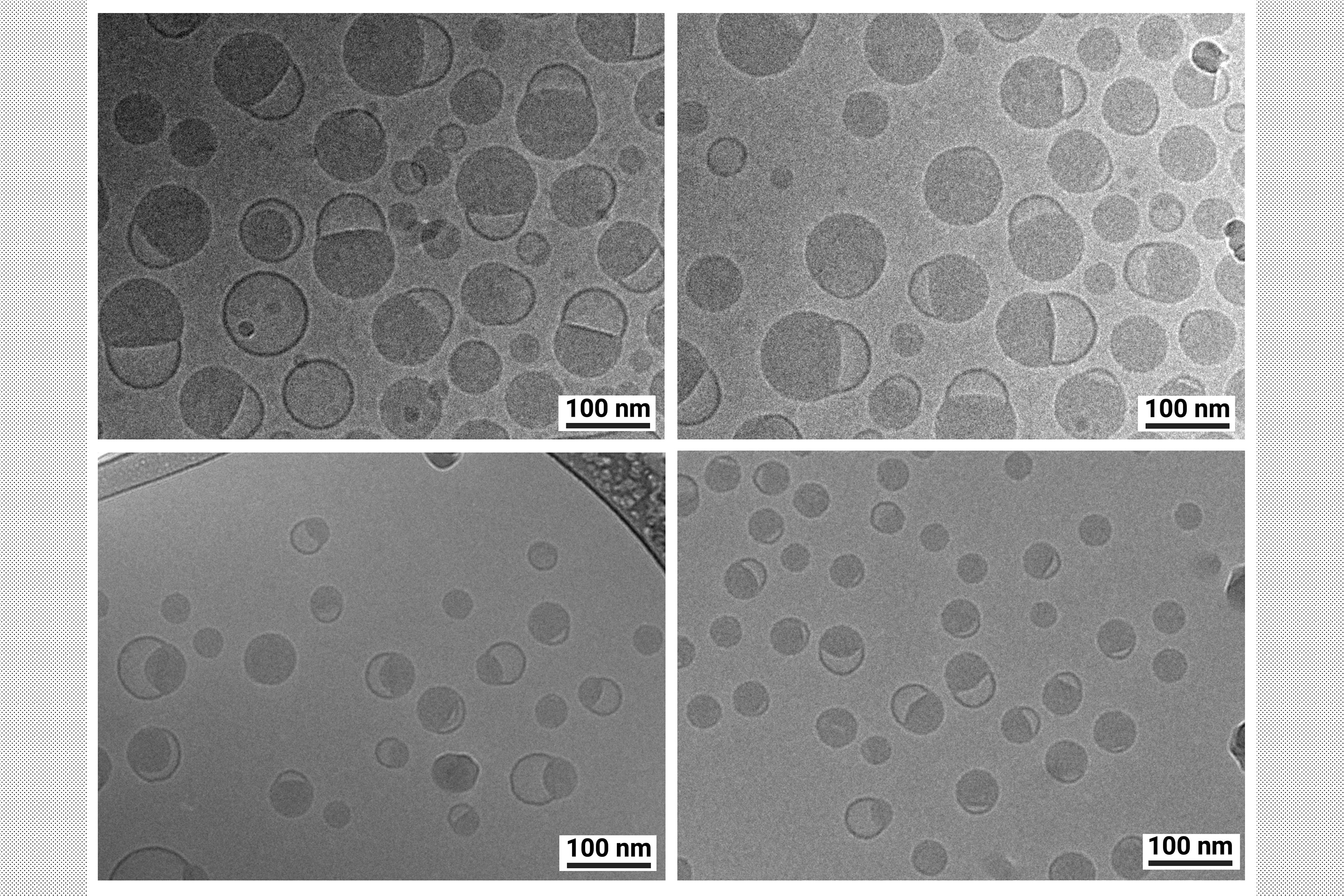
MIT chemical engineers found a way to rapidly produce lipid nanoparticles of varying sizes, which could make it easier to develop new vaccines and therapeutics.
-
Characterizing DNA Repair Pathways and Proteins (opens the original)
emhanlon@colgate.edu Fri, 09/25/2026 - 09:00 This summer, Colgate student researchers joined Assistant Professor of Biology Sarah McMillan to investigate a protein akin to a first responder. McMillan’s lab focuses on single-stranded binding protein (SSB) found in…
-
Gen Z communicates differently in the workplace, but older colleagues can still decode them
Gen Z workers don’t communicate better or worse than previous generations, but they learned to do so under very different circumstances.
-
NSU Drug Discovery Could Pave the Way for Novel Melanoma Treatment (opens the original)
Fort Lauderdale, Fla.—Researchers at Nova Southeastern University (NSU) have identified a small-molecule compound that attacks advanced melanoma on two fronts: directly killing tumor cells while also triggering an immune response that makes cancer cells more visible to the body’s immune…
-
How bacteria communicate and compete (opens the original)
Bacteria may be microscopic, but they are constantly communicating with the microbes around them. New research reveals how cholera-causing bacteria can detect chemical signals from their neighbours, change their behaviour and outcompete other bacteria.
-
Mitochondrial Protein Complexes: A Single Amino Acid Can Jeopardize Their Stability (opens the original)
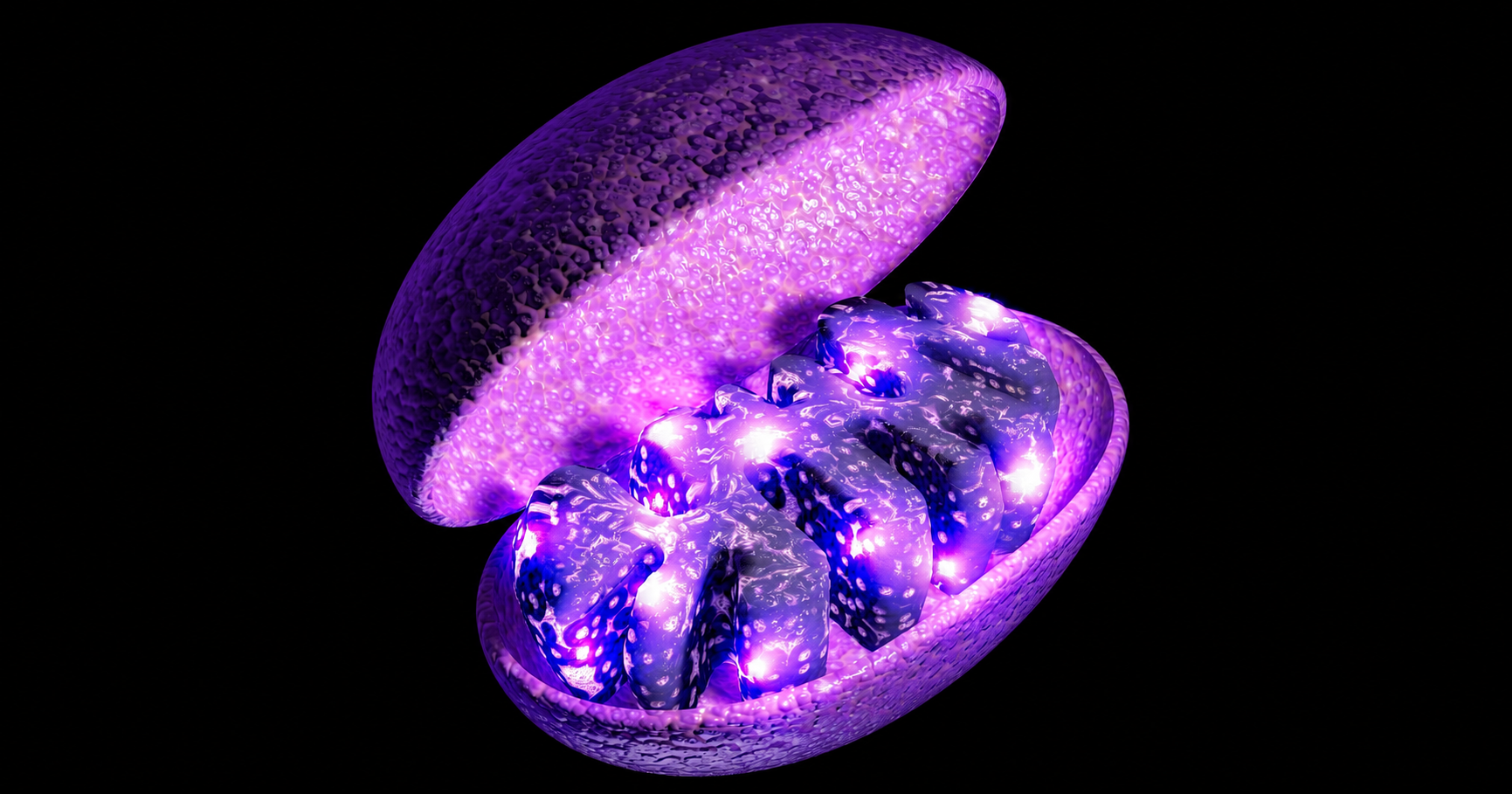
Press Release No. 102/2026 25 September 2026 Scientists from Heidelberg and Freiburg identify the mechanism by which proteins assemble into stable complexes in mitochondria A tiny processing step has far-reaching consequences for mitochondrial function: The removal of a single amino acid determines whether new…
-
Curious Kids: does music affect how plants grow?
Some people may think it’s nice to listen to music with their plants. But is there any truth to the idea that certain music boosts plant growth?
-
Georgia State Research Advances Understanding of Tick-Borne Powassan Virus (opens the original)
New studies provide critical insights into disease progression, immune responses and long-term neurological damage.
-
Can HRT prevent dementia? What the latest research tells us
The type of menopause and differences between women taking HRT complicate claims about its potential to prevent dementia.
-
Overprescribing can take a toll on older peoples’ health and independence – here’s what can be done
Around 8 million people in England take five or more prescription drugs each day.
-
Molecular Mechanism of Short-Term Synaptic Plasticity Was Discovered (opens the original)
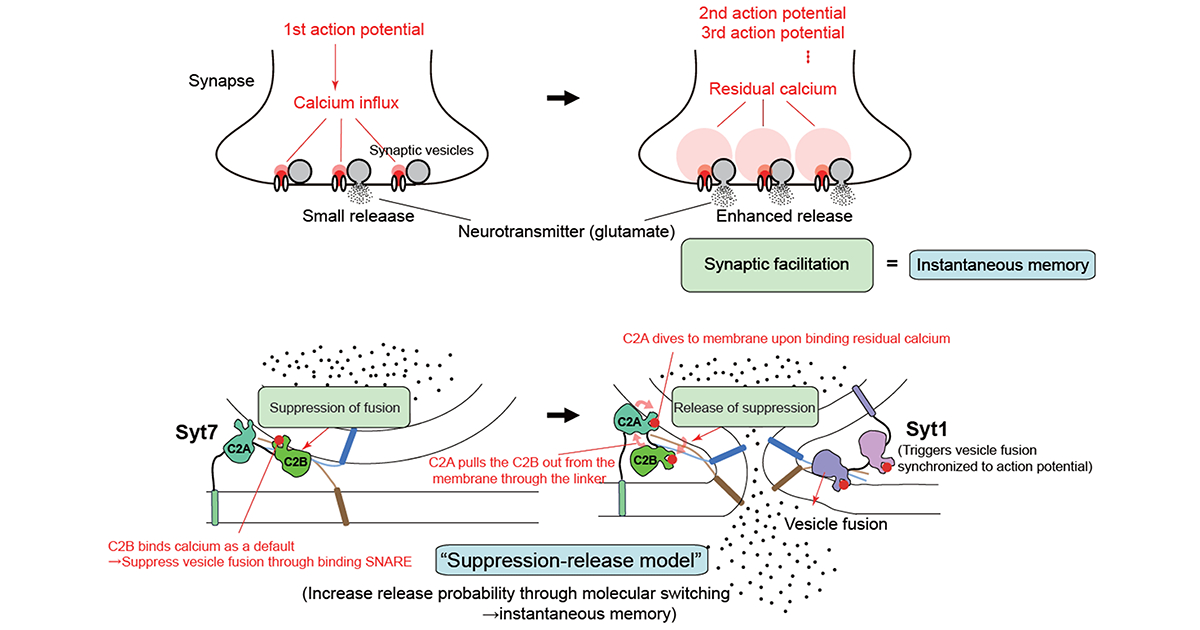
The National Institute of Information and Communications Technology (NICT, President: OHNO Hideo, Ph.D.) has discovered molecular mechanism of synaptic facilitation, instantaneous strengthening of synaptic transmission, which may be physiological basis of instantaneous memory. Synaptic facilitation has been known for…
-
Julianna Lee: From extension to education (opens the original)
Julianna Lee '24 joined the Nutrient Management Spear Program (NMSP) as an undergraduate. During her time at Cornell, she earned a bachelors of science in agricultural sciences and minored in education and Asian American studies. Read on to
-
New type of human jumping gene found in a poxvirus (opens the original)
Scientists found a human genetic element in a poxvirus that is both an important gene for brain function and a jumping gene capable of moving and inserting itself in genomes.






Read: The Conversation, CORDIS, ESO, NASA, ScienceDaily and the newsroom feeds of 751 institutions. Last read: today. Each story's date is its publisher's. Where the news comes from, and what each source allows.