Science news
Recent stories from university newsrooms, The Conversation, CORDIS, observatories and ScienceDaily, each sorted into the fields, countries and institutions it is about, and each linked to the original publisher. Narrow them below by subject, country, institution, source, words or period. A signed-in reader can follow any filtered view and be told when a new story matches it.
2,925 stories match these filters.
-
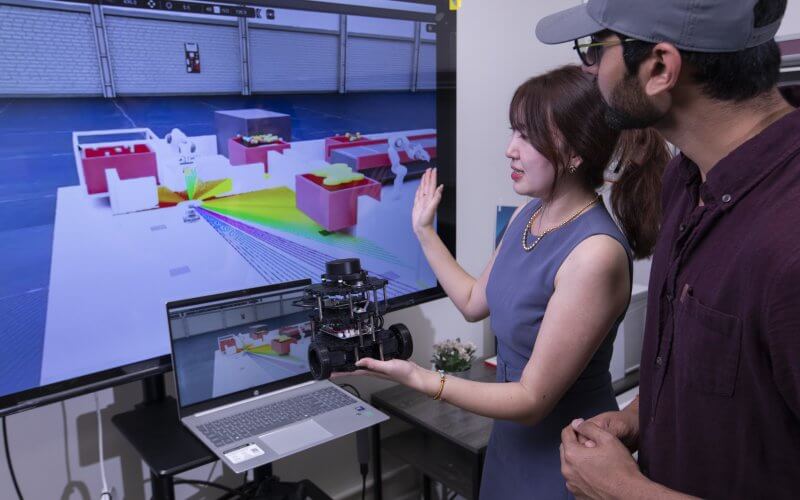
Honda-backed project focuses on trust between humans and robots (opens the original)
Engineering students involved in the project learn about building trust in robot-human interactions as part of the program.
-
Is it safe to charge your phone overnight?
The answer is more nuanced than it’s ever been.
-
We can finally measure the damage each new coal, gas or oil project will do to people and nature
For decades, we couldn’t trace the link between new fossil fuel projects and their damage to people and planet. But now we can.
-
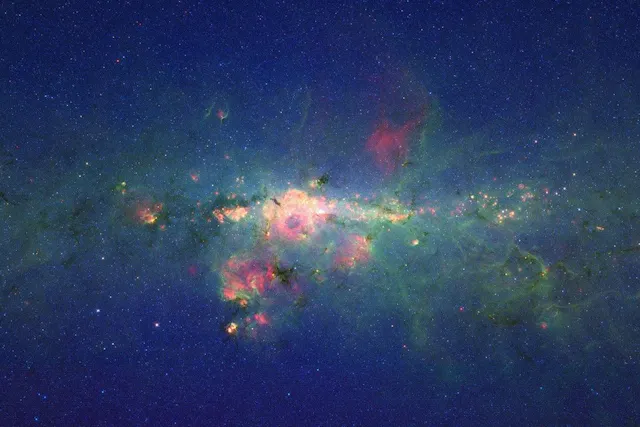
How NASA’s Nancy Grace Roman Space Telescope will open a window into the Milky Way
From supernovae in distant galaxies to the packed centre of the Milky Way, the new Roman telescope will help us see and understand the ever-changing cosmos.
Picture: (NASA/JPL-Caltech)
-
Water is precious – this Swedish city separates different waste sources to reuse more of it
In Oceanhamnen, wastewater is collected through three separate pipelines, making the processing and reuse of black and greywater more efficient.
-
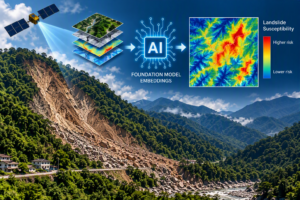
NIU researchers harness AI to map future landslide-prone terrain (opens the original)
DEKALB, IL — Artificial intelligence could help communities better prepare for landslides before they occur, according to recently published research from Northern Illinois University. Lead
-
Harvard launches $150 million research initiative (opens the original)
University plans range of awards in basic and applied science, seeking to meet ‘moment of remarkable opportunity’
-
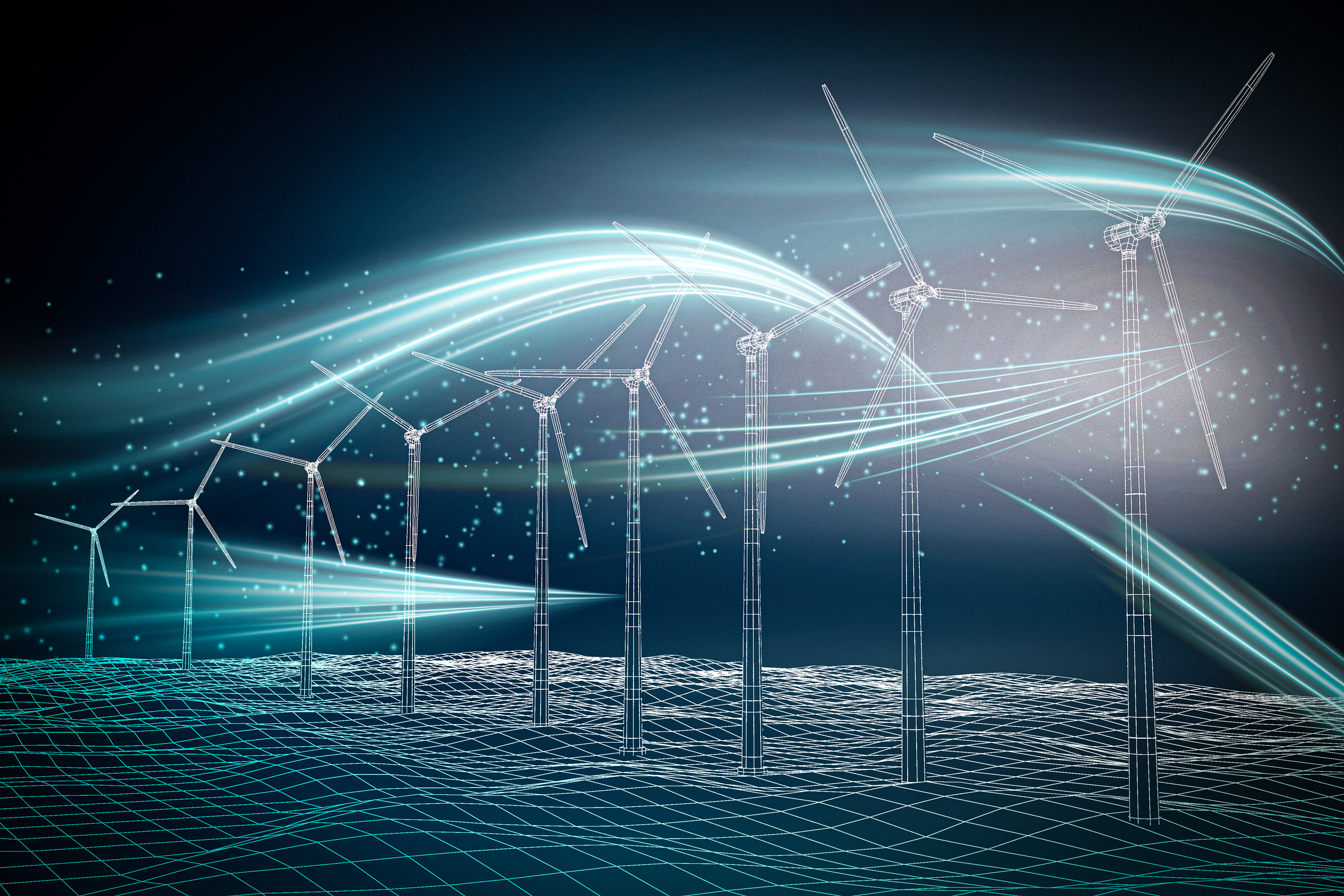
Pressurized experiments could help wind farms generate more power (opens the original)
A new way of simulating wind turbines in the field shows how tweaking turbine operation could unlock tens of thousands of dollars per turbine every year.
-
Stony Brook Researchers Develop a Blueprint for Self-Improving AI (opens the original)
A Stony Brook PhD student and assistant professor explored human supervision shaping large language models and how can models take part in their improvement. The post Stony Brook Researchers Develop a Blueprint for Self-Improving AI first appeared on SBU News.
-
Without water, forests lose their ability to absorb CO₂
To survive dry spells, trees stop the water-rich process of photosynthesis. When nature’s natural carbon capture machine grinds to a halt entire forests end up producing more CO₂ than they absorb.
-
Senegal’s Youth Olympics legacy: who pays after the Games?
For the Youth Olympic Games, Senegal has relied heavily on substantial direct public funding with support from its partners.
-
How can plants safeguard our future? (opens the original)
How do ecosystem engineers build their own habitats, from the sea to the mountain? And what can we learn from them to keep our own habitat safe?
-
Nearly 200 experts meet in Bangkok to advance IPCC assessment of climate change mitigation (opens the original)
PATHUM, Sept 28 – Nearly 200 authors from 79 countries are gathered at the Asian Institute of Technology in Pathum, Thailand, from 28 September to 1 October to draft the Working Group III contribution to the Intergovernmental Panel on Climate Change (IPCC) Seventh Assessment Report (AR7) on the mitigation of climate…
-
Why fuel prices may go higher still
Seven months into the US conflict with Iran, with no clear end in sight, the global oil market has now largely exhausted the safety measures that exist to keep a lid on petroleum prices.
-
What was the original first-person shooter? Two largely forgotten computer games from the 1970s ushered in the genre
The games created a new way of experiencing video games by building a 3D world in which events could unfold beyond the player’s line of sight.
-
From lab to life: Why translating AI advances to the real world is a major challenge
All the training data in the world can’t account for every possibility when AI systems interact with people and the environment.
-
Hibernating bacteria can invade hospitals and survive outer space – but their high energy bill is a weakness that scientists can strike
Bacteria make a survival gamble when they devote all their energy to forming spores. Evolution is quick to get rid of this function, and researchers did the accounting to understand why.
-
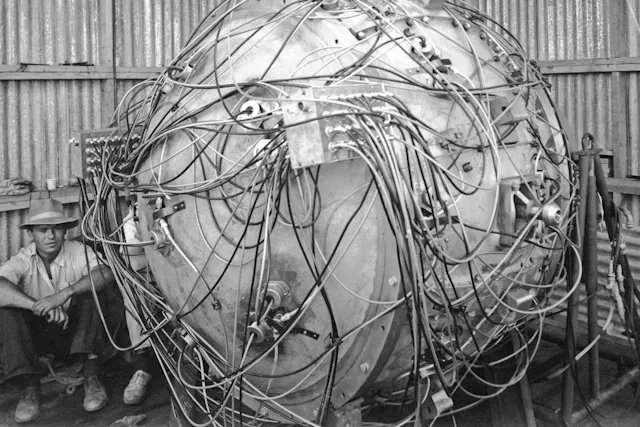
AI companies could learn safety lessons from the history of nuclear weapons
There are clear parallels between today’s AI debate and how the world tackled the threat from nuclear weapons.
Picture: US Department of Energy



Read: The Conversation, CORDIS, ESO, NASA, ScienceDaily and the newsroom feeds of 737 institutions. Last read: today. Each story's date is its publisher's. Where the news comes from, and what each source allows.