Science news
Recent stories from university newsrooms, The Conversation, CORDIS, observatories and ScienceDaily, each sorted into the fields, countries and institutions it is about, and each linked to the original publisher. Narrow them below by subject, country, institution, source, words or period. A signed-in reader can follow any filtered view and be told when a new story matches it.
2,045 stories match these filters.
-
From Army Captain to Medical Student: Two West Point Graduates Pivot to Medicine at USU (opens the original)
Two former Army captains leave medical operations and military intelligence to study military medicine at the Uniformed Services University. Then-1st Lt. Donovan Hinton and his partner pull a simulated casualty on a litter during the stress shoot lane of the 2026 Army Best Medic Competition. (Photo courtesy of Pfc…
-
Unexpected gifts (opens the original)
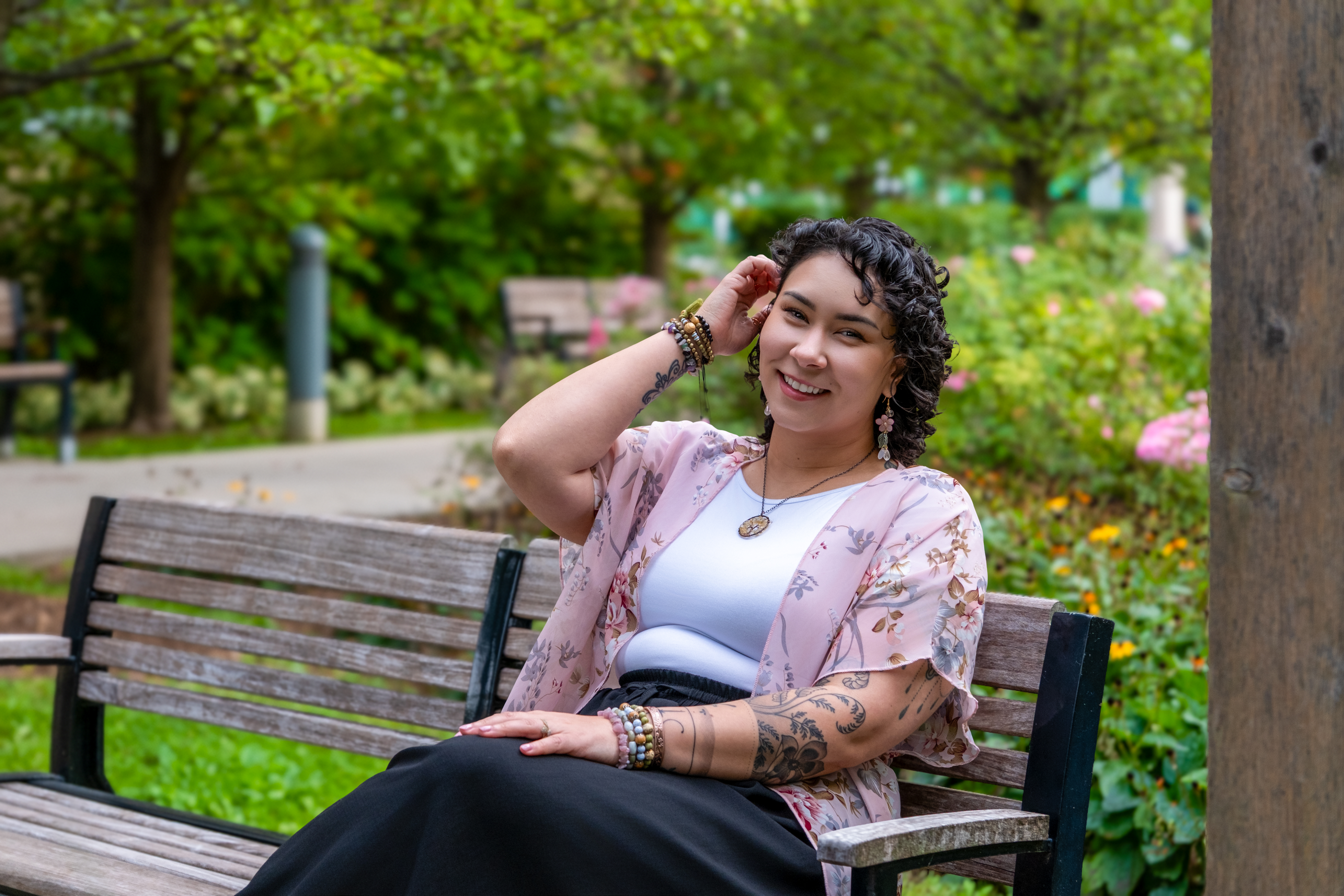
Image passfiee Wed, 09/30/2026 - 10:55 Kayla Green, who turned her cancer journey into connection, is paying that support forward at Breast Reconstruction Awareness Day at St. Joseph’s Health Care London. Most 32-year-olds would cringe at spotting a grey hair or new wrinkle. Kayla Green considers…
-
PACELINE funding supports a switch in cancer treatment (opens the original)
Since 2019, PACELINE has raised $2 million for innovative cancer research and has funded over 30 researchers and their projects at the Georgia Cancer Center.
-
Understanding Metabolism from Beginning to End (opens the original)
Our metabolism is not a static system. It is shaped even before birth, adapts throughout life to nutrition and the environment, and can also fall out of balance. Researchers at the DZD partner Helmholtz Munich are investigating how metabolic risks can be identified early, diseases prevented and existing damage…
-
Biokineticists fight disease using exercise science: how to bring their skills to rural patients
Biokineticists can help identify NCD risk in rural communities, but gaps in referral pathways and public healthcare integration may limit access to follow-up care.
-
Why Childhood Cancer Is Different — and How Immunotherapy Research Is Changing the Landscape (opens the original)
Over the past several decades, treatment for childhood cancer has improved dramatically. Today, many children diagnosed with cancer will survive their disease. But that progress does not tell the whole story. Some
-
"The God of the Logicians" – F.A.Z. Reports on the Gödel Conference at the BBAW (opens the original)
The Frankfurter Allgemeine Zeitung devotes a substantial feuilleton article to the Berlin conference on Kurt Gödel’s ontological argument for the existence of God – highlighting Christoph Benzmüller’s computer-supported work. This is part of ongoing, active research at the AISE chair and, at the Center for Innovative…
-
UF researchers combine AI and brain mapping to advance personalized epilepsy surgery (opens the original)
For people with drug-resistant epilepsy, surgery can offer a life-changing opportunity to control seizures. But it can also come with questions about how a procedure could affect language, memory and
-
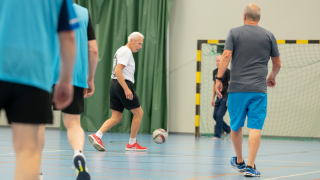
Sufficiently intense physical activity relative to individual fitness may be key to maintaining physical functioning in older adults (opens the original)
A recent study from the University of Jyväskylä highlights that using general intensity thresholds in research may have a substantial impact on the results.
-
Dark kitchens are popping up everywhere, but what are they and why does it matter?
Delivery-only kitchens make up around 15% of outlets on major apps in England, yet only a quarter of surveyed consumers recognised the term.
-
The career follow-up survey provides important insights into life after graduation (opens the original)
TEXT: Matias Dahlbäck The career follow-up survey provides important insights into life after graduation What are graduates of Åbo Akademi University doing a few years after graduation? How satisfied are they with their education, and how well have their studies prepared them for working life? The career follow-up…
-
New USF technology advances understanding of eye pressure and glaucoma (opens the original)
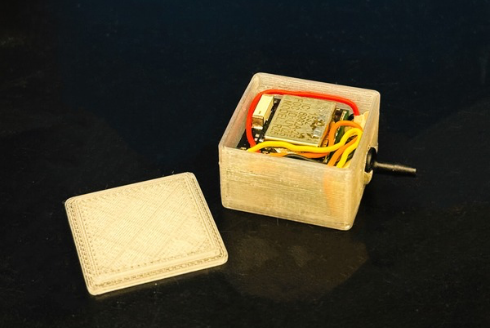
Using a first-of-its-kind wireless eye-pressure monitoring system, USF researchers uncovered new links between the brain, circadian rhythms and light exposure that may help regulate eye pressure. The findings offer new insight into one of glaucoma's most important risk factors and could inform future approaches to…
-
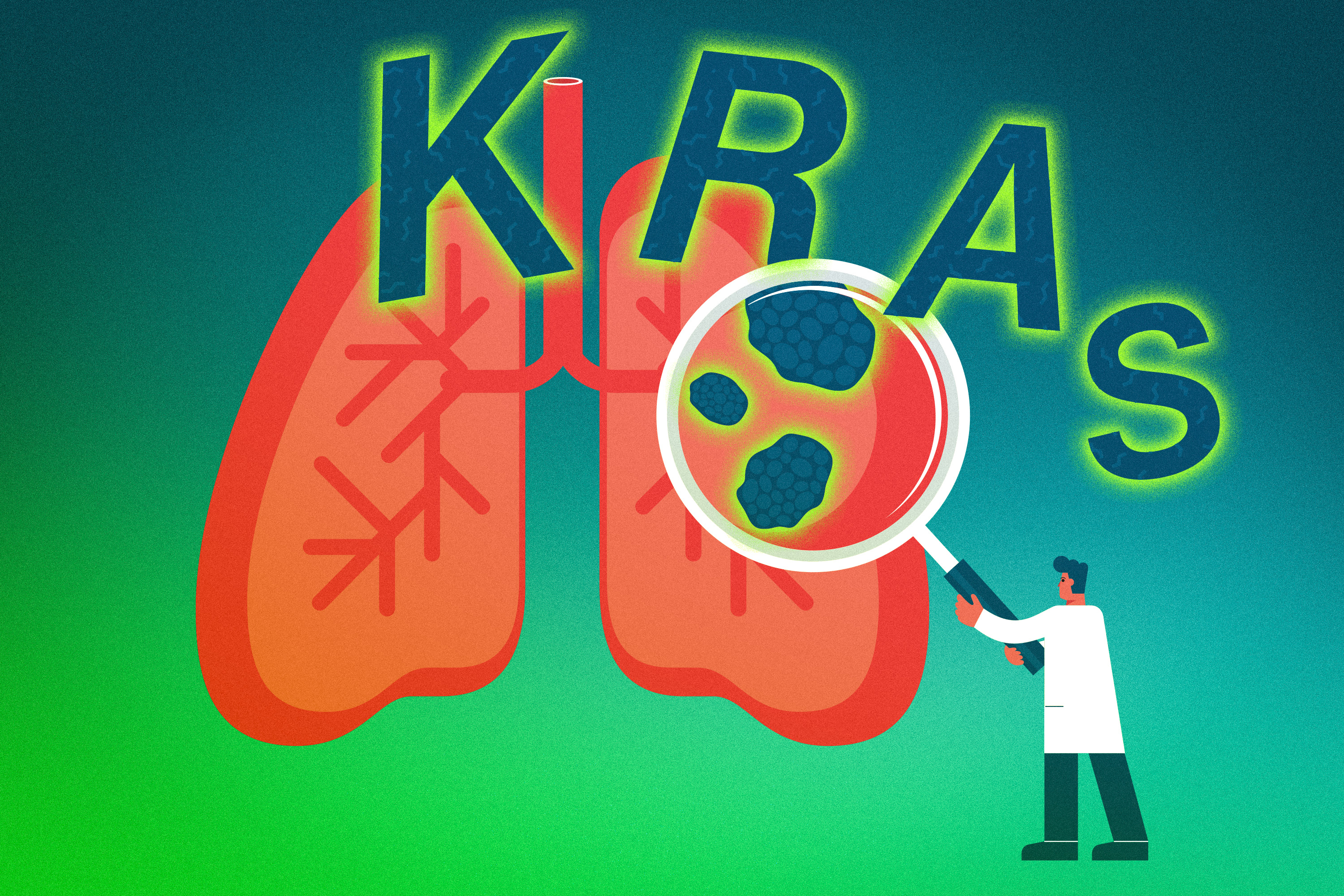
Lung cancers can use two different mechanisms to evade KRAS-inhibiting drugs (opens the original)
Some tumor cells develop resistance by amplifying the KRAS gene, while others change their tumor type, MIT researchers have found.
-
Can I still get a COVID vaccine? What you need to know about the latest updates
People at the highest risk of severe COVID will still be eligible for free vaccines. Others may have to pay.
-
Researchers push toward improved care for women with dangerous pregnancy condition (opens the original)
A research team led by an Oregon State University scientist has demonstrated in a mouse model a potentially better way of caring for women facing the life-threatening condition of ectopic pregnancy.
-
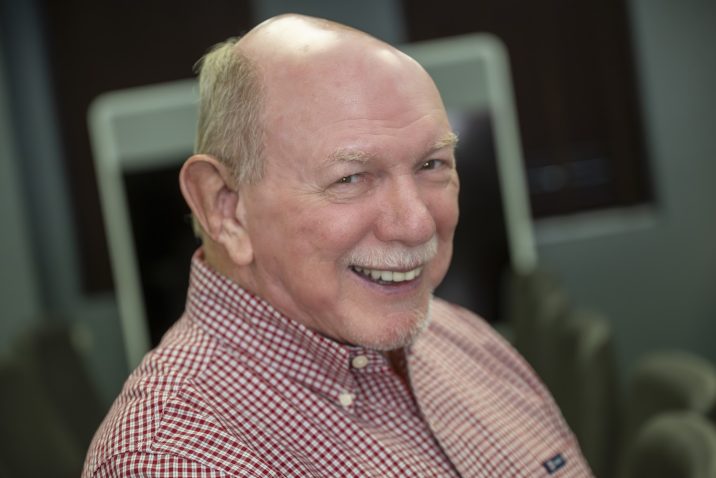
Cancer survivor on his prosthetic ear: 'They don't know unless I tell them' (opens the original)
"A really rewarding day is a day when I get happy tears because patients are so grateful," says Amanda Behr, PhD, a certified clinical anaplastologist at DCG.







Read: The Conversation, CORDIS, ESO, NASA, ScienceDaily and the newsroom feeds of 739 institutions. Last read: today. Each story's date is its publisher's. Where the news comes from, and what each source allows.