Science news
Recent stories from university newsrooms, The Conversation, CORDIS, observatories and ScienceDaily, each sorted into the fields, countries and institutions it is about, and each linked to the original publisher. Narrow them below by subject, country, institution, source, words or period. A signed-in reader can follow any filtered view and be told when a new story matches it.
683 stories match these filters.
-
New Scientific Tools Reveal One of Canada's Most Damaging Aquatic Invasive Species Has Been Here Much Longer than We Thought (opens the original)
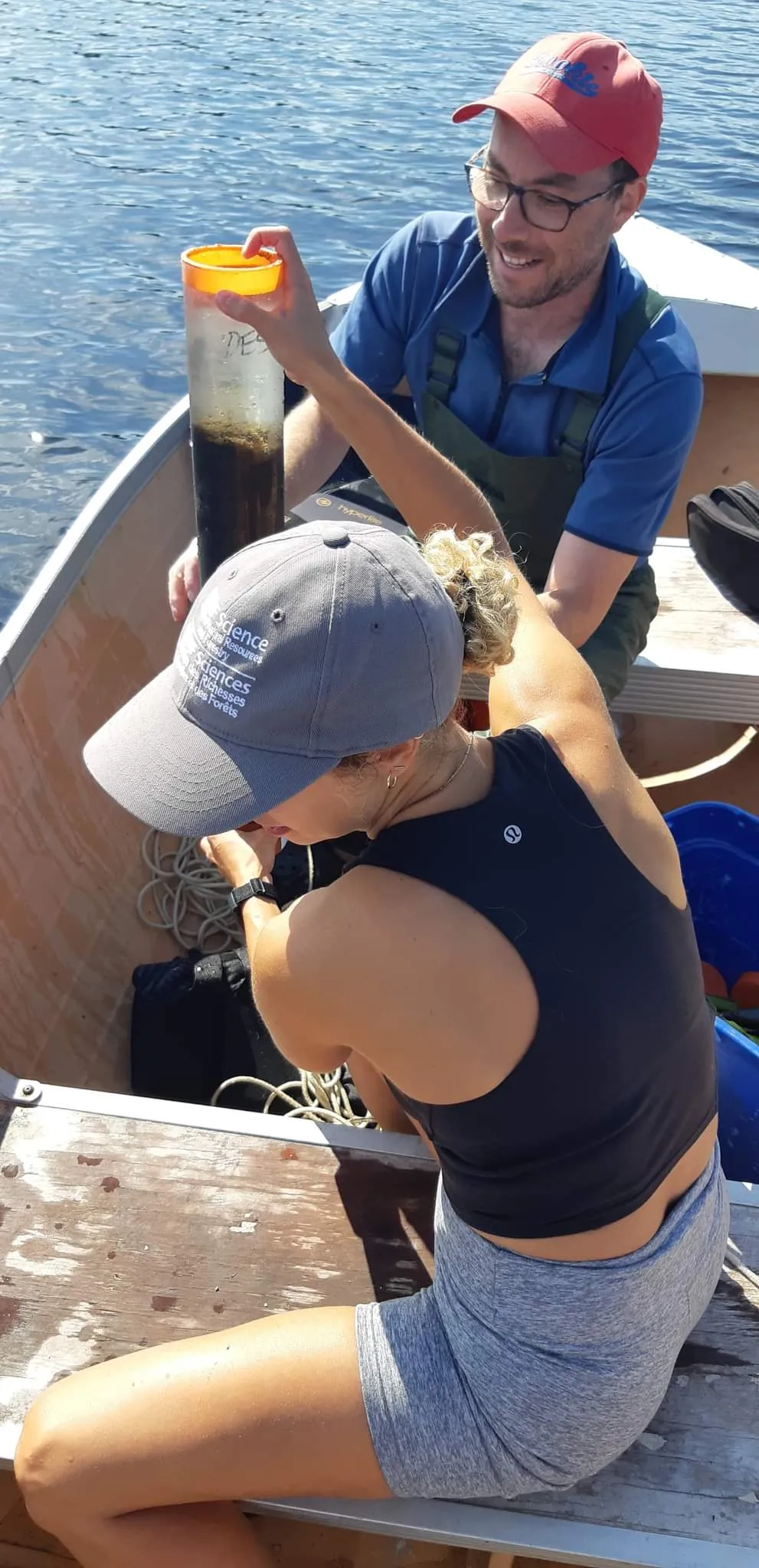
aparent2 Thu, 10/01/2026 - 13:49 October 1, 2026— In a new study, researchers use environmental DNA analysis and radiocarbon dating to rewrite the history of the spiny water flea, one of the…
-
Bacterial Immunity—or a Form of Sex? (opens the original)
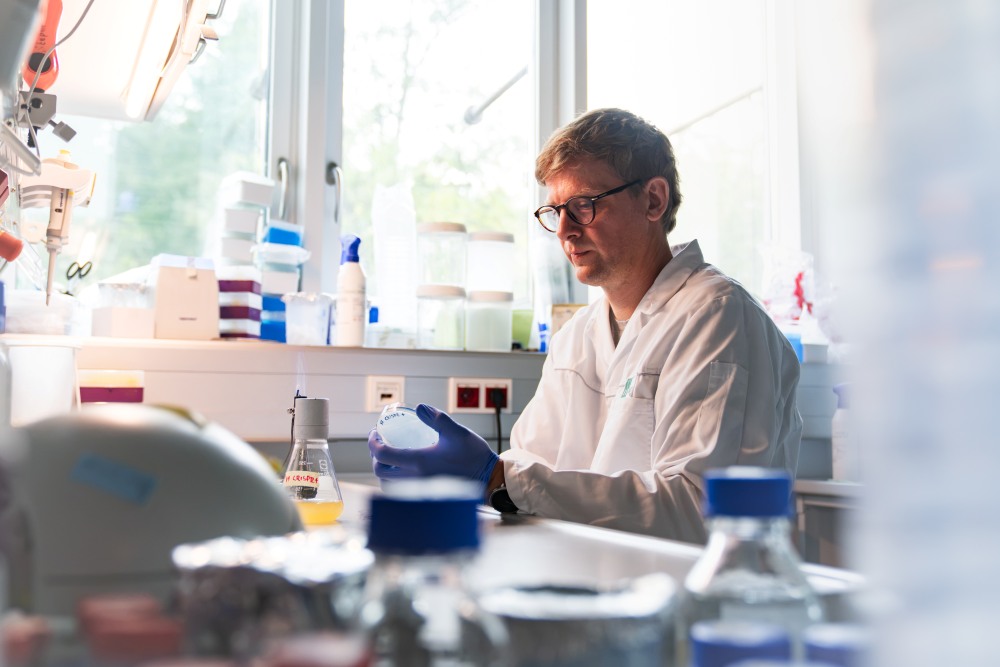
How do bacteria adapt when resources run low? ISTA researchers have found that, under starvation stress, E. coli can use bacteriophages and CRISPR-Cas immunity to transfer and incorporate DNA, accelerating genetic reshuffling. The process resembles a primitive form of sexual reproduction and may help bacterial…
-
GIFS research unlocks new camelina genome insights, creating new opportunities for producers and industry (opens the original)
New research from scientists with the Global Institute for Food Security (GIFS) at the University of Saskatchewan (USask) and Agriculture and Agri-Food Canada (AAFC) could help
-
Rediscovering native grasses reveals overlooked history in pastoral systems (opens the original)
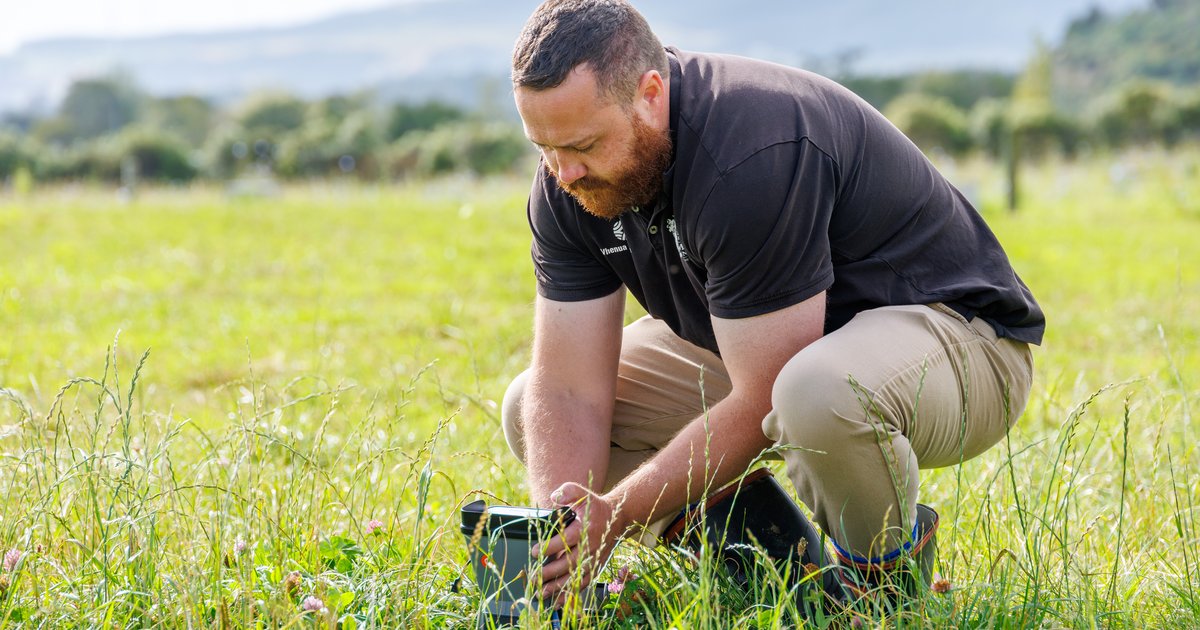
New research from the Whenua Haumanu programme is unearthing the historical role of indigenous grass species in farming systems, suggesting they may warrant renewed attention as agriculture responds to a changing climate.
-
A first in Germany: Charité successfully treats 19-year-old with CRISPR therapy (opens the original)
Mohammad, a 19-year-old with beta-thalassemia, is the first patient in Germany to be treated with the CRISPR-based drug Exagamglogene Autotemcel (Exa-cel) as part of standard medical care. He received the gene therapy in May at Charité – Universitätsmedizin Berlin in the presence of CRISPR discoverer and Nobel…
-
Cancer cells learn how not to die (opens the original)
-
SIU grad students receive $40k for agriculture research (opens the original)
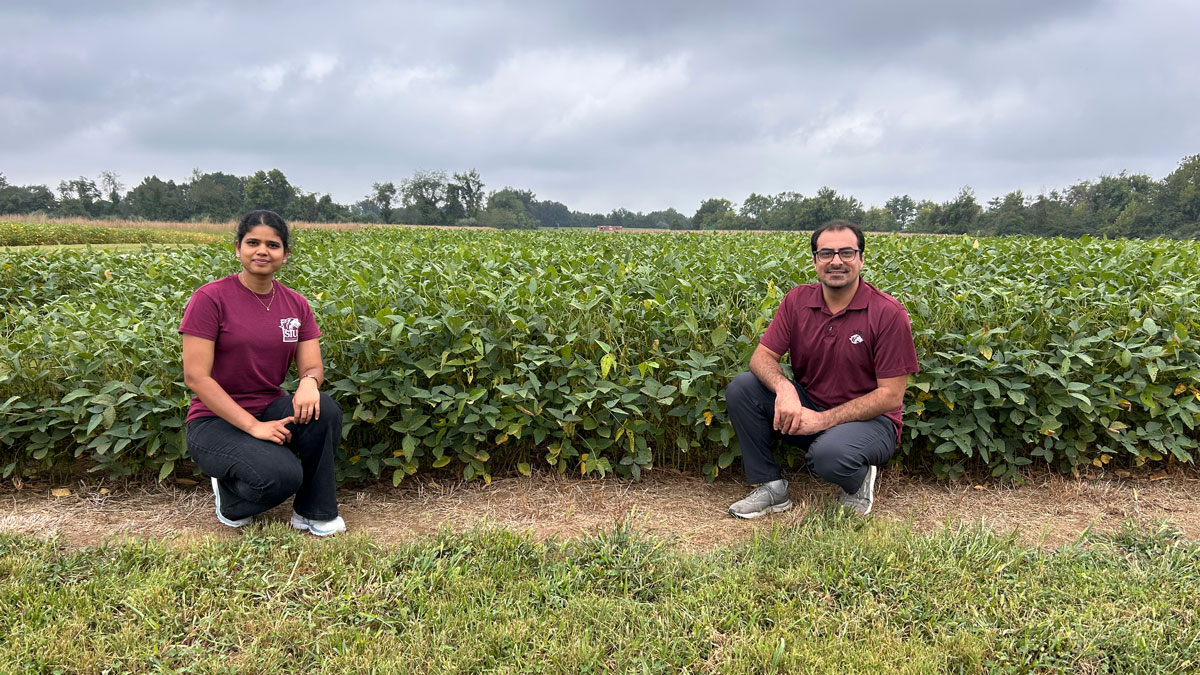
Two Southern Illinois University Carbondale graduate students received nearly $40,000 from the United States Department of Agriculture to support their research projects, surrounding the benefits of malting barley in double-crop soybean systems and efforts to utilize fertilizers more efficiently for winter wheat.
-
FORT Science in Action 2026, Part 16: Advances in science and monitoring tools for management of bats across the continent (opens the original)
This year marked another twelve months of progress for the North American Bat Monitoring Program (NABat). FORT researchers made discoveries about the effects of forest management and development on bats, documented what makes roost sites attractive to bats, and developed new models for bat population dynamics.
-
IMMCG researcher highlights neutrophils' 'chameleon' behavior in new review (opens the original)
"I see this review as establishing a roadmap for the next phase of neutrophil research," says Yanfang "Peipei" Zhu, PhD.
-
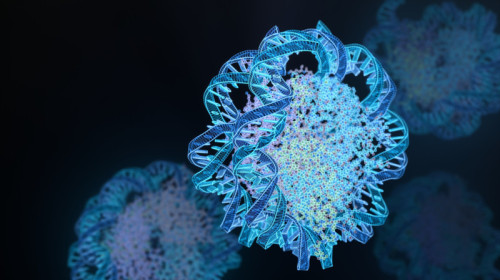
Protein key to cells’ gene regulation needs a chaperone to do its job (opens the original)
A protein that’s essential to every cell’s ability to turn off unnecessary genes is well known for its key function of compacting genes and its connection to cancer when it undergoes mutation. But until now, scientists weren’t quite sure how the protein gets where it needs to go to keep genes bound up so they aren’t…
-
Georgia State Biologist Awarded $2.17 Million Grant to Study Viruses That Kill Bacteria (opens the original)
The five-year grant will support research into how phages could eventually be used to treat bacterial infections, including those that no longer respond to antibiotics.
-
The end of endless summer: why cheap winter veg is under threat
Year-round tomatoes and asparagus depend on heated glasshouses, abundant sunlight and long-distance transport – all of which come with costs.
-
Dark kitchens are popping up everywhere, but what are they and why does it matter?
Delivery-only kitchens make up around 15% of outlets on major apps in England, yet only a quarter of surveyed consumers recognised the term.
-
【Web Magazine/Research】Research on Local Ingredients: Aiming to Uncover Health Benefits and Quantify Flavor (opens the original)
投稿 【Web Magazine/Research】Research on Local Ingredients: Aiming to Uncover Health Benefits and Quantify Flavor は NIIGATA UNIVERSITY に最初に表示されました。
-
As El Niño strengthens across the Pacific, Australian farmers could face fierce frosts
Papua New Guinea’s frost disaster suggests heat and drought aren’t the only symptoms of a changing climate.
-
Peter M. Ray, biologist with a passion for winemaking, has died at 94 (opens the original)
The beloved professor taught students about plant cell growth and terroir.
-
Why do some chimpanzee mothers carry their dead infants for months?
New research looks for patterns in this sad phenomenon.
-
Do calorie-restricted diets work? Or will I just re-gain the weight?
Diets like the Fast 800 or intermittent fasting have become popular ways to lose weight. But they’re not long-term solutions.
-
More land, better life? South African farming study asks if that’s the road to rural development
There is no single pathway from small-scale farming to improved livelihoods.



Read: The Conversation, CORDIS, ESO, NASA, ScienceDaily and the newsroom feeds of 751 institutions. Last read: today. Each story's date is its publisher's. Where the news comes from, and what each source allows.