Science news
Recent stories from university newsrooms, The Conversation, CORDIS, observatories and ScienceDaily, each sorted into the fields, countries and institutions it is about, and each linked to the original publisher. Narrow them below by subject, country, institution, source, words or period. A signed-in reader can follow any filtered view and be told when a new story matches it.
2,867 stories match these filters.
-
Ahead of the global climate summit, Pacific leaders call on nations to keep 1.5°C within reach
Pacific leaders are seeking support for regional climate-finance options that give communities better access and stronger input into global decision making.
-
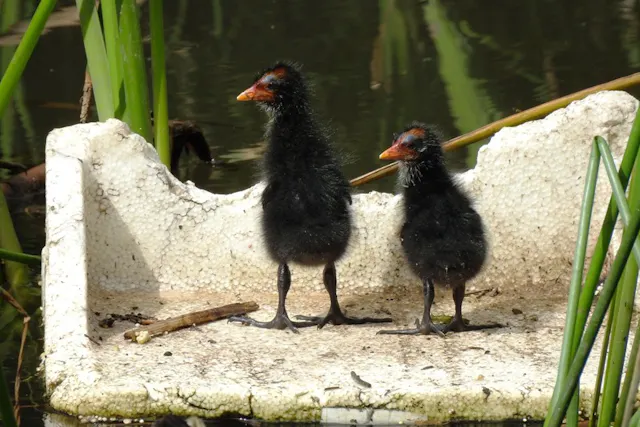
Birds are building nests with our rubbish. Can we offer them something better?
Birds are ingenious when it comes to foraging for nest materials, but in the Anthropocene, this often comes at a cost. Giving them better options is one solution.
Picture: Ursula Dutkiewicz for Federation University Australia's Litter Bird-En project, CC BY-NC
-
Australia’s proposed laws could help regulate privacy risks from chatbots – if we get the details right
Big AI companies may already know much more about you than you’re comfortable with, even if you’ve never used their services.
-
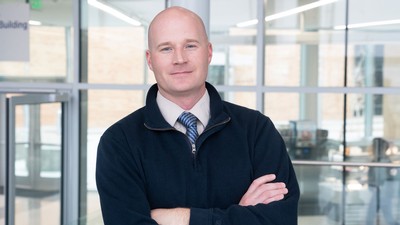
Jake Powell Announced as Associate Director of USU's Institute for Land, Water, & Air (opens the original)
LOGAN, Utah — Jake Powell will join the Janet Quinney Lawson Institute for Land, Water, and Air at Utah State University as associate director on Oct. 1, where he will lead the institute’s research and programs. Powell comes to the institute from the Department of Landscape Architecture & Environmental Planning in…
-
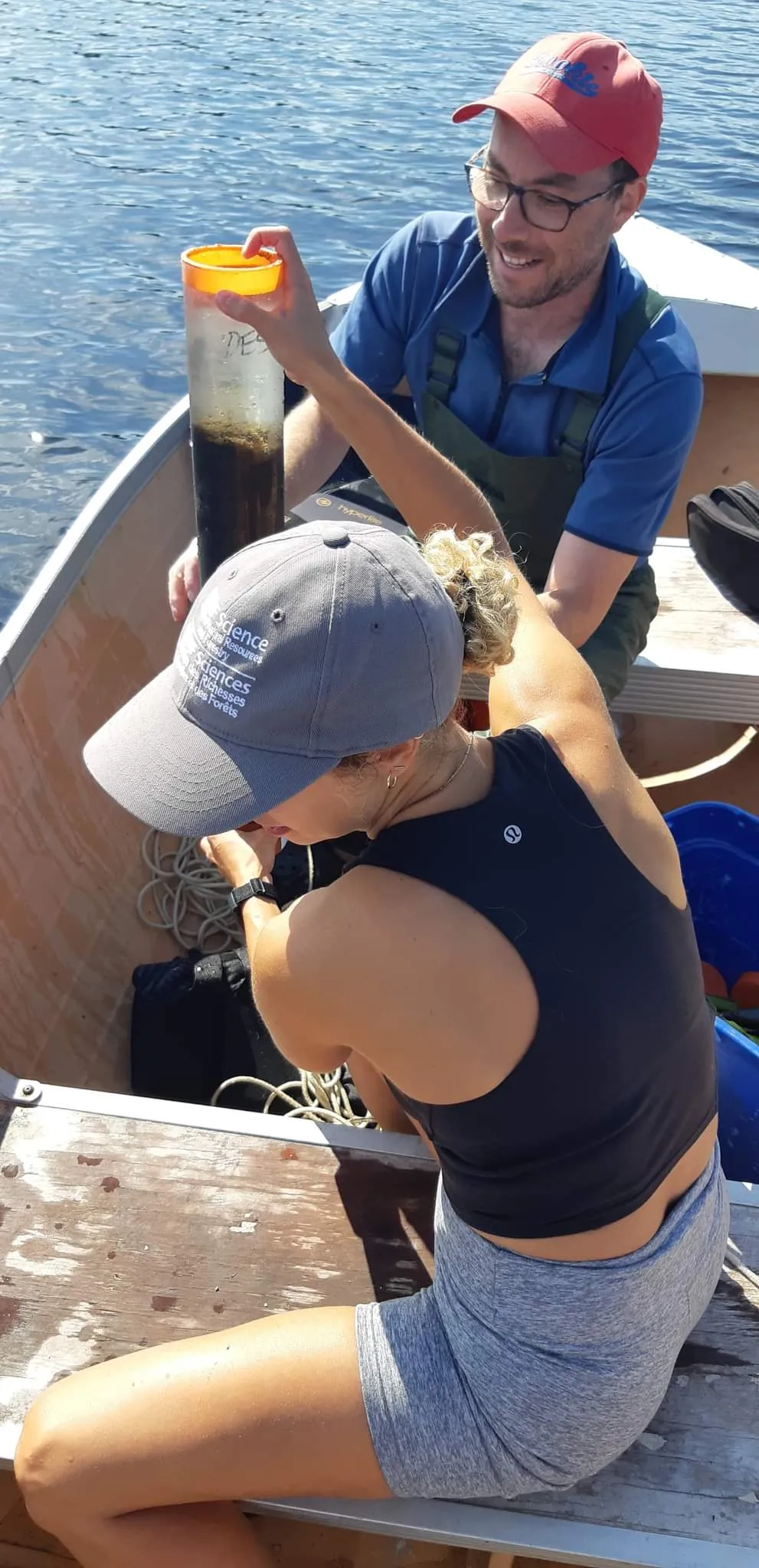
New Scientific Tools Reveal One of Canada's Most Damaging Aquatic Invasive Species Has Been Here Much Longer than We Thought (opens the original)
aparent2 Thu, 10/01/2026 - 13:49 October 1, 2026— In a new study, researchers use environmental DNA analysis and radiocarbon dating to rewrite the history of the spiny water flea, one of the…
-
New material developed at Oregon State provides boost to carbon capture technologies (opens the original)
Oregon State University scientists have filed a patent application for a new carbon capture material that turns water in factory flue emissions from a problem into an advantage.
-
Former Caltech Postdoc Commands NASA Mission to the International Space Station (opens the original)
This morning, NASA's SpaceX Crew-13 mission successfully launched to the International Space Station, commanded by NASA astronaut and former Caltech postdoc Jessica Watkins. The crew of four astronauts will perform research, technology demonstrations, and maintenance. This is the second flight to the space station…
-
Mechanical engineer Bolin Liao to develop platform for imaging and controlling quantum interactions with 2D materials (opens the original)
With support from the Gordon and Betty Moore Foundation, UCSB mechanical engineering professor Bolin Liao aims to build a platform for studying materials with new and promising electronic properties
-
Wake Forest-CINCIA researchers brief pope on Amazon mercury pollution (opens the original)
Scientists from across the Amazon have delivered to Pope Leo XIV a briefing on mercury pollution in the region—documents that include the findings from decades of research at the Center for Amazonian Scientific Innovation (CINCIA), established in partnership with Wake Forest University’s Sabin Center for Environment…
-
How deep do AI relationships really go? An expert in attachment theory explains
Can AI-human connections ever meet the psychological criteria of attachment – the relationships that hold people’s lives together?
-
Bike-sharing programs can help cities reduce emissions and congestion
The environmental value of bike sharing depends partly on how often bikes are used to replace trips that would otherwise have been made by car.
Picture: (Unsplash)
-
How the new Great British Grid could help households benefit from abundant and cheap renewable power
As Britain builds more renewable energy, it will need to get better at encouraging people to use electricity when it’s plentiful.
-
Quantum internet prototype takes shape in Innsbruck (opens the original)
The University of Innsbruck will link together trapped-ion quantum processors across hundreds of kilometers of optical fiber within a prototype for a future quantum internet. To this end, Innsbruck quantum researchers are receiving a total of €5.4 million from the EU. The project is being carried out by…
-
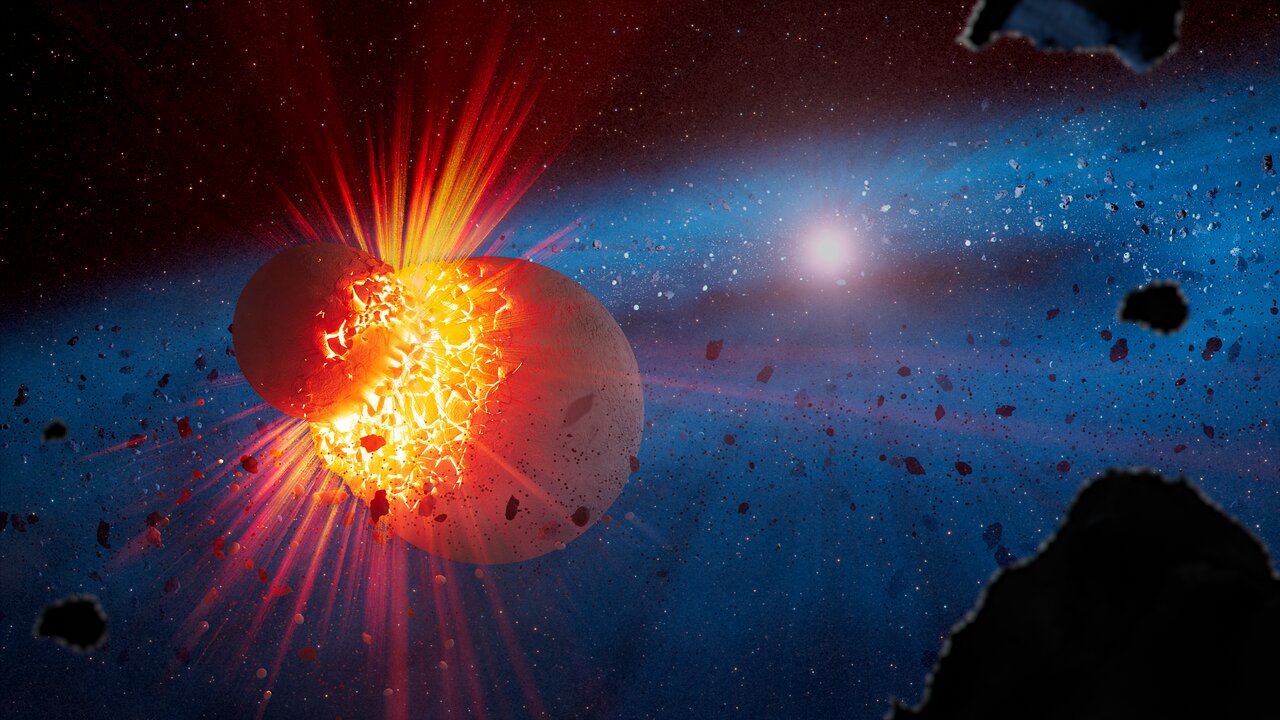
Science Release: Webb provides crash course on planet-shattering collisions (opens the original)
In the early history of our Solar System, a Mars-sized object called Theia smashed into the infant Earth, vapourising massive amounts of rock and blasting it into space. Some of that material coalesced into the Moon. Astronomers have now used the NASA/ESA/CSA James Webb Space Telescope to examine a class of young…
-
One Film, Two Effects (opens the original)
Researchers at TU Chemnitz have developed a flexible nanocomposite film that can both generate electrical energy and measure pressure.
-
Made in China AI: new tech, same old story?
History could repeat itself if China turns AI into an abundant, commodity-driven industry. Should we be worried about AI’s new land of plenty?
-
Claude Gros has been awarded the ‘Established Researcher’ prize by the French Chemical Society, Coordination Chemistry Division (opens the original)
Professor of Organic Chemistry at the Université Bourgogne Europe (UBE, Faculty of Health Sciences) and researcher at the Institute of Molecular Chemistry at the University of Burgundy (ICMUB – UMR CNRS 6302), Claude Gros is the 2026 recipient of the ‘Established Researcher’ award from the Coordination Chemistry…
-
Anthropocene: rejection revisited (opens the original)
Researchers at the Max Planck Institute of Geoanthropology criticise how the decision to reject the Anthropocene as a geological epoch was reached and call for an independent review
-
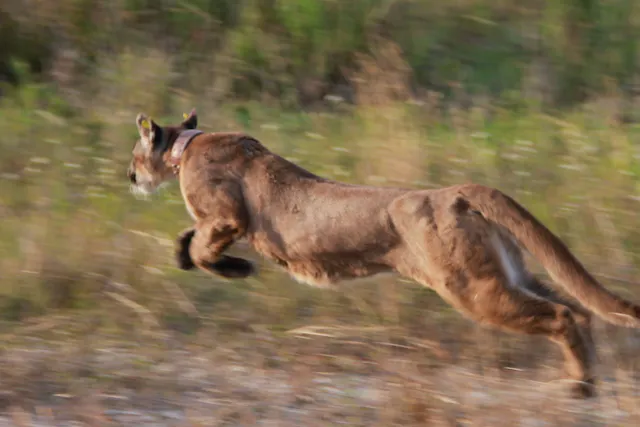
3 iconic animals show the value of the US Endangered Species Act – and the harm in stripping it away
The stories of a whale, a panther and a butterfly help explain why new interpretations of the Endangered Species Act could be catastrophic for species’ survival.
Picture: Mark Cunningham/Florida Fish and Wildlife Conservation Commission, CC BY-SA
-
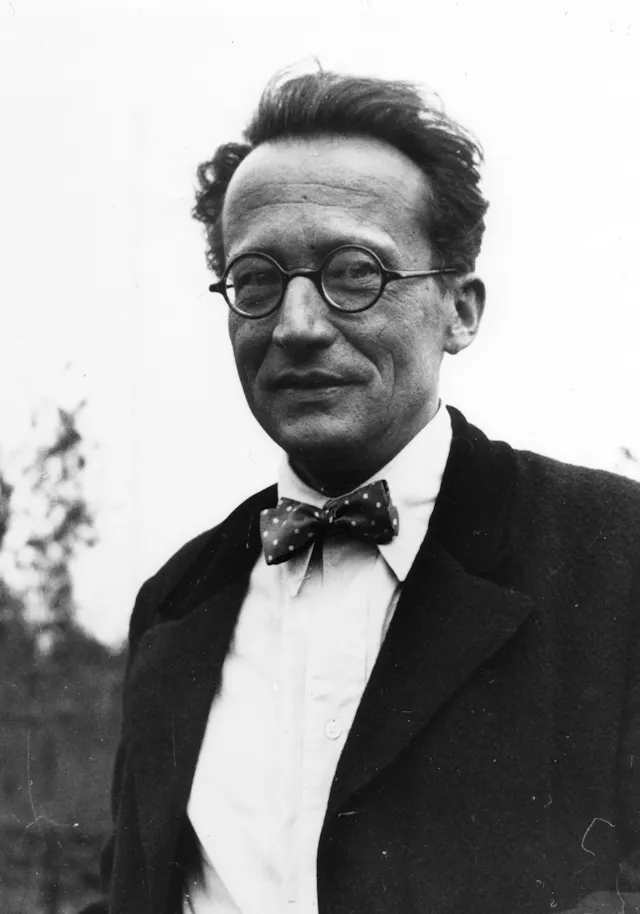
100 years ago, Schrödinger’s equation shed light on quantum physics – scientists use it today to fine-tune chemical reactions
A 100-year-old equation helps scientists build solar cells, develop biofuels and even study quantum computers.








Read: The Conversation, CORDIS, ESO, NASA, ScienceDaily and the newsroom feeds of 739 institutions. Last read: today. Each story's date is its publisher's. Where the news comes from, and what each source allows.