Science news
Recent stories from university newsrooms, The Conversation, CORDIS, observatories and ScienceDaily, each sorted into the fields, countries and institutions it is about, and each linked to the original publisher. Narrow them below by subject, country, institution, source, words or period. A signed-in reader can follow any filtered view and be told when a new story matches it.
683 stories match these filters.
-
Slow down, reminisce if it feels right: practical tips for talking to people with dementia
The basics are the same: be respectful and don’t make assumptions. But these practical tips can make conversations more meaningful and less distressing.
-
Unusual senses: the secret superpowers of amphibians and reptiles
Sometimes, the most extraordinary things in nature are the things we cannot see.
-
Could Vagus Nerve Stimulation Help Repair Myelin and Improve Function in Multiple Sclerosis? (opens the original)
Intrigued by the recent success of vagus nerve stimulation (VNS) in stroke rehabilitation, neuroscientist Cristin Welle, PhD, wondered: If electrical bursts sparked brain cell regeneration in stroke patients, could it promote myelin regrowth in (MS) patients?
-
How pond algae led to a Nobel prize and a new way to study the brain
Karl Deisseroth, Peter Hegemann and Georg Nagel won for optogenetics, a technique that uses light to switch brain cells on and off.
-
Measures to tackle droughts (opens the original)
To counter drought, there are several measures that can be taken to adapt water use and conserve it more effectively. From research to groundwater monitoring, take a look below at an infographic from BRGM mag No. 3 entitled ‘Coping with Droughts’.
-
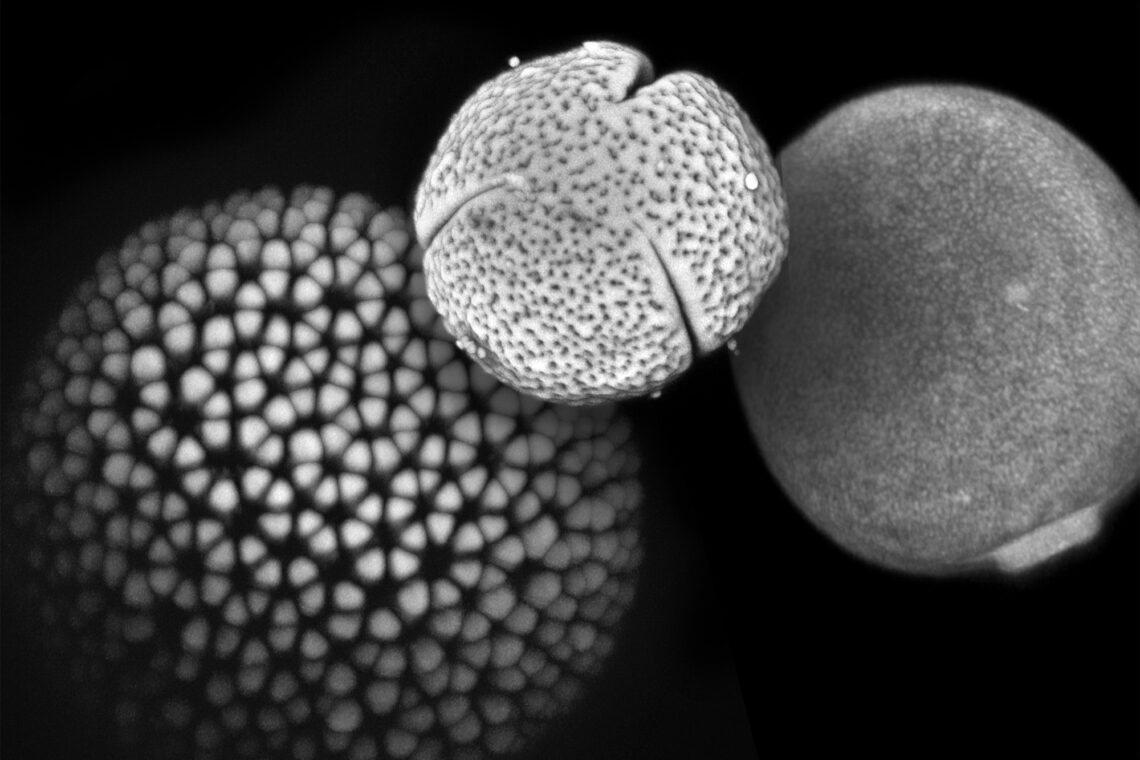
Pollen study reveals the hidden history of grasses (opens the original)
A new approach allowed scientists to trace the changes in grass abundance and diversity in one site over a period of 25,000 years.
-
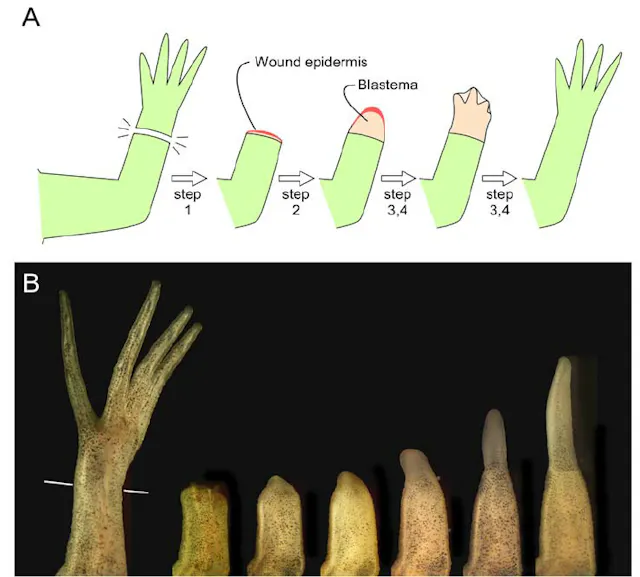
Why can’t people regenerate limbs like salamanders?
Understanding how certain animals can regenerate entire organs and limbs could help heal injuries in people.
- University of Wisconsin–Madison
- United States
- Agricultural and Biological Sciences
- Biochemistry, Genetics and Molecular Biology
Picture: Suzuki et al/The Scientific World Journal, CC BY-SA
-
Rat sperm freezing without the egg yolk (opens the original)
Researchers 研究者名 Kohtaro Morita Researchmap 研究者名 Asano, Masahide Activity Database on Education and Research Overview Kyoto, Japan -- Fertility treatments are becoming more and more advanced, including with cryopreservation, or the freezing of eggs and sperm. However, studies involving animal sperm often use a…
-
Detecting Forever Chemicals—With Yeast and AI (opens the original)
Columbia and City College scientists are creating PFAS sensors with engineered yeast and AI-designed proteins to detect “forever chemicals” in tap water and aid in their removal.
-
Eat well to age better at a biological level – new research
What matters most when it comes to healthy ageing is overall diet quality maintained consistently over time.
-
Making the most of city life for older people: 3 debunked mobility myths
Growing older does not mean disappearing from public life. It can mean continuing to live fully, in a different way, and feeling in control of our mobility.
-
Here’s how scientists aim to speed up drug development for treating new viruses
Generating up to 100 times more antiviral drug candidates than was previously practical — in weeks rather than months or years — could improve the odds of finding a drug quickly when necessary.
-
Metabolite-Inspired Compounds Show Promise for Ulcerative Colitis Drug Discovery, Study Finds (opens the original)
Two structurally modified compounds derived from an anti-inflammatory metabolite demonstrated enhanced anti-inflammatory activity in experimental ulcerative colitis in mice and human tissue, offering an underexplored drug discovery opportunity for this chronic inflammatory disease, according to a study led by…
-
Hatching a new breed of medicines (opens the original)
Inside the Rockefeller incubator where startup Neion Bio is turning common poultry into high-quality protein factories.
-
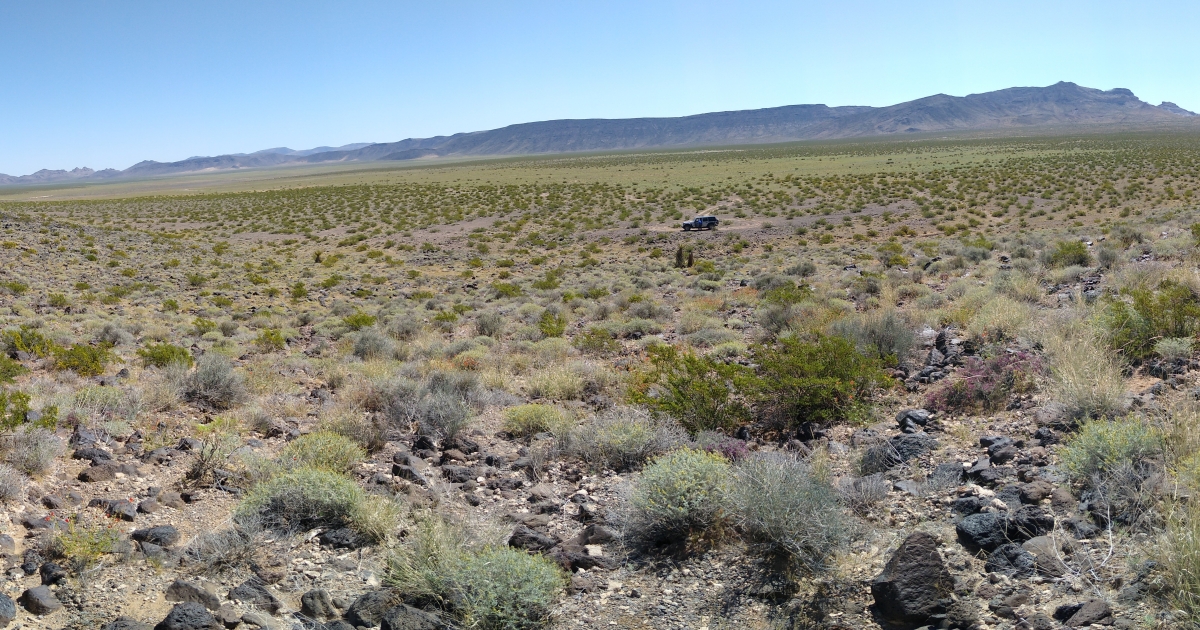
A Promising Discovery for Mojave Poppy Bees (opens the original)
For years, biologists were concerned about the Mojave poppy bee, a solitary, floral-specialist species, found only in a range that is narrower than that of its host plants. Survey teams have discovered six previously unknown population groups scattered across the bee's historical range, a dramatic
-
What space travel teaches us about sleep and circadian rhythms
What happens to astronauts’ circadian rhythms when the Sun no longer provides a reliable schedule?
-
New survey measures nutrient levels across beef products (opens the original)
A nutritional survey of beef by the Quadram Institute finds lower levels of certain vitamins, but increases in other minerals and that beef is still a good source of many key macronutrients and micronutrients
-
Lab-grown ‘mini-bladder’ helps explain why urinary tract infections keep coming back
New research suggests some UTI-causing bacteria can survive antibiotics deep in bladder tissue, helping explain why infections sometimes return.
-
Are right-brained people really more creative? Here’s what the science really tells us
Here’s what more than 150 years of science really tells us about being left-brained vs right-brained.





Read: The Conversation, CORDIS, ESO, NASA, ScienceDaily and the newsroom feeds of 751 institutions. Last read: today. Each story's date is its publisher's. Where the news comes from, and what each source allows.