Science news
Recent stories from university newsrooms, The Conversation, CORDIS, observatories and ScienceDaily, each sorted into the fields, countries and institutions it is about, and each linked to the original publisher. Narrow them below by subject, country, institution, source, words or period. A signed-in reader can follow any filtered view and be told when a new story matches it.
2,867 stories match these filters.
-
Author Journey : Publish Open Access with Confidence (opens the original)
Anna Woźniczka Tue, 10/06/2026 - 11:27 Author Journey : Publish Open Access with Confidence Place for a image Category: field_event_category Type: field_event_type Summary Are you ready to publish your research open access through your institution’s Read and…
-
UniKL, UNPAK and BRIN explore turning wireless signals into usable energy (opens the original)
Universiti Kuala Lumpur (UniKL) is expanding its international research footprint through a Malaysia–Indonesia collaboration exploring how everyday wireless signals could be converted into usable electrical energy. From 3 to 7 August 2026, researchers from UniKL British Malaysian Institute (UniKL BMI) worked with…
-
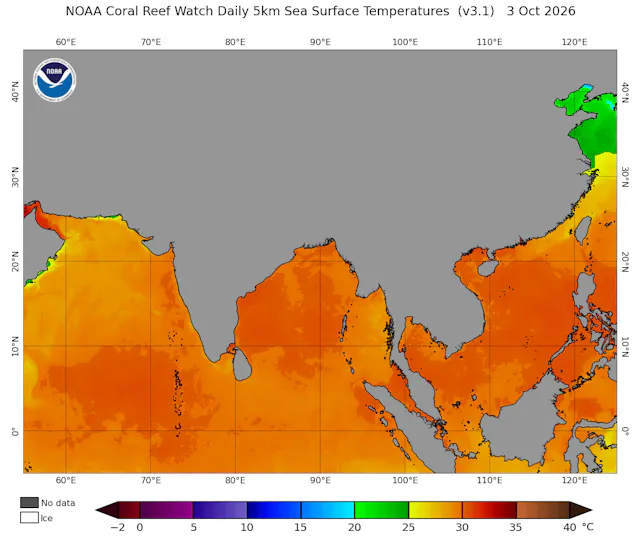
As the planet warms, cities like Bangkok could be increasingly inundated by deadly floods
Thai authorities have declared a city-wide disaster zone following the deaths of at least 31 people.
Picture: NOAA Coral Reef Watch
-
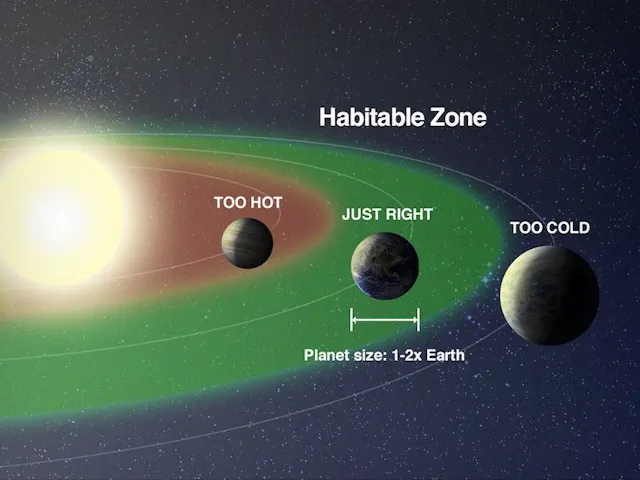
Where are the best places for life in the cosmos? A universe in a supercomputer yields the answer
Turns out the Milky Way is as good as it gets.
Picture: NASA
-
The Launch of the Nancy Grace Roman Space Telescope (opens the original)
Two Duke physics professors help shape the future of cosmology research
-
Cheap Chinese EVs could soon shake up NZ’s used car market. Are we ready?
Chinese EVs are approaching the price of older used petrol vehicles. That could disrupt a whole support industry, from gas stations to mechanics and dealers.
-
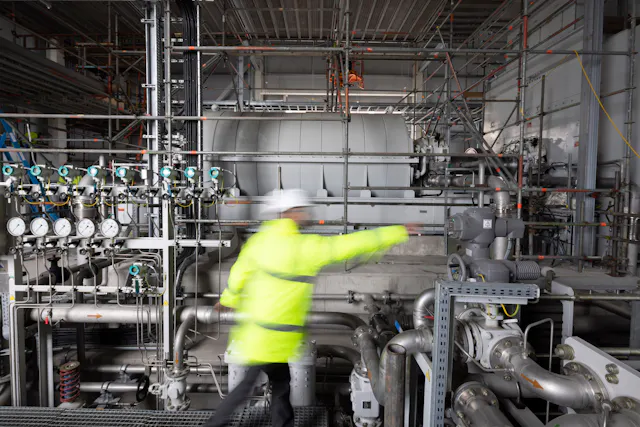
You’ve probably never heard of synchronous condensers. But they’re essential in the push for renewables
As ageing coal plants head for retirement, authorities are turning to a century-old technology to stabilise the grid.
Picture: Siemens, CC BY-NC-ND
-
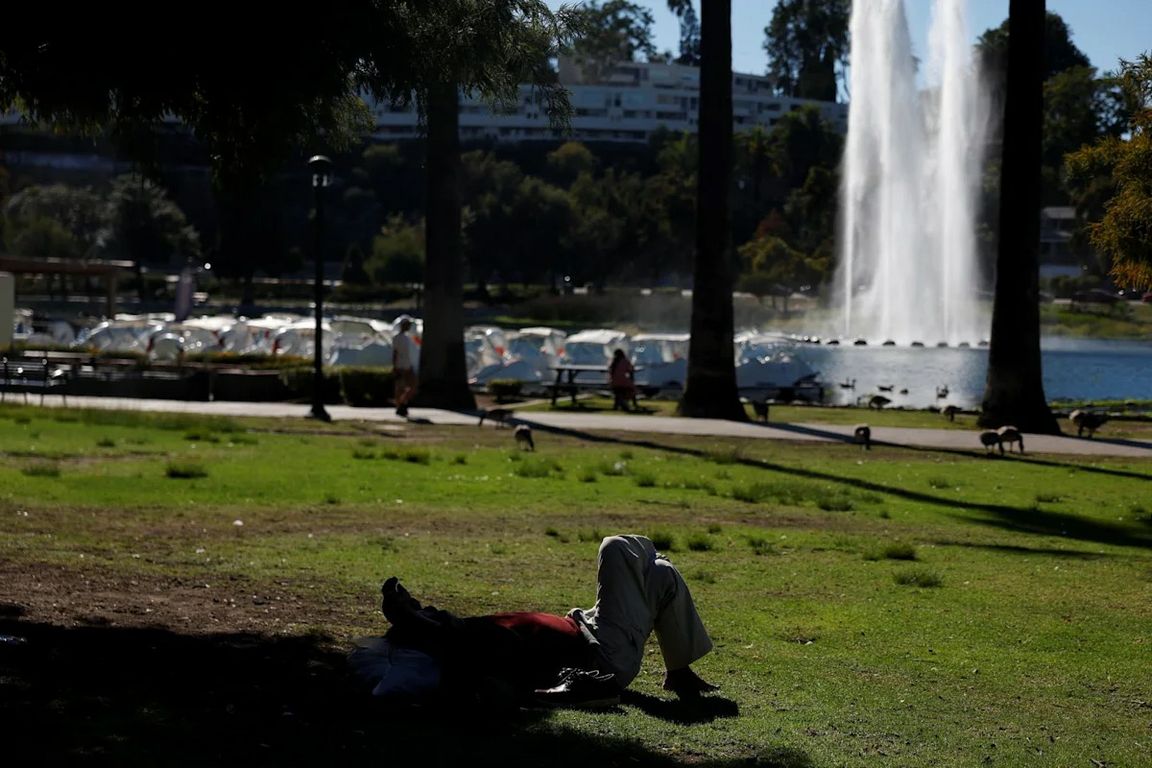
Southern California swelters as late-season heat wave smothers region — and more UCLA media (opens the original)
The Guardian reported on Southern California’s unusually severe fall heat wave, with temperatures running well above historical averages. UCLA professor V. Kelly Turner said Friday’s heat was nearly 7 degrees hotter than the previous record for Oct. 2, while UCLA atmospheric physicist David Neelin said that although…
-
Africa’s rhinos often get the spotlight – but Indonesia’s two rhino species are far closer to extinction
The latest State of the Rhino report reveals the urgent plight of the Javan and Sumatran rhino populations.
-
‘1.5°C to stay alive’: Pacific countries demand the world makes good on climate promises
There’s a strong desire for this Pacific meeting to spur the global summit to action.
-
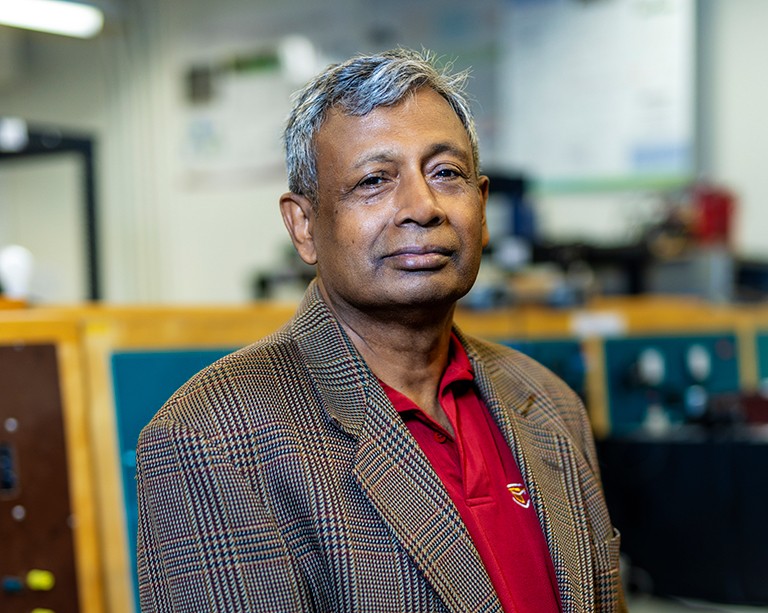
Concordia professor Pragasen Pillay wins 2027 IEEE Nikola Tesla Award (opens the original)
The electrical engineering researcher is recognized for his contributions to electric machines across industrial, transportation and renewable energy applications
-
Utah Survey Uncovers Why Residents Oppose New Data Centers (opens the original)
LOGAN — A new Utah State University statewide survey examines Utah residents’ views on data centers. The results indicate that 75.8% of respondents oppose or strongly oppose building new or additional data centers in Utah. The survey offers insights about what drives this opposition. The findings appear in the first…
-
Can scientists build a lie detector for AI chatbots? (opens the original)
Northeastern professor David Bau is studying how to make AI more interpretable and developing tools to make it easier to tell when it lies.
-
Energy Department Announces $4.2 Billion Investment to Boost Nuclear Power and Help Lower Energy Costs in Pennsylvania and Ohio (opens the original)
Today’s announcement will deliver more reliable American energy, strengthen the grid, lower costs, and meet growing power demand across the 13-state PJM Interconnection, L.L.C. region.
-
Large-scale marine debris: 4 ways to clean up the big stuff (opens the original)
How do you address oversized pollution in the ocean and Great Lakes? A freediver from the Papahānaumokuākea Marine Debris Project works to carefully remove a ghost net from the reef at Kamokuokamohoali‘i (Maro Reef) in Hawaii. (Image credit: Andrew…
-
Rhinos and elephants can cause huge problems if reintroduced badly – here’s how to get it right
Large animals such as rhino and elephant need to be moved carefully, if they are relocated to a new reserve.
-
Science Release: Suspected second-generation planet solves Hubble cold case (opens the original)
For more than a quarter century, unidentified chemical signatures from a white dwarf star have laid dormant in the archive of the NASA/ESA Hubble Space Telescope, until diligent sleuthing by a young astronomer revealed something extraordinary: high amounts of the element niobium, and other unusual chemical…
-
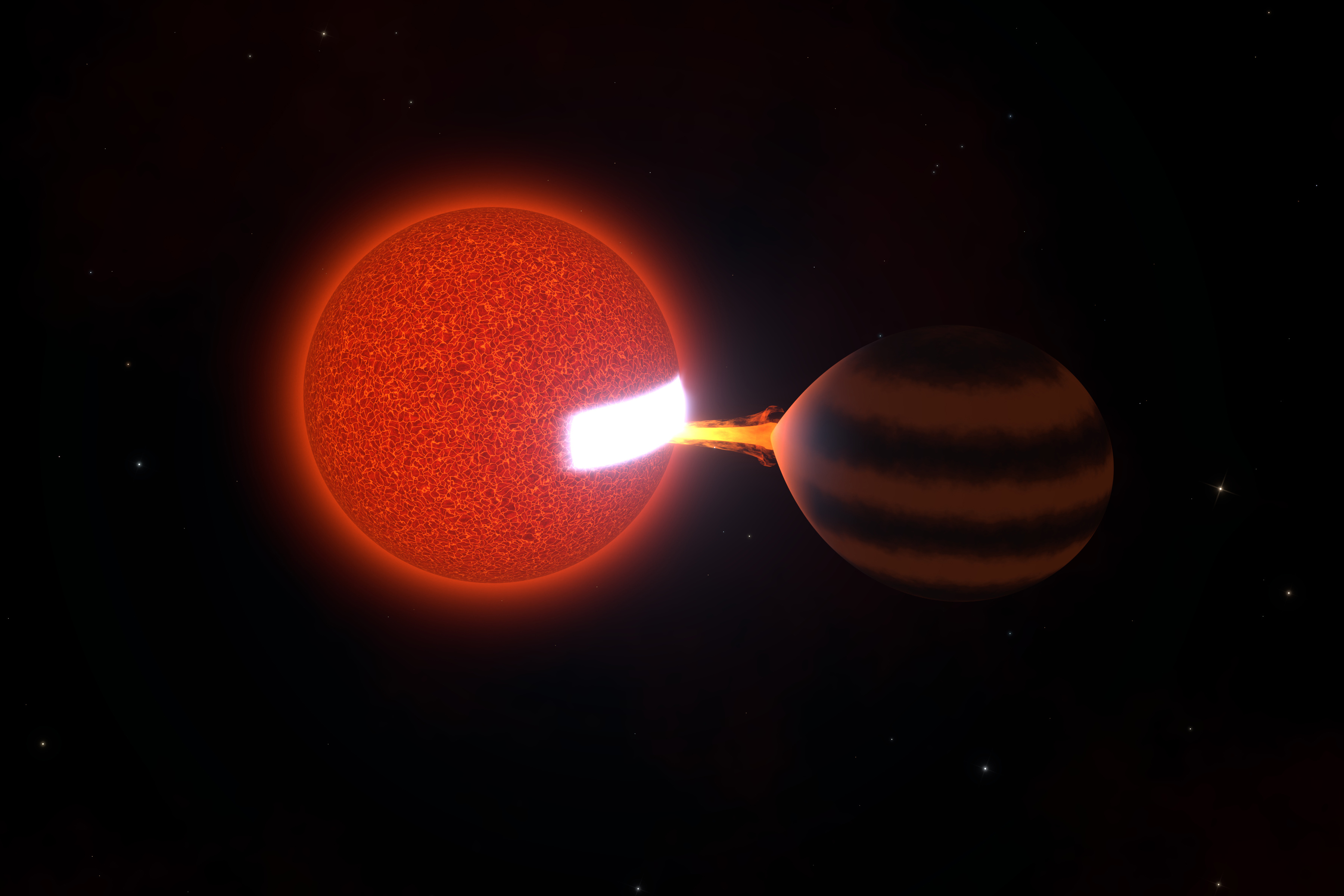
Astronomers catch a star slowly snacking on a brown dwarf, 300 light years away (opens the original)
The discovery reveals a new way that stars and planetary companions can interact.
-
Why some Indigenous communities don’t resist oil extraction in their territories
In the Ecuadorian Amazon, oil extraction reaches communities already facing environmental pressures, pressing needs and aspirations for a better life.
-
How will humans of the future be augmented? Six striking ideas from science fiction
From expanded vision to immortal bodies, these screen depictions have all stretched our understanding of what technology could do to humans.








Read: The Conversation, CORDIS, ESO, NASA, ScienceDaily and the newsroom feeds of 739 institutions. Last read: today. Each story's date is its publisher's. Where the news comes from, and what each source allows.