Science news
Recent stories from university newsrooms, The Conversation, CORDIS, observatories and ScienceDaily, each sorted into the fields, countries and institutions it is about, and each linked to the original publisher. Narrow them below by subject, country, institution, source, words or period. A signed-in reader can follow any filtered view and be told when a new story matches it.
12,132 stories stored from the last six months.
-
Circulating DNA pioneer wins early detection Impact Award (opens the original)
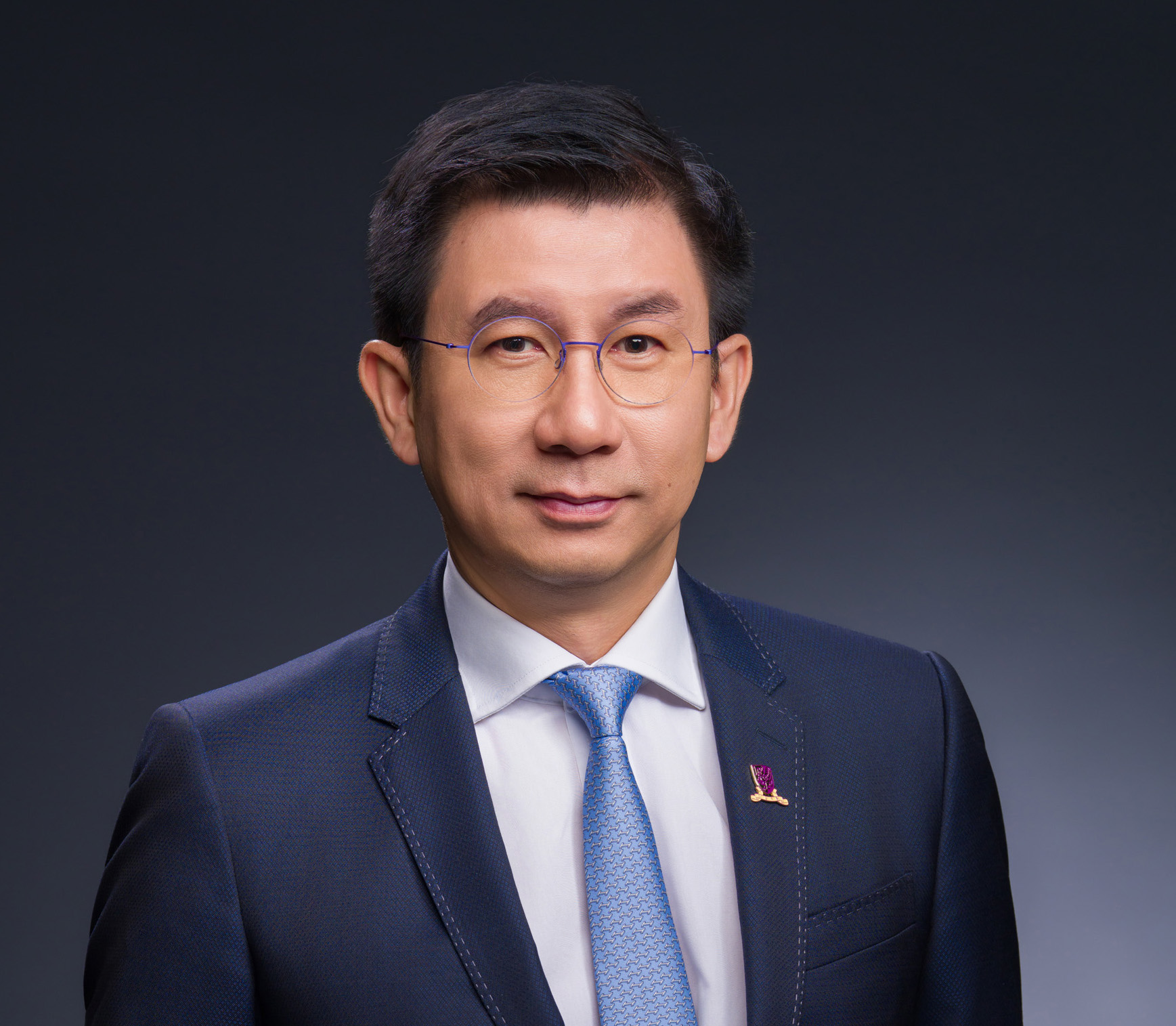
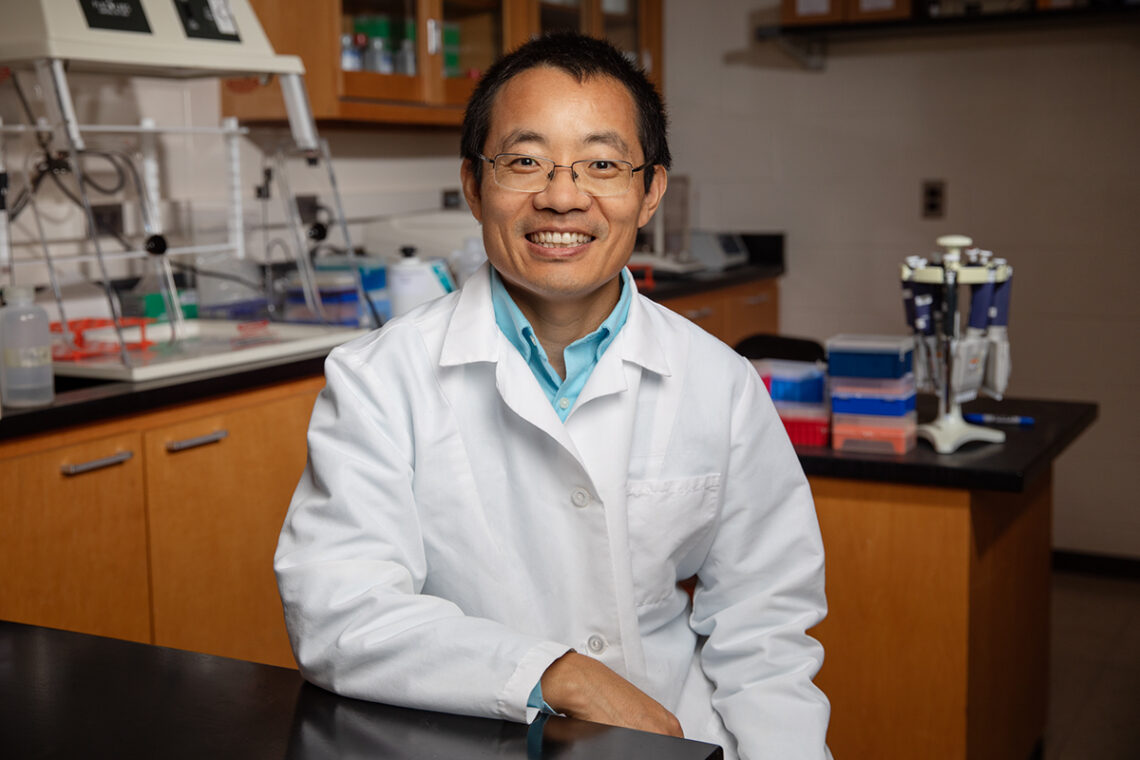
Fresh from his Impact Award announced at the Early Detection of Cancer Conference in Edinburgh, we chat to Professor Allen Chan
-
New grant boosts research aimed at ‘locking’ HIV (opens the original)
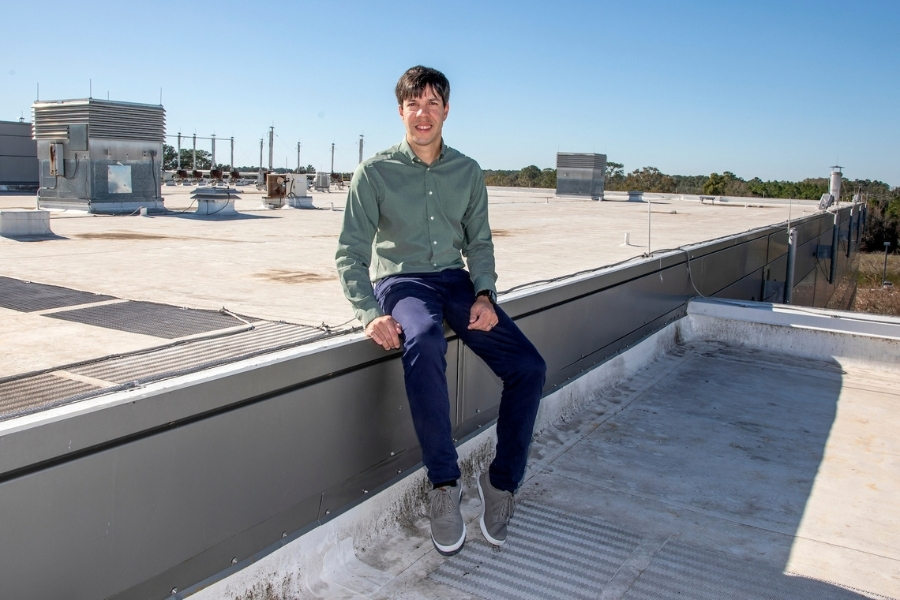
JUPITER, Fla. — A promising strategy to create a “functional cure” for HIV infection by locking the virus in its dormant “off” state has garnered a $3.4
-
Pink Patch Project–Sticker Edition: Going Pink for Breast Cancer Awareness (opens the original)
Dear Adelphi Community, The Public Safety Patch Project – Sticker Edition supports meaningful causes year-round, raises money for diverse groups and organizations at Adelphi and creates opportunities for engagement, conversation and learning. Our stickers continue to be a hit; thank you for your continued support!…
-
Stony Brook Researchers Lead NSF-Funded AI Collaboration to Reveal Hidden Controls on Urban Flooding (opens the original)
A project led by Stony Brook researchers will combine AI with physics-based flood modeling to better understand the hidden influences on urban flooding. The post Stony Brook Researchers Lead NSF-Funded AI Collaboration to Reveal Hidden Controls on Urban Flooding first appeared on SBU News.
-
Clarkson University Science Café Series Returns to Potsdam This Fall (opens the original)
Clarkson University’s Science Café series returns to downtown Potsdam this fall, bringing researchers and community members together for informal conv
-
Tarantulas, trafficking and tourism: Exploring the illicit wildlife trade (opens the original)
In this episode of The Audit, CSU researchers use Colorado's tarantula 'mate-gration' to examine how to break the the illegal wildlife trade's supply chain.
-
Remittances can help African countries adapt to climate change
Governments and international organizations should develop policy that incorporates remittances into how we respond to climate change.
-
146 years old, and still fighting on (opens the original)
STORY AND VIDEO: From a modest start, the university on Oct. 6 marks its 145th birthday as one of the nation’s leading research institutions.
-
Like Pearls in the Sky (opens the original)
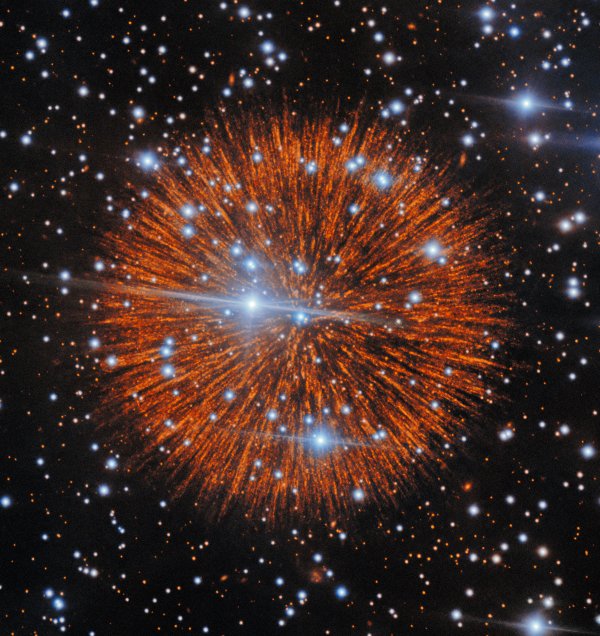
The only known supernova remnant of its kind in the Milky Way has an unexpectedly intricate structure: chains of gas knots resembling pearls on a string, each wide enough to fit the solar system multiple times. Using the Gemini North telescope, an international team co-led by Ilaria Caiazzo, assistant professor at…
-
UCF Honors 8 Trailblazing Faculty With 2026 Luminary Awards (opens the original)
The honorees are advancing discovery across fields ranging from transportation safety and quantum science to tourism, disaster resilience and emerging technology.
-
How AI could help predict and explain water levels in the Great Lakes
Water levels in the Great Lakes swing from one extreme to the other. An analysis using artificial intelligence reveals how (and why) weather causes them to fluctuate.
-
FAMU-FSU College of Engineering researchers develop wave-shaped wall and roof designs that protect against hurricane-force winds (opens the original)
Florida State University faculty are helping build stronger structures by examining how wave-shaped patterns on exterior walls and roofs reduce
-
Two FSU graduate students awarded National Science Foundation Graduate Research Fellowships (opens the original)
Two Florida State University graduate students, Chloe Britton Naime and Ana Julia Ferrugini Souza, have been awarded the 2026 National
-
From food to fuel, AI helps pinpoint how to grow ‘microalgae’ at scale
AI can be used to predict microalgal growth, monitor cultivation and, in some cases, control operating conditions.
-
HIV treatment has transformed lives in the UK, but stigma lingers
Effective treatment means people with HIV can live long lives and cannot sexually transmit the virus when undetectable, yet stigma persists.
-
Digger channels Kubrick’s Dr. Strangelove for the climate crisis – until its twist
Digger’s hat is borrowed from Major ‘King’ Kong (Slim Pickens), a character in Stanley Kubrick’s film masterpiece.
-
What AI can teach us about human intelligence (opens the original)
Erin Grant, Canada CIFAR AI Chair at Amii, bridges computer science, psychology and neuroscience to uncover what makes human cognition unique Artificial intelligence research often
-
Avian influenza spread beyond a backyard coop on an Illinois farm, analysis finds (opens the original)
The Veterinary Diagnostic Laboratory found spillover from a backyard flock to a cat and a rat on an Illinois farm.
-
“This Nobel Prize Is So Well Deserved!” (opens the original)
Physicist Dr. Francis Halzen has been awarded the Nobel Prize for his neutrino research at the IceCube Neutrino Observatory. A research team from RWTH, led by Professor Christopher Wiebusch, is also involved in this extraordinary project at the South Pole.




Read: The Conversation, CORDIS, ESO, NASA, ScienceDaily and the newsroom feeds of 738 institutions. Last read: today. Each story's date is its publisher's. Where the news comes from, and what each source allows.