Science news
Recent stories from university newsrooms, The Conversation, CORDIS, observatories and ScienceDaily, each sorted into the fields, countries and institutions it is about, and each linked to the original publisher. Narrow them below by subject, country, institution, source, words or period. A signed-in reader can follow any filtered view and be told when a new story matches it.
2,866 stories match these filters.
-
Oʻahu teen raises thousands for coral reef research at HIMB (opens the original)
Azi Moses-Khoii raised $3,942 across three annual Trash-a-Thons. The post Oʻahu teen raises thousands for coral reef research at HIMB first appeared on University of Hawaiʻi System News.
-
It’s true, Australia won’t ban ‘sock puppet’ accounts on social media. Here’s why
A ‘sock puppet’ online is a false identity deployed deceptively, but that’s not how researchers use them.
-
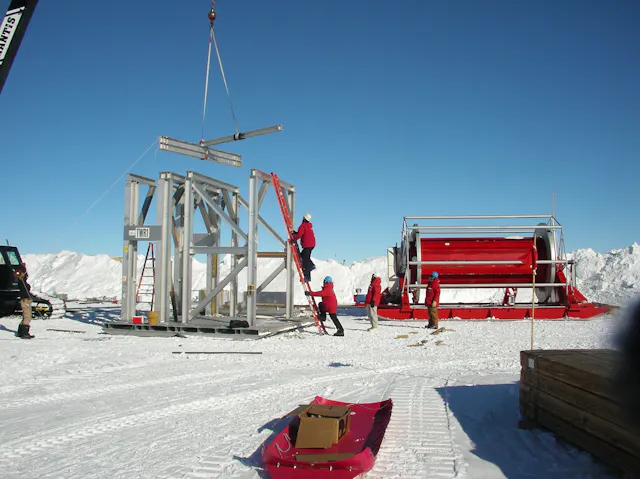
I’m a physicist who worked on the Nobel-winning neutrino search – here’s how a cubic kilometer of Antarctic ice became a telescope for ghost particles from space
The 2026 Nobel Prize in physics recognizes Francis Halzen’s vision in building an unusual telescope in Antarctica, as well as the neutrino discoveries it’s made.
-
Eliza, a theatrical thriller about the first chatbot, feels emotionally distant. That’s the point
Tom Holloway’s play uses the real-life story of 1960s chatbot ‘Eliza’ to explore the tension between humans and AI.
-
Anyagtudomány, AI, közlekedésirányítás – Videón az MTA Műszaki Tudományok Osztálya bicentenáriumi rendezvénysorozatának nyitórendezvényei (opens the original)
Milyen lehetőségeket és kihívásokat tartogat a mesterséges intelligencia? Mi jellemzi a 21. század anyagtudományát? Milyen vizsgálatok, tesztek valósultak meg a HUNOR magyar űrhajósprogramban? Merre halad a közlekedésirányítás? Hogyan tartható fenn a vízbiztonság? E kérdésekre keresik a választ októberben az MTA…
-
UTulsa expands AI education from campus to Oklahoma classrooms (opens the original)
UTulsa is helping Oklahoma schools introduce artificial intelligence education through teacher training, K-12 curriculum development and new AI degree programs.
-
A UC Berkeley undergraduate’s research leads to an astronomical first (opens the original)
A new study by a first-year student may solve a puzzle regarding isolated galaxies that have stopped producing stars.
-
How IceCube opened a new window on the universe—and earned a Nobel Prize (opens the original)
URochester physicist Segev BenZvi explains how Nobel Prize–winning IceCube discovered high-energy neutrinos and opened a new window on the universe.
-
Little Barrow to bring “clean comfort food” to Research Triangle Park with first location at Horseshoe at Hub RTP (opens the original)
The build-your-own bowl concept puts a fresh spin on comfor
-
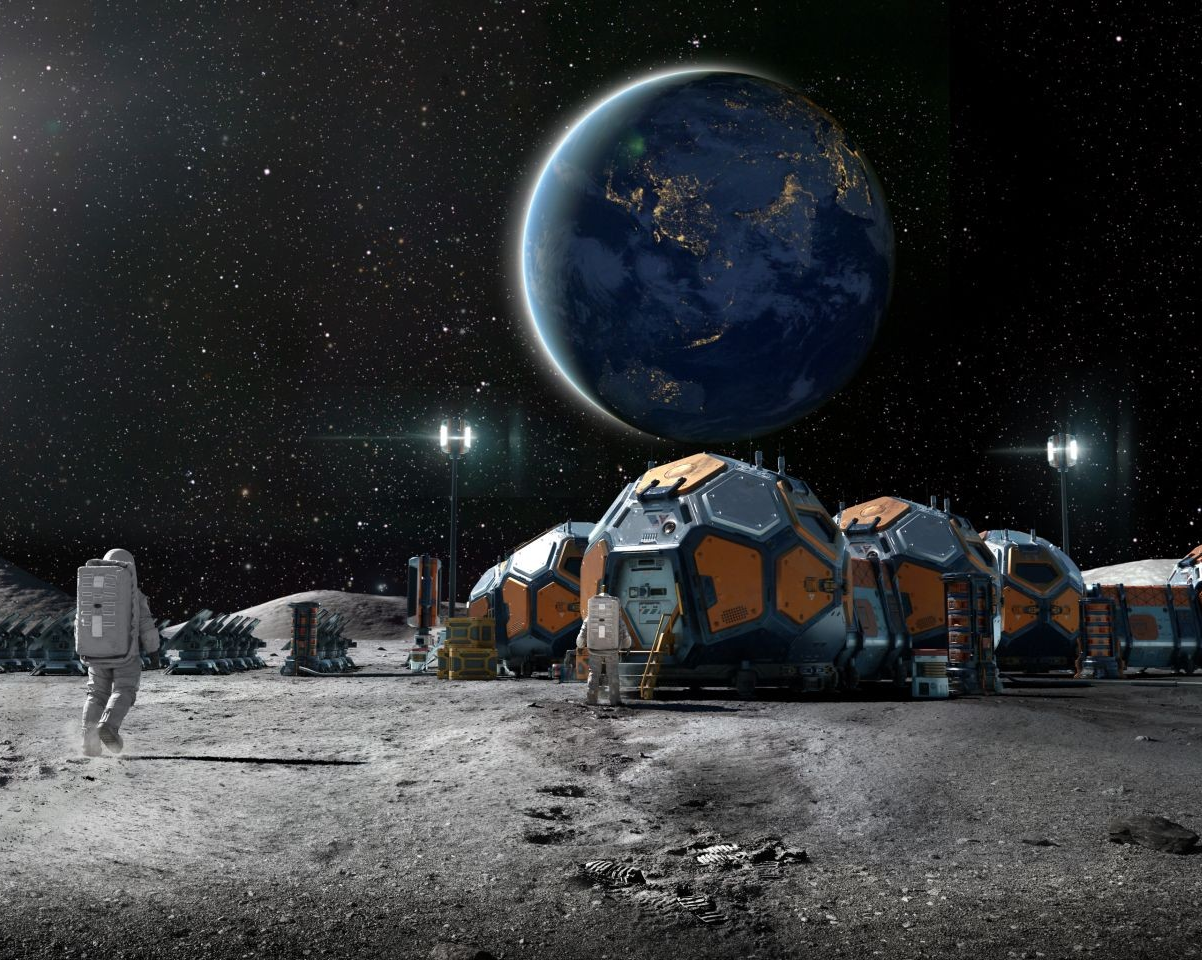
Simulated moon soil and recyclable thermoplastics could help build future space infrastructure, study shows (opens the original)
Concordia researchers develop a 3D-printing technique for efficient, affordable construction off-world
-
New framework developed for moving endangered species to safer locations (opens the original)
The framework helps managers to decide whether a “conservation introduction” that moves a plant or animal outside its historic range is the right call, and how to do it responsibly. The post New framework developed for moving endangered species to safer locations first appeared on University of Hawaiʻi System News.
-
Why are new wind farms stuck in the doldrums in Australia?
Solar and batteries are powering ahead – but wind farms are struggling. There are multiple reasons for this, from politics to construction costs.
-
Marshall Online awarded $200,000 grant for workforce, education and AI (opens the original)
Marshall Online has been awarded a $200,000 Education to Workforce Impact Fund (EWIF) grant through NEO Philanthropy , funded through the Gates Foundation. The project is titled “Teaching AI How We Teach: An AI-Enabled Skills-to-Knowledge Graph and Implementation Intelligence Agent for Learning Mobility” and will…
-
Stony Brook Researchers Lead NSF-Funded AI Collaboration to Reveal Hidden Controls on Urban Flooding (opens the original)
A project led by Stony Brook researchers will combine AI with physics-based flood modeling to better understand the hidden influences on urban flooding. The post Stony Brook Researchers Lead NSF-Funded AI Collaboration to Reveal Hidden Controls on Urban Flooding first appeared on SBU News.
-
Tarantulas, trafficking and tourism: Exploring the illicit wildlife trade (opens the original)
In this episode of The Audit, CSU researchers use Colorado's tarantula 'mate-gration' to examine how to break the the illegal wildlife trade's supply chain.
-
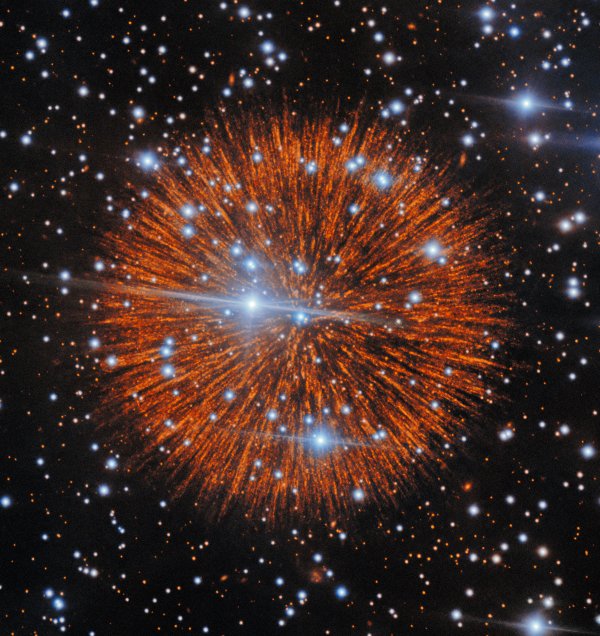
Like Pearls in the Sky (opens the original)
The only known supernova remnant of its kind in the Milky Way has an unexpectedly intricate structure: chains of gas knots resembling pearls on a string, each wide enough to fit the solar system multiple times. Using the Gemini North telescope, an international team co-led by Ilaria Caiazzo, assistant professor at…
-
How AI could help predict and explain water levels in the Great Lakes
Water levels in the Great Lakes swing from one extreme to the other. An analysis using artificial intelligence reveals how (and why) weather causes them to fluctuate.
-
What AI can teach us about human intelligence (opens the original)
Erin Grant, Canada CIFAR AI Chair at Amii, bridges computer science, psychology and neuroscience to uncover what makes human cognition unique Artificial intelligence research often
-
“This Nobel Prize Is So Well Deserved!” (opens the original)
Physicist Dr. Francis Halzen has been awarded the Nobel Prize for his neutrino research at the IceCube Neutrino Observatory. A research team from RWTH, led by Professor Christopher Wiebusch, is also involved in this extraordinary project at the South Pole.
-
What a Chinese pollution crackdown can teach Canada about carbon pricing
Canada has lowered its planned industrial carbon price. Research from China shows why the effects of environmental rules depend on firms’ ability to adapt.
Picture: (Wikimedia Commons)







Read: The Conversation, CORDIS, ESO, NASA, ScienceDaily and the newsroom feeds of 739 institutions. Last read: today. Each story's date is its publisher's. Where the news comes from, and what each source allows.