Science news
Recent stories from university newsrooms, The Conversation, CORDIS, observatories and ScienceDaily, each sorted into the fields, countries and institutions it is about, and each linked to the original publisher. Narrow them below by subject, country, institution, source, words or period. A signed-in reader can follow any filtered view and be told when a new story matches it.
2,866 stories match these filters.
-
AI behaves more like a brain than a database – cognitive science’s role in its origin story helps explain why
Modern AI owes its existence to both cognitive and computer science. What you envision as its origin story can influence how you understand what large language models can do.
-
UNSW leverages industry partnership to set large-scale perovskite PV efficiency world record (opens the original)
Engineers from UNSW Sydney have collaborated with high-tech energy company UtmoLight to set a benchmark for perovskite solar submodules.
-
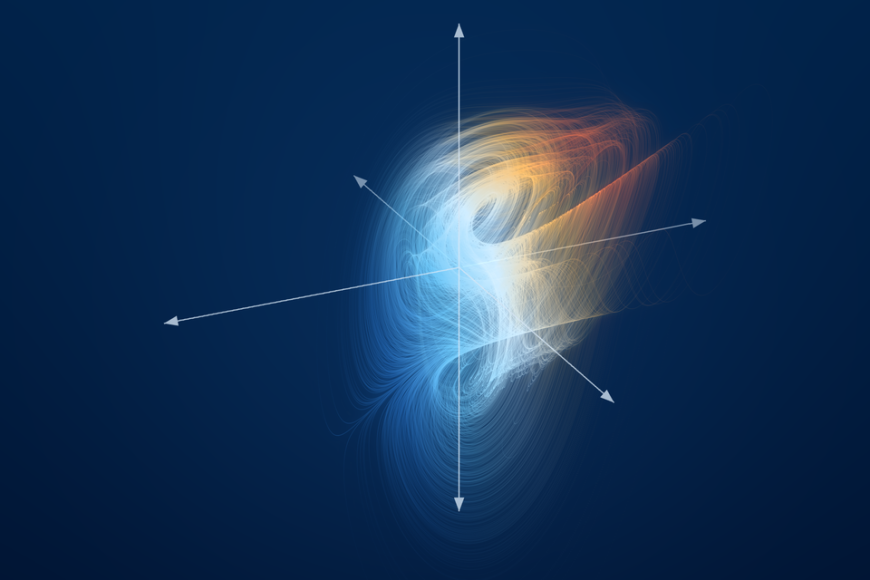
Using AI-discovered equations to study climate variability (opens the original)
Researchers have used an AI technique called equation discovery to derive, directly from observational data, three simple equations that describe how the North Atlantic Ocean, atmosphere and rainfall interact over decades.
-
Scientists turn £70 gadget into wildfire early-warning tool (opens the original)
A modified cheap handheld car gadget could offer a low-cost way for farmers and fire services to monitor wildfire risk and spot
-
Using AI-discovered equations to study climate variability (opens the original)
Researchers have used an AI technique called equation discovery to derive, directly from observational data, three simple equations that describe how the North Atlantic Ocean, atmosphere and rainfall interact over decades.
-
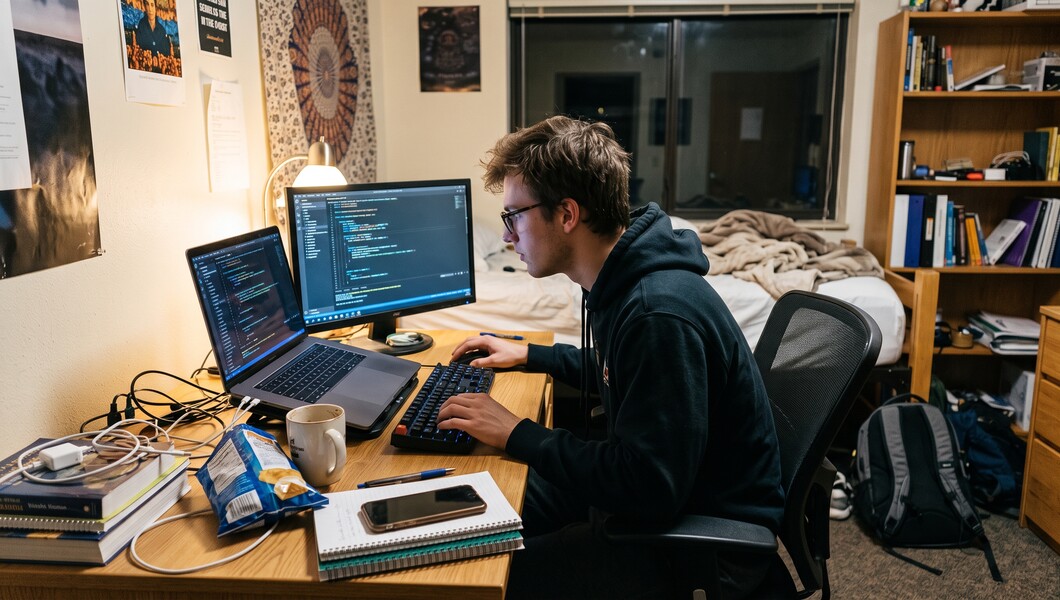
NJIT Computing Researchers Awarded for Code Evaluation Paper (opens the original)
Common methods of measuring how people understand programming code are being analyzed in a new way by researchers at New Jersey Institute of Technology, bringing a technique from social science into the world of computer science. Their goals are to correct what they see as flawed approaches in the study of code…
-
Using AI-discovered equations to study climate variability (opens the original)
Researchers have used an AI technique called equation discovery to derive, directly from observational data, three simple equations that describe how the North Atlantic Ocean, atmosphere and rainfall interact over decades.
-
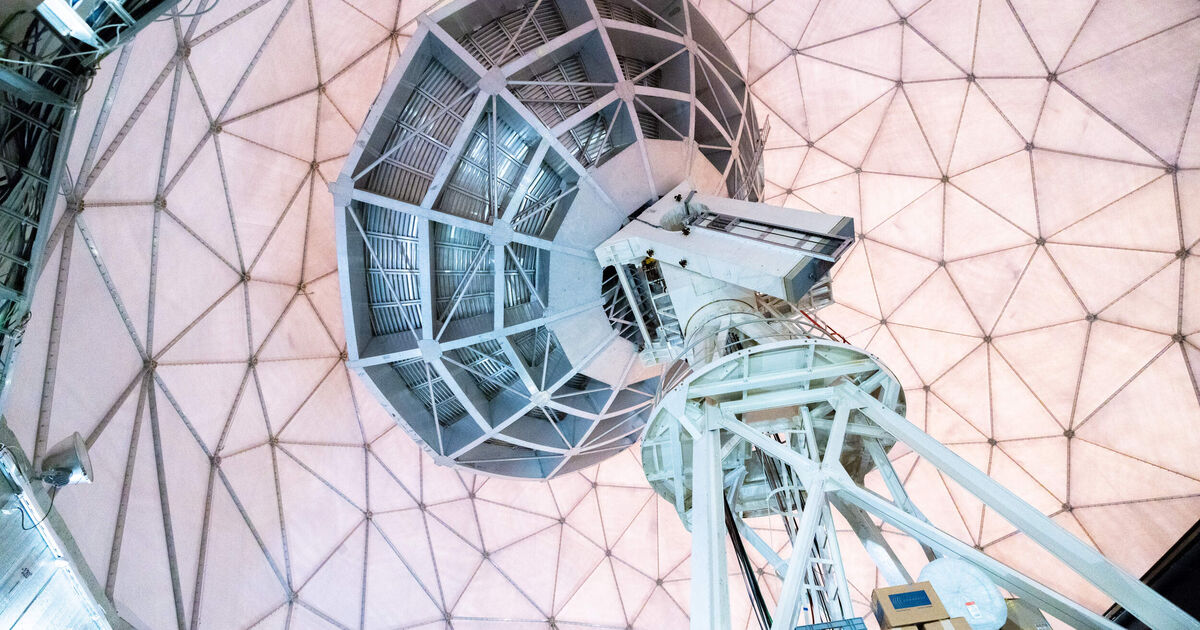
Making music with the Cosmos: sound art and radio astronomy improvising at the Metsähovi Radio Observatory (opens the original)
Want to know what the origins of a solar system sound like? Scientists joined forces with a sound artist to play with molecular gas thousands of light-years away
-
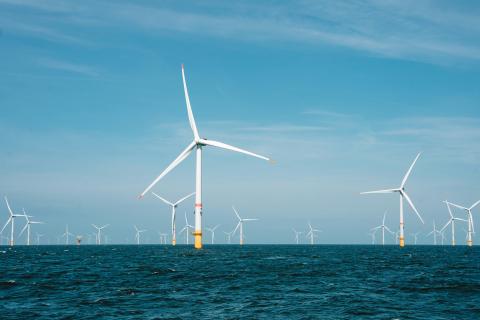
Study reveals influence of offshore wind farms on ocean temperatures (opens the original)
Image jessden@noc.ac.uk Wed, 7 Oct 2026 - 12:50 Image Support Us On Read the paper Open in new tab Open in same tab Be part of the community helping our ocean thrive. Donate to NOC giving@noc.ac.uk Get in touch media@noc.ac.uk New research led by a…
-
New metal casting research environment takes shape (opens the original)
An advanced casting facility has now been commissioned for the Swedish Metal Casting Excellence Centre (SMEC) at Jönköping University (JU). The facility will form a central part of the research carried out there, and will be used to develop new manufacturing methods together with industry partners.
-
Pan-London cardiogenic shock pogramme seminar (opens the original)
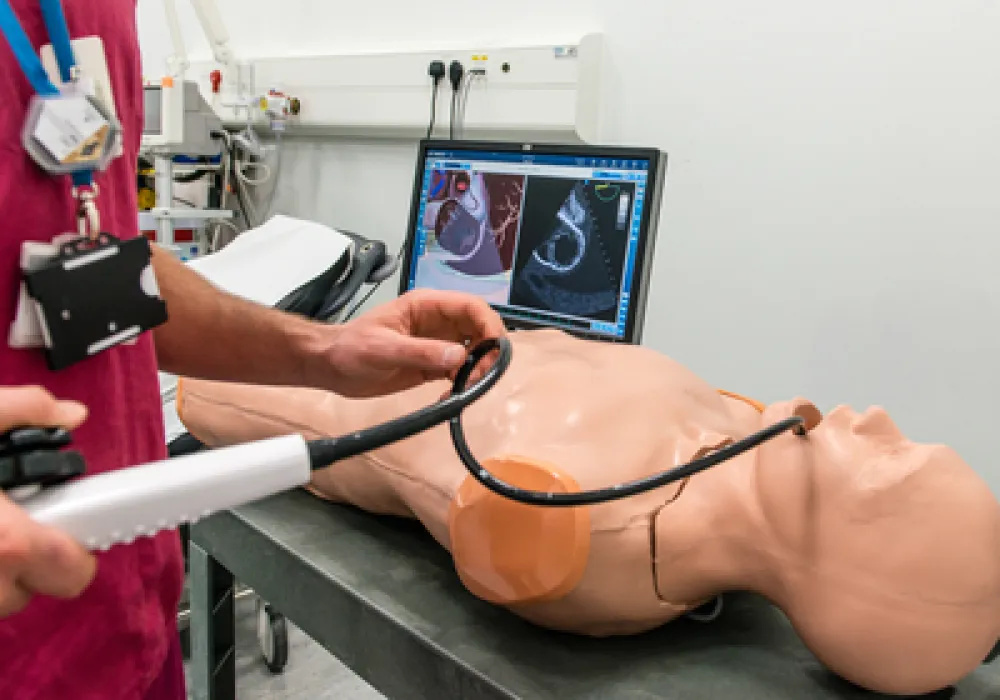
emergency Wed, 07/10/2026 - 10:45 Join us for an educational seminar about the Pan-London cardiogenic shock programme and learn how early recognition and timely treatment can improve outcomes for patients experiencing cardiogenic shock. About the seminar Cardiogenic shock…
-
Bioprocess piloting lab officially opened: Turning CO₂ into new products (opens the original)
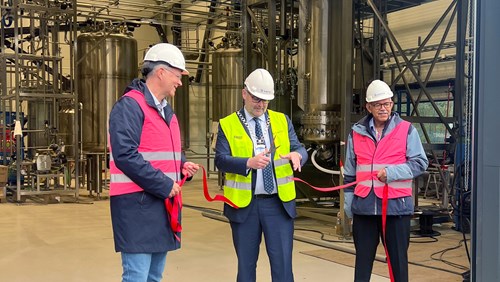
With the opening of the Bioprocess Piloting Lab, industry gains access to a new research infrastructure designed to bring biotechnological solutions from the laboratory to industrial application.
-
Beam tests boost progress on detector technologies for the Future Circular Collider (opens the original)
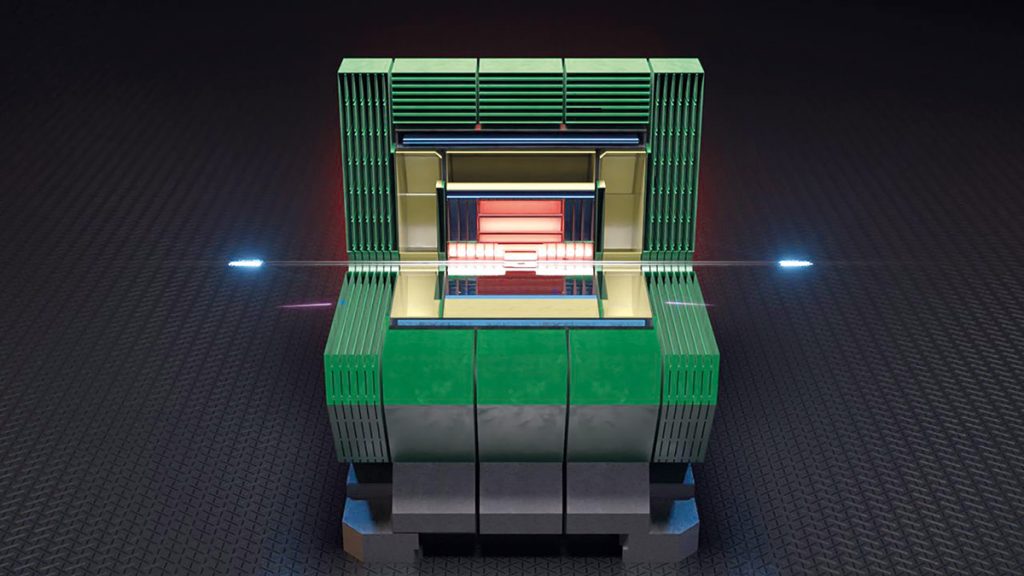
The proposed Future Circular Collider (FCC) at CERN would put the Universe under a microscope like never before. By colliding electrons and positrons at four points around a 91 km ring, it would enable scientists to pin down the properties of the Higgs boson and other fundamental particles with a precision beyond the…
-
Reducing uncertainty and extending lifetime of subsea risers (opens the original)
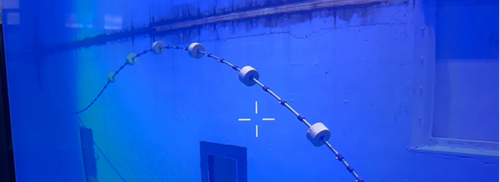
A new large-scale transparent riser test reveals how internal flows and external wave motion interact to drive fatigue. This can lead to safer, more cost-effective riser design and lifetime extension.
-
Cosmic Cocktail: Exotic Methanol Discovered in Planet-Building Zones (opens the original)
An international team of astronomers using the Atacama Large Millimeter/submillimeter Array (ALMA), of which the U.S. National Science Foundation National Radio Astronomy Observatory is a partner (NSF NRAO), has combined expertise from across the globe to open a new window on how the organic molecules that seed…
-
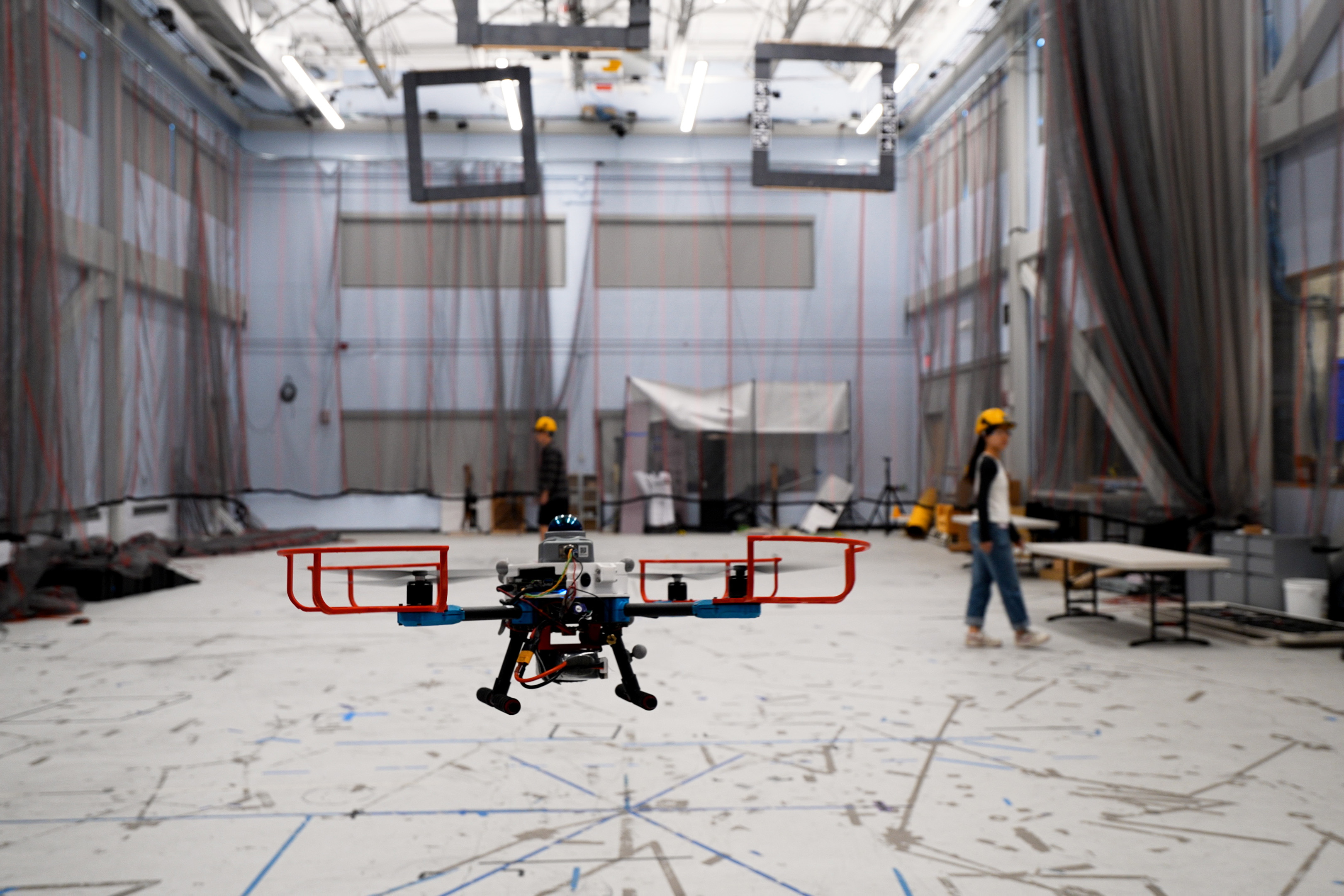
Planning system ensures a robot’s flight path will remain collision-free (opens the original)
This new method, called “SANDO,” could help disaster-response robots navigate dangerous, unknown environments.
-
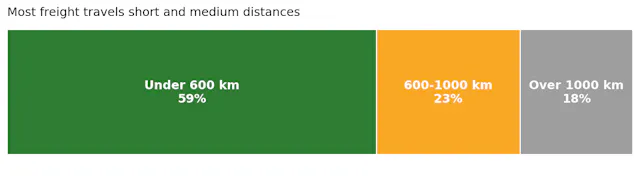
Electric long-haul trucks could become a reality sooner – if there’s no driver
Smaller electric trucks are already on Australian city streets. As battery prices fall, bigger trucks will become viable – especially if there’s no driver.
Picture: Author provided
-
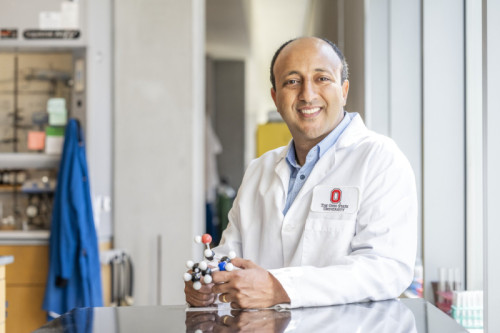
Ohio State professor named Blavatnik National Awards laureate (opens the original)
David Nagib, a researcher at The Ohio State University who is well-known for his passion for “radical” medicinal chemistry, has been named a laureate of the 2026 Blavatnik National Awards for Young Scientists.
-
Conservationists are discovering ‘bright spots’ around the globe. Here’s why they matter
A new study examines ecosystems and species that are thriving against the odds.
-
Study highlights the European waters at greatest risk of harmful light pollution (opens the original)
Scientists have produced the first framework which can be used to assess whether a region is of Good Environmental Status in terms of light pollution





Read: The Conversation, CORDIS, ESO, NASA, ScienceDaily and the newsroom feeds of 739 institutions. Last read: today. Each story's date is its publisher's. Where the news comes from, and what each source allows.