Science news
Recent stories from university newsrooms, The Conversation, CORDIS, observatories and ScienceDaily, each sorted into the fields, countries and institutions it is about, and each linked to the original publisher. Narrow them below by subject, country, institution, source, words or period. A signed-in reader can follow any filtered view and be told when a new story matches it.
683 stories match these filters.
-
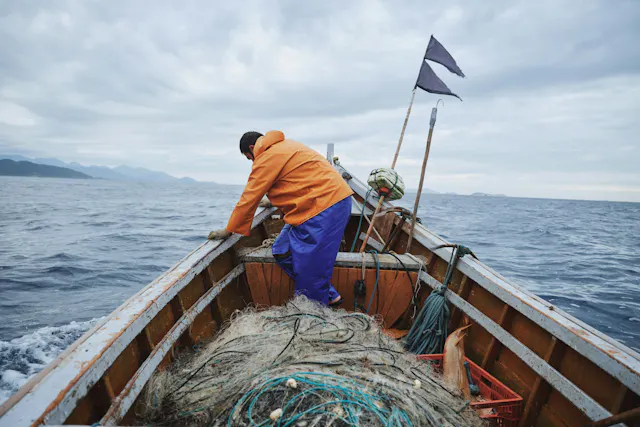
Eight ways to feed ourselves if rogue AI destroys modern agriculture
if AI shut down the electricity grid, it would swiftly shut down agriculture. Without fuel, refrigeration, irrigation and fertilizers, we would all have to get creative in feeding ourselves.
Picture: (Unsplash)
-
Why your boss matters more than remote or hybrid work when it comes to burnout and job satisfaction
A return to the office can mean very different things to different workers, which is why this debate often produces conflicting answers.
Picture: Luis Villasmil on Unsplash, CC BY
-
New technique holds promise for improved gene editing (opens the original)
A new engineered gene editing system addresses some of the limitations of current gene editing tools with the hope of improving their use for research, for better crops or to treat diseases.
-
Enhancing gut-brain communication reversed cognitive decline, improved memory formation in aging mice, (opens the original)
A study of the microbiome of groups in Africa and South America indicates that diverse gut microbes joined us as we migrated out of Africa — a diversity that is lost among industrialized peoples.
-
USF researcher knew cancer ran in her family. Genetic testing told her why. (opens the original)
Marleah Dean Kruzel was just a child when her mother was diagnosed with breast cancer. She’s since discovered that she carries an inherited BRCA2 mutation and is using her personal experience to help others understand hereditary cancer risk.
-
NWU and Sernick explore partnership to strengthen livestock training and farmer development (opens the original)
A potential partnership between the North-West University (NWU) and the Sernick group could create new opportunities for student training, livestock research and emerging farmer development. FARIDA KADANGO Wed, 10/07/2026…
-
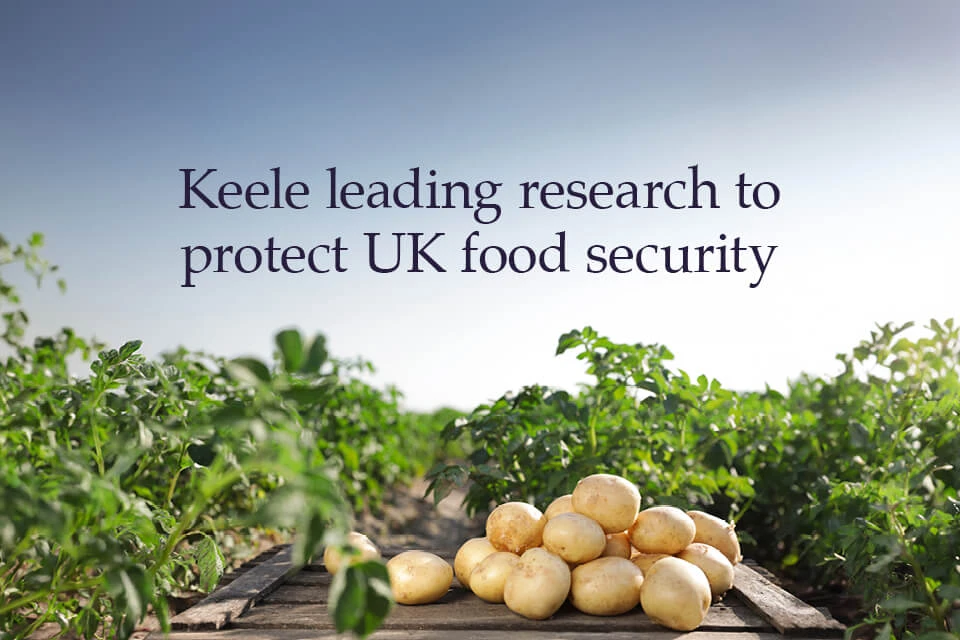
New research aims to protect UK crops from diseases spreading across Europe (opens the original)
Scientists are launching a major new research project to help protect UK food security from bacterial plant diseases that are spreading across parts of continental Europe.
-
UNM researchers find evidence of early food production in the Maya area (opens the original)
A new University of New Mexico co-led research paper on ancient food production in tropical Belize was published in Nature Communications Earth & Environment and provides evidence that people in the Maya speaking region were dedicated farmers thousands of years before the first large villages emerged. Most notably…
-
Genetic time capsule helps researchers rewrite the bat family tree and trace the origins of flight, echolocation (opens the original)
By combining genomes from every living bat family with fossil evidence, researchers found that bats — and powered flight — likely originated in Europe and that echolocation emerged before modern bats began to diversify.
-
A camera combined with AI could help further diagnosis of movement disorders like spinal muscular atrophy in newborns
Detecting impaired motor function in infants using AI-driven motion capture is producing promising results. A French research team introduces the new screening tool for spinal muscular atrophy (SMA).
-
What is a professional patient advocate, and why might you need one?
Family members can offer invaluable support to patients, but a trained advocate can provide an objective perspective as well as knowledge of resources that families may lack.
-
Does your sleep tracker get it right? A Pittsburgh neuroscientist weighs in
Can a sensor on your wrist really tell how your brain slept? Here’s what happens when sleep trackers go up against polysomnography, the clinical gold standard.
-
Why older lawmakers may wait too long to step aside
Many older incumbents are on the ballot for the 2026 midterms, adding to America’s debate over the wisdom of aging politicians delaying their retirement.
-
Saijaliisa Kangasjärvi tutkii kasvien stressiä (opens the original)
Saijaliisa Kangasjärvi studies how plants respond to stress pellijoh@helsinki.fi Mon, 12/10/2026 - 10:58 Uncovering the molecular mechanisms that help plants withstand stress fascinates Professor of Translational Plant Biology Saijaliisa Kangasjärvi. What are your research topics? In my research group, we focus on…
-
Banha University Participates in an International Project for the Development of Sustainable Digital Livestock Breeding Funded by “Horizons of Europe” (opens the original)
Prof. Nasser El-Gizawy, President of Banha University, announced the participation of the Faculty of Agriculture at the university in an international research project entitled “Integrating Digital Phenotyping and Genomics for Resilient and Sustainable Livestock Breeding Systems,” funded by the “Horizons of Europe”…
-
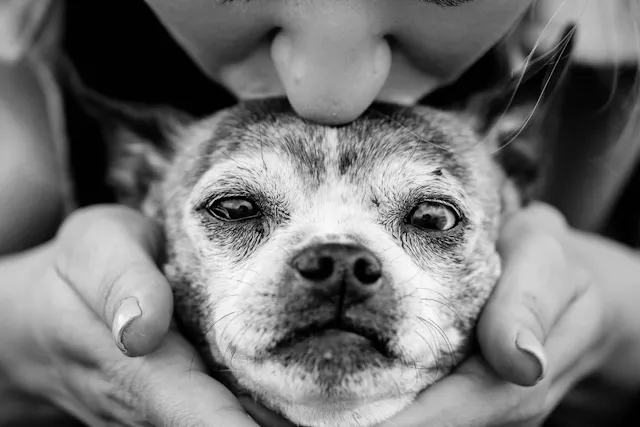
Why old dogs might be able to teach Alzheimer’s researchers new tricks
As dogs age, their brains undergo similar changes to human brains, making them a valuable natural model to study dementia and other neurodegenerative diseases.
Picture: Megan Dujardin/Unsplash, CC BY-SA
-
IU students explore a more accessible future for Orange County Community Gardens (opens the original)
Through Sustaining Hoosier Communities, graduate students from the Indiana University School of Public Health-Bloomington partnered with Orange County Community Gardens in Paoli to explore designs for a more accessible path into the garden, bringing together community priorities, universal design, and hands-on…
-
What happens when food-safety chemicals react with food? (opens the original)
USC Viterbi researcher Adam Simpson studies compounds created when industrial disinfectants alter food, and whether those changes could affect human health.
-
Optogenetics wins the Nobel – one neuroscience breakthrough in a line of technological innovations helping scientists map and control the brain
Neuroscientific advances follow a pattern of visualizing the brain, measuring its function and then controlling it. Optogenetics may lead to a new era of medical treatment.








Read: The Conversation, CORDIS, ESO, NASA, ScienceDaily and the newsroom feeds of 751 institutions. Last read: today. Each story's date is its publisher's. Where the news comes from, and what each source allows.