Science news
Recent stories from university newsrooms, The Conversation, CORDIS, observatories and ScienceDaily, each sorted into the fields, countries and institutions it is about, and each linked to the original publisher. Narrow them below by subject, country, institution, source, words or period. A signed-in reader can follow any filtered view and be told when a new story matches it.
2,864 stories match these filters.
-
AI is changing pilgrims’ journeys, but sacred journeys have always adapted to new technology
From the printing press to smartphone apps, technology has continually transformed the experience of sacred journeys. A scholar of trails and walking explains the history.
-
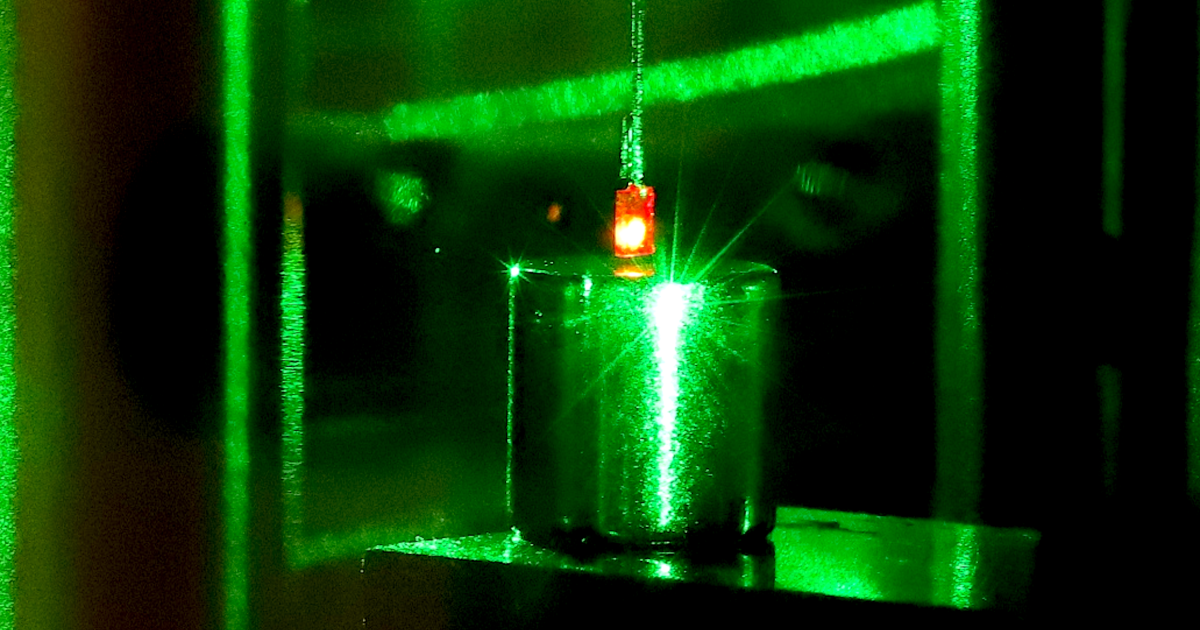
First observation of quantum spins shifting a centimeter-scale object in the lab (opens the original)
Largest-ever object displaced via spin force alone sets a new standard for studying macroscopic superposition and quantum gravity.
-
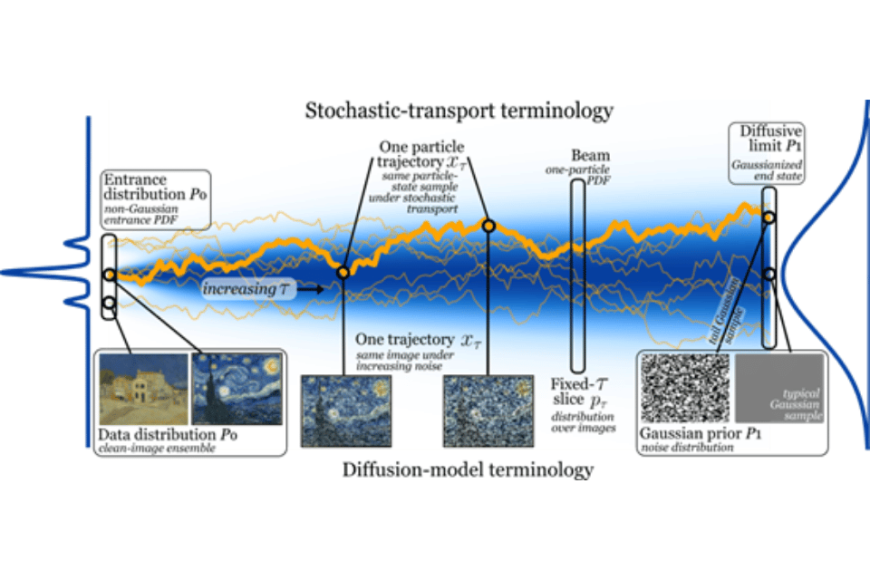
Physicists tell AI what to do (opens the original)
Researchers at the University of Oxford have developed a new way to use generative artificial intelligence (AI) that circumvents the need for machine-learning models to rediscover relationships that physicists already know how to describe.
-
University's research advances ultra-precision laser tech (opens the original)
University research may help ultra-precise 'light rulers' jump from the lab to consumers.
-
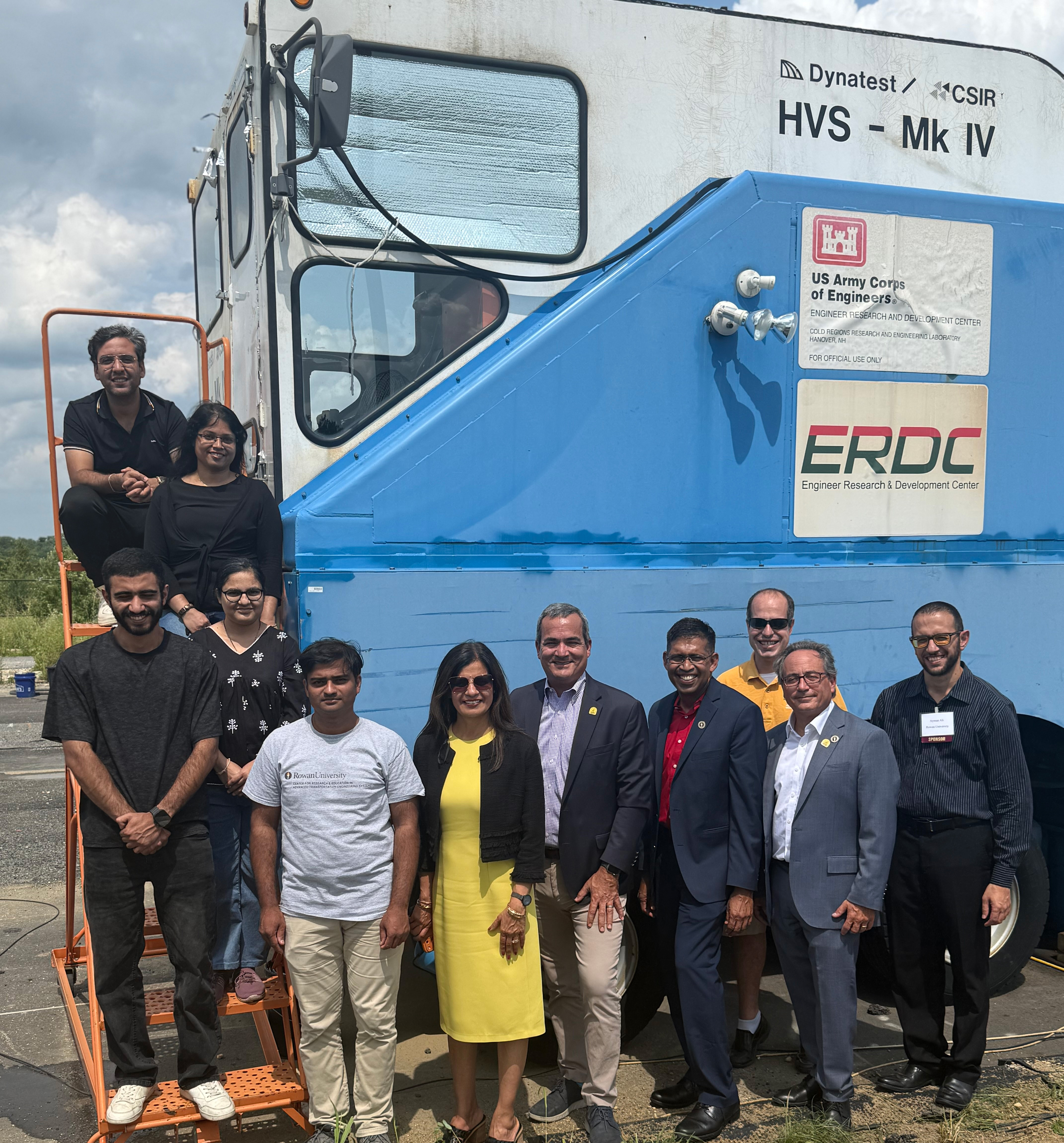
CREATES marks another five years studying pavements for NJDOT (opens the original)
The Center for Research & Education in Advanced Transportation Engineering Systems advances pavement technologies, sustainable construction materials and roadway safety for the New Jersey Department of Transportation.
-
Physicists tell AI what to do (opens the original)
Researchers at the University of Oxford have developed a new way to use generative artificial intelligence (AI) that circumvents the need for machine-learning models to rediscover relationships that physicists already know how to describe.
-
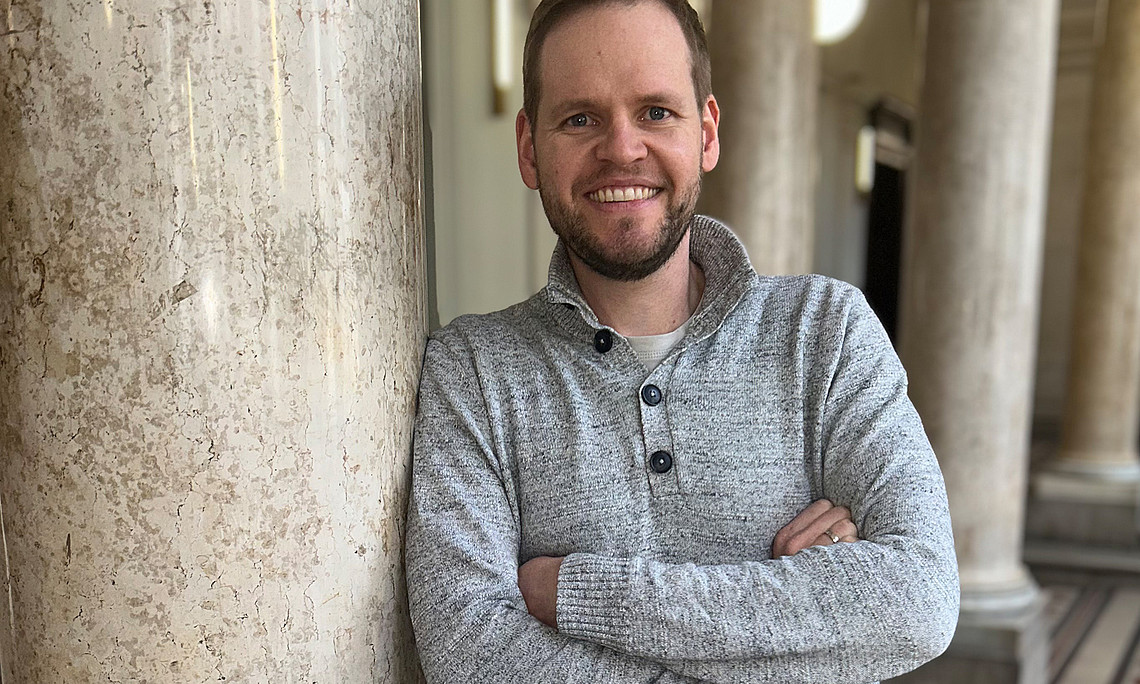
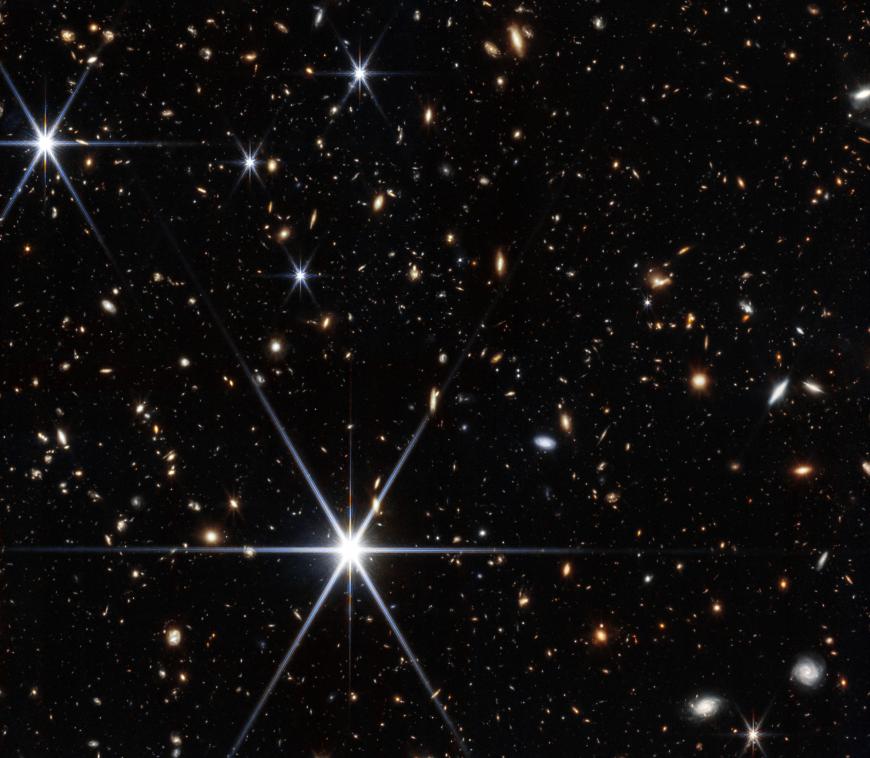
UK astronomers help reveal host galaxy of most distant fast radio burst (opens the original)
An international team of astronomers including Dr Kaustubh Rajwade from the University of Oxford, have identified the most distant fast radio burst (FRB) seen to date.
-
UK astronomers help reveal host galaxy of most distant fast radio burst (opens the original)
An international team of astronomers including Dr Kaustubh Rajwade from the University of Oxford, have identified the most distant fast radio burst (FRB) seen to date.
-
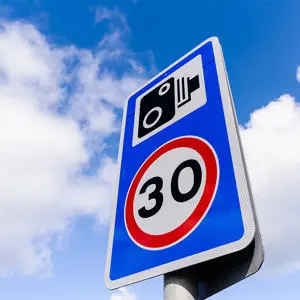
Research identifies opportunities to rewrite the impact of Community Speed Watch letters (opens the original)
Rewording letters sent to people caught speeding could help to drive behaviour change, new research from University of Staffordshire suggests
-
UK astronomers help reveal host galaxy of most distant fast radio burst (opens the original)
An international team of astronomers including Dr Kaustubh Rajwade from the University of Oxford, have identified the most distant fast radio burst (FRB) seen to date.
-
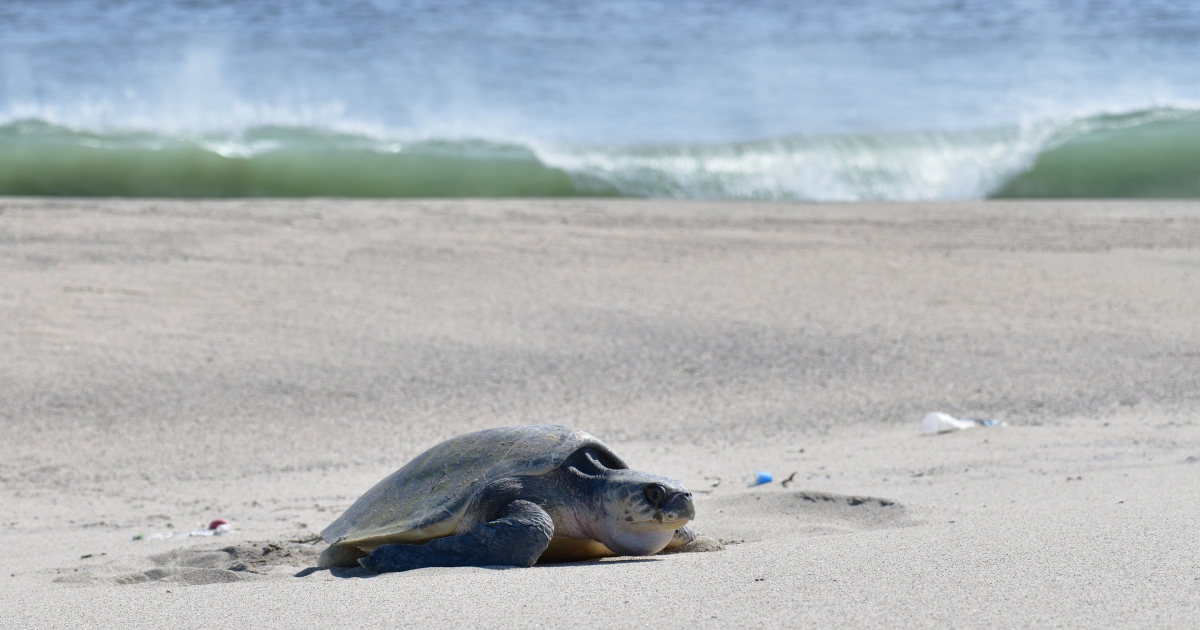
Historic olive ridley sea turtle nesting on the U.S. West Coast (opens the original)
In an unprecedented development, two olive ridley sea turtle nests were discovered in mid-September near Seal Beach National Wildlife Refuge and Huntington Beach. The discovery represents the first-ever confirmed instance of natural sea turtle nesting on the U.S. West Coast.
-
Unique lakes help demonstrate a better way to measure nitrogen loss in aquatic ecosystems (opens the original)
Iowa State geochemist Elizabeth Swanner contributed to a study that demonstrated a more precise way to measure the natural process of denitrification in lakes and other water bodies. The process involves microbes converting nitrate into common, atmospheric nitrogen. The journal Science published the study.
-
The World is His Oyster (opens the original)
Seafood entrepreneur Keegan Jalbert is developing a new approach to oyster feed
-
A biologist queries whether AI ‘borrowed’ his work to make major discovery – an expert explains the rules
Are there risks for scientists who share unpublished work with AI chatbots?
-
Hospital appointments can make greener travel harder
Hospital journeys can be costly, exhausting and hard to plan. The timing and location of appointments can determine whether lower-carbon travel is possible.
-
AI, kommunikation och social transformation: strategi och kritik (opens the original)
AI, Communications, and Social Transformation: Strategy and Critique 120 ECTS credits Anonymous (not verified) Thu, 10/08/2026 - 11:30 Study programme How is artificial intelligence reshaping the way we communicate, work, participate in society, and make decisions? How do digital platforms influence public debate…
-
Researchers aim to grow optical fibres using biology instead of machinery (opens the original)
A new project led by Northumbria University aims to grow optical fibres using proteins, mimicking a process that has occurred in nature for millions of years.
-
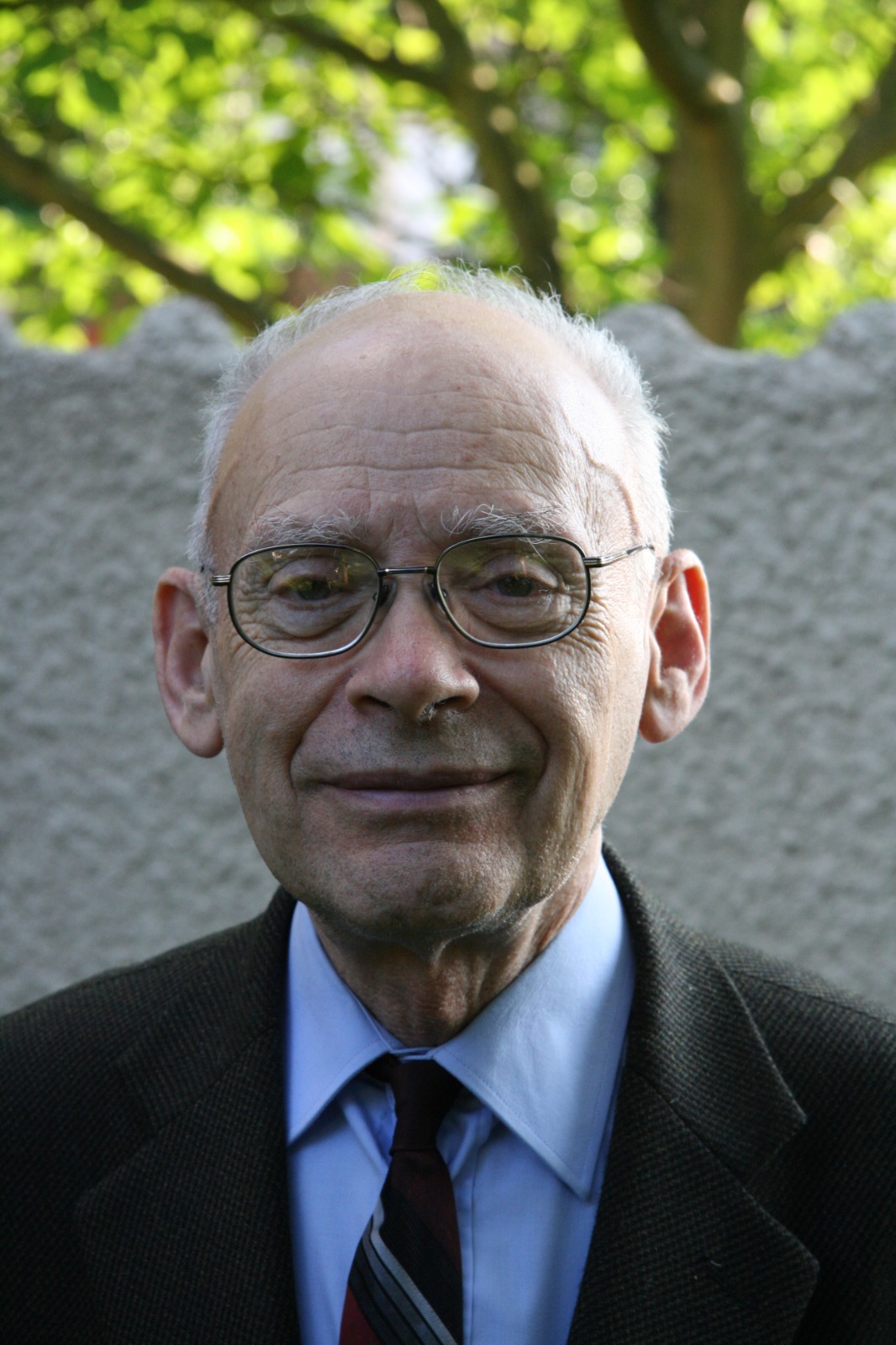
2026 Nobel Prize in Chemistry awarded to Henri Kagan for his work on asymmetric catalysis (opens the original)
Henri Kagan, Professor Emeritus of Université Paris-Saclay, has been awarded the 2026 Nobel Prize in Chemistry for the discovery of nonlinear effects




Read: The Conversation, CORDIS, ESO, NASA, ScienceDaily and the newsroom feeds of 739 institutions. Last read: today. Each story's date is its publisher's. Where the news comes from, and what each source allows.