Science news
Recent stories from university newsrooms, The Conversation, CORDIS, observatories and ScienceDaily, each sorted into the fields, countries and institutions it is about, and each linked to the original publisher. Narrow them below by subject, country, institution, source, words or period. A signed-in reader can follow any filtered view and be told when a new story matches it.
2,864 stories match these filters.
-
Florida Tech Earns Top 10 Rankings for Business, Computer Science Programs from Research.com (opens the original)
Three programs at Florida Tech were ranked among the top 10 in Research.com’s 2027 rankings of Florida-based schools and programs. The bachelor’s in computer science received the No. 5 rank on the top 20 list of computer science programs in Florida, including graduate programs. It is the second-highest ranked…
-
A molecule’s ‘handedness’ can determine whether it’s an effective drug – 4 examples of pharmaceuticals where chirality matters
The 2026 Nobel Prize in chemistry gave a hand to handed molecules – and the processes chemists use to create them.
-
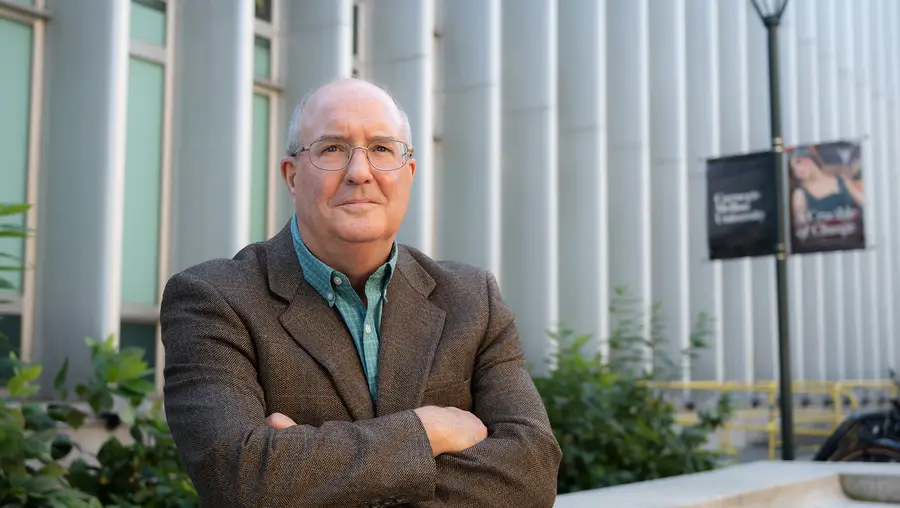
CMU Physicist Joins Genesis Effort To Use AI To Understand the Universe (opens the original)
Carnegie Mellon University Physics Professor Colin Morningstar is part of a national research team awarded a Phase II grant from the U.S. Department of Energy's Genesis Mission. The project will use artificial intelligence and some of the world's most powerful supercomputers to accelerate discoveries in particle and…
-
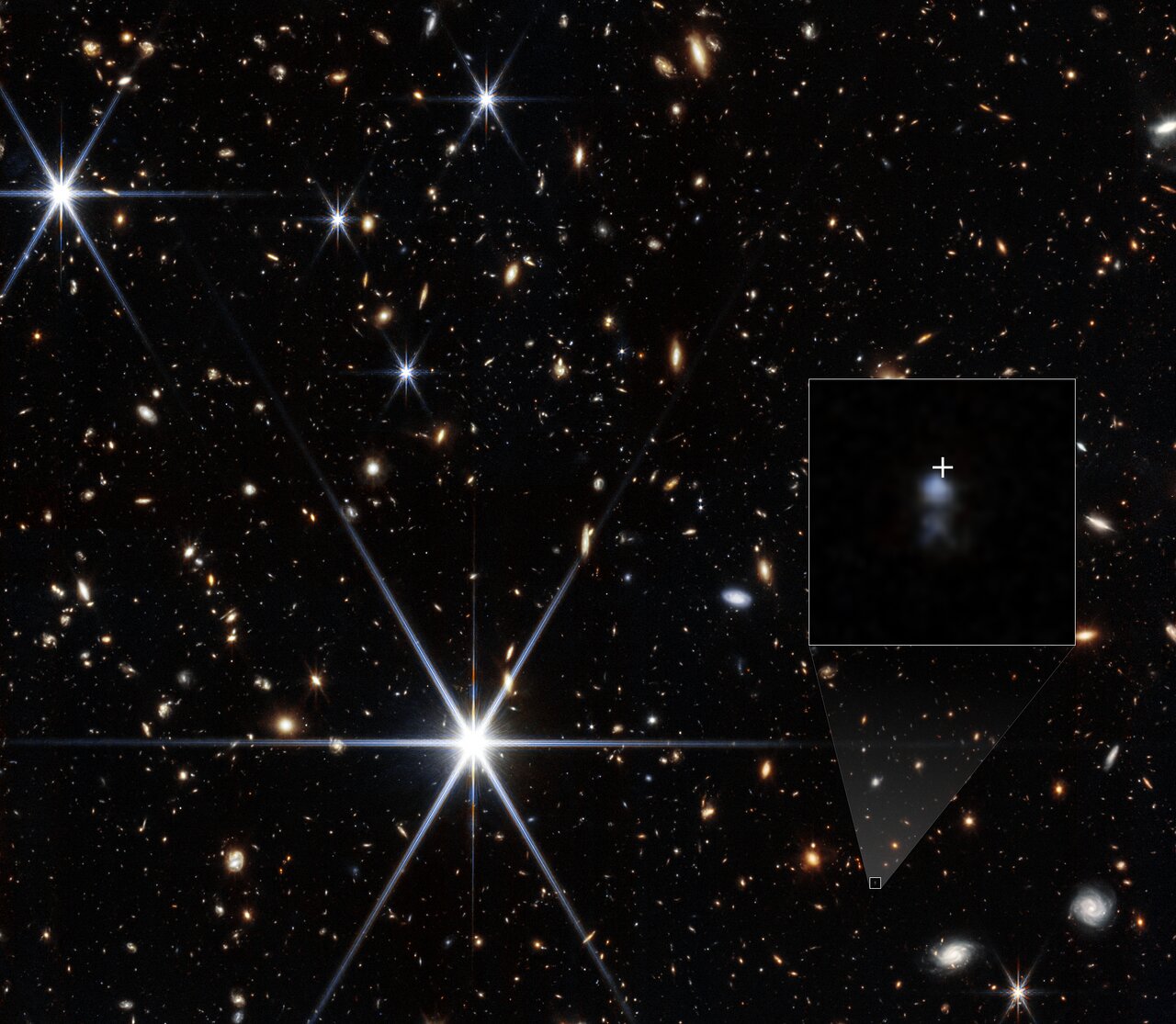
Science Release: Webb measures distance to farthest fast radio burst, suggesting origin (opens the original)
First discovered in 2007, fast radio bursts are enigmatic, millisecond-long flashes of radio emission from the distant Universe. Their origin remains uncertain, particularly since most are seen once and never again. Astronomers using the NASA/ESA/CSA James Webb Space Telescope have pinpointed the host galaxy of the…
-
What a swordfish washing up on British Columbia’s coast says about our changing oceans
While this sighting is unusual and exciting, it also serves as a reminder that our oceans are rapidly changing and we need to adapt to these changes.
-
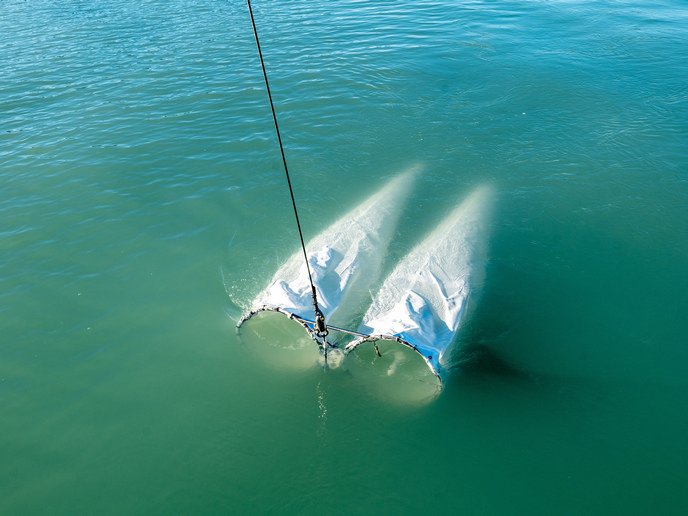
Saildrone research fleet to circle Antarctica for 5 years (opens the original)
NOAA and partners to test limits of technology and science A Saildrone uncrewed surface vehicle is towed out of the Australian port of Hobart, Tasmania, before being released into the Southern Ocean to collect vital oceanographic data. (Image credit: Courtesy…
-
Canada’s settlement services are going digital. AI should support workers, not replace them
AI can improve access to settlement services in Canada, but human expertise must remain central to complex, legal and sensitive newcomer needs.
Picture: (Unsplash/John Lockwood)
-
Behind IceCube discoveries, decades of high-throughput computing (opens the original)
UW–Madison and Morgridge Institute researchers have supported Halzen’s work long before IceCube existed — an exemplar of computing collaborations that have now contributed to four Nobel Prize-winning efforts.
-
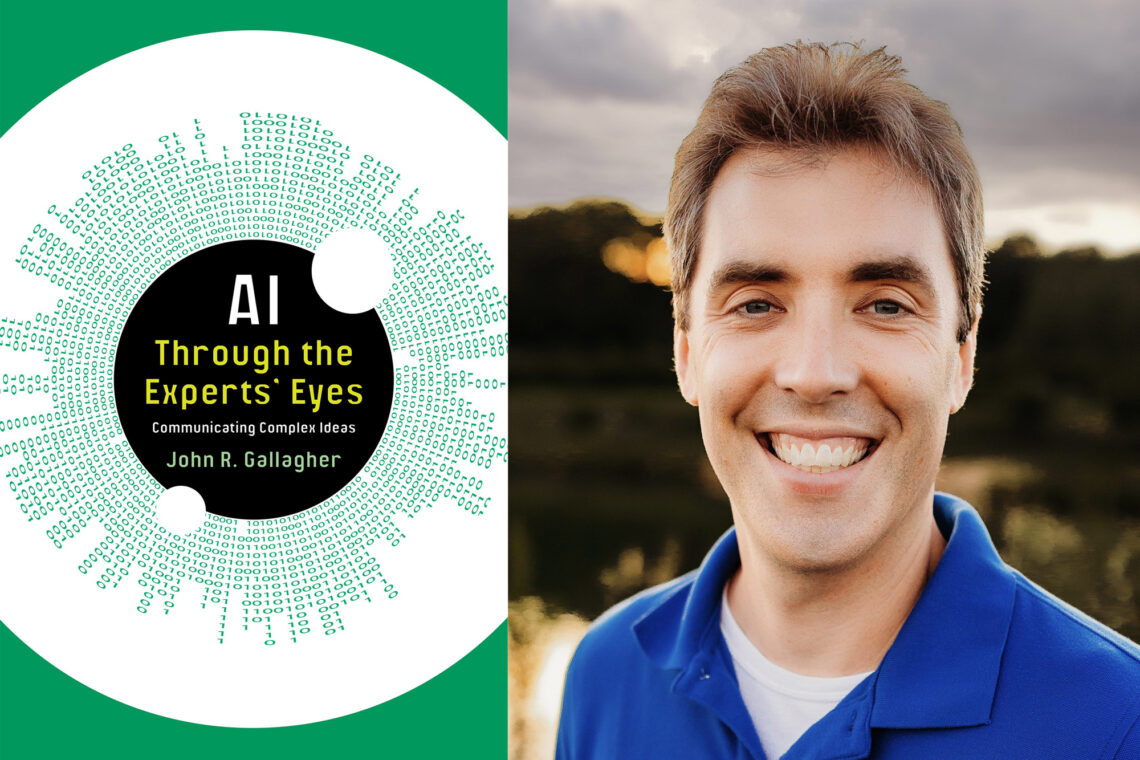
Book counters AI hype by examining how researchers talk about their work (opens the original)
A new book by English professor John Gallagher aims to counter the hype surrounding artificial intelligence by focusing on AI researchers and their work.
-
Global survey reveals limited public awareness of invasive alien species and little support for their management (opens the original)
A new global study involving the University of Stirling’s Dr Zarah Pattison has shown that fewer than half of people can name an invasive alien species occurring in their country, and that public support for measures to manage invasive species is generally low. Led by Ana Novoa and Petr Pyšek from the Institute of…
-
Shattuck Observatory Gets a Second Life (opens the original)
The 1871 telescope will be rebuilt while the dome is restored.
-
Diving into the Field of Underwater Robotics with Katherine Skinner (opens the original)
Associate professor Katherine Skinner is focusing on the application and challenges that come with marine robotics, spanning marine robot design and dynamics. The post Diving into the Field of Underwater Robotics with Katherine Skinner first appeared on SBU News.
-
Almost 300,000 people now live in flood-prone areas in the Nepalese Himalayas – new research
Satellite data shows roads, settlements and infrastructure are expanding into the same valleys that are vulnerable to floods and landslides.
-
Unravelling the secrets of Atlantic Ocean microbiomes
The Atlantic, the second largest of the world’s oceans, is home to a great variety of life forms, from the largely unseen microbial world to formidable sea creatures. This diverse environment provides a plethora of ecosystem services and is an essential factor in climate regulation. As such, a better understanding…
Picture: © Tara Foundation
-
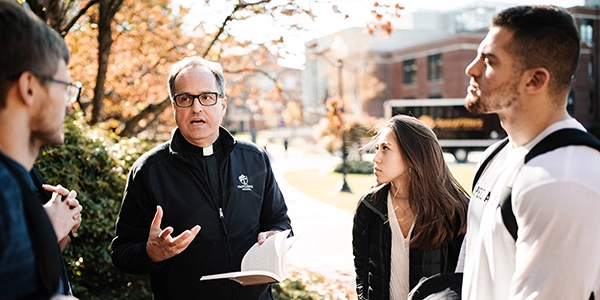
Rev. David Orique, O.P. awarded humanities grant to create Las Casas digital library (opens the original)
Rev. David Orique, O.P. ’25G, professor of history, was awarded a $65,000 research grant from the National Endowment for the → Source
-
Wildlife populations have declined 73% since 1970 – but many of the world’s animals still aren’t being counted
The WWF’s Living Planet Index is one of our best measures of biodiversity loss. But the populations it counts may not be representative of wildlife as a whole.
-
Maine Cooperative Research Unit earns Excellence in Science award (opens the original)
The U.S. Geological Survey awarded the Maine Cooperative Fish and Wildlife Research Unit with its 2025 Excellence in Science award. Faculty Joseph Zydlewski and Christina Murphy lead a variety of fisheries and ecology research within the University of Maine’s wildlife biology department.
-
BAMΞ Invites Applications for Postdoctoral Position on Next-Generation Theories of Consciousness (opens the original)
The Bamberg Mathematical Consciousness Science Initiative (BAMΞ) is seeking a postdoctoral researcher to join its Next-Generation Theories of Consciousness Project (NEXTOC). The full-time position is offered for two years, starting on 1 January 2027 or as soon as possible thereafter. Consciousness science has…
-
‘Make this face look gay’: AI models alter faces to give people stereotypical ‘gay,’ ‘straight’ or ‘criminal’ features
AI models will refuse to say whether a person’s face looks gay or straight, but they will alter images of faces to fit stereotypes of gay and straight.
-
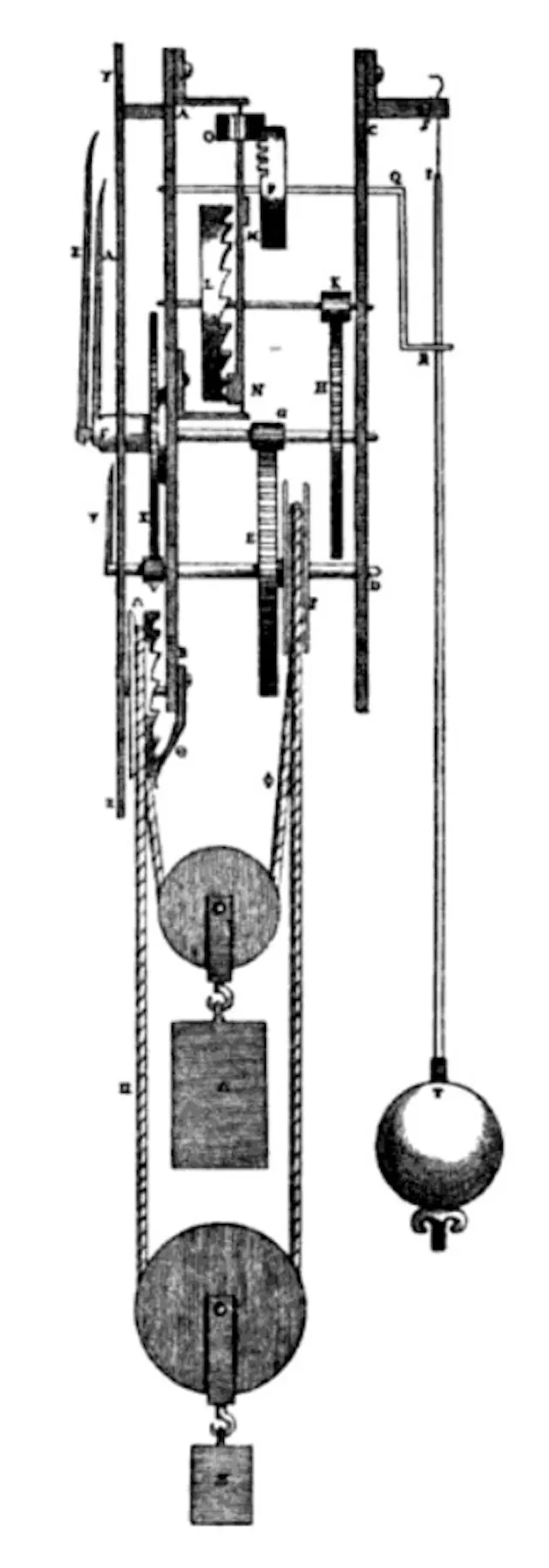
Leap seconds have helped keep clocks synchronized with Earth’s rotation, but their time is now over – here’s why
If you think about leap years, it may seem like humans have a very odd way of measuring time. Sometimes, timekeepers have even added extra seconds to clocks.
Picture: Christiaan Huygens, CC BY





Read: The Conversation, CORDIS, ESO, NASA, ScienceDaily and the newsroom feeds of 739 institutions. Last read: today. Each story's date is its publisher's. Where the news comes from, and what each source allows.