Science news
Recent stories from university newsrooms, The Conversation, CORDIS, observatories and ScienceDaily, each sorted into the fields, countries and institutions it is about, and each linked to the original publisher. Narrow them below by subject, country, institution, source, words or period. A signed-in reader can follow any filtered view and be told when a new story matches it.
12,048 stories stored from the last six months.
-
AI turns bodycam footage into text. Can it keep the speakers straight? (opens the original)
AI police reports promise less paperwork, but getting the words right is only part of the job. Who said what matters, too.
-
UA to collaborate with southern universities on AI initiative (opens the original)
The University of Alabama is one of 15 universities joining forces to advance innovation and research through shared AI infrastructure.
-
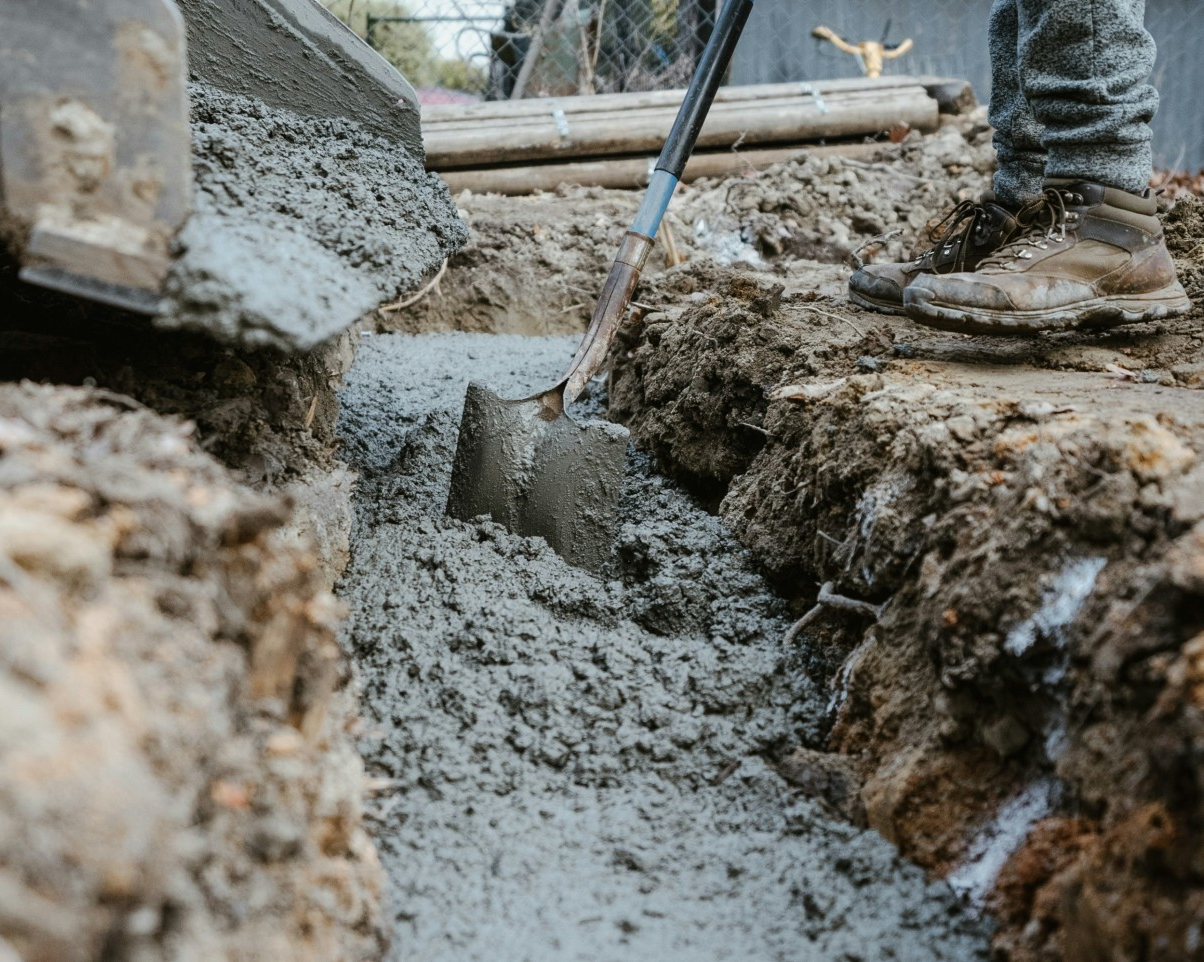
RESEARCH: Industrial waste can be a key ingredient in low-carbon cement, new Concordia study shows (opens the original)
Red mud mixed with dredged sediment can reduce cement-based emissions by up to 50 per cent
-
Smarter watershed simulations gauge risks for US infrastructure (opens the original)
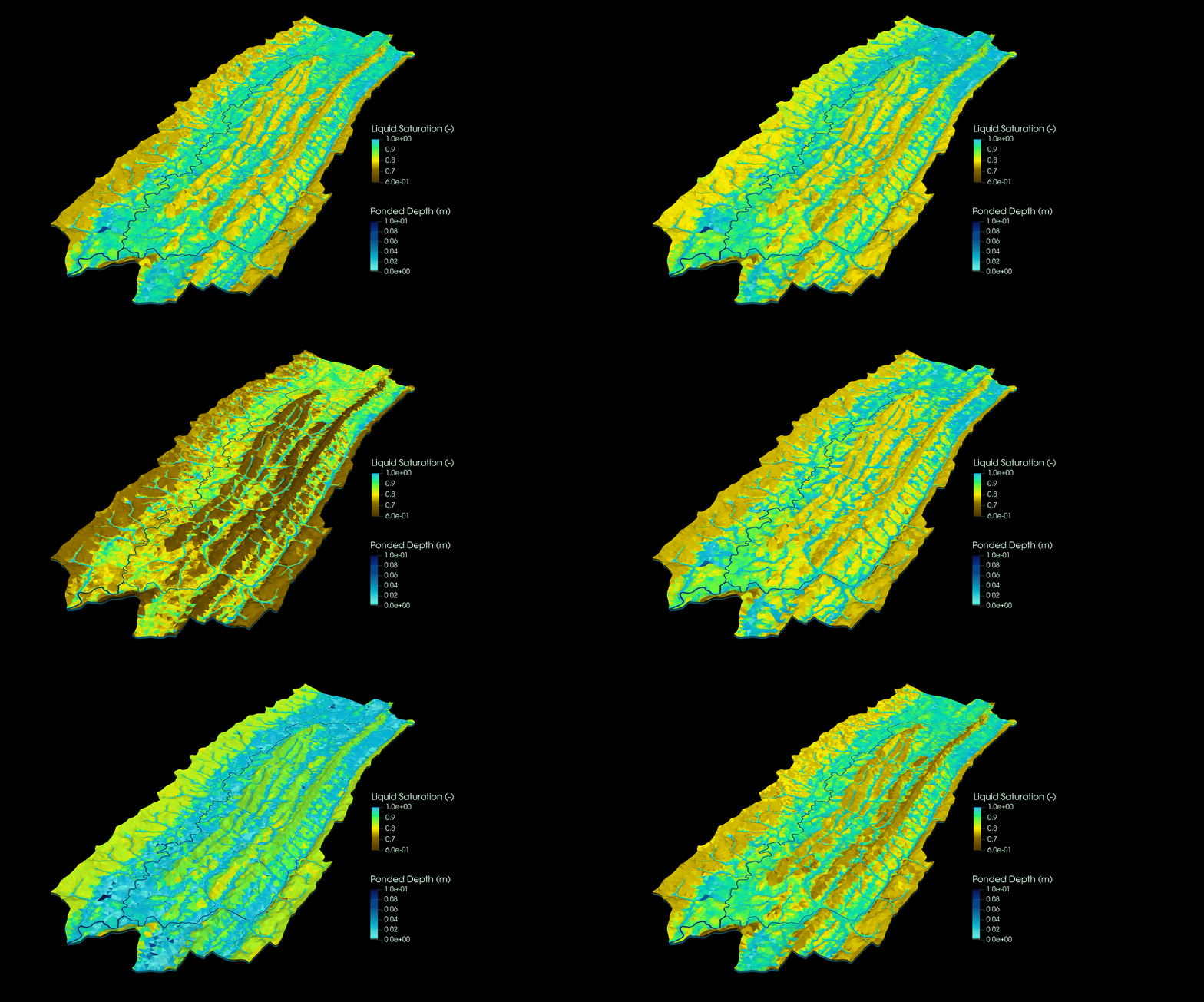
Since its inception as a modeling tool to understand Arctic landscapes, the Advanced Terrestrial Simulator (ATS) has become a flexible platform used to analyze the nation’s range of interconnected land and water systems, from the energy asset-rich U.S. Southeast to Great Lakes-adjacent farmlands. Scientists at the…
-
MBA students travel to Seoul, Hong Kong to explore media industries (opens the original)
The Trojans presented consulting projects to company executives during the educational visit.
-
George Mason helps teachers bring quantum science into K-12 classrooms (opens the original)
ckearney Thu, 10/08/2026 - 16:16 Body Quantum technologies are poised to transform computing, communications, and national security. At George Mason University, faculty are working to ensure students do not have to wait until college to begin…
-
UIS Graduate Took His Audiovisual Work to the Nomadic Biennial in New York (opens the original)
Visual artist and researcher Michael Angarita Tarzona, known as Divino Maik and a Master of Fine Arts graduate from Universidad Industrial de Santander, took part in the international exhibition Madness as Method: Disassembling Empire, held on Governors Island in New York. Colombian contemporary art reached one of…
-
Thermal Energy Storage for Data Center Heat Management: Lehigh University's Concrete Thermal Battery (opens the original)
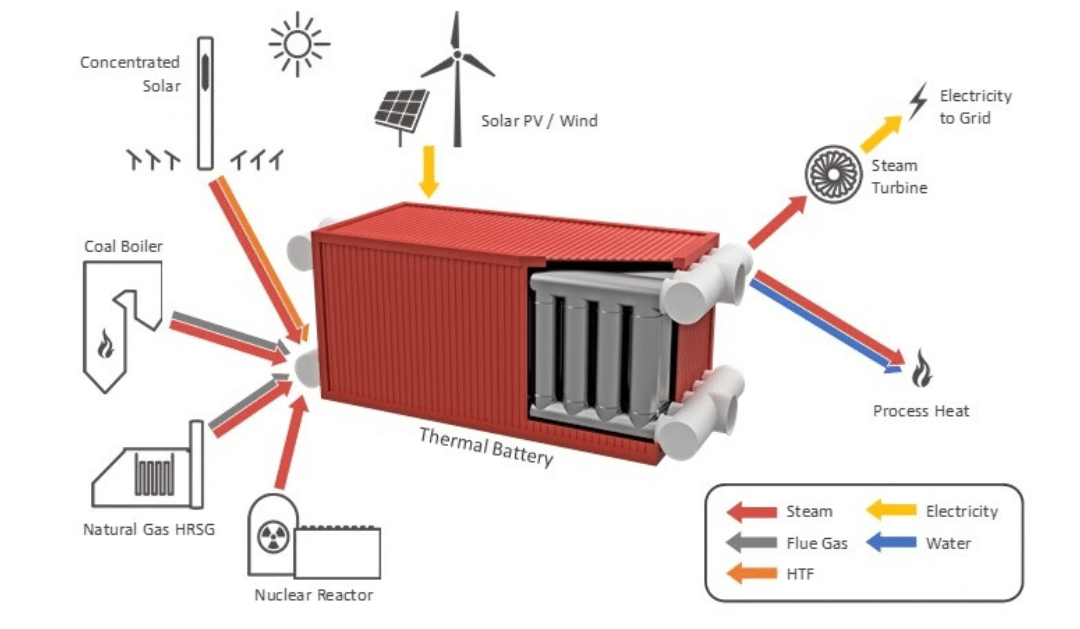
What thermal energy storage systems are used for data center cooling? Lehigh researchers have developed a concrete thermal battery that captures the waste heat from AI data centers and puts it back to work, easing pressure on local power grids and the environment as demand for digital services grows.
-
T-cell research reveals paths to better vaccines for COVID-19 and beyond (opens the original)
Distinct profiles between mild and severe COVID-19 patients reveal why some fight off infection easily while others don't, guiding the development of mutation-resistant vaccines.
-
Value-aligned messages increased COVID-19 vaccination intentions, study finds (opens the original)
Vaccine-hesitant adults were more likely to consider getting a COVID-19 vaccine when public health messages acknowledged distrust of government and affirmed values such as personal liberty, a new study found.
-
Dr. Joel Mohr Awarded Best Competitive Paper at Association for Consumer Research Conference (opens the original)
Article Uncovers “AI Brain Fog” Phenomenon
-
Nearly one in three new nurse practitioners educated at for-profit schools, study finds (opens the original)
cpikul@brown.edu October 8, 2026 PROVIDENCE, R.I. [Brown University] — For-profit schools appear to be playing an outsize role in training the nation’s expanding nurse practitioner workforce. That’s according to a study that found…
-
Berkeley helped make IceCube a success — and earn its leader the 2026 Nobel Prize in Physics (opens the original)
When Francis Halzen first proposed an experiment in the Antarctic ice to detect high-energy neutrinos, Berkeley’s Buford Price was all in.
-
New Research Exposes Hurdles for Small-Scale Food Producers (opens the original)
Although small-scale and Black, Indigenous, and people of color (BIPOC) food producers are more likely to meet measures that buyers say that they seek, there are market forces that keep them sidelined
-
USU Tracks Rapid Antimicrobial Resistance in Ukraine Combat Wounds (opens the original)
The ARROW study maps infection threats in prolonged field care to provide decision-support tools for frontline providers. Under contested skies where evacuation timelines stretch from hours to days, the ARROW study seeks to provide frontline providers with decision-support tools to manage severe wound infections…
-
Collaborative for the Earth Debuts Second National Broadcast Special on Forever Chemicals (opens the original)
Stony Brook University’s Collaborative for the Earth brought its national reporting on PFAS, or “forever chemicals,” with emerging student research on October 1 The post Collaborative for the Earth Debuts Second National Broadcast Special on Forever Chemicals first appeared on SBU News.
-
UMaine senior helps document seabird discovery during Project Puffin internship (opens the original)
On the afternoon of June 19, University of Maine senior Eily Buchanan spotted something peculiar through the narrow window of a wooden shelter while quietly monitoring and photographing seabirds on
-
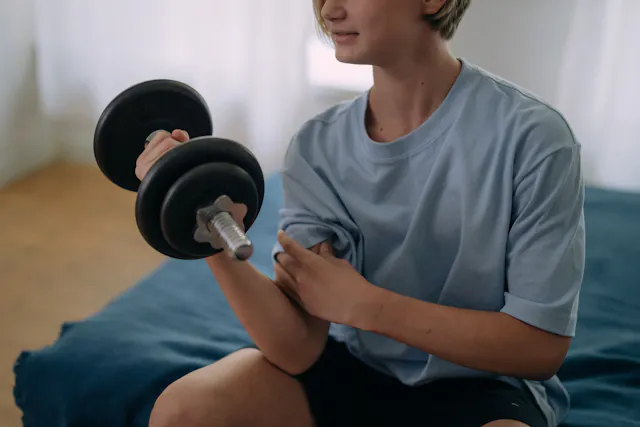
My son goes to the gym a lot. How can I tell if this is healthy or a sign something is wrong?
Here’s how parents can spot the difference between a boy who loves to train and one who has unhealthy feelings about his body.
Picture: Cottonbro Studio/ Pexels
-
Astronomers pinpoint the origin of a 10 billion-year-old millisecond signal from space
A flash of radio waves from a young galaxy 3 billion years after the Big Bang is lighting up 80% of the universe’s history.
Picture: NASA, ESA, CSA, STScI, Themiya Nanayakkara (USYD), Joseph DePasquale (STScI), CC BY
-
Why do runners get so many injuries? And does strength training really make a difference?
You can get fit relatively fast, but it takes a while for your muscles and tendons to catch up. Here’s what you can do.
Picture: Shengpengpeng Cai/Unsplash













Read: The Conversation, CORDIS, ESO, NASA, ScienceDaily and the newsroom feeds of 739 institutions. Last read: today. Each story's date is its publisher's. Where the news comes from, and what each source allows.