Science news
Recent stories from university newsrooms, The Conversation, CORDIS, observatories and ScienceDaily, each sorted into the fields, countries and institutions it is about, and each linked to the original publisher. Narrow them below by subject, country, institution, source, words or period. A signed-in reader can follow any filtered view and be told when a new story matches it.
683 stories match these filters.
-
Bringing single-cell dataset completeness into focus (opens the original)
palmroos@helsinki.fi Fri, 09/10/2026 - 10:19 Researchers at FIMM have developed a computational framework for estimating cellular diversity in single-cell datasets. The method provides a new way to assess the completeness of single-cell studies and addresses a…
-
Wheat pathogen adapts to fungicides and changing temperatures (opens the original)
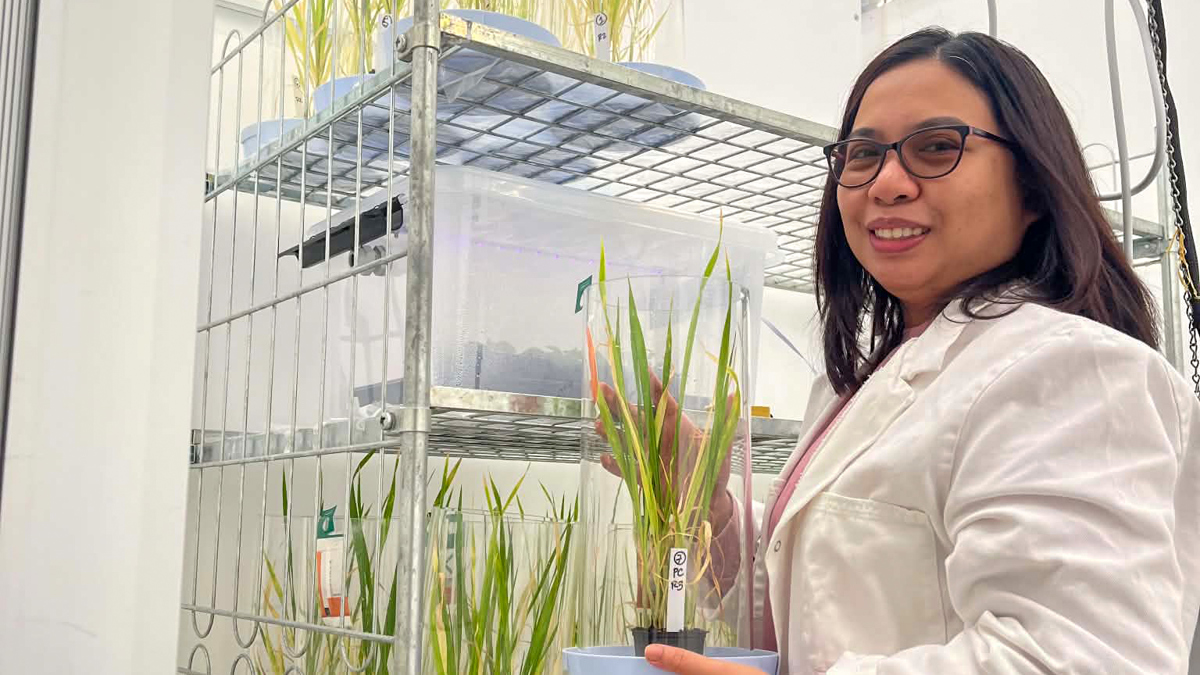
The wheat pathogen Zymoseptoria tritici can adapt to both fungicides and changing temperatures. In her doctoral thesis, Eula Gems Mateo Oreiro explores what drives this ability and what it means for future disease management.
-
Which is more filling, protein or fibre?
Protein is famous for filling us up and helping us stay full between meals. But fibre does this too – and most of us are not getting enough.
-
From Producer to Consumer: How Many Vitamins Remain in Fruit and Vegetables? (opens the original)
Are locally grown fruit and vegetables really richer in vitamins? Freshness, origin, production method, as well as the duration and conditions of storage all play a role, according to a study conducted by the Biotechnical Faculty of the University of Ljubljana and the Agricultural Institute of Slovenia.
-
AI was inspired by the brain. Open Culture is turning it into a tool for neuroscience. (opens the original)
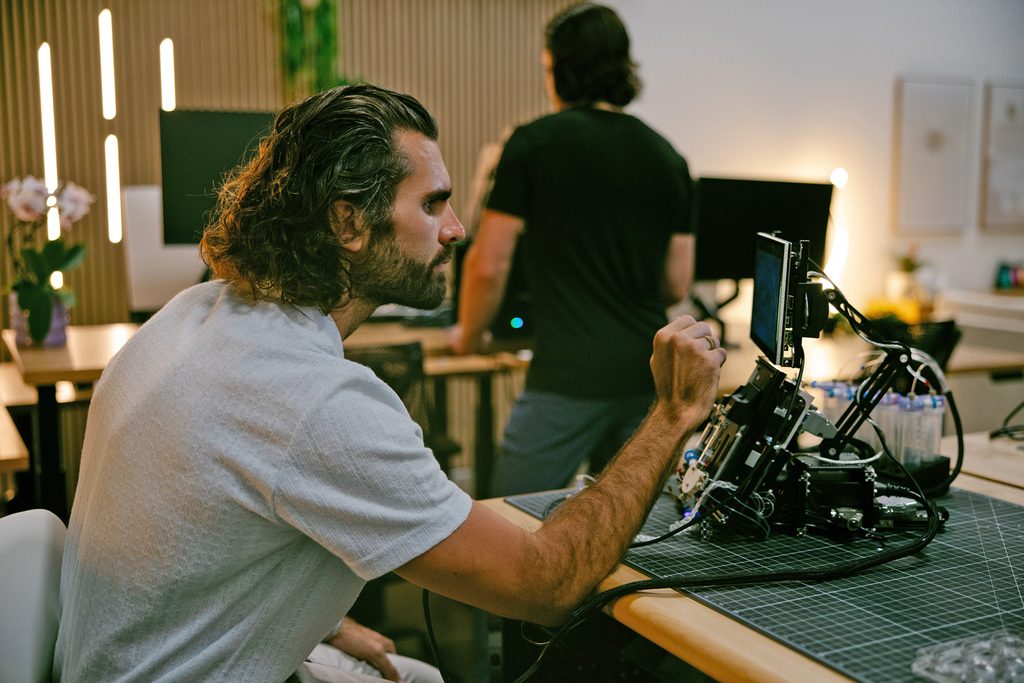
Spencer Seiler spent years building tiny automated laboratories capable of growing and studying millions of human neurons. Now, he’s pairing that technology with AI—and with help from QB3, turning years of academic research into a neuroscience tools company.
-
New gene therapy approach shows promise for treating rare muscular dystrophy (opens the original)
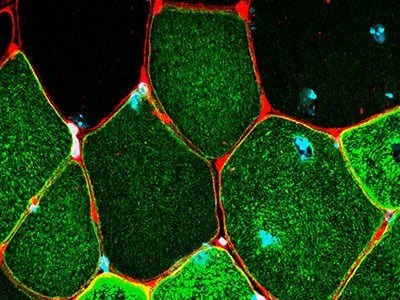
Researchers developed a gene therapy that restored dysferlin and improved muscle function in preclinical models of LGMDR2.
-
Global survey reveals limited public awareness of invasive alien species and little support for their management (opens the original)
A new global study involving the University of Stirling’s Dr Zarah Pattison has shown that fewer than half of people can name an invasive alien species occurring in their country, and that public support for measures to manage invasive species is generally low. Led by Ana Novoa and Petr Pyšek from the Institute of…
-
Why ‘vertical farming’ is not a fix for our food system
Growing plants indoors means replacing free sunlight with expensive, energy-intensive systems.
-
Nobel laureate Karl Deisseroth on how light is changing what we know about the brain
From algae to a Nobel prize: listen to The Conversation Weekly podcast to hear Karl Deisseroth explain his brain science breakthrough.
-
Are insects really ‘poor people’s food’?
Eating insects is often seen as a last resort when people are starving, and yet, in the countries where they are widely consumed, they are often a rare delicacy, even a luxury.
-
UNAM Cares Organic Waste-to-Food Production Project recognised by FAO as Global Good Practice in One Health (opens the original)
Six Namibian communities grow organic vegetables, oyster mushrooms, and train young “One Health Champions.” At the One Health Hubs, organic waste is being turned into mushrooms, organic vegetables and new skills in six Namibian communities. The work has now earned global recognition from the Food and Agriculture…
-
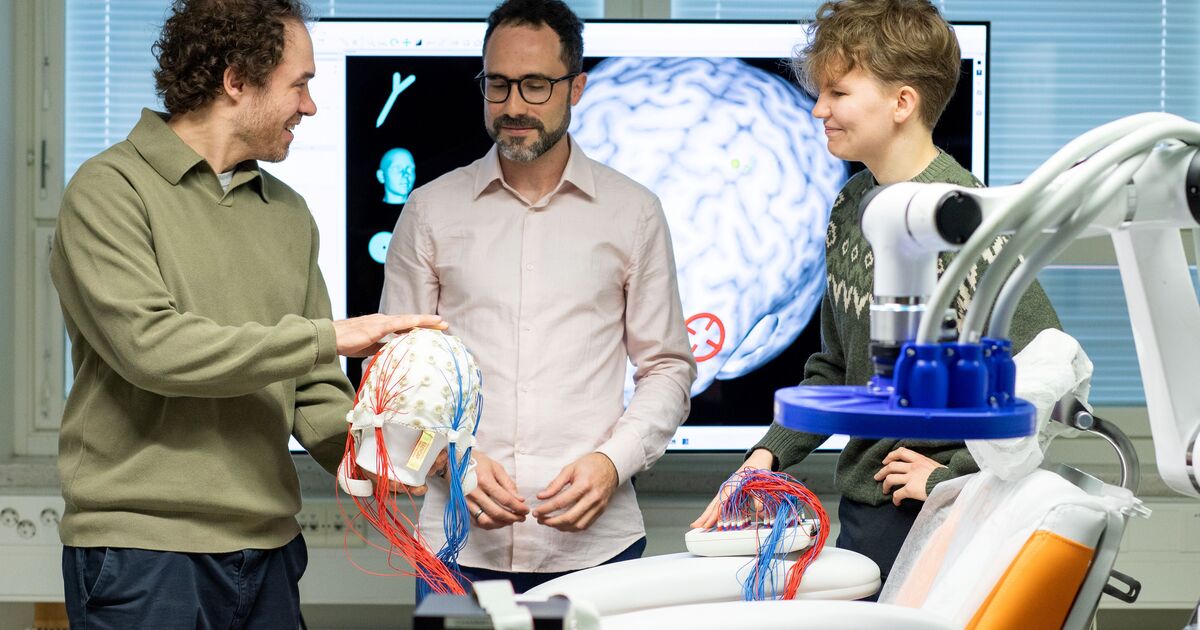
Health x technology: Magnetic stimulation activates neurons to target depression (opens the original)
Brain stimulation has helped depression patients for years, yet only a small minority can access the therapy. Researchers are now making it easier, faster, and more personalised.
-
Could a simple blood test assess gut health in coeliac disease? (opens the original)
The blood tests currently used do not provide a complete picture of gut health in people with coeliac disease. Researchers have identified proteins in the blood that may offer more accurate information for monitoring patients.
-
The path to climate resilience in cities and rural areas (opens the original)
08.10.2026 Hot, dry summers, more frequent heavy rainfall: Switzerland is facing the impact of climate change. Professor Jerylee Wilkes-Allemann, a forest scientist at BFH-HAFL, explains how urban and landscape
-
Your future in food science, nutrition and dietetics (opens the original)
Anonymous (not verified) Thu, 08/10/2026 - 12:00 Feature A degree in food science, nutrition and dietetics will equip you with the experience, skills and knowledge needed to start your career in this rewarding field. Discover more about our undergraduate courses…
-
Thinking of taking melatonin to help you sleep? Here’s what you need to know
Your eyes detect when darkness falls, triggering the brain to produce melatonin. But do supplements always have the same effect?
-
WT to Build Beef Cattle Research Facility with $9.75 Million USDA Grant (opens the original)
West Texas A&M University has received a $9.75 million grant from the U.S. Department of Agriculture—the largest federal award in University history—to fund what promises to be the most advanced cattle feedlot research facility in the world.
-
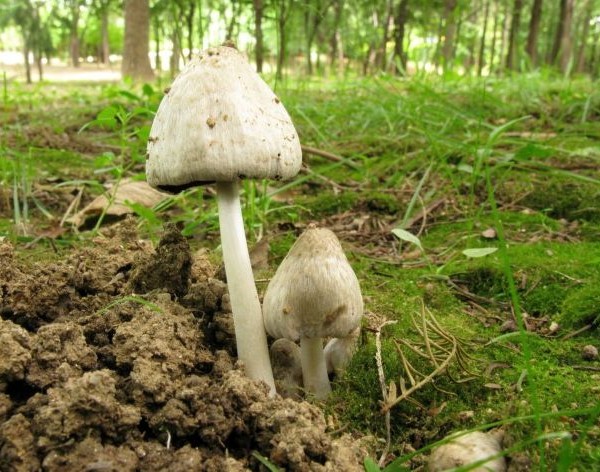
DMU finds Leicester's past written in the soil (opens the original)
The signature of Leicester's past can still be found in the soil of its parks and open spaces, and even in the fungi growing there, according to DMU scientists.
-
DMU finds Leicester's past written in the soil (opens the original)
The signature of Leicester's past can still be found in the soil of its parks and open spaces, and even in the fungi growing there, according to DMU scientists.





Read: The Conversation, CORDIS, ESO, NASA, ScienceDaily and the newsroom feeds of 751 institutions. Last read: today. Each story's date is its publisher's. Where the news comes from, and what each source allows.