Science news
Recent stories from university newsrooms, The Conversation, CORDIS, observatories and ScienceDaily, each sorted into the fields, countries and institutions it is about, and each linked to the original publisher. Narrow them below by subject, country, institution, source, words or period. A signed-in reader can follow any filtered view and be told when a new story matches it.
2,862 stories match these filters.
-
Open Access Week 2026: Exploring ‘The Cost of Knowledge’ (opens the original)
Open Access Week begins Oct. 19. The initiative was created to examine the potential benefits of free, immediate online access to the results of scholarly research, and the right to use and re-use those results as needed.
-
Khalifa University Develops Carbon Nanotube Rectennas for Self-Powered Infrared Sensing and Future Broadband Communications (opens the original)
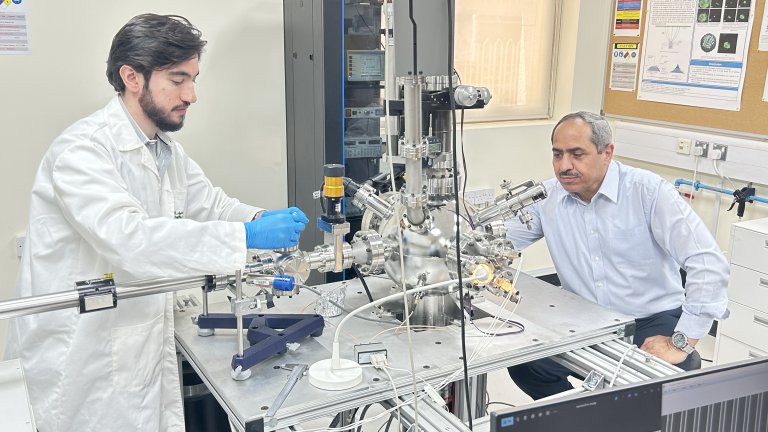
Khalifa University researchers have developed a carbon nanotube rectenna that detects near-infrared radiation without an external power supply, advancing compact, low-power sensing with potential applications in optical and terahertz communications. Published in Materials Today Nano as “Carbon nanotube-based rectenna…
-
MMU Students Put Cybersecurity Ideas into Practice at 2026 Showcase (opens the original)
More than 50 student groups showcased their cybersecurity projects and solutions at the Cybersecurity Showcase 2026, held at the Persada Permata Dunia Hall, MMU Melaka, in September 2026. Organised by the Faculty of Business (FOB) under the theme “Securing the Age of Generative AI,” the showcase brought students…
-
Zankore’s AI Factory: Can Central Java afford the water cost?
Java’s northern coast faces severe water-catchment degradation, yet an AI center requiring massive amounts of water is planned there.
-
Husker researchers explore hidden nitrogen, new ways to reduce groundwater risk (opens the original)
A Husker research team has received a three-year, $496,722 National Science Foundation grant to investigate an understudied reservoir of organic nitrogen that may shape groundwater quality long after nitrogen management strategies are in place. A separate five-year, $357,000-plus award from the Nebraska Corn Board…
-
SIU’s 2026 Earth Science Week events focus on critical minerals, public invited (opens the original)
Southern Illinois University Carbondale researchers are observing Earth Science Week by exploring some of today’s most important environmental and Earth science challenges — from plastic pollution and soil health to critical minerals, earthquakes and water quality.
-
‘We will not be sacrificed’: Pacific climate voices were clear and strong this week – and we’re listening
I witnessed a genuine desire for the world to engage with the people affected by climate change.
-
Is this the ‘mathocalypse’? Why OpenAI’s latest results dump has left mathematicians in shock
OpenAI released 722 new AI-generated mathematical papers at once – three have been retracted, and mathematicians are coming to grips with the rest.
-
After Firmus shelved the biggest ASX listing in 30 years, what does it say to investors about AI hype?
This week’s Firmus rollercoaster offers some useful lessons – including what to always look for before investing any money.
-
From bogong moths to Christmas beetles – how to slow down and spot more insects
Spring is the perfect time to get outside and appreciate our tiniest critters.
Picture: Katrin Bolovtsova/Pexels
-
Australia's bushfire crisis linked to colonial land use change (opens the original)
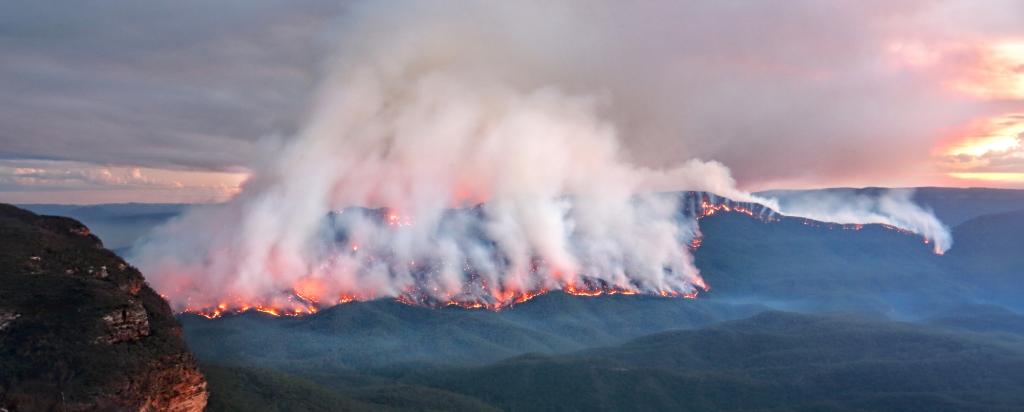
Published on the 9th October 2026 by ANSTO Staff Share to FacebookShare to BlueskyShare to LinkedIn Key Points Research has found that colonialisation drove cascading changes in the landscape: increased fire temperature, a four-fold increase in eucalypt…
-
Energy from the Landfill (opens the original)
The mountains of waste piling up at the Putri Cempo landfill reveal real potential to be turned into a source of renewable electricity through a gasification process.
-
Sandstorm: Ladd Keith's heat research, grown in Tucson, finds global impact (opens the original)
nprevenas Thu, 8 Oct 2026 - 14:18 Sandstorm: Ladd Keith's heat research, grown in Tucson, finds global impact Image Ladd Keith Chris Richards/University Communications Today Ladd Keith grew up just miles from the University of Arizona and…
-
AI turns bodycam footage into text. Can it keep the speakers straight? (opens the original)
AI police reports promise less paperwork, but getting the words right is only part of the job. Who said what matters, too.
-
RESEARCH: Industrial waste can be a key ingredient in low-carbon cement, new Concordia study shows (opens the original)
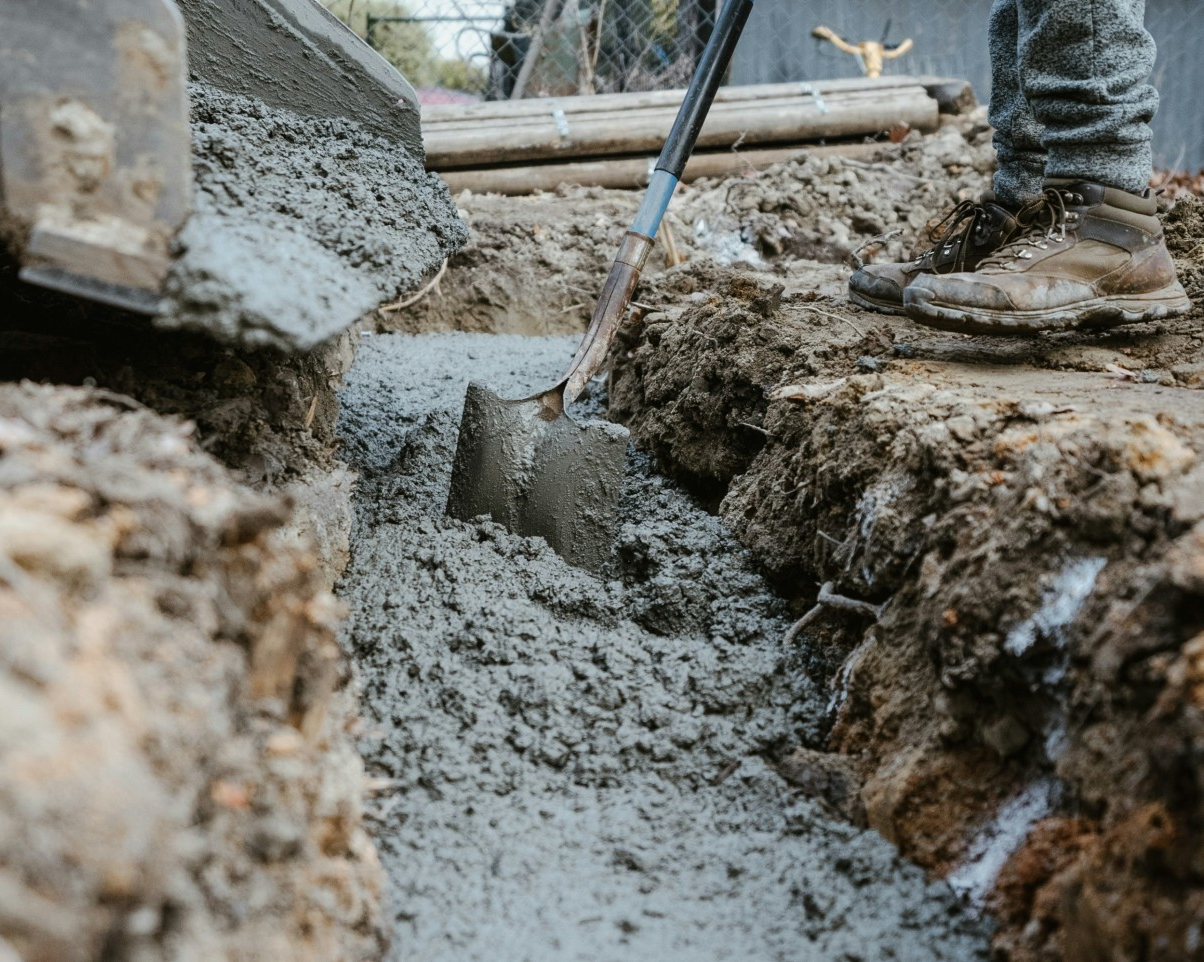
Red mud mixed with dredged sediment can reduce cement-based emissions by up to 50 per cent
-
Smarter watershed simulations gauge risks for US infrastructure (opens the original)
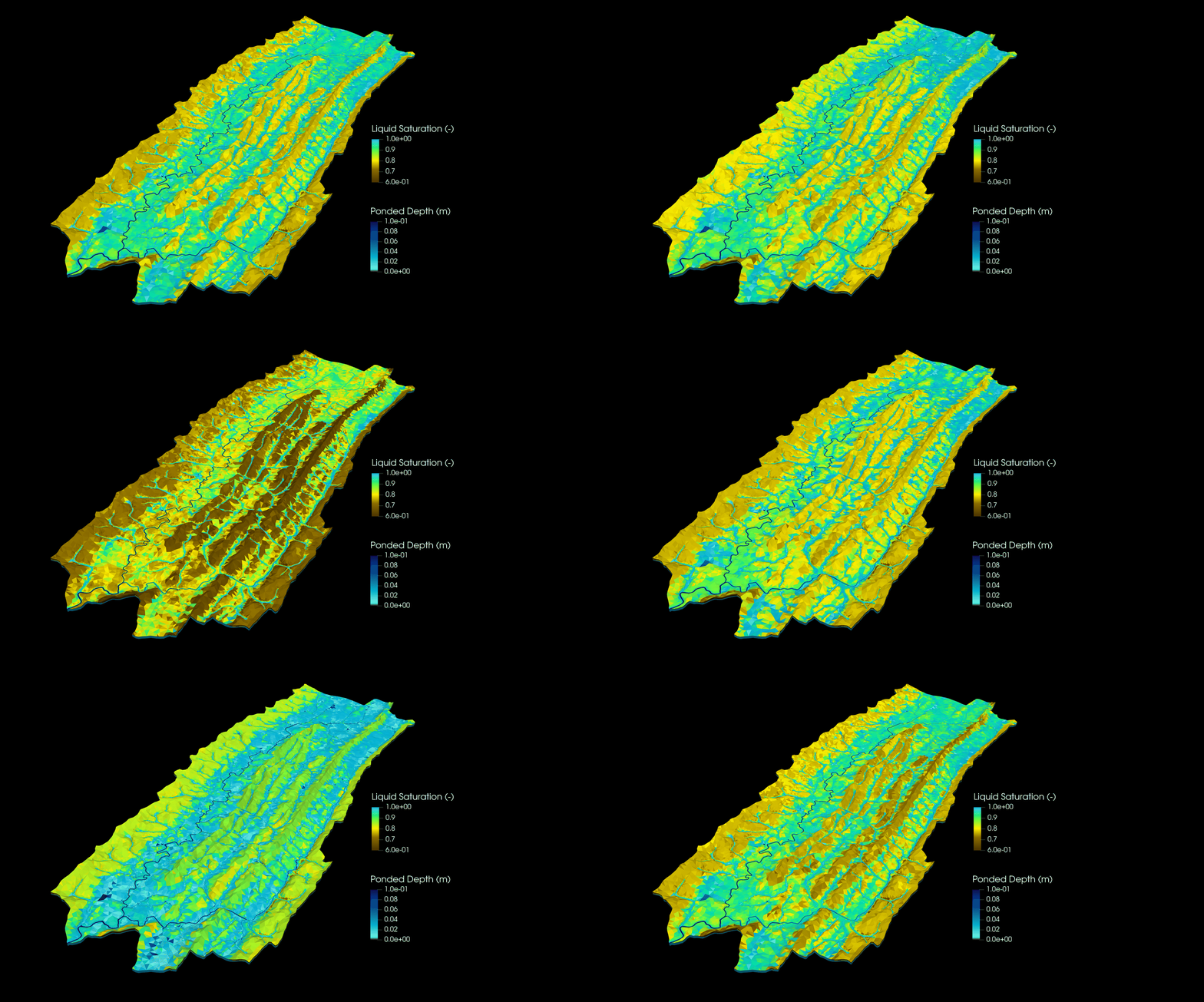
Since its inception as a modeling tool to understand Arctic landscapes, the Advanced Terrestrial Simulator (ATS) has become a flexible platform used to analyze the nation’s range of interconnected land and water systems, from the energy asset-rich U.S. Southeast to Great Lakes-adjacent farmlands. Scientists at the…
-
Thermal Energy Storage for Data Center Heat Management: Lehigh University's Concrete Thermal Battery (opens the original)
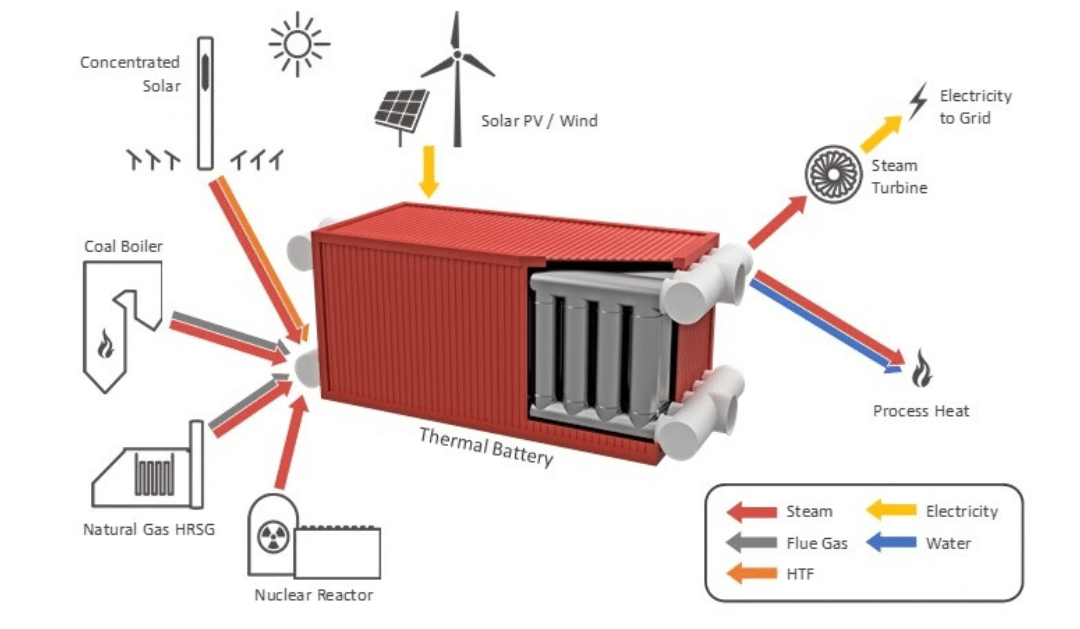
What thermal energy storage systems are used for data center cooling? Lehigh researchers have developed a concrete thermal battery that captures the waste heat from AI data centers and puts it back to work, easing pressure on local power grids and the environment as demand for digital services grows.
-
Berkeley helped make IceCube a success — and earn its leader the 2026 Nobel Prize in Physics (opens the original)
When Francis Halzen first proposed an experiment in the Antarctic ice to detect high-energy neutrinos, Berkeley’s Buford Price was all in.
-
Astronomers pinpoint the origin of a 10 billion-year-old millisecond signal from space
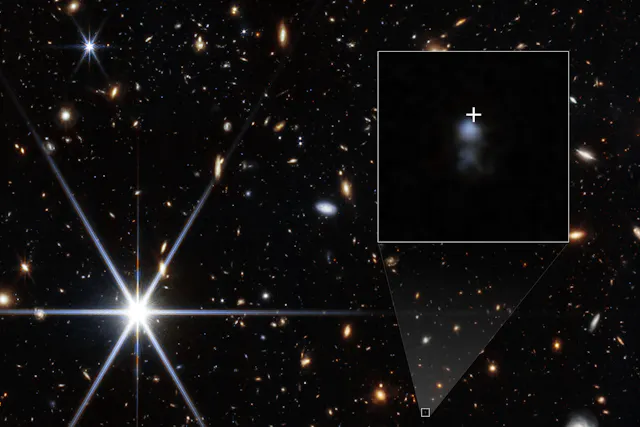
A flash of radio waves from a young galaxy 3 billion years after the Big Bang is lighting up 80% of the universe’s history.
Picture: NASA, ESA, CSA, STScI, Themiya Nanayakkara (USYD), Joseph DePasquale (STScI), CC BY
-
Hoping for a ‘new normal’ climate is pointless. We must learn to adapt
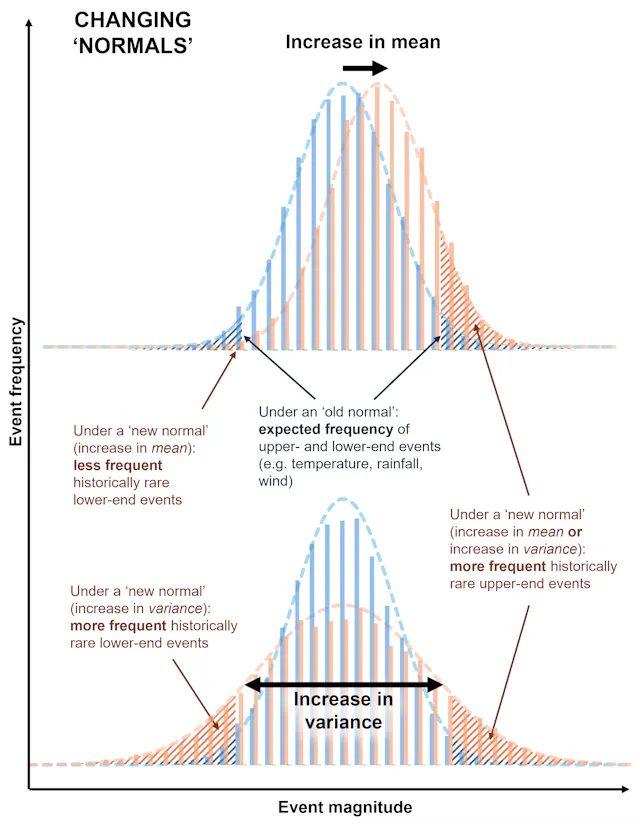
It’s increasingly common to hear climate-fuelled disasters described as the ‘new normal’. But our desire for normality and predictability is wishful thinking
Picture: Author provided image






Read: The Conversation, CORDIS, ESO, NASA, ScienceDaily and the newsroom feeds of 739 institutions. Last read: today. Each story's date is its publisher's. Where the news comes from, and what each source allows.