Science news
Recent stories from university newsrooms, The Conversation, CORDIS, observatories and ScienceDaily, each sorted into the fields, countries and institutions it is about, and each linked to the original publisher. Narrow them below by subject, country, institution, source, words or period. A signed-in reader can follow any filtered view and be told when a new story matches it.
11,989 stories stored from the last six months.
-
Snakebites are a far bigger problem than we knew: new study maps the hidden dangers
As many as 7 million people could be experiencing snake envenoming in a year, based on a literature review and geostatistical modelling study.
-
8th UK-India Science and Innovation Council Statement (opens the original)
The UK and India have agreed new science and innovation partnerships, including on technology, research and AI cooperation, to boost growth and innovation.
-
Data-based art serves as novel teaching tool for Oakland students (opens the original)
The exhibit’s physicalized representations of natural science concepts are attracting Oakland professors to use them in the classroom.
-
Political violence: How justifications influence voter approval (opens the original)
A study shows under what conditions party supporters in India endorse violence and reject peaceful dialogue
-
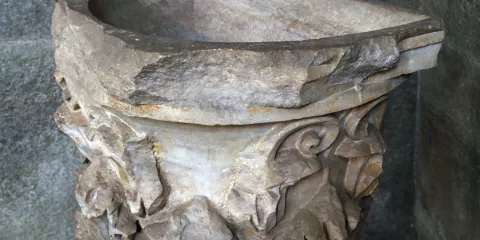
Archaeology: Paola Biavaschi among the contributors to Aedificia demoliri, a new volume on the reuse of building materials in Roman and medieval law (opens the original)
Lun, 12/10/2026 - 14:56 Paragrafo The volume Aedificia demoliri et marmora detrahere. Reimpiegare a norma di legge. La pratica dello spoglio e del reimpiego nel diritto…
-
Significantly more first-year college students than expected (opens the original)
At the start of the 2026–27 winter semester, more than 2,200 first-year students will begin their studies at the University of Siegen. The university expects a total of about 13,000 students—despite the “small high school graduating class.”
-
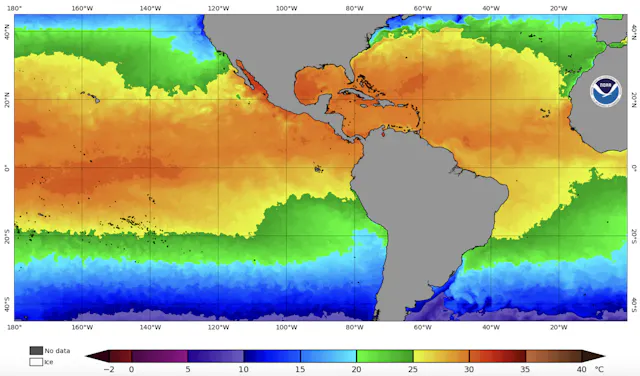
How much rain can a hurricane make, and does the storm size matter?
Storms big and small can produce a lot of rain. What matters most is how fast they’re moving, as an atmospheric scientist and educator explains.
Picture: NOAA
-
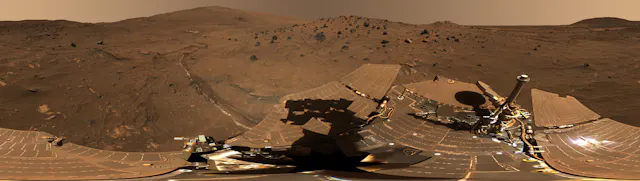
Physics Nobel highlights Antarctica’s role in exploring the cosmos
For more than a century, scientists have treated Antarctica’s environments as windows into worlds beyond Earth.
Picture: NASA/JPL
-
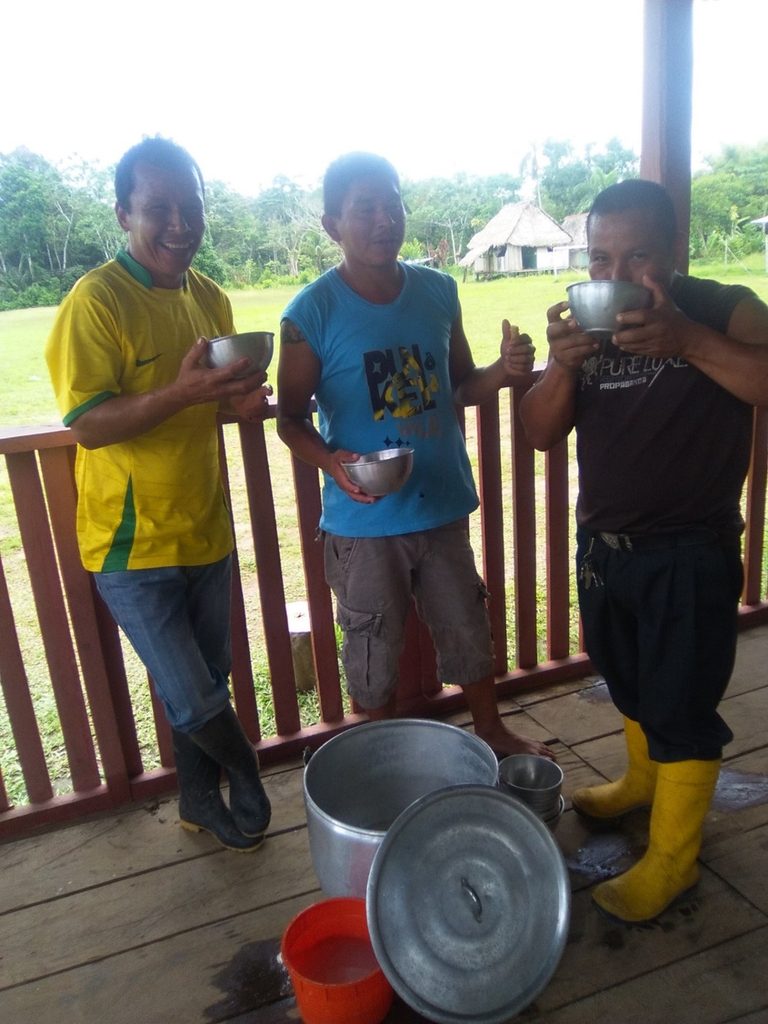
Ancient people relied on genetic variation already present in wild plants to domesticate crops like rice and corn
New genomic tools let scientists dig into the family trees of crops like rice, corn and adzuki beans to learn more about how they transitioned from wild plants to domesticated crops.
-
I teach doctors how to interpret test results – and the labels ‘normal’ and ‘abnormal’ often hide what matters most
Labeling medical test results as ‘normal’ or ‘abnormal’ helps clinicians make quick judgments when diagnosing patients. But this binary approach to interpreting tests can lead to fatal errors.
-
When AI reviews the reviewers: Who is judging our research? (opens the original)
Artificial intelligence (AI) can help researchers write, analyse data and search vast amounts of information. FARIDA KADANGO Mon, 10/12/2026 - 14:18 /sites/news.nwu.ac.za/files/files/attach/2026-10/AI-research-ICON.jpg
-
Study explores why Indigenous communities may accept oil extraction despite its harms (opens the original)
The uneven distribution of oil extraction’s impacts and benefits helps explain why some Indigenous communities... Study explores why Indigenous communities may accept oil extraction despite its harms appeared first on University of Exeter News.
-
EurAI Session (opens the original)
Joint International Scientific Conferences on AI and Machine Learning b.breuer@maast… Mon, 10/12/2026 - 14:06 Wednesday, 21 October | 11:30 - 112:30 | PHS1 room C0.020 Perspectives from Benelux EurAI Honorees, with Ann Nowé, Frank van Harmelen, Luc De Raedt, and Mehdi Dastani. Prof. Dr. Ann Nowé Ann…
-
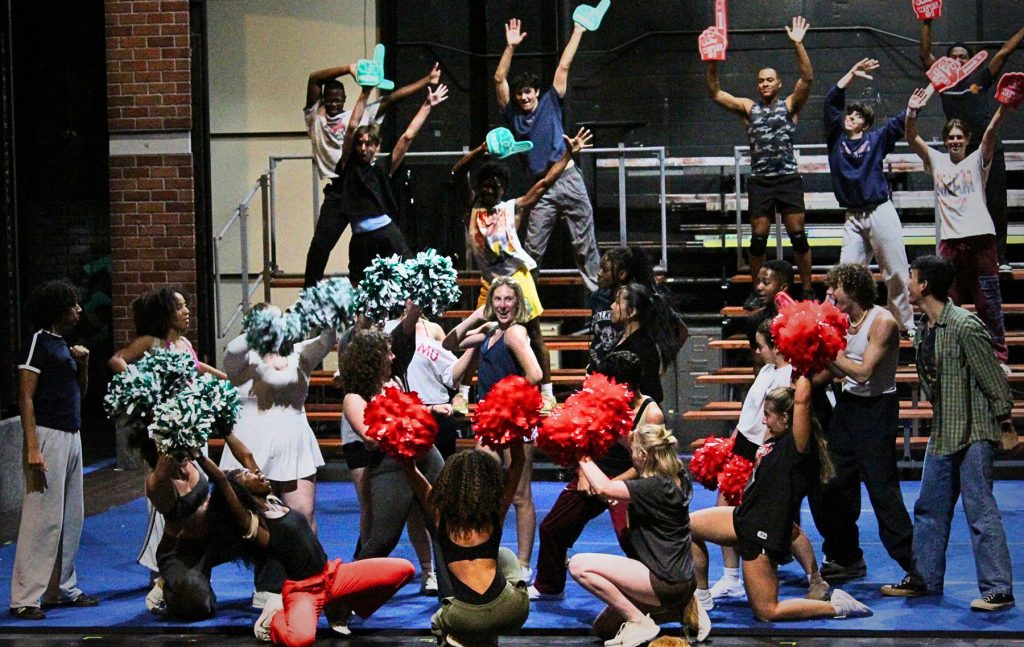
FSU School of Theatre brings ‘Bring It On: The Musical’ to the stage Oct. 16-25 (opens the original)
The Florida State University School of Theatre will present “Bring It On: The Musical,” a high-energy production featuring music by
-
The Commission launches a repository for transparency information on online political ads (opens the original)
Commission launches pilot European Repository for online political ads, boosting transparency and accountability. The platform helps publishers meet rules and enables researchers, journalists and citizens to scrutinise sponsors, funding and targeting.
-
Environment Agency issues permit variation for Powerfuel Portland (opens the original)
The application has been carefully assessed and the Agency is satisfied there will be no significant impact on the environment or harm to human health
-
AI Beyond the Hype. From Intelligence to Epistemia (opens the original)
Tipo Social Youtube Data pubblicazione Venerdì, 2 ottobre 2026 Collegamento https://www.youtube.com/watch?v=FV3Ig4iLAR0 Icona
-
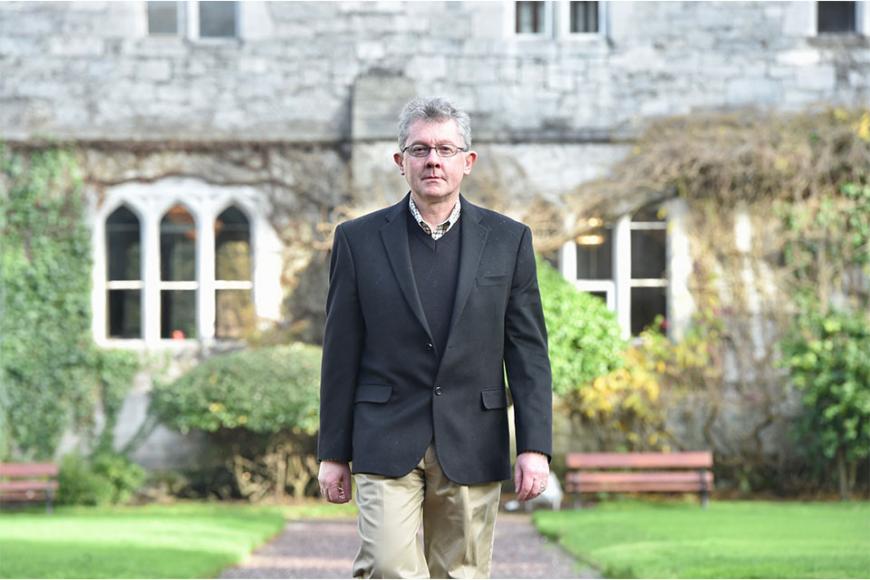
Professor Davis awarded IOP Faraday Prize (opens the original)
Professor JC Séamus Davis has been awarded the Institute of Physics Michael Faraday Medal and Prize for his discovery and exploration of macroscopic quantum phenomena and states of matter.
-
Women consistently experience more pain than men across 11 body parts (opens the original)
A large global study spanning 118 countries, published in Nature Medicine, has found that women consistently report more pain than men across 11 bodily sites, including the back, head, face, knees, chest, abdomen and hips. The study also found that, across sexes, the sharpest increases in self-reported pain tend to…






Read: The Conversation, CORDIS, ESO, NASA, ScienceDaily and the newsroom feeds of 739 institutions. Last read: today. Each story's date is its publisher's. Where the news comes from, and what each source allows.