Science news
Recent stories from university newsrooms, The Conversation, CORDIS, observatories and ScienceDaily, each sorted into the fields, countries and institutions it is about, and each linked to the original publisher. Narrow them below by subject, country, institution, source, words or period. A signed-in reader can follow any filtered view and be told when a new story matches it.
683 stories match these filters.
-
Exploring how plants thrive in a changing environment (opens the original)
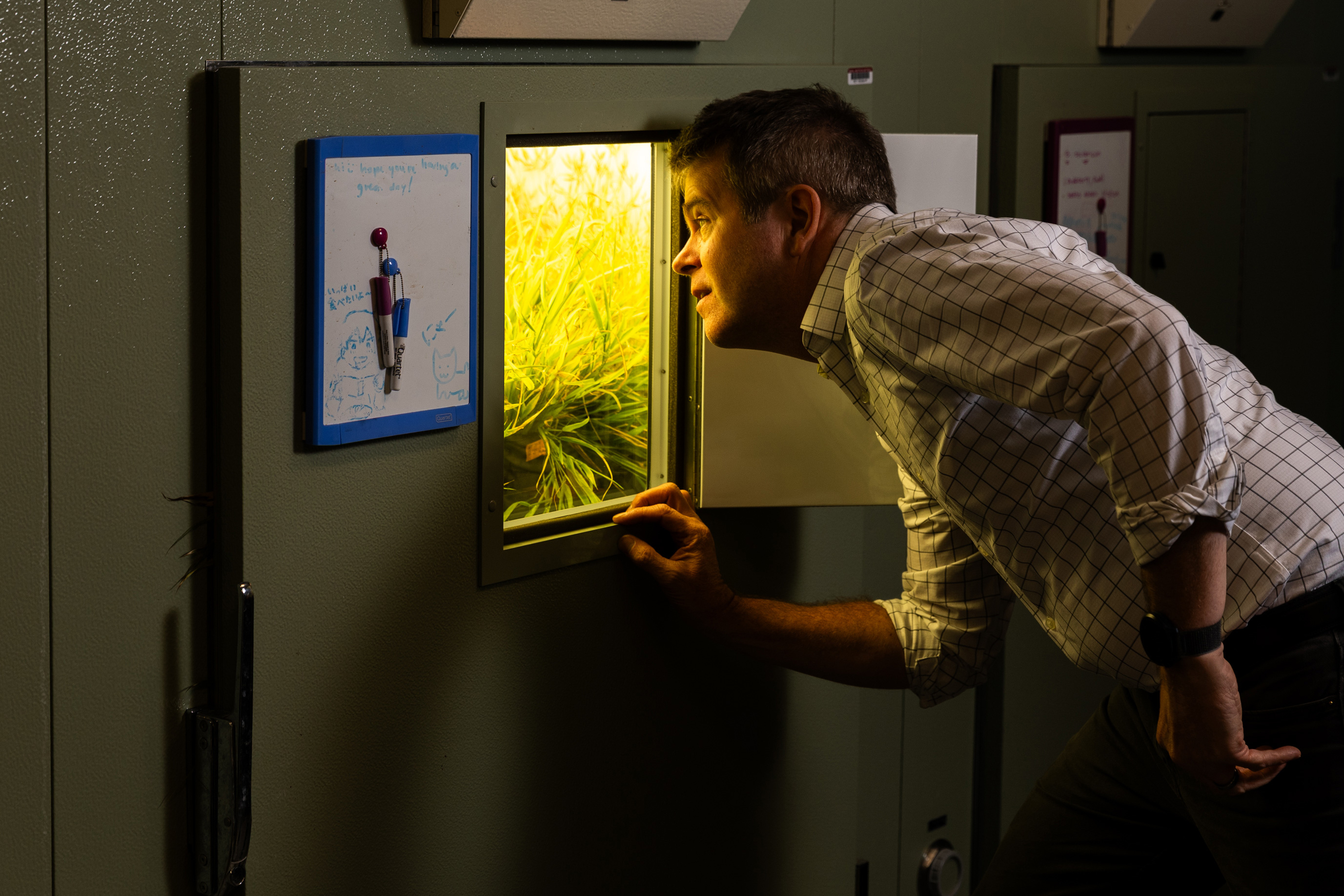
Associate Professor David Des Marais studies how plants interact with their surroundings and adapt over time.
-
Swimming in Fungi (opens the original)
Duke researcher Amy Gladfelter studies fungal cells to uncover clues about everything from disease and pregnancy to how organisms adapt to stress
-
Tue, 13 Oct 2026 00:00:00 UTC CUHK and SZU research team develops “Potato Turned Rice” to enhance national food security and combat intestinal inflammation (opens the original)
A collaborative research team led by Professor Jack Wong Wing-tak from the School of Life Sciences at The Chinese University of Hong Kong (CUHK), together with Professor Wu Chi, Academician of the Chinese Academy of Sciences and Director of the Food Science and Processing Research Center at Shenzhen University (SZU)…
-
New sensor developed at Oregon State shows promise for fast, low-cost food-quality testing (opens the original)
Researchers in the Oregon State University College of Science have developed a new electrochemical sensor for rapidly and accurately detecting a naturally occurring compound widely used in the food, beverage and fragrance industries.
-
Deadly fungi are harming Australia’s wild reptiles. This is how to stop the spread
People who love Australia’s reptiles could unwittingly carry deadly fungal diseases from one animal to another. But this is easy to prevent.
-
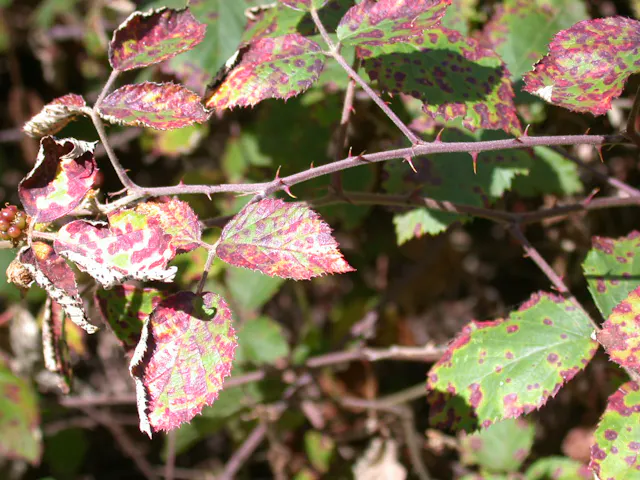
Over 40 years ago, a mystery vigilante released a fungus to control blackberry in Australia. But why?
Blackberries have long been a problem for Australian farmers and bushwalkers. But who would have illegally released a fungus as a biological control?
Picture: CSIRO/Wikimedia, CC BY-NC-ND
-
UGM Expert Urges Stronger Rat Surveillance and Health Worker Preparedness Against Plague (opens the original)
Indonesia’s Ministry of Health has increased vigilance at the country’s entry points after reports of a suspected plague outbreak in Irkutsk, Siberia, Russia. The case emerged after a laboratory worker died in circumstances suspected to be closely associated with exposure to Yersinia pestis, the bacterium that causes…
-
Why do some children become seriously ill with COVID? The answer may lie in their genes
Many of the genes our study identified were involved with immune responses.
-
Ancient people relied on genetic variation already present in wild plants to domesticate crops like rice and corn
New genomic tools let scientists dig into the family trees of crops like rice, corn and adzuki beans to learn more about how they transitioned from wild plants to domesticated crops.
-
Benha University President Leads a Research Team to Establish an Egyptian-Chinese Smart Agriculture Laboratory to Combat Poverty and Enhance Food Security with 20 Million EGP Funding (opens the original)
A new international scientific partnership between Benha University and Huazhong Agricultural University in China aims to develop innovative solutions to address the challenges of climate change and water scarcity.
-
Dagli alimenti funzionali al pasto funzionale: alla Scuola Superiore Sant’Anna i dieci anni della ristoceutica (opens the original)
From Functional Foods to Functional Meals: Ten Years of Ristoceutica at the Sant’Anna School m.nardini Mon, 10/12/2026 - 11:40 A food may possess health-promoting properties. But what happens when it is combined with other ingredients, transformed through cooking, and consumed as part of a meal? Do its beneficial…
-
AI system could transform rabies testing around the world (opens the original)
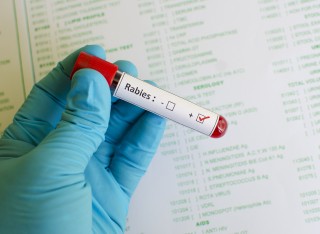
vb0027 Mon, 12/10/2026 - 09:09 Press release Rabies virus detection in cell cultures could soon become faster and more accessible, thanks to a world-first AI system developed by researchers at the University of Surrey’s Institute for People-Centred AI (PAI) in…
-
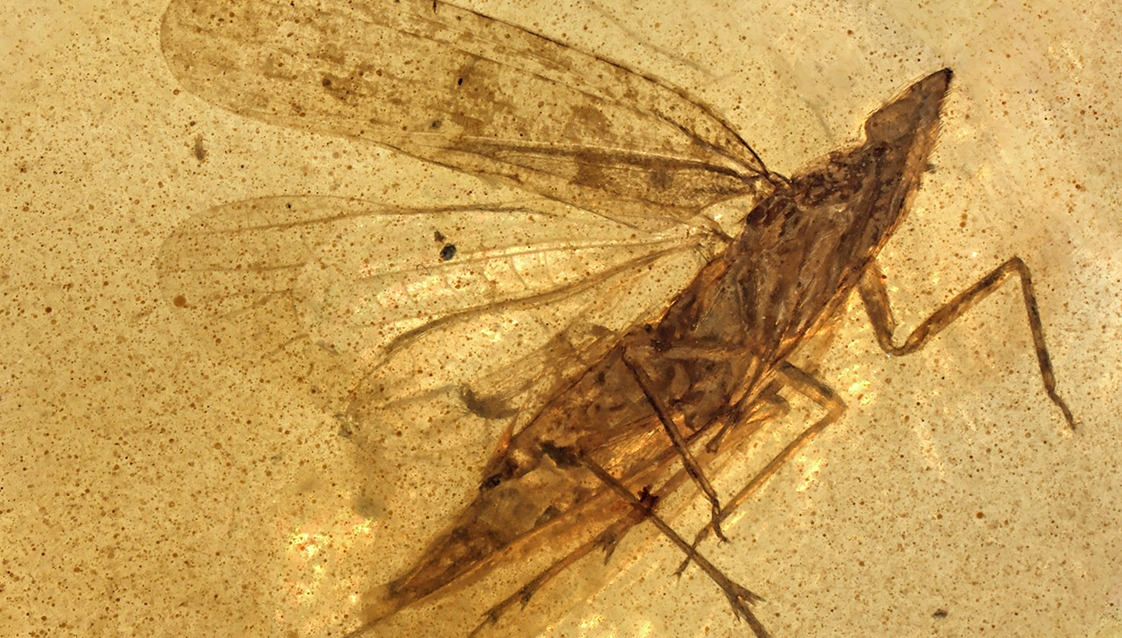
Meet “Noo-Noo”: A 99-Million-Year-Old Insect with a Surprising Secret (opens the original)
TAU researchers discover a new insect species from the age of the dinosaurs, revealing an unusual feeding mechanism that has disappeared from the insect world today. תוכן: Some 99 million years ago, during the age of the dinosaurs, a tiny insect belonging to a species previously unknown to science became trapped in…
-
UNILORIN GgMAX Poultry Farm Limited unveils GEE-WELL graduate entrepreneurs (opens the original)
By Mustafa Abubakar and Omowumi Alao The Department of Animal Production, University of Ilorin and General Management of UNILORIN Poultry Enterprise (GgMAX) Farm Limited has unveiled the GEE-WELL (Graduate Entrepreneurs Executive-Work, Earn…
-
Motor Characteristics of Early Walking Children with Williams Syndrome Research (opens the original)
ps111io Sat, 10/10/2026 - 17:36 News A journal article, led by Gloria Yoshkova and published in April 2026, examines motor characteristics of first unsupported walking in toddlers with Williams syndrome (WS) compared to neurotypical…
-
Why fall yard care could start with doing less – but not nothing
Fallen leaves provide essential winter habitat for native pollinators and provide natural mulch for the soil. If you have to clear some leaves, don’t get rid of them entirely: Move them out of sight.
-
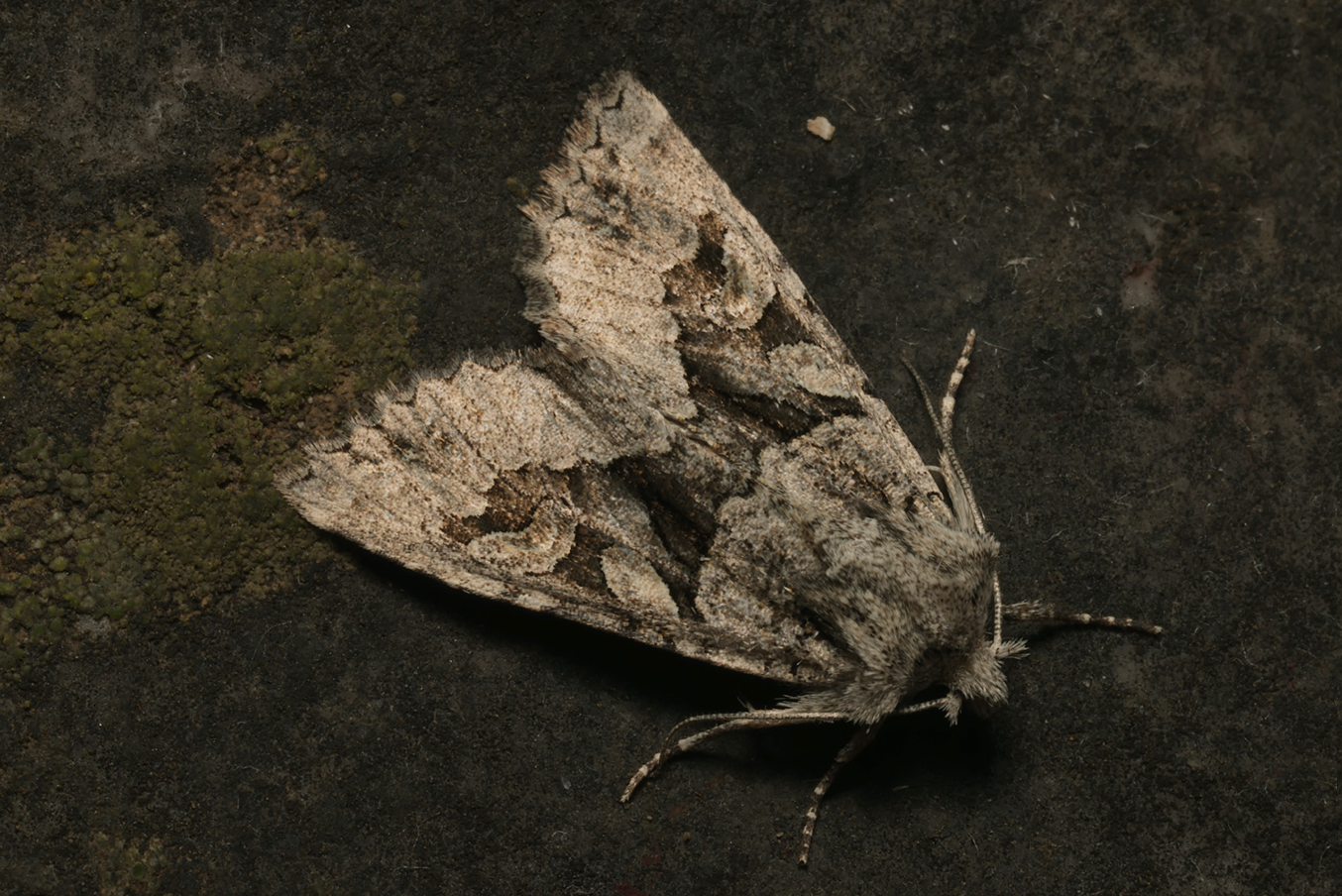
A moth rediscovered after more than 130 years (opens the original)
Research in the Western Tien Shan has led to the rediscovery of a little-known species and the description of a new subgenus, Graeserotodes The history of this moth began more than 130 years ago. In 1892, the German entomologist Ludwig Graeser described the little-known Central Asian noctuid moth Dryobota contermina…
-
The gut-muscle link: why fermented foods could boost muscle health
This connection could explain why foods which are good for gut health can also be beneficial for our muscles.
-
Aspens ‘remember’ past drought in their leaves (opens the original)
Research uncovers how chemical compounds that protect aspens from insects and pathogens rise and fall in response to drought.
-
How to meal prep safely: a microbiologist’s step-by-step guide
Meal prep can be useful. By following these tips, you can also ensure your meals are safe.






Read: The Conversation, CORDIS, ESO, NASA, ScienceDaily and the newsroom feeds of 751 institutions. Last read: today. Each story's date is its publisher's. Where the news comes from, and what each source allows.