Science news
Recent stories from university newsrooms, The Conversation, CORDIS, observatories and ScienceDaily, each sorted into the fields, countries and institutions it is about, and each linked to the original publisher. Narrow them below by subject, country, institution, source, words or period. A signed-in reader can follow any filtered view and be told when a new story matches it.
2,861 stories match these filters.
-
UW researcher who studies ‘big and weird stars’ named next editor-in-chief of astronomy journals (opens the original)
UW astronomer Emily Levesque will soon add a new role as editor-in-chief of the prestigious American Astronomical Society Journals to her ongoing work studying red supergiants and other stellar oddities.
-
NASA Astronauts to Answer Questions from Florida Students (opens the original)
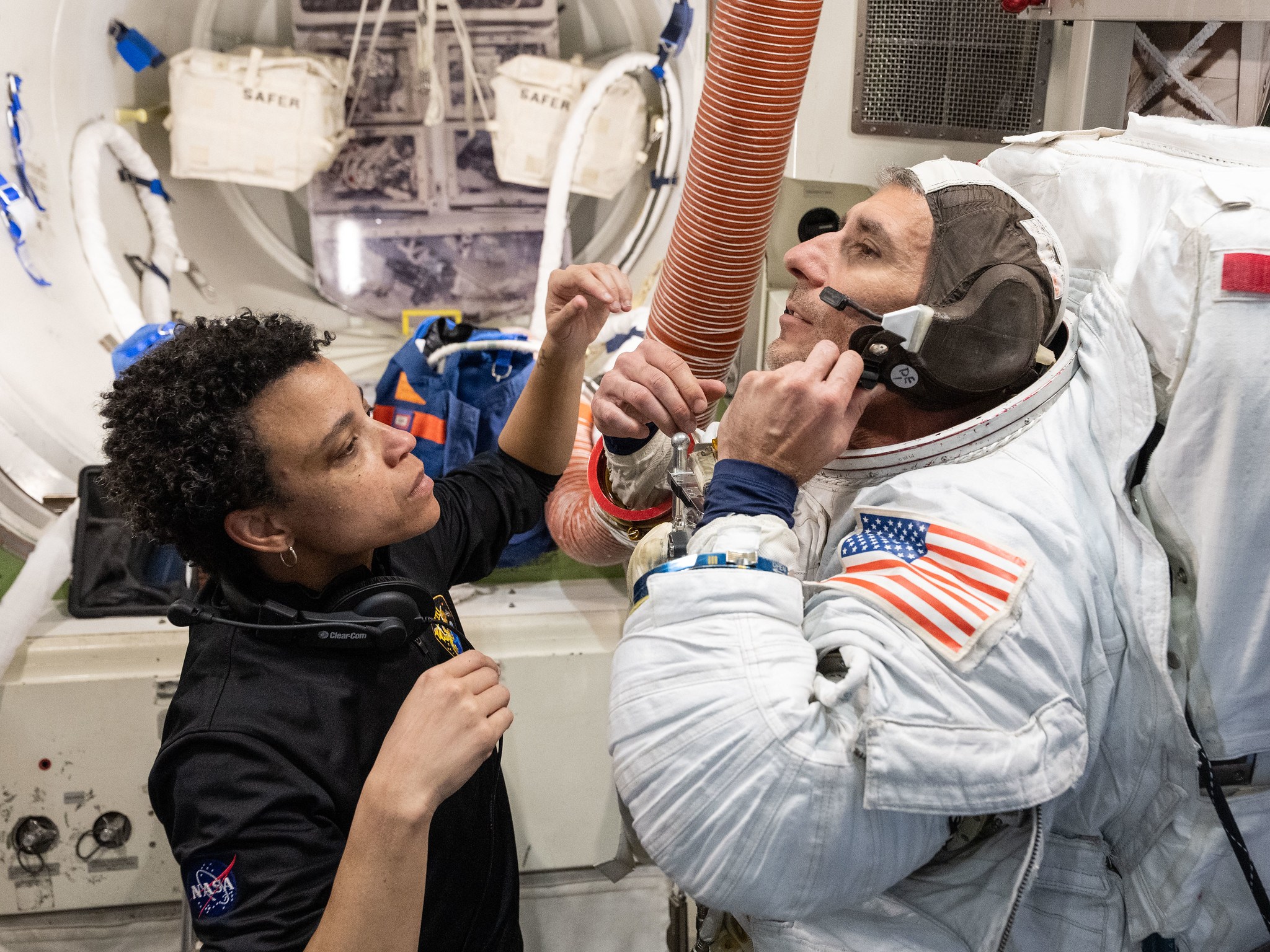
Students in Florida will hear from NASA astronauts Jessica Watkins and Luke Delaney as they answer prerecorded STEM questions while aboard the International Space Station. The Earth-to-space call will begin at 12 p.m. EDT Friday, Oct. 16, and will stream live on the agency’s Learn With NASA YouTube channel. This event is hosted by Sally Ride Elementary School
-
Australian scavengers don’t just eat everything and slink away. They approach a carcass like a buffet
First come the eagles, then the dingoes. And then the foxes, to fight over the scraps.
-
Hordes of yabbies are trashing rivers in Africa. How did this happen?
In the 1980s and 1990s, the hardy redclaw crayfish was exported from Australia around the world. But escapee yabbies have become a nightmare.
-
Australia urgently needs a national bushfire database. Here’s what it could look like
Bushfires will only become fiercer and more frequent in the face of climate change.
-
Canada could save millions by developing its own operating system instead of relying on Microsoft Windows
A national, open-source operating system could help reduce Canada’s dependence on the U.S. while improving security and saving a surprising amount of money.
-
My own security system flagged me, a Black woman, as an animal
As Ottawa seeks billions in international investment in advanced technology, bias cannot be a moral footnote.
-
In the northern Appalachian Mountains, warmer weather is making alpine regions greener
Botanists and ecologists have noticed changes in the northern Appalachian Mountains. More trees and small shrubs are growing in the alpine zones. Will they crowd out alpine plants?
-
Green space is linked with fewer gun-related homicides — but not everywhere (opens the original)
Our physical surroundings affect everything from personal well-being to a neighborhood’s safety. A new study from The Ohio State University finds that when it comes to preventing gun violence in a community, green space can help, but its location makes a big difference.
-
New research aims to strengthen power grid resilience against wildfires (opens the original)
As wildfires and droughts intensify across the West, Colorado State University researchers are exploring an AI-driven solution to help electric utilities make data-informed decisions that strengthen the power grid’s resilience and protect communities from wildfire risk.
-
Yemen’s Houthis are bringing their war to Saudi Arabia – and reframing the narrative of being an Iranian proxy
A deadly bombing at Riyadh’s international airport is the latest in a tit-for-tat retaliation campaign the Houthis have ramped up for weeks.
-
Stony Brook Researcher Leads Quantum Technology Discussion at NORDTECH Meeting (opens the original)
Stony Brook assistant professor Chuck Choi shared his work at the NORDTECH Annual Hub Meeting August 3-4 at the NYU Tandon School of Engineering. The post Stony Brook Researcher Leads Quantum Technology Discussion at NORDTECH Meeting first appeared on SBU News.
-
AI model offers a faster way to explore how proteins move, study finds (opens the original)
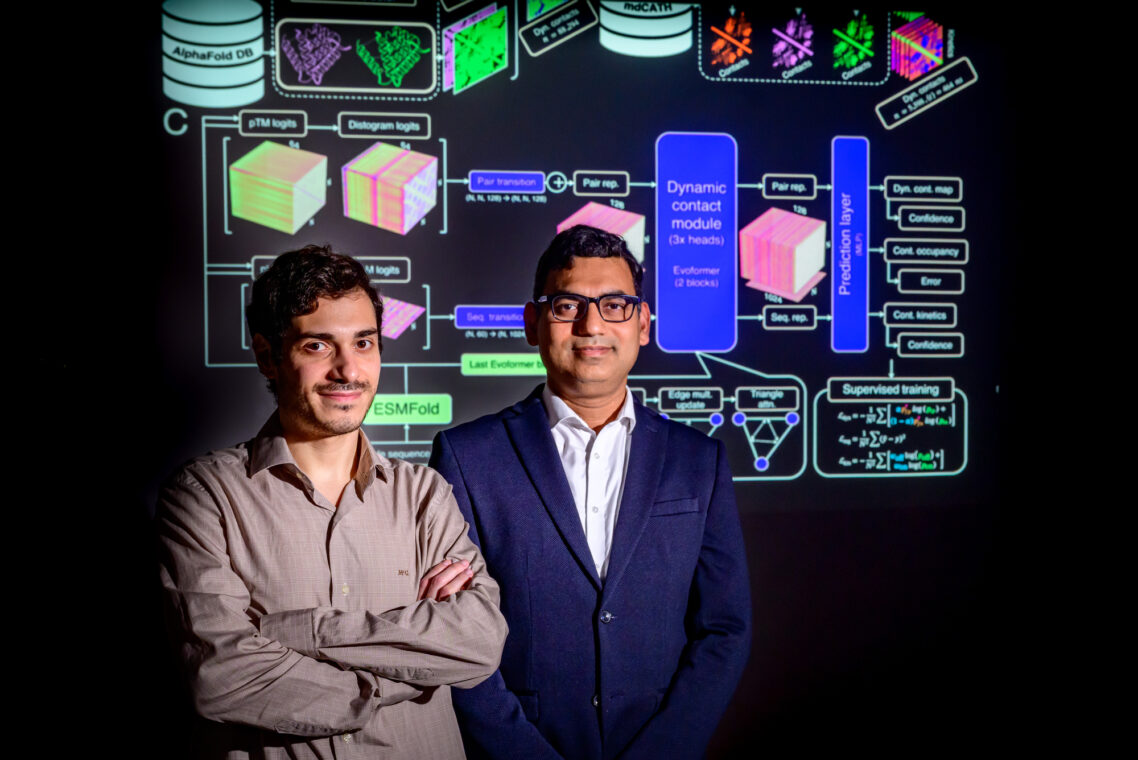
Researchers mapped the moving parts of 18,000 proteins in the human body in two days, a feat that previously took months on a supercomputer.
-
NASA’s Chandra Breaks Down ‘Treble Clef’s’ Galaxy Cluster Collision (opens the original)
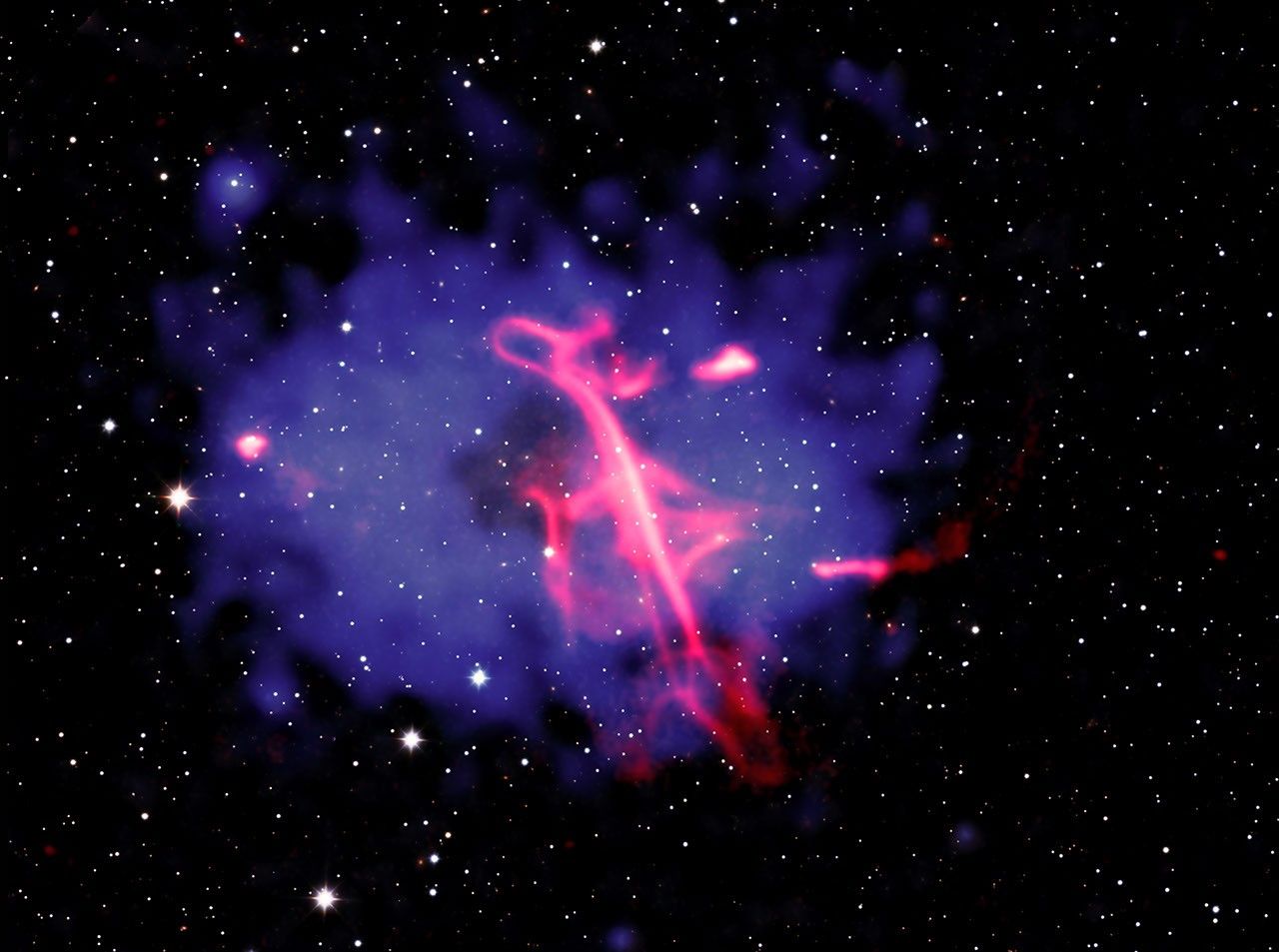
Astronomers have used NASA’s Chandra X-ray Observatory to break down the cause of a remarkable formation of radio waves they have nicknamed the “Treble Clef” because its distinct shape strongly resembles the musical symbol. The researchers discovered the Treble Clef is likely caused by an outburst from a supermassive black hole, followed by a collision
-
First Light: Celebrate the Inauguration of Caltech's 10th President, Ray Jayawardhana (opens the original)
First light is the threshold moment in astronomy when a telescope makes its first observation and opens a new window to discovery. That same spirit of possibility defines the Caltech community. Through curiosity-driven inquiry, powerful experimentation, and groundbreaking instrumentation, Caltech illuminates new…
-
Ocean Facts: What are Kelvin waves? (opens the original)
Kelvin waves are difficult to see with the naked eye as they are large in scale, slow moving, and don't break onshore like typical ocean waves. In this graphic, satellite radar altimetry measurements reveal the sea surface signature of Kelvin waves where the ocean surface is higher…
-
Using AI to fight election misinformation works, WashU research finds (opens the original)
Artificial intelligence could help counter election misinformation at the same speed that false narratives spread, according to new research from WashU and Caltech.
-
Spotlight: Lvmin Zhang (opens the original)
“My work focuses on adding human control to AI systems to align with human intents…”
-
A record-breaking El Niño is still developing – likely bringing a cold winter to the UK
Seasonal forecasts suggest a wet and stormy autumn followed by a colder, calmer winter.
-
NASA’s Space X CRS-35 Launch Jellyfish (opens the original)
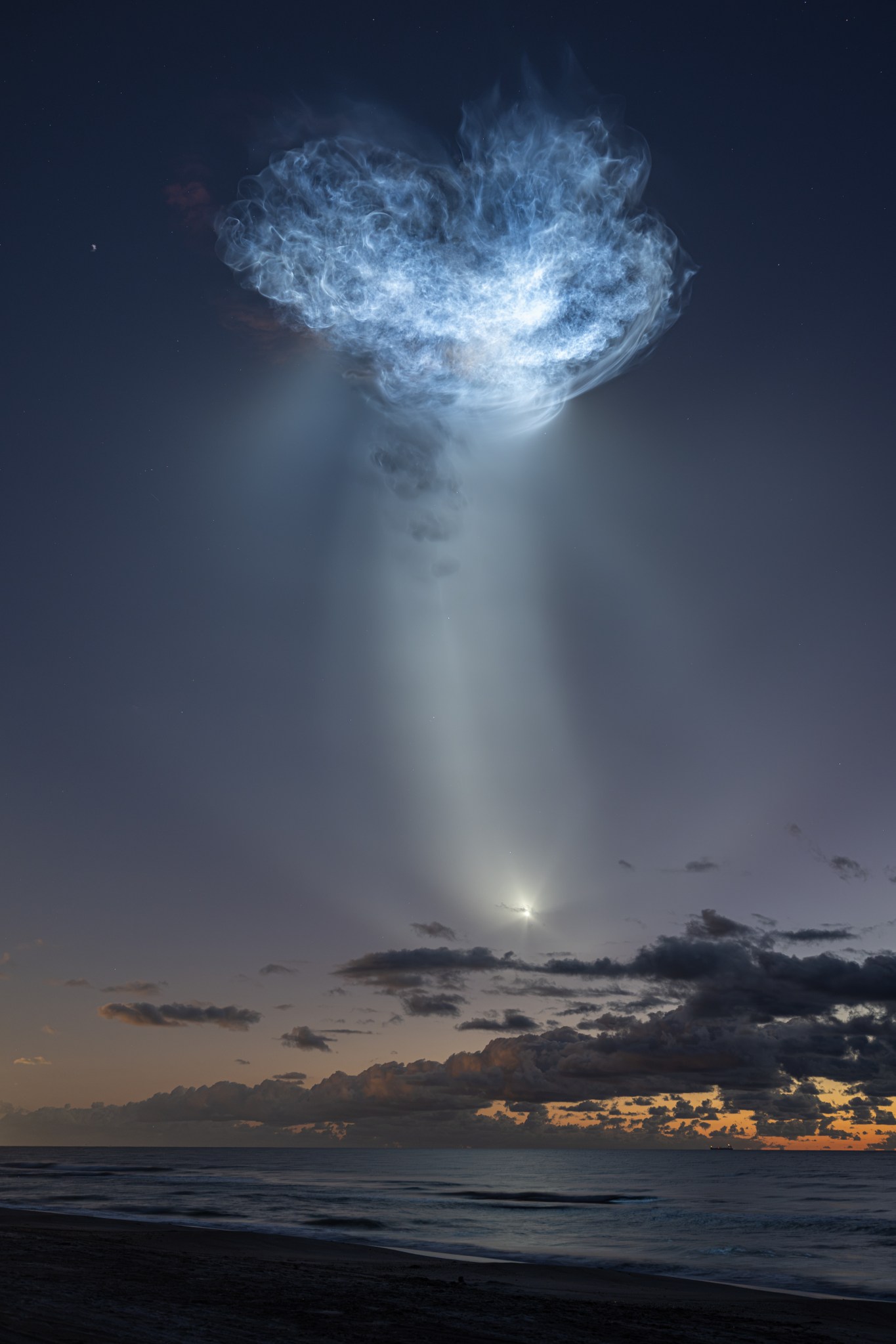
Sunlight illuminates the exhaust plumes of a SpaceX Falcon 9 rocket carrying the company’s Dragon spacecraft on Oct. 13, 2026. This visual phenomenon is known as a “jellyfish”; it happens near sunrise or sunset when the exhaust plume from the rocket becomes brightly illuminated, creating a glowing shape resembling a jellyfish. The mission lifted off








Read: The Conversation, CORDIS, ESO, NASA, ScienceDaily and the newsroom feeds of 739 institutions. Last read: today. Each story's date is its publisher's. Where the news comes from, and what each source allows.