Science news
Recent stories from university newsrooms, The Conversation, CORDIS, observatories and ScienceDaily, each sorted into the fields, countries and institutions it is about, and each linked to the original publisher. Narrow them below by subject, country, institution, source, words or period. A signed-in reader can follow any filtered view and be told when a new story matches it.
683 stories match these filters.
-
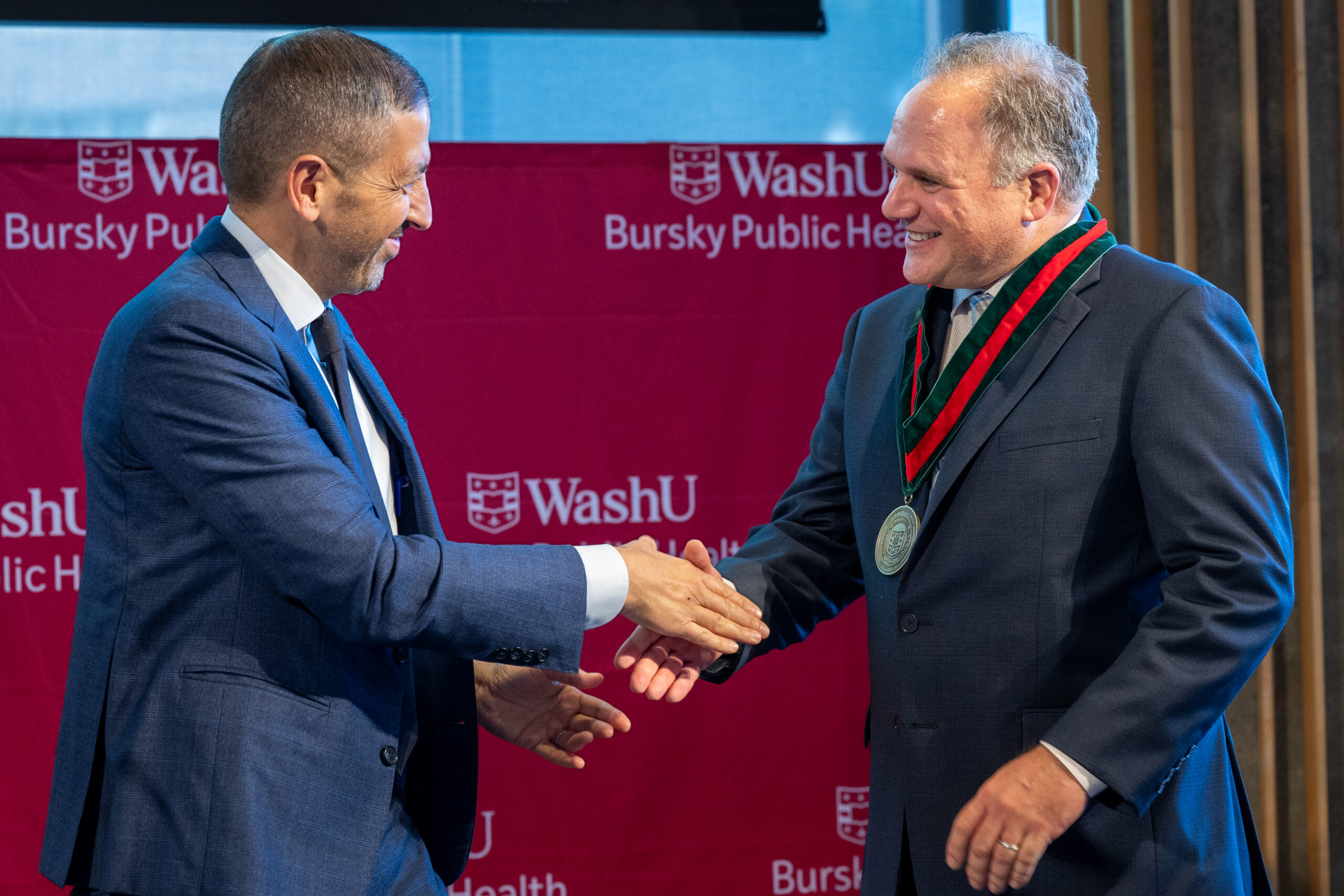
Spielman installed as Lauren and Lee Fixel Distinguished Professor (opens the original)
Economist David Spielman brings global expertise in food policy and agricultural innovation to Bursky Public Health, advancing research connecting food systems and health.
-
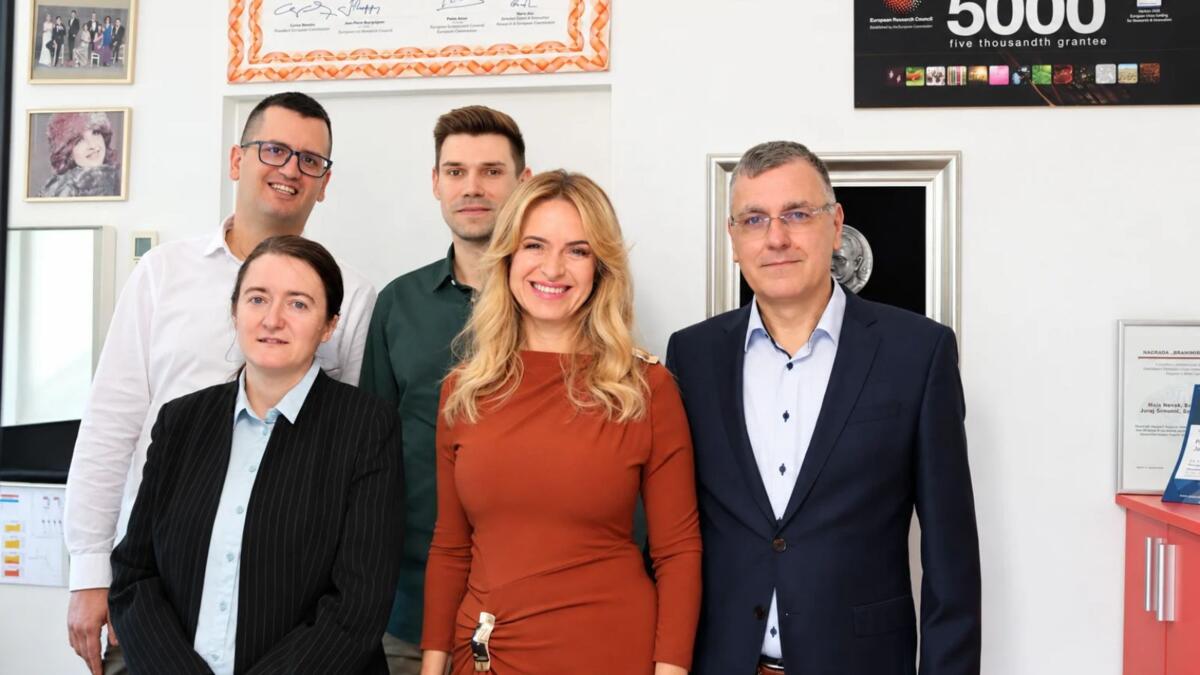
Presença de investigadores da Católica no top mundial dos mais citados cresce 30% (opens the original)
Católica researchers’ presence among the world’s top-cited scientists grows by 30% admin Wed, 10/14/2026 - 15:10 Eighteen researchers from Universidade Católica Portuguesa, working in the fields of Agriculture, Biology, Food Science, Nursing, Biomedical Engineering, Business and Management, Medicine, Microbiology…
-
One third of food is lost or wasted: how to help farmers cut post-harvest losses
Investments should support entire value chains, linking farmers to storage, processing, transport and reliable markets.
-
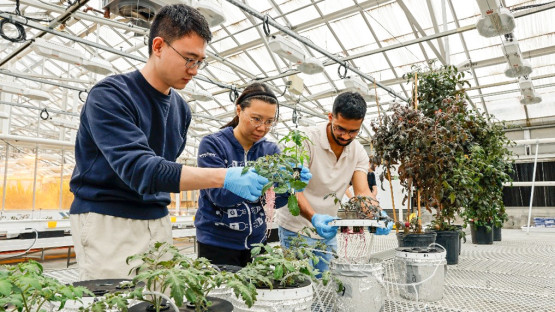
NSF awards $22.5M to continue plant-human communication projects (opens the original)
The Cornell-led multi-institutional Center for Research on Programmable Plant Systems will continue work to transform agriculture by enabling direct two-way communication with crop plants’ internal processes.
-
UW Student Hunts, Finds Elusive ‘Ice Crawler’ Insect in Yellowstone (opens the original)
The phrase “trying to find a needle in a haystack” comes to mind with reference for what Will Anderson has been searching.
-
UC researchers help demonstrate proof-of-concept gene therapy for hydrocephalus (opens the original)
A proof-of-concept study led by UC’s Agnes (Yu) Luo, PhD, and collaborators at UC Davis shows that an adeno-associated virus (AAV) gene therapy can reduce hydrocephalus-associated tissue damage in animal models, pointing to a potential new treatment strategy.
-
Borlaug lecture features researcher’s success expanding nutrition sources in Africa (opens the original)
Afopke, a plant breeder and product specialist at East-West Seed International based in Benin, West Africa, discuss her work developing climate-resistant vegetables that have improved food and nutrition security across the region.
-
Plant cell receptor balances signals from food and foe (opens the original)
LA JOLLA—Energy production in our cells, oxygen traveling in our blood, and immune cells fighting infection all depend on iron, an essential mineral that enters the food chain when plants absorb it from soil. But iron is often scarce—likely increasingly so as global weather and temperatures continue to change—and we…
-
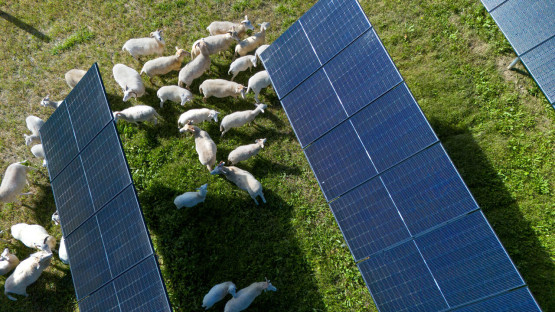
Sheep grazing in solar fields offers farmers economic, ecological gains (opens the original)
As solar grazing expands across the country, new research helps sheep farmers increase profitability and sheds light on the how the number of sheep in solar array fields interacts with beneficial insects.
-
Why are there so many plants? New research reveals two key phases in Earth’s past
Extreme greenhouse events in the past killed many plants – but also gave rise to new ones.
- Natural History Museum Vienna
- University of Tasmania
- The University of Melbourne
- University College Cork
Picture: Chirag Saini/Unsplash
-
Osa maitoallergisista lapsista saattaa sietää voimakkaasti kuumennettua maitoa (opens the original)
Some children with cow's milk allergy may tolerate extensively heated milk ekarmits@helsinki.fi Thu, 15/10/2026 - 12:13 A University of Helsinki study examined the antibody levels at which children are likely to tolerate extensively heated milk. A blood test proved the best way to identify milk allergy without…
-
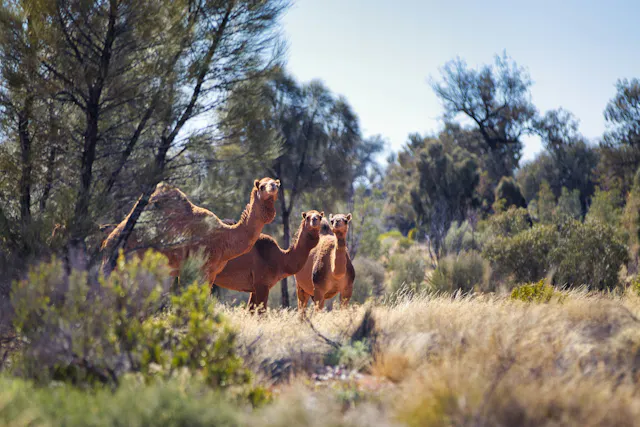
Introduced species aren’t good or bad. But when they slip from our control, we are quick to condemn them
Pigs, camels, rabbits and many others were brought to Australia deliberately as valuable species. But we see them very differently once they become free-roaming.
-
Researchers uncover multiple genetic paths to mottled feathers in chickens (opens the original)
Surprising discovery reveals how selective breeding has shaped chicken diversity.
-
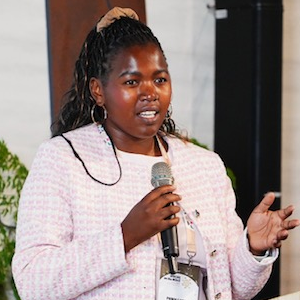
Phindile Ntuli (opens the original)
administrator Tue, 10/13/2026 - 15:23 Ms Phindile Ntuli is a Postdoctoral Research Fellow in the Environment and Health Research Unit (EHRU). She is currently involved in the Climate, Muscle Function and Metabolomics in Africa (CliMMetA) project. She is completing a PhD in Genomics Data Science at the…
-
Recruitment (opens the original)
Help shape the future of food safety in the UK. Join the FSA’s Scientific Advisory Committees and Science Council and contribute to evidence-based decision making.
-
Researchers identify DNA changes, biological pathways associated with inherited cancer risk, (opens the original)
By dialing down more than 12,000 genes in a type of immune cell, scientists shed light on ‘gene regulatory networks’ that govern health and disease.
-
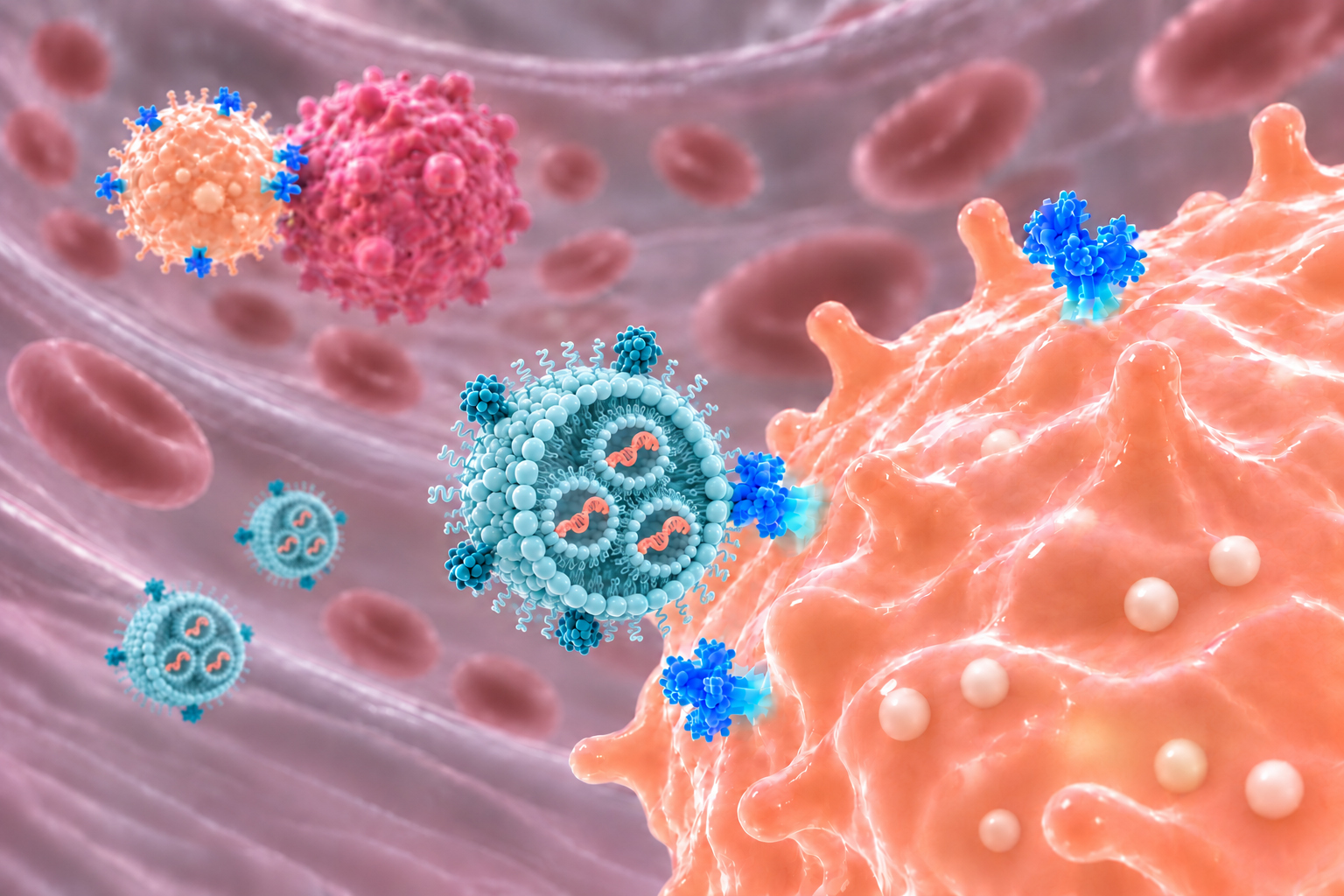
Reprogrammed NK immune cells target cancer and autoimmune disorders (opens the original)
A new approach can program these cells inside the body and shows promise against diseases caused by dysfunctional T cells, including lymphoma and autoimmune hepatitis.
-
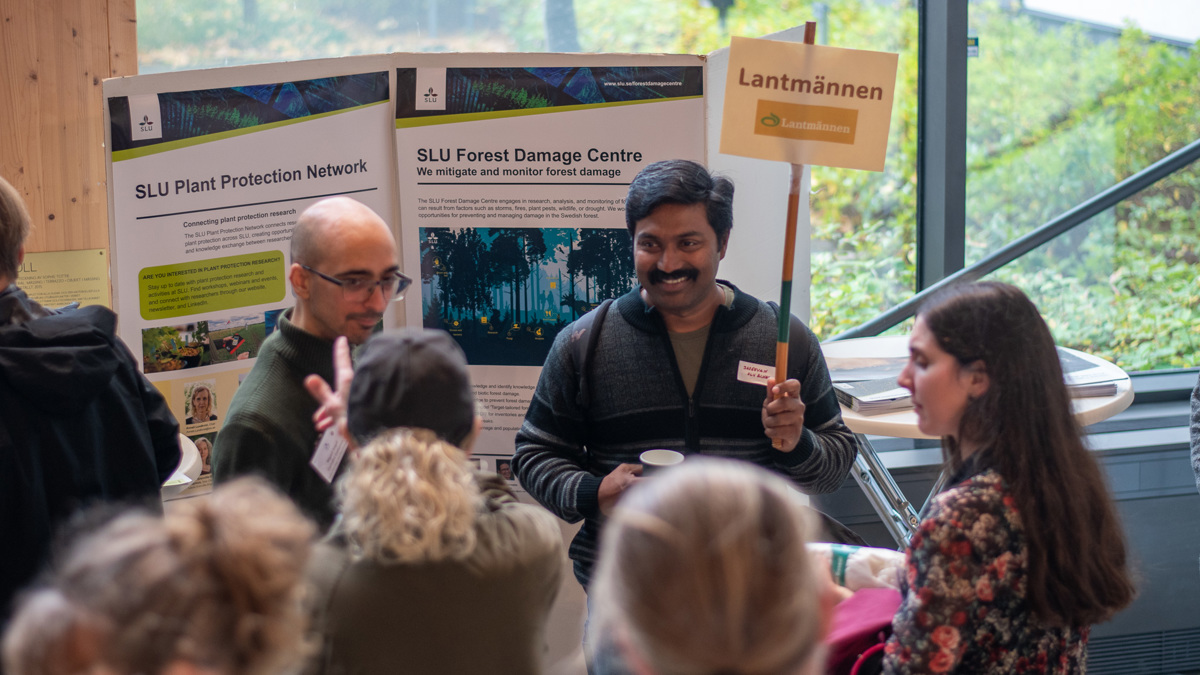
Plant protection across boundaries: new perspectives and connections (opens the original)
From forest pests to plant diseases in agriculture and horticulture, many plant protection challenges are shared. On 8–9 October, around 90 researchers and stakeholders gathered at SLU in Uppsala to exchange ideas and build connections across disciplines.
-
Ultrasound reveals the health of potato plants (opens the original)
Ultrasound can be used to measure the water status of potato leaves, without damaging or even touching them much. This is shown in new research from Luleå University of Technology. The ultrasound reveals whether there are problems with the leaves' hydration, an important and early indicator of whether the plant is…








Read: The Conversation, CORDIS, ESO, NASA, ScienceDaily and the newsroom feeds of 751 institutions. Last read: today. Each story's date is its publisher's. Where the news comes from, and what each source allows.