Science news
Recent stories from university newsrooms, The Conversation, CORDIS, observatories and ScienceDaily, each sorted into the fields, countries and institutions it is about, and each linked to the original publisher. Narrow them below by subject, country, institution, source, words or period. A signed-in reader can follow any filtered view and be told when a new story matches it.
1,981 stories match these filters.
-
MHRA introduces new safeguards to strengthen antidepressant safety information following major review (opens the original)
New and updated patient information for antidepressant medicines to be introduced following an extensive review involving patients, families and independent experts.
-
Staying one step ahead of breast cancer, our talk with Europa Donna (opens the original)
Our interview with the largest breast cancer patient advocacy organisation in Europe during Pink October
-
Calls for better support on Pregnancy and Infant Loss Remembrance Day (opens the original)
Losing a baby is devastating. Yet for almost six in 10 women psychological support never comes, says Southern Cross University Clinical Psychologist and Lecturer Dr Julia Marsden.
-
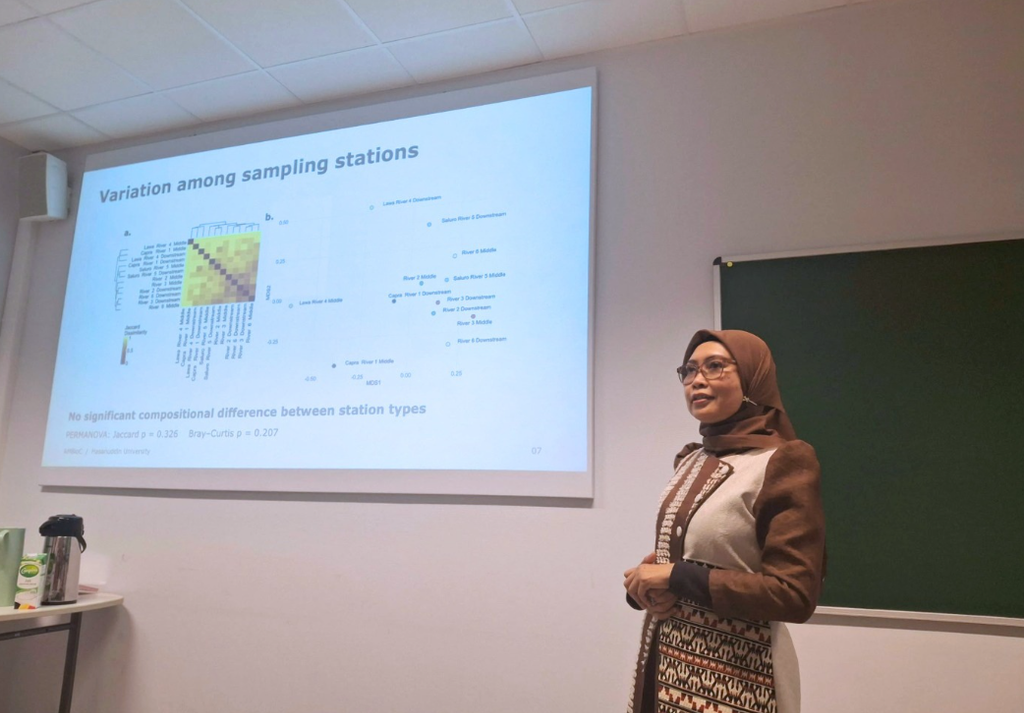
Vice Dean for Graduate School of Hasanuddin University Advances International Research Exchange at the University of Antwerp (opens the original)
Hasanuddin University (UNHAS) showcased its research on aquatic biodiversity at the University of Antwerp, Belgium, on Thursday, 15 October 2026. Prof. Dr. Ir. Nadiarti, M.Sc., Vice Dean for Academic and Student Affairs at the UNHAS Graduate School, delivered a scientific presentation on fish biodiversity research…
-
Can my health records be used for medical research?
Veterans have launched a class action against the department for ‘mass and routine sharing’ of their medical records over 20 years. How common is this?
-
UTA study aims to cut radiation in heart scans (opens the original)
NIH-funded research uses AI to reduce exposure while preserving diagnostic image quality
-
Nurses, teachers to create human-centered AI resources with researchers (opens the original)
An interdisciplinary team received a $100,000 grant for community-engaged research that puts nurses and teachers
-
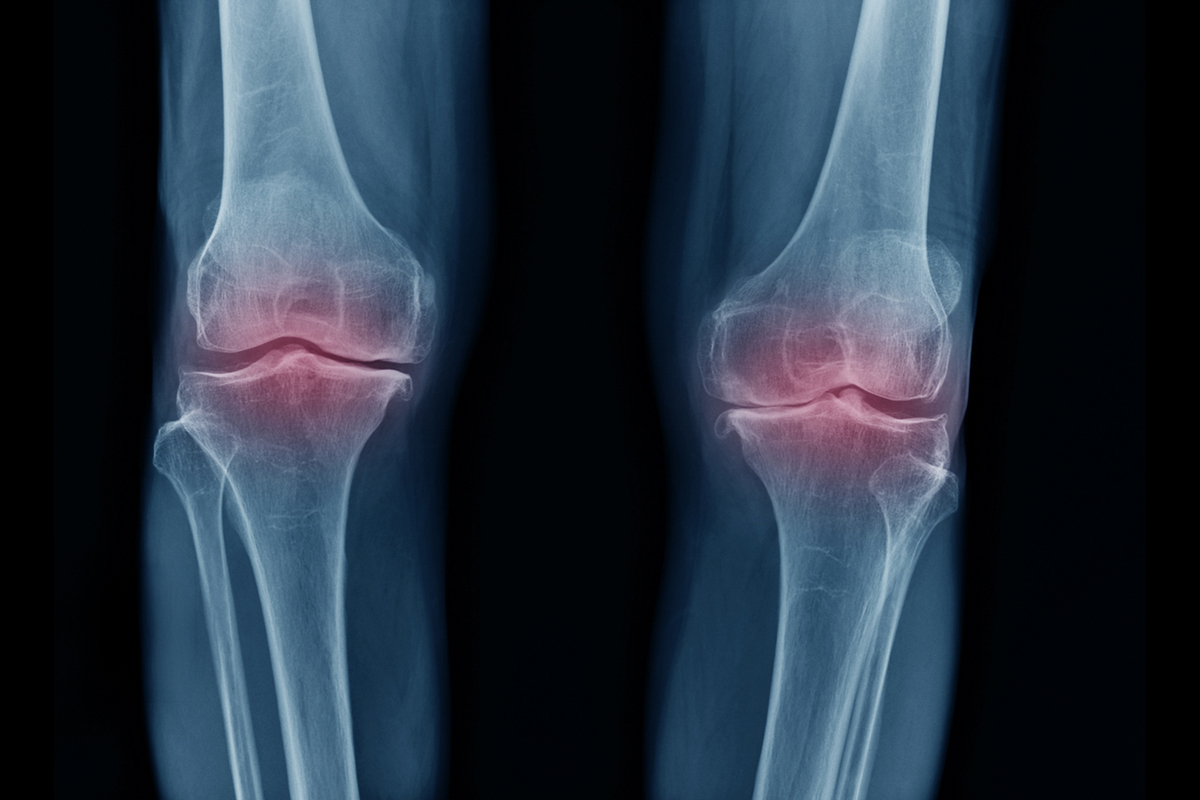
Osteoarthritis therapy study advances with $17 million from ARPA-H (opens the original)
The funding will support a WashU Medicine collaboration with CRISPR Therapeutics and SynGenix, a WashU startup, to move a single-injection treatment to reverse joint damage into clinical trials.
-
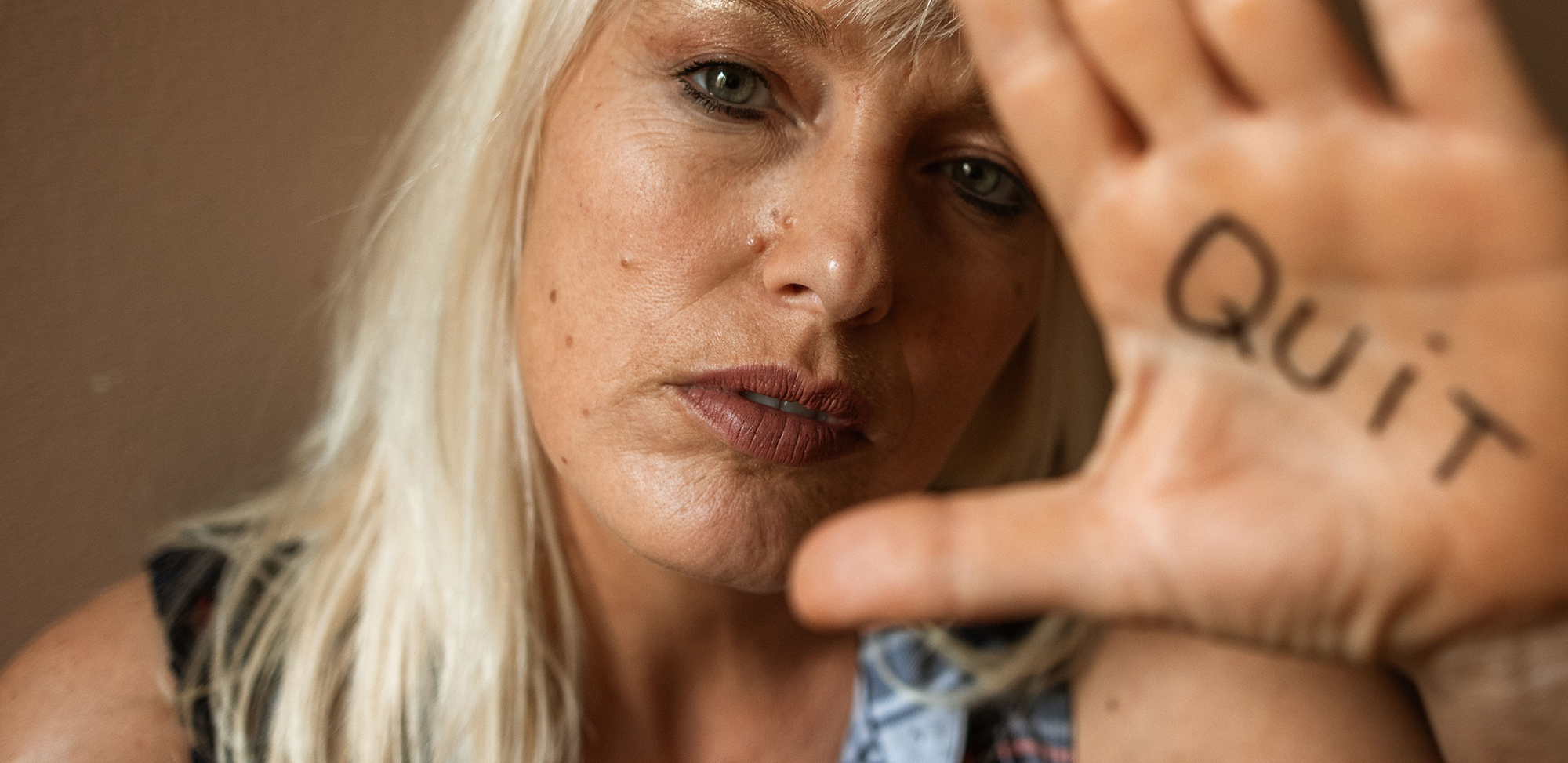
SISTAQUIT collaboration helping disadvantaged mothers in Germany quit smoking (opens the original)
A smoking cessation program developed to support pregnant Aboriginal and Torres Strait Islander women in Australia has been adapted for pregnant women experiencing socioeconomic disadvantage in Germany, with promising early findings.
-
Pope Leo XIV has lung adenocarcinoma. What is it? — and more UCLA media (opens the original)
The New York Times spoke with Dr. Edward Garon, director of thoracic oncology at the UCLA Health Jonsson Comprehensive Cancer Center, about the prognosis for Pope Leo XIV, who was diagnosed with lung cancer on Tuesday. Garon joined other experts to explain the medical profile of lung adenocarcinoma and what next…
-
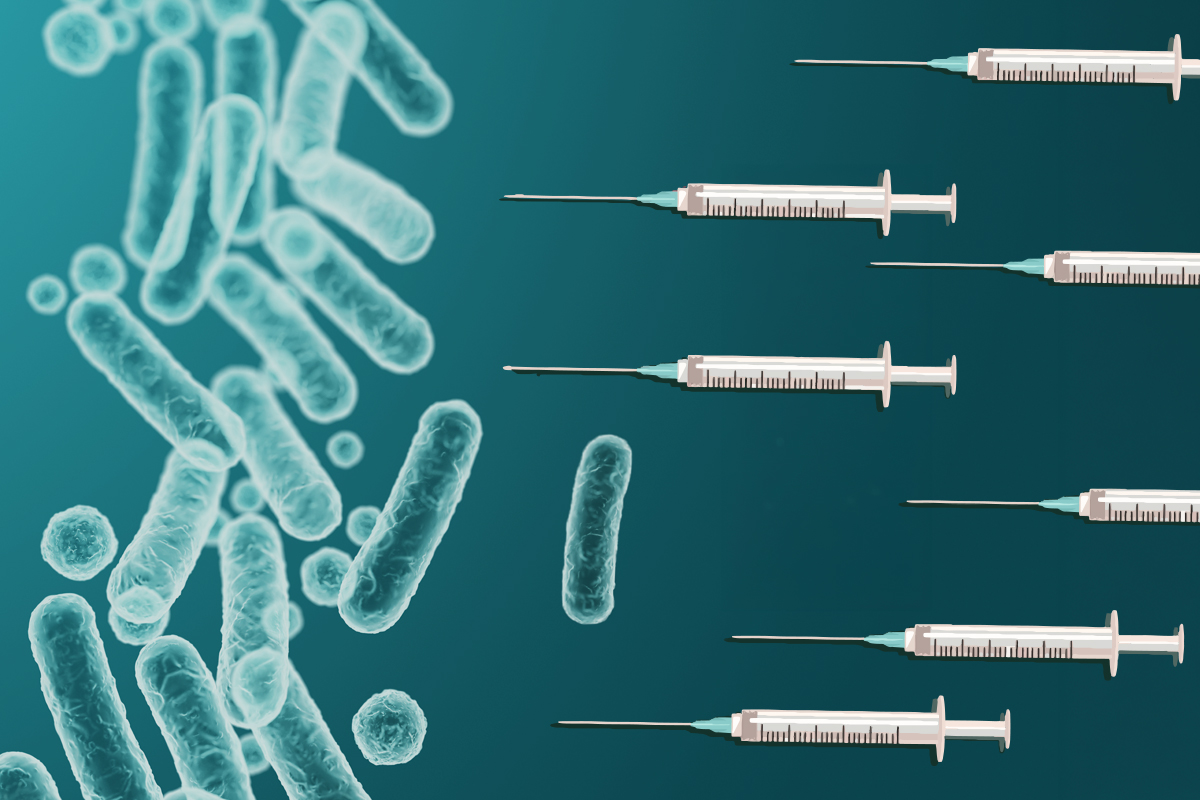
Vaccinating moms protects offspring from deadly superbug (opens the original)
WashU Medicine researchers found that vaccinating mouse mothers transfers antibodies that defend vulnerable newborns against Klebsiella pneumoniae.
-
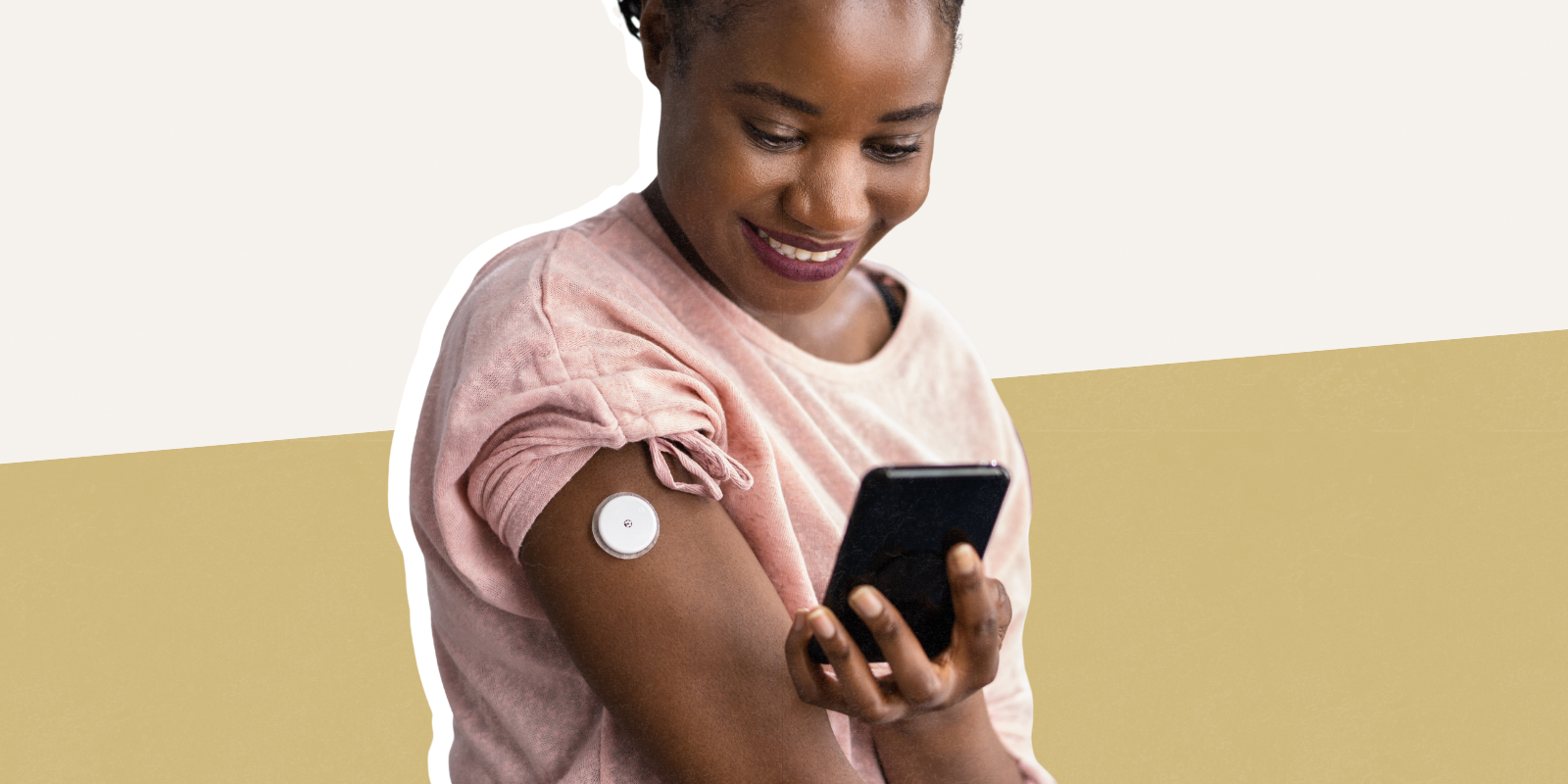
Continuous Glucose Monitors Help Type 2 Diabetes Patients Spend Five More Hours a Day in Healthy Blood Sugar Range (opens the original)
Continuous glucose monitors (CGMs) could transform diabetes management for millions of Americans with type 2 diabetes who don't take insulin, according to findings from new research published in the New England Journal of Medicine.
-
Cystic fibrosis patients got their ‘miracle drug’ thanks to federal research funding – new Trump administration rules may cut future miracles short
The Trump administration exerted increased political control over NIH research funding, leading to major cuts and disruptions to lifesaving research.
-
The surprising relationship between sickle cell genes and malaria (opens the original)
Research uncovers how people with specific genetic change associated with sickle cells are much less likely to develop severe malaria.
-
Oprah Daily turns to SRI’s Fiona Baker to explain the sleep science behind menopause (opens the original)
SRI - A global leader in R&D with deep roots in Silicon Valley. Closing the gap in women’s health research starts with questions like these.
-
Children’s National Heart and Lung Center (opens the original)
Children's National has expertise in caring for congenital heart disease throughout the lifespan, from prenatal diagnosis through adulthood.
-
It’s no secret drug firms donate to political parties. But it’s still a secret exactly how much, and why
Donations of A$7.7 million over a decade have been disclosed. But that’s not the full amount, a new study shows.
-
USU Teams Up With Utah Startup Company to Advance Retinal Disease Research (opens the original)
A local biotechnology startup built on research from Utah State University has received federal funding for a new biomaterial that could help scientists better study age-related macular degeneration and other eye diseases. MyxTek Bio, a Cache Valley biotechnology company, received a $305,000 award from the National…
-
Pope Leo’s lung cancer prognosis may be favorable, surgeon says (opens the original)
Pope Leo XIV underwent a 90-minute operation to remove the lower lobe of his right lung after being diagnosed with cancer.
-
Charité opens new HIV cure research center (opens the original)
About 41 million people worldwide are living with HIV, and all of them require lifelong treatment—at least to date. The goal of the new Berlin Center for HIV Cure (BeCURE) at Charité – Universitätsmedizin Berlin is to transform HIV infections from treatable conditions into curable ones. The center was officially…










Read: The Conversation, CORDIS, ESO, NASA, ScienceDaily and the newsroom feeds of 744 institutions. Last read: today. Each story's date is its publisher's. Where the news comes from, and what each source allows.