Science news
Recent stories from university newsrooms, The Conversation, CORDIS, observatories and ScienceDaily, each sorted into the fields, countries and institutions it is about, and each linked to the original publisher. Narrow them below by subject, country, institution, source, words or period. A signed-in reader can follow any filtered view and be told when a new story matches it.
11,946 stories stored from the last six months.
-
Cannabis doesn’t make you violent – despite what recent reports have claimed
A review found a link between cannabis use and violence, but weaknesses in the evidence make claims that users are twice as likely to be violent misleading.
-
$3.7M NIH grant to further improve patient safety in central line placements (opens the original)
Penn State researchers have spent more than a decade making central line placement safer for patients. Now, a $3.7 million, five-year grant from the National Institutes of Health's National Heart, Lung, and Blood Institute will allow the researchers to expand their system and further reduce complications, infections…
-
Satellite Communications Restrictions Disrupt Ukrainian Drone Operations (opens the original)
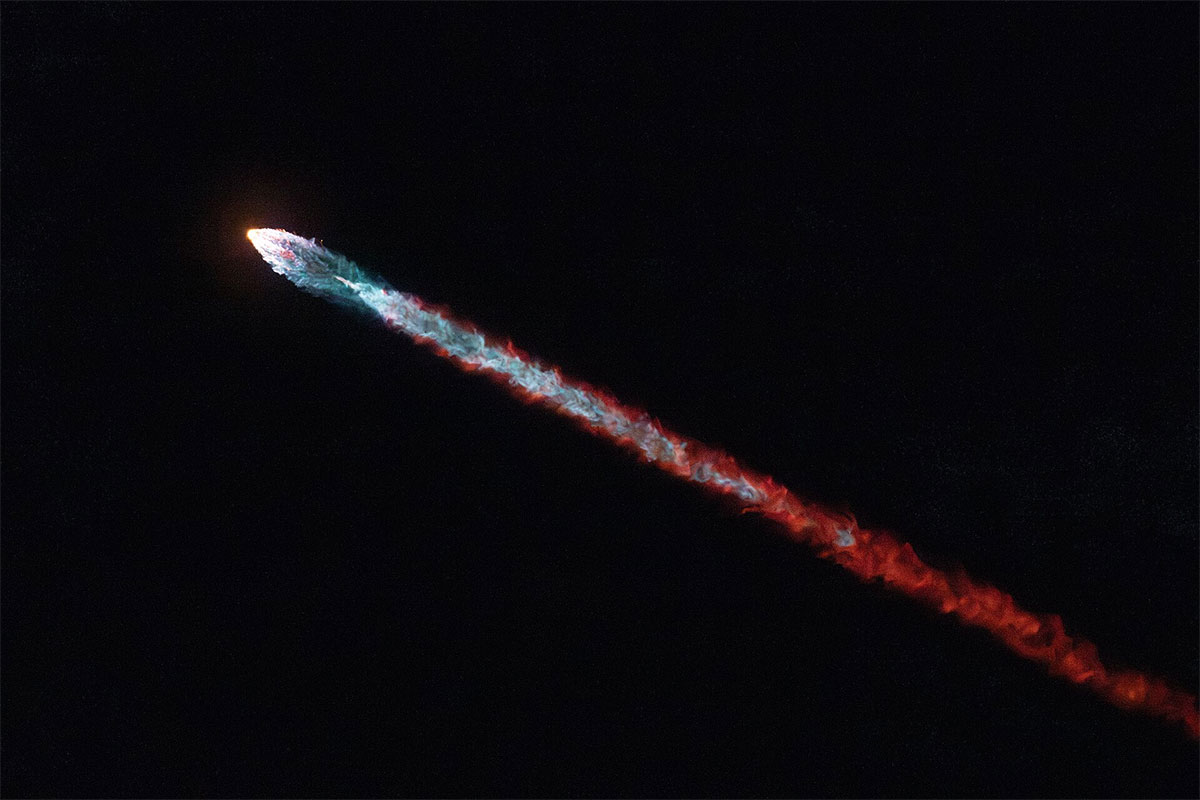
SatNews reports that new speed restrictions affecting military Starshield satellite communications terminals in Ukraine have disrupted drone operations and battlefield connectivity. According to the publication
-
JU graduates receive national award for best thesis project (opens the original)
Tilda Ardenvik and Jonathan Jalkmar, who graduated from the School of Engineering at Jönköping University in 2025, have been awarded Engineers of Sweden’s annual prize for the best thesis project by Bachelor of Science in Engineering students.
-
Edge Hill University’s KEF 6 results highlight strong research partnerships, regional growth and commercialisation (opens the original)
Edge Hill University continues to strengthen its contribution to the North West of England and beyond through strong research partnerships, regional economic development and regeneration, and commercialisation, as highlighted by the latest Knowledge Exchange Framework (KEF6) results published by Research England.
-
Breast milk antibodies protect against RSV, influenza and respiratory viruses (opens the original)
Researchers at McMaster University have shown that antibodies recovered from human breast milk can provide protection against an array of different respiratory viruses, pointing to a potential new approach to preventing infection. The findings, published Oct. 14 in the journal Science Advances, suggest that…
-
Participants sought for a study on interaction with AI-powered voice assistants (opens the original)
The Chair of Ergonomics and Innovation Management at University of Technology Chemnitz is looking for participants for an in-person study.
-
How did Mars get its moons? Japan’s MMX space mission aims to solve the puzzle
Japan’s MMX mission will collect samples from Mars’ moon Phobos to determine its origin.
-
Chandra Finds Possible Origin of ‘Treble Clef’ Waves (opens the original)
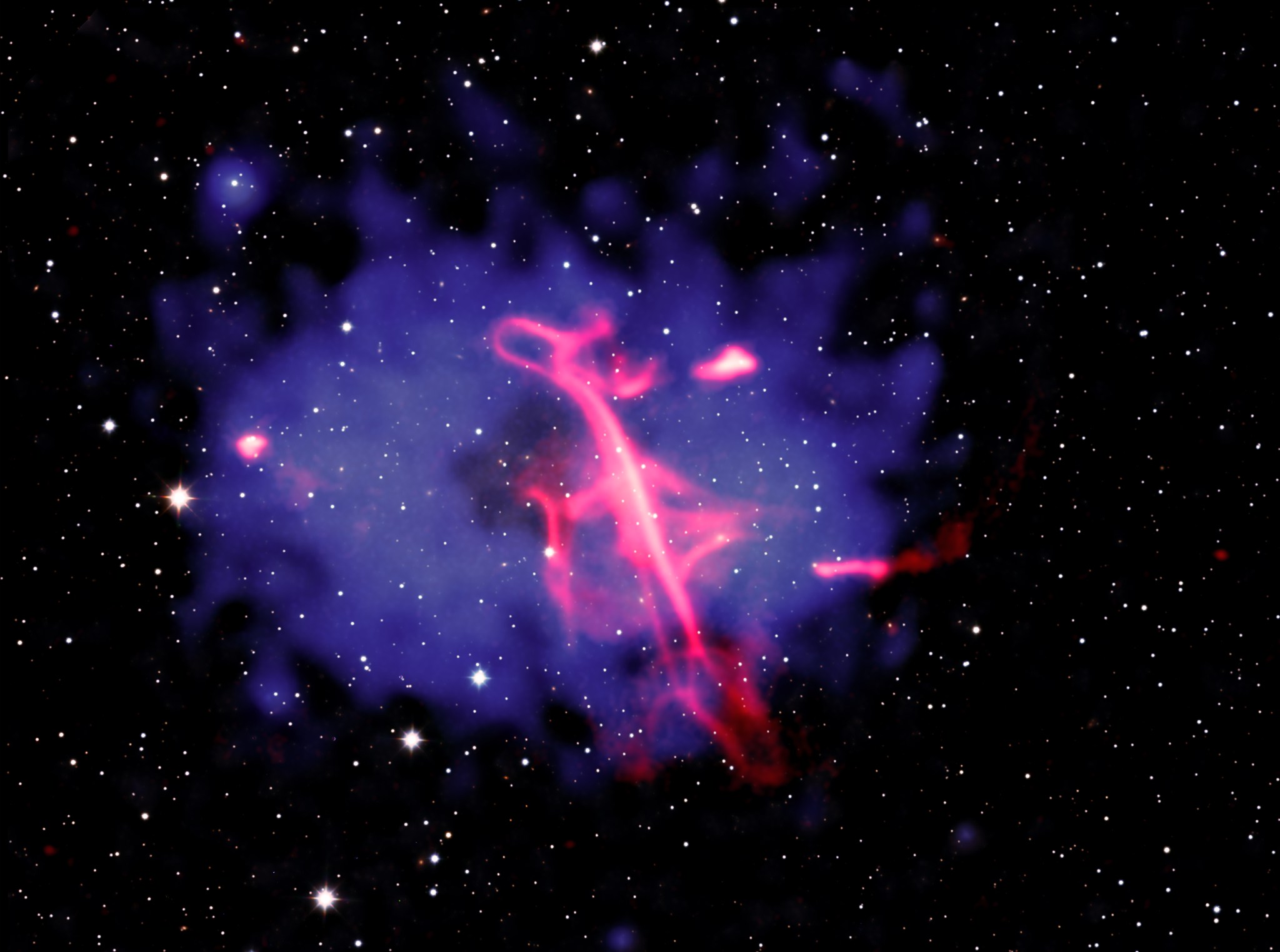
A formation of radio waves looks remarkably like a treble clef in this Oct. 14, 2026, image from NASA’s Chandra X-Ray Observatory. Researchers used Chandra to find that the Treble Clef is likely caused by an outburst from a supermassive black hole, followed by a collision of two galaxy clusters.
-
Is the US limiting Starlink in Ukraine? The consequences could be catastrophic
The satellite technology is vital both on the battlefield and for defending Ukraine’s cities.
-
Is the US limiting Starlink in Ukraine? The risks could be catastrophic
The satellite technology is vital both on the battlefield and for defending Ukraine’s cities.
-
$1.18M NSF award expands UTulsa’s advanced research infrastructure (opens the original)
A $1.18 million NSF Major Research Instrumentation award will bring advanced XPS technology to UTulsa, expanding research capabilities in energy, aerospace, manufacturing and materials science.
-
DMU researchers helping to shape future research into under-studied breast cancer (opens the original)
A collaboration between DMU and Lobular Breast Cancer UK is giving those affected by the disease a voice in determining what researchers should investigate next.
-
Lion tracks from the ice age: how two ways of seeing brought ancient animals to life
Indigenous knowledge has pushed scientists’ boundaries.
Picture: CC BY
-
Good gut bacteria vs bad: what we learnt about antibiotic resistance from a community in Nairobi
Healthy microbes spread easily through everyday interactions like handshakes and sharing food or water. Disease-causing agents spread in a similar way.
-
RUMO Advocacia: “uma conversa mais próxima e mais honesta” sobre o setor (opens the original)
José Gonçalves Thu, 10/15/2026 - 14:03 Choosing a career path, understanding what law firms look for in candidates, or finding out how to take the first steps into the job market were some of the key questions explored at the 16th edition of…
-
Early humans in America endured climate chaos – new research
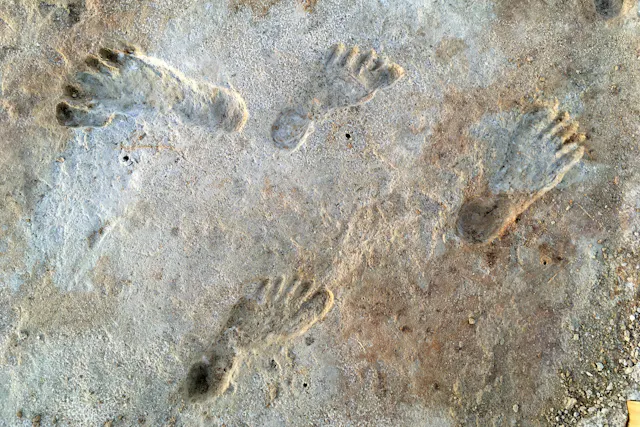
People who lived in New Mexico more than 20,000 years ago experienced rapid climate change.
Picture: National Park Service
-
Experts have voted to stop adding extra seconds to clock time – the outcome favours big tech
Additional seconds added to the clock will be abolished starting from 2027.
-
Three Innovations, Three Steps Closer to Industrial Decarbonisation (opens the original)
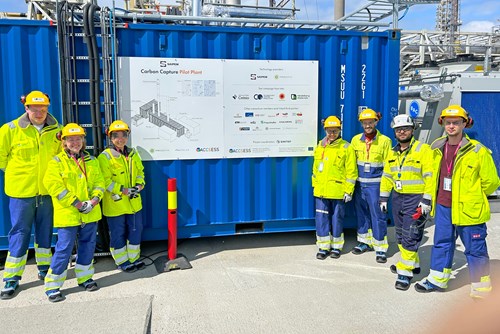
After five years of research, development and industrial testing, the SINTEF-led EU project ACCSESS has concluded, delivering three innovations that could help some of Europe’s most difficult-to-abate industries reduce their emissions and remove CO₂ from the atmosphere.
-
Building trust in governments through digital platforms (opens the original)
Governments and private companies often work together to provide public services online. A new study asks: How do these partnerships affect people’s trust in government?










Read: The Conversation, CORDIS, ESO, NASA, ScienceDaily and the newsroom feeds of 739 institutions. Last read: today. Each story's date is its publisher's. Where the news comes from, and what each source allows.