Science news
Recent stories from university newsrooms, The Conversation, CORDIS, observatories and ScienceDaily, each sorted into the fields, countries and institutions it is about, and each linked to the original publisher. Narrow them below by subject, country, institution, source, words or period. A signed-in reader can follow any filtered view and be told when a new story matches it.
11,586 stories stored from the last six months.
-
Rainfall reshapes river ecosystems and food webs, study finds (opens the original)
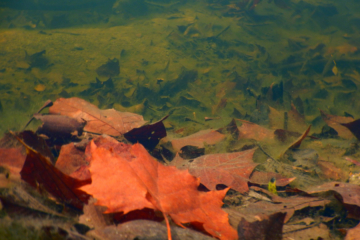
Rain has an outsized impact on the ecology of rivers, according to a new study led by William & Mary’s VIMS & Batten School.
-
Leonard Berry (opens the original)
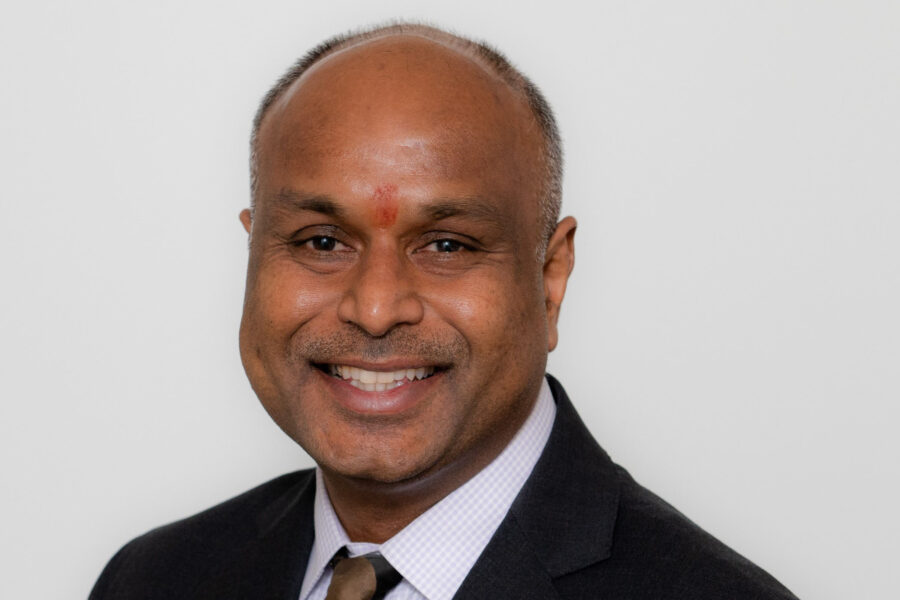
Dr. Leonard Berry’s research focuses on services marketing, service quality and healthcare services. He brings extensive field research about healthcare systems. He has published 13 books and many peer reviewed journal articles. He has the highest google scholar citation count in the Texas A&M University System.
-
Distinguished scientist: Sangamesh Kumbar, PhD (opens the original)
Dr. Kumbar is among the UNMC scientists set to be honored Oct. 29 as the medical center's top researchers this past year.
-
Forecasting "Tipping Points" with AI (opens the original)
The writer Malcolm Gladwell popularized the term "tipping points" to refer to the moment when a trend or social behavior crosses a threshold and rapidly spreads everywhere. In physics, tipping points occur when systems—say, Earth's climate—reach an unstable point and topple over into a sea of change that is sometimes…
-
Drugs and medical devices authorized, July 1 to September 30, 2026 (opens the original)
From July 1 to September 30, 2026, Health Canada approved 16 new drug submissions (14 pharmaceuticals, 2 biologics) and 540 new medical devices, including 27 Class IV medical devices, which present the greatest potential risk. During this period, Health Canada also approved 30 generic drugs and 3 biosimilar drugs.
-
Enhancing hidden defects to strengthen metal materials (opens the original)
Scientists have found a way to use defects in crystals to engineer stronger materials, according to a new study.
-
Pirate researcher brings science home to help Grifton fight flooding (opens the original)
ECU graduate student Hiba El’Shaer deployed seven sensors in Grifton to monitor groundwater, soil moisture and Contentnea Creek water levels in real time. The data will help researchers identify why some areas flood more severely and remain flooded longer. The monitoring system could help Grifton improve flood…
-
Expert wants to move AI governance from principles to practice (opens the original)
On the London campus, Denise Garcia, a visiting professor from Boston, warns of the dangers of not properly regulating use of AI weaponry.
-
Mobile mammogram bus on campus Oct. 28 (opens the original)
October is Breast Cancer Awareness Month, highlighting the importance of early detection for the second-most
-
Breaking Ground at ASPIRE: ASPIRE Studies Pavement Integrity With University of Texas at El Paso (opens the original)
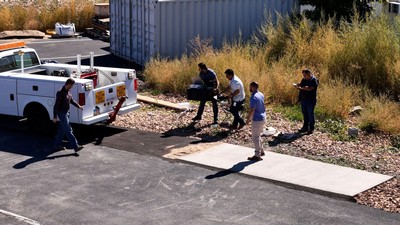
Researchers at ASPIRE are not only looking at ways to build electrification up but also studying the ways it breaks down. The Utah Department of Transportation sent a truck equipped with a falling weight deflectometer to the research center on Sept. 23. In this effort with ASPIRE’s team at the University of Texas at…
-
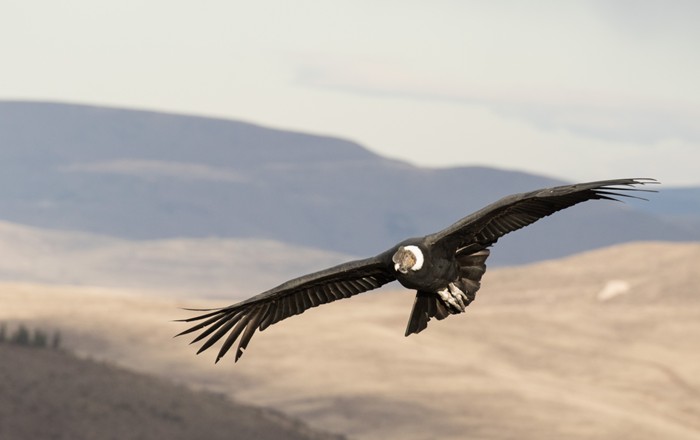
Wild birds rewrite rules for travel – New study reveals power of ‘free fuel’ from the sky (opens the original)
A major international study involving Swansea University has overturned a longstanding textbook view of how much energy animals use to travel, revealing that flying can sometimes be cheaper than swimming.
-
Children and young people broadly support health data research – but want safeguards (opens the original)
Craig Brierley Thu, 10/15/2026 - 19:00 The team reviewed the existing evidence, bringing together studies that capture the views of more than 4,700 children and young people and almost 1,500 parents and carers on the use of large…
-
Wild birds rewrite rules for travel (opens the original)
The largest study of flight costs in the wild finds that riding the air can make flying cheaper than swimming, overturning a textbook ranking
-
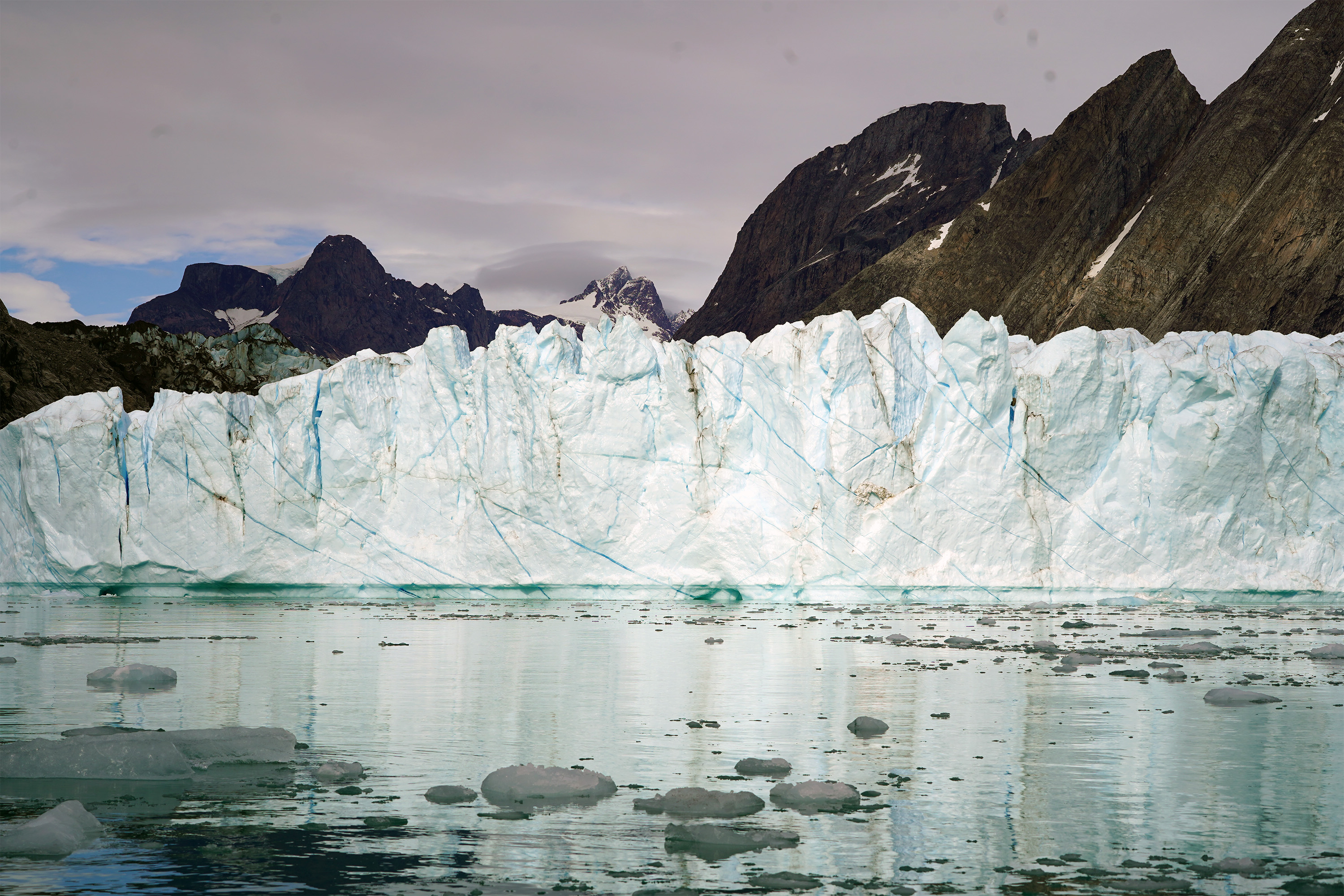
Satellite data reveal how Antarctica’s ice cliffs behave over time (opens the original)
The cliffs don’t always collapse in the runaway process that scientists had expected.
-
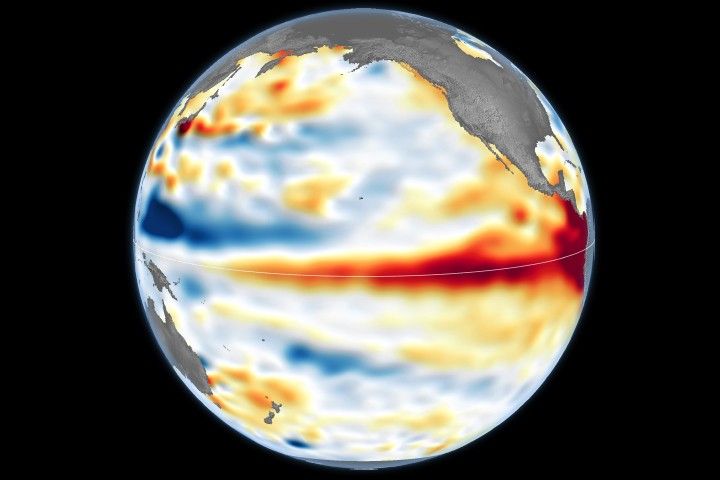
NASA Satellites Observe Historic 2026 El Niño (opens the original)
A phenomenon rarer than a solar eclipse and more powerful than any single storm system is unfolding this fall, and NASA is tracking it closely. El Niño is a natural climate pattern that emerges roughly every two to seven years marked by warmer-than-normal water temperatures in parts of the equatorial Pacific. NASA…
-
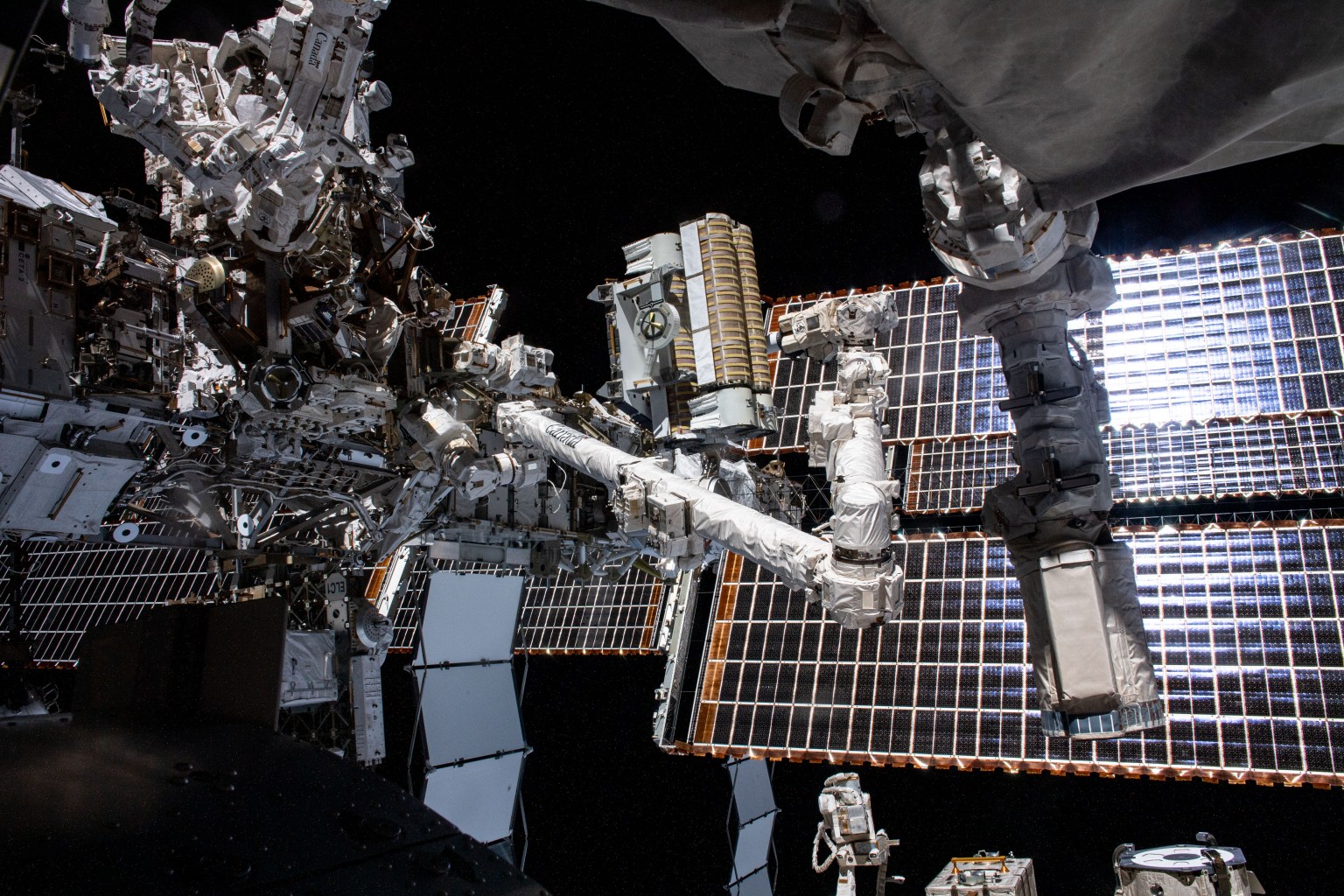
Power Up: Roll Out Solar Arrays Boost Space Station Power Supply (opens the original)
From the International Space Station’s unique position 250 miles above Earth, the Sun is a vital source of energy. Solar power supports the station’s life support systems, daily activities, and hundreds of research investigations that improve life on Earth and prepare humans for deep space exploration. Over the past…
-
FSU review shows molecular fingerprints of human impacts on global water systems (opens the original)
A Florida State University-led review shows how ultrahigh-resolution mass spectrometry can help researchers identify the molecular fingerprints of human activity
-
Mental health support is evolving: Spring Health is coming January 2027 (opens the original)
Beginning January 2027, Vanderbilt’s mental health and well-being provider will transition from Lyra Health to Spring Health. While the provider is changing, our commitment to making high-quality mental health care accessible to you and your family is staying the same.
-
AU undergraduate research team selected for national advocacy program (opens the original)
The Council on Undergraduate Research brings together undergraduate researchers and faculty mentors to develop skills in communicating the societal value of research.
-
‘Teach Ethics’, Secretary-General Urges in Message for AI Event at University of Coimbra (opens the original)
Following is the text of UN Secretary-General António Guterres’ video message for the University of Coimbra event on Guardrails for Artificial General Intelligence, held in Coimbra, Portugal, today:







Read: The Conversation, CORDIS, ESO, NASA, ScienceDaily and the newsroom feeds of 744 institutions. Last read: today. Each story's date is its publisher's. Where the news comes from, and what each source allows.