Science news
Recent stories from university newsrooms, The Conversation, CORDIS, observatories and ScienceDaily, each sorted into the fields, countries and institutions it is about, and each linked to the original publisher. Narrow them below by subject, country, institution, source, words or period. A signed-in reader can follow any filtered view and be told when a new story matches it.
2,861 stories match these filters.
-
Rainfall reshapes river ecosystems and food webs, study finds (opens the original)
Rain has an outsized impact on the ecology of rivers, according to a new study led by William & Mary’s VIMS & Batten School.
-
Forecasting "Tipping Points" with AI (opens the original)
The writer Malcolm Gladwell popularized the term "tipping points" to refer to the moment when a trend or social behavior crosses a threshold and rapidly spreads everywhere. In physics, tipping points occur when systems—say, Earth's climate—reach an unstable point and topple over into a sea of change that is sometimes…
-
Pirate researcher brings science home to help Grifton fight flooding (opens the original)
ECU graduate student Hiba El’Shaer deployed seven sensors in Grifton to monitor groundwater, soil moisture and Contentnea Creek water levels in real time. The data will help researchers identify why some areas flood more severely and remain flooded longer. The monitoring system could help Grifton improve flood…
-
Expert wants to move AI governance from principles to practice (opens the original)
On the London campus, Denise Garcia, a visiting professor from Boston, warns of the dangers of not properly regulating use of AI weaponry.
-
Satellite data reveal how Antarctica’s ice cliffs behave over time (opens the original)
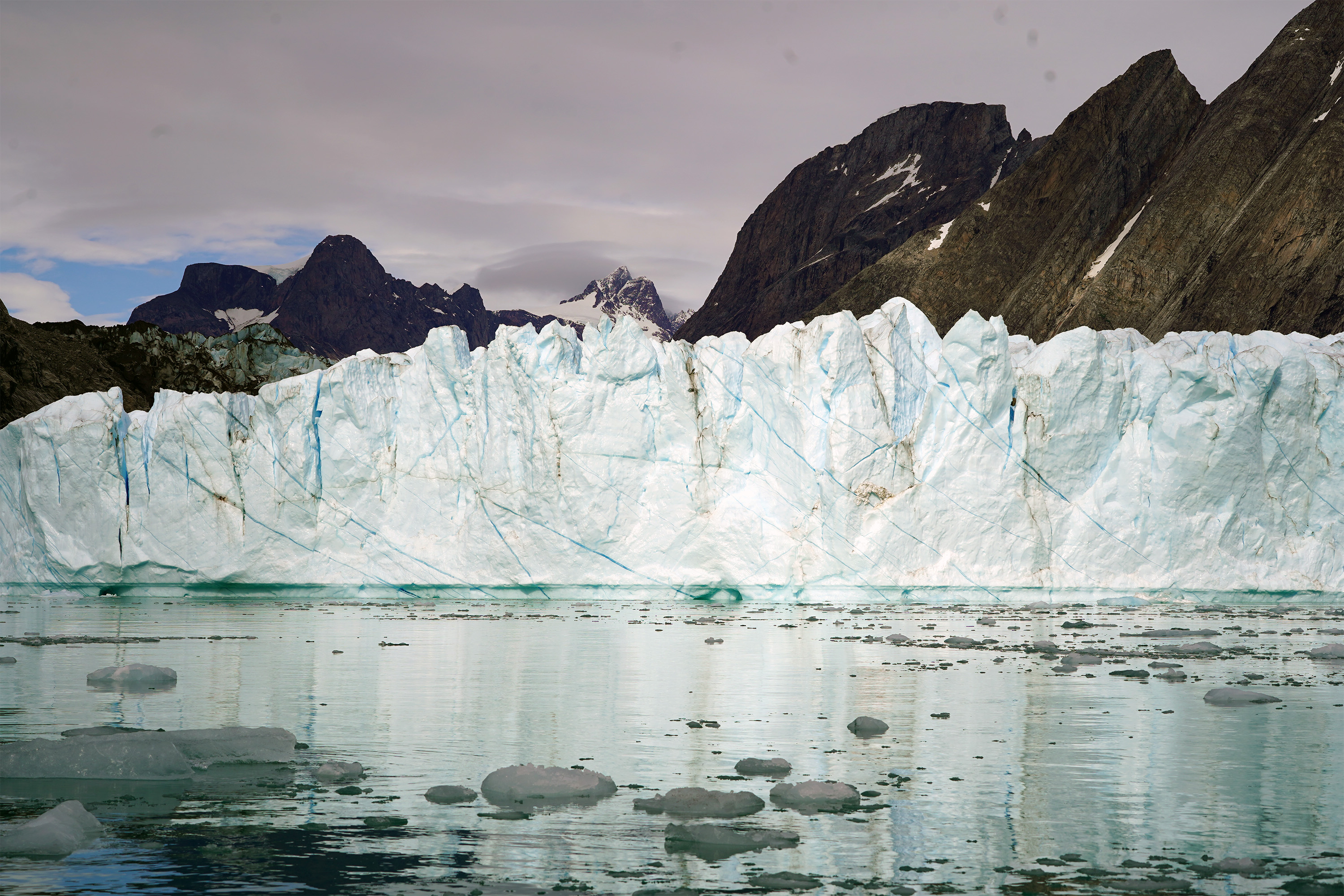
The cliffs don’t always collapse in the runaway process that scientists had expected.
-
NASA Satellites Observe Historic 2026 El Niño (opens the original)
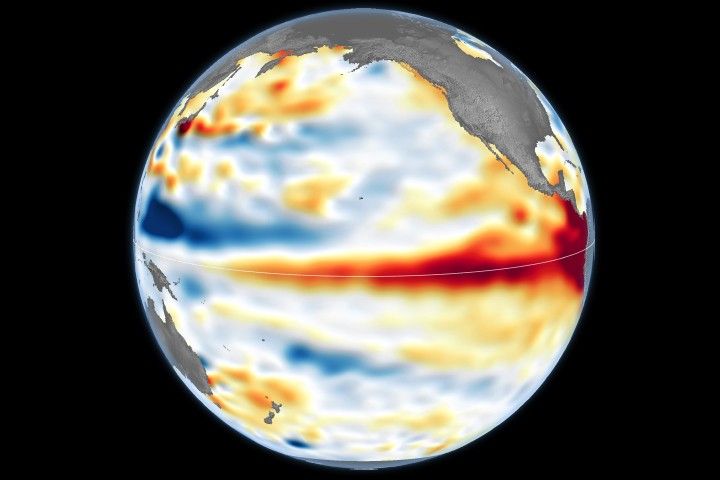
A phenomenon rarer than a solar eclipse and more powerful than any single storm system is unfolding this fall, and NASA is tracking it closely. El Niño is a natural climate pattern that emerges roughly every two to seven years marked by warmer-than-normal water temperatures in parts of the equatorial Pacific. NASA…
-
Power Up: Roll Out Solar Arrays Boost Space Station Power Supply (opens the original)
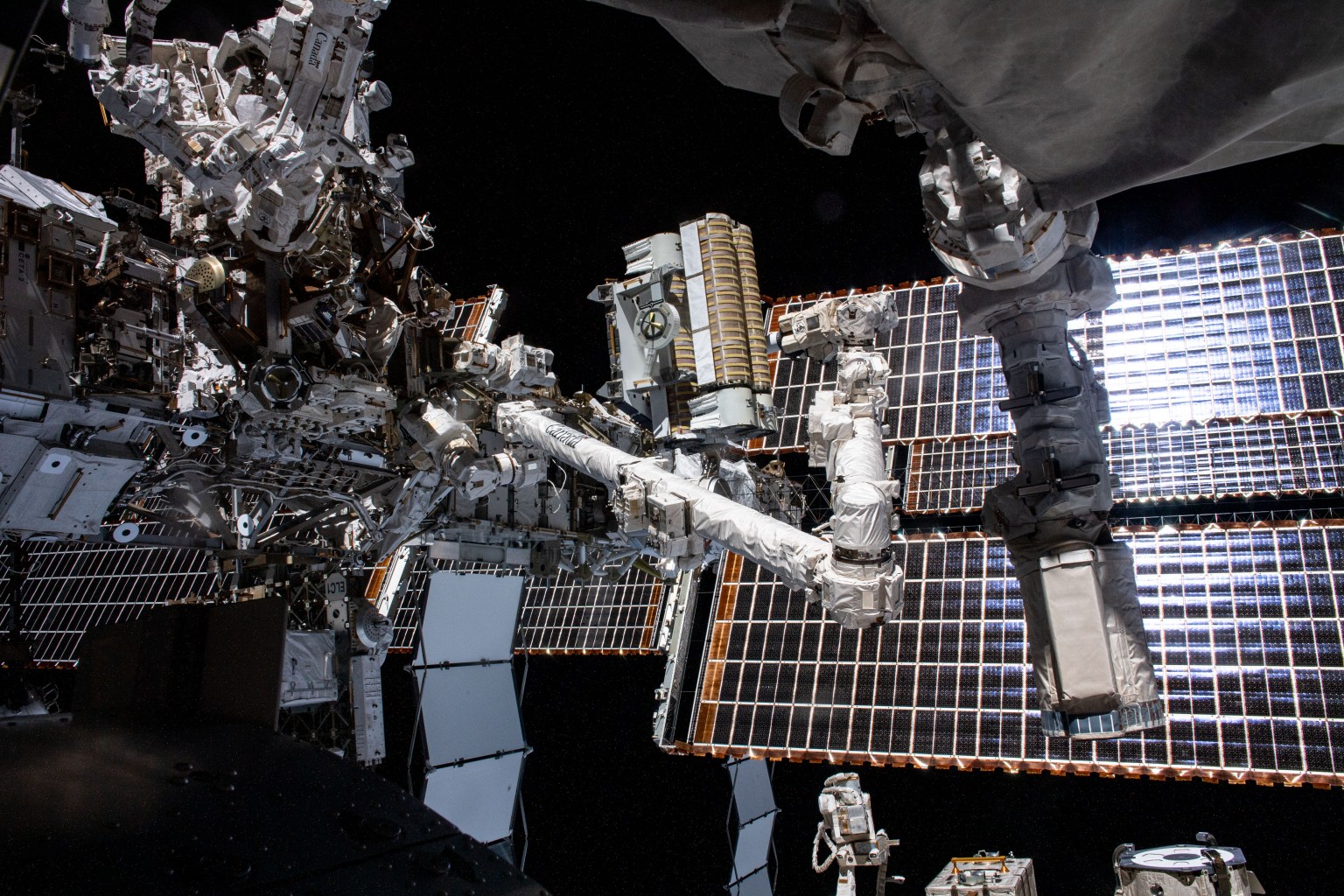
From the International Space Station’s unique position 250 miles above Earth, the Sun is a vital source of energy. Solar power supports the station’s life support systems, daily activities, and hundreds of research investigations that improve life on Earth and prepare humans for deep space exploration. Over the past…
-
‘Teach Ethics’, Secretary-General Urges in Message for AI Event at University of Coimbra (opens the original)
Following is the text of UN Secretary-General António Guterres’ video message for the University of Coimbra event on Guardrails for Artificial General Intelligence, held in Coimbra, Portugal, today:
-
Astronomy's Stacy McGaugh questions what 'ghostly' galaxies reveal about dark matter (opens the original)
Hero Type Image Henry Kizito B… Thu, 10/15/2026 - 12:50 Media Editorial Staff October 14, 2026 Stacy McGaugh Triplet of ‘Ghostly’ Galaxies Hints at What Dark Matter Is — and Isn’tQuanta Magazine: Stacy McGaugh, professor of astronomy…
-
NASA to Conduct Low-Altitude Flights Over Texas Farmland (opens the original)
A NASA Dynamic Aviation A200 aircraft will conduct low-flying research flights over farmland near Transit, Texas, from Thursday, Oct. 22, through Monday, Nov. 9. These flights will measure gaseous and particulate emissions from animal feeding operations. Agricultural emissions represent an important and understudied part of Earth’s land and atmosphere systems. The FarmFlux mission will deploy
-
One AI model, trillions of variants: Breaking mass attacks on voice assistants (opens the original)
Nathan Kahl Thu, 10/15/2026 - 12:16 In This Story People Mentioned in This Story Qiang Zeng Body Imagine sitting in your home, listening to what you think is a run-of-the-mill advertisement or perhaps a piece of music you enjoy. But while…
-
Are you a creature or a machine? How to live in ecological community in a time of AI
As we are bombarded with apocalyptic headlines about the future of artificial intelligence, the writer, farmer and environmentalist Wendell Berry can help bring us back to our earthly community.
Picture: (Unsplash)
-
Beyond national parks: researchers explore a broader future for conservation (opens the original)
As governments prepare to gather in Armenia for the UN biodiversity summit, researchers are highlighting... Beyond national parks: researchers explore a broader future for conservation appeared first on University of Exeter News.
-
NASA Awards Enable Research, Technology to Build Future Workforce (opens the original)
NASA has selected 12 U.S. institutions to receive $12 million to accelerate academic research and technology development in support of the agency’s priorities for exploring the Moon, Mars, and deep space. Through NASA’s Minority University Research and Education Project (MUREP) Space Technology Artemis Research (M‑STAR) initiative, selected institutions will each receive up to $1 million
-
Rigorous Analysis Confirms NASA’s Artemis II Heat Shield Performance (opens the original)
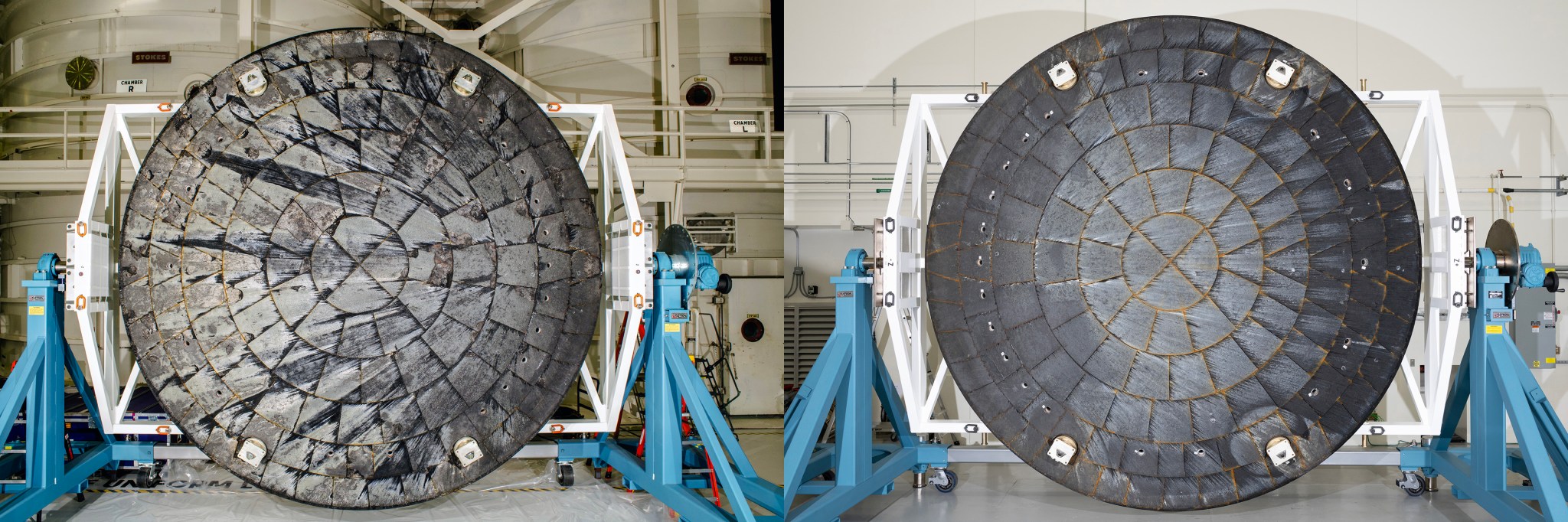
NASA’s Artemis II mission sent four astronauts around the Moon and brought them safely back to Earth, laying a foundation for crewed flights to the Moon’s surface. Additional engineering data analysis of the Orion spacecraft’s heat shield confirmed initial data showing the heat shield performed as expected. In…
-
Satellite Communications Restrictions Disrupt Ukrainian Drone Operations (opens the original)
SatNews reports that new speed restrictions affecting military Starshield satellite communications terminals in Ukraine have disrupted drone operations and battlefield connectivity. According to the publication
-
Participants sought for a study on interaction with AI-powered voice assistants (opens the original)
The Chair of Ergonomics and Innovation Management at University of Technology Chemnitz is looking for participants for an in-person study.
-
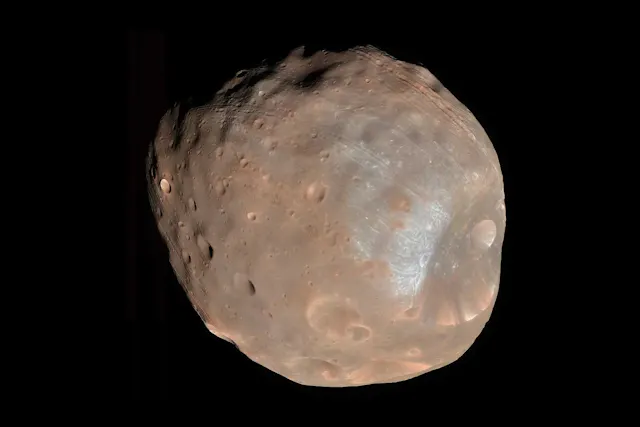
How did Mars get its moons? Japan’s MMX space mission aims to solve the puzzle
Japan’s MMX mission will collect samples from Mars’ moon Phobos to determine its origin.
-
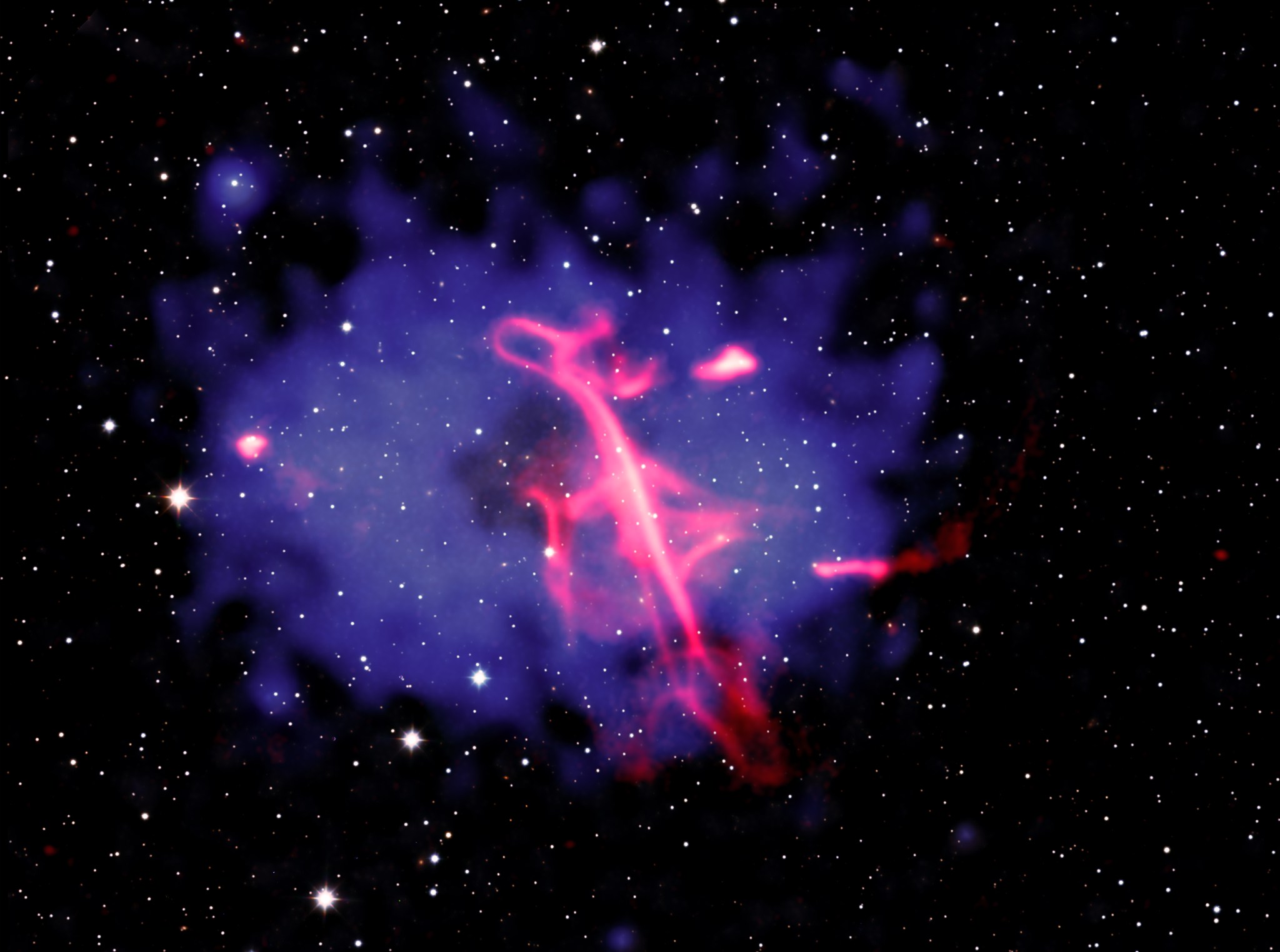
Chandra Finds Possible Origin of ‘Treble Clef’ Waves (opens the original)
A formation of radio waves looks remarkably like a treble clef in this Oct. 14, 2026, image from NASA’s Chandra X-Ray Observatory. Researchers used Chandra to find that the Treble Clef is likely caused by an outburst from a supermassive black hole, followed by a collision of two galaxy clusters.
-
$1.18M NSF award expands UTulsa’s advanced research infrastructure (opens the original)
A $1.18 million NSF Major Research Instrumentation award will bring advanced XPS technology to UTulsa, expanding research capabilities in energy, aerospace, manufacturing and materials science.







Read: The Conversation, CORDIS, ESO, NASA, ScienceDaily and the newsroom feeds of 739 institutions. Last read: today. Each story's date is its publisher's. Where the news comes from, and what each source allows.