Science news
Recent stories from university newsrooms, The Conversation, CORDIS, observatories and ScienceDaily, each sorted into the fields, countries and institutions it is about, and each linked to the original publisher. Narrow them below by subject, country, institution, source, words or period. A signed-in reader can follow any filtered view and be told when a new story matches it.
2,861 stories match these filters.
-
Uppsala and Chalmers are establishing a new centre of excellence for wind power (opens the original)
The Swedish Energy Agency has awarded funding for the establishment of a new national centre of excellence. The centre will bring together the country’s leading academic experts and industry
-
The AI dilemma: how do we harness the benefits of AI without losing what matters most? (opens the original)
Recently, someone described Artificial Intelligence (AI) to me as "soul-sucking". As the Met Office’s Chief AI Officer, it stopped me in my tracks. Yes, AI is a transformational technology laden with opportunity, and we are beginning to see what it can really do in weather and climate science and services, but at…
-
Duct tape kept out more flood water than sandbags in laboratory tests
Duck tape kept out more floodwater than sandbags, in lab tests.
-
Could your plastic film packaging serve a purpose? We won’t know until recycling laws change
Hard-to-recycle plastic waste could be an untapped resource but current laws make it difficult for UK companies to innovate.
-
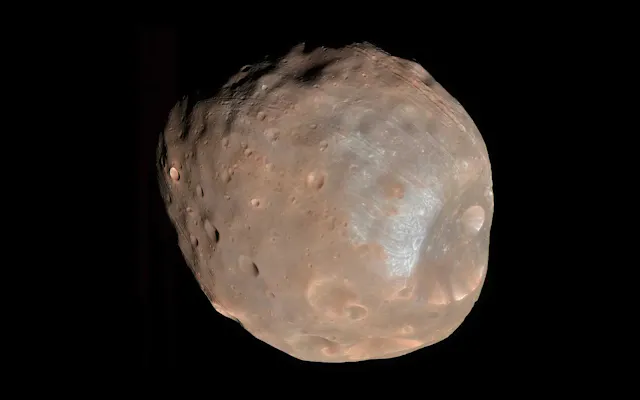
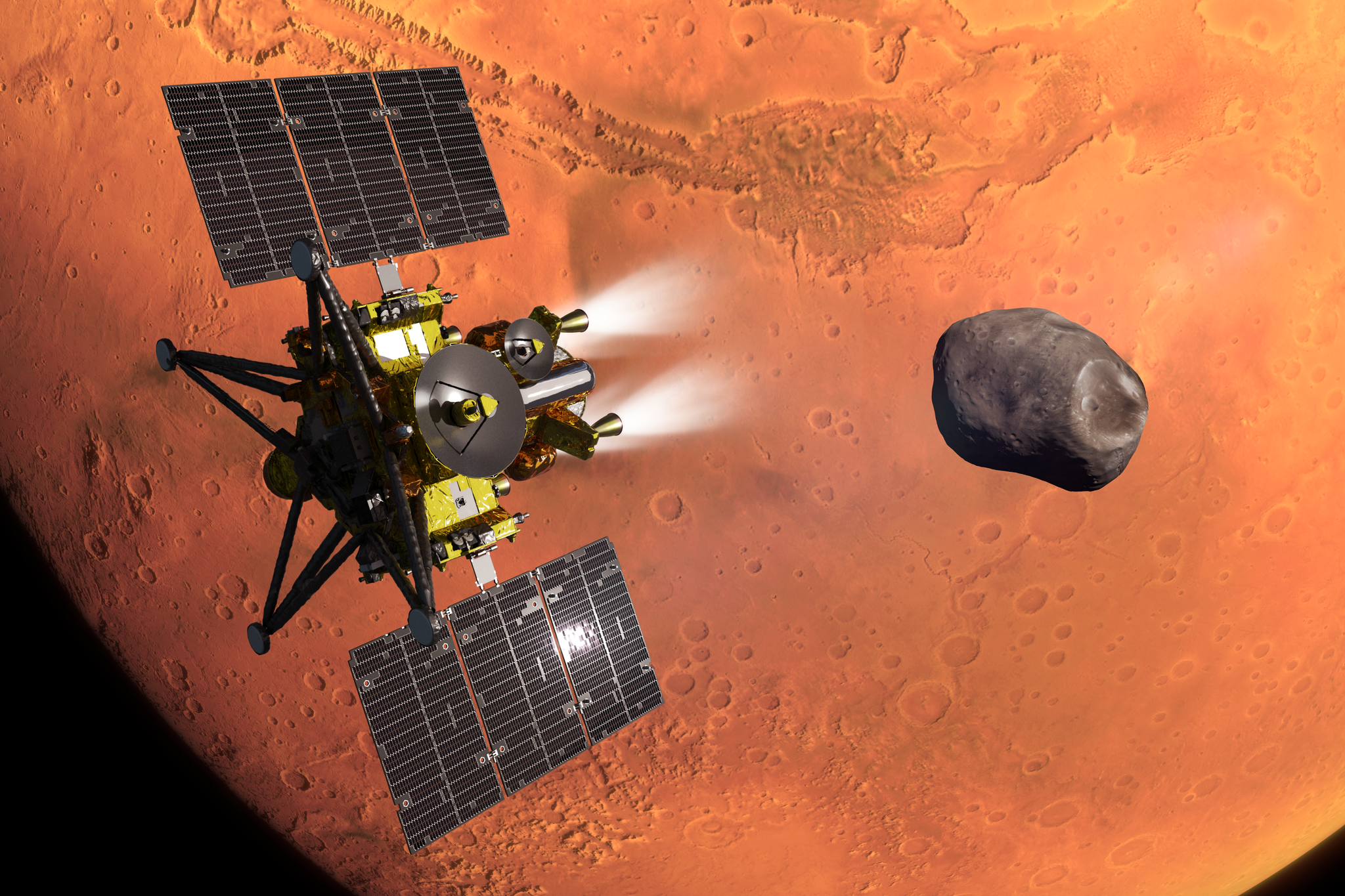
Japan’s MMX mission aims to swipe soil samples from Mars’ moon Phobos
The mission could help resolve how Mars’ two moons were formed.
-
Winter sea ice loss may be underestimated, according to ancient clues from a warmer Arctic (opens the original)
Sarah Collins Fri, 10/16/2026 - 10:00 The results, reported in the journal Nature Geoscience, could have implications for future winter conditions in the UK and across Europe. The retreat of Arctic sea ice in the summer months…
-
MMU-Led Team Wins First Prize at 2026 1010 Global AI Agent Competition (opens the original)
A team led by students from Multimedia University (MMU) has won First Prize in Track A at the 2026 1010 Global AI Agent Competition, an international technology competition that brings together innovators to develop artificial intelligence (AI) agent solutions for real-world challenges. The 2026 competition attracted…
-
Snyder finds her stride on the water and in the classroom (opens the original)
Alanna Snyder joined Nebraska Rowing Club as a complete beginner. Now a two-time national medalist and co-president, the senior mechanical engineering major has found friendship, focus and inspiration on the water — including ideas for making rowing boats more accessible to women.
-
APOD: 2026 October 16 – Chasing the International Space Station (opens the original)
APOD Science APOD APOD: 2026 October 16 –… Today’s APOD Archive Submissions Index Search Calendar RSS Education About Discuss APOD Astronomy Picture of the Day Discover the cosmos! Each day a different image or photograph of our fascinating universe is featured, along with a brief explanation written by a professional astronomer. To view this
-
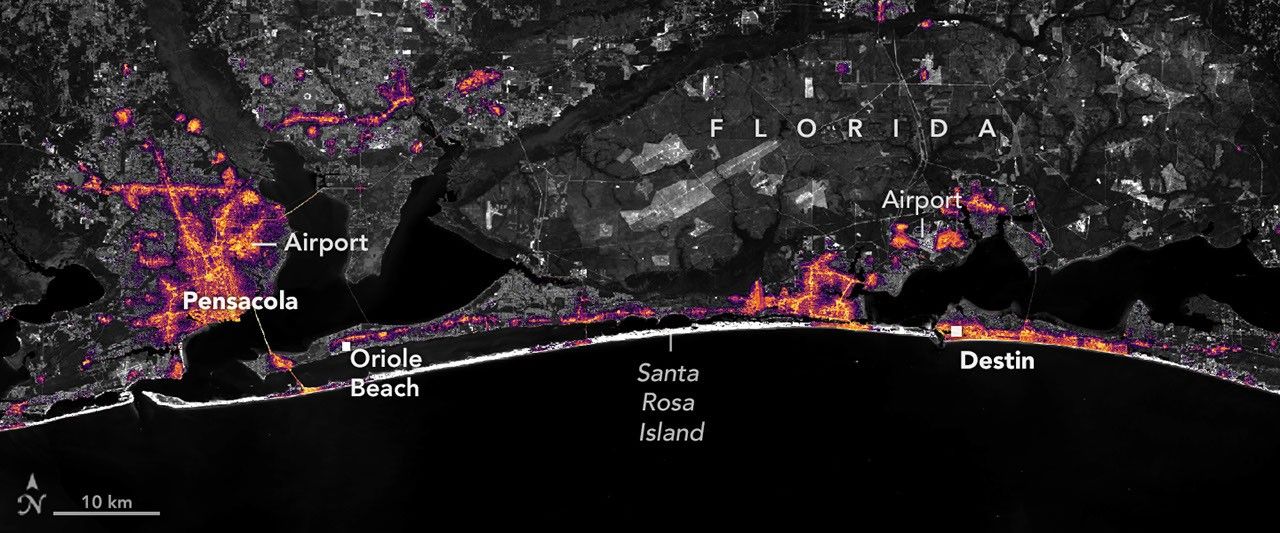
Isaias Dims the Gulf Coast (opens the original)
High-definition images of nighttime lights show where the hurricane knocked out power along the Florida Panhandle and how quickly the lights came back.
-
Kids and teens are going to AI chatbots for advice. How can parents make sure this is safe?
Children and teens often turn to artificial intelligence for advice on sensitive topics. But chatbots are not a substitute for human support.
-
Global mean sea-level fall from late Marine Isotope Stage 3 into the Last Glacial Maximum inferred from Great Barrier Reef large benthic foraminiferal assemblages (opens the original)
<Dissertation information>Journal: Earth and Planetary Science LettersTitle:Global mean sea-level fall from la... The post Global mean sea-level fall from late Marine Isotope Stage 3 into the Last Glacial Maximum inferred from Great Barrier Reef large benthic foraminiferal assemblages first appeared on THE UNIVERSITY…
-
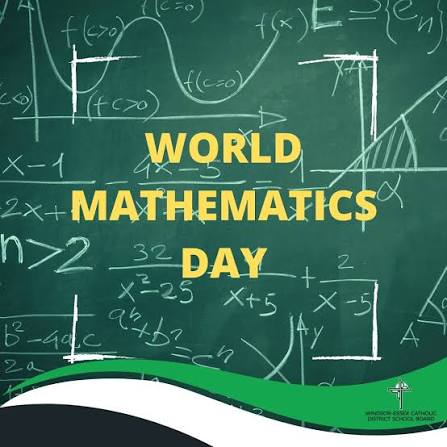
National Day of Fundamental Mathematics of Oran ’26 (opens the original)
The Laboratory of Fundamental and Applied Mathematics of Oran is organizing the National Day of Fundamental Mathematics of Oran ’26 on November 26, 2026. This scientific event will focus on recent advances in functional analysis, particularly in the fields of partial differential equations (PDEs), operator theory and…
-
How Berkeley shaped NASA’s newest space telescope (opens the original)
The Roman Space Telescope realizes an idea conceived at UC Berkeley and Berkeley Lab. A Berkeley astronomer now leads a large group of scientists who hope to reap the benefits.
-
Three AI and cybersecurity skills worth building today (opens the original)
Artificial intelligence and cybersecurity are changing nearly every industry. Whether you're studying business, computer science, engineering, health care, education, or the arts, understanding these topics will help you prepare for the modern workplace.
-
NASA to Help Unlock Mysteries of Mars’ Moons in Upcoming Mission (opens the original)
NASA is playing an important role in JAXA’s (Japan Aerospace Exploration Agency) MMX (Martian Moons eXploration) mission, to advance our understanding of Mars’ moons and build on the agency’s long history of exploring the Red Planet. The mission aims to characterize and determine the origin of Mars’ moons Phobos and Deimos and deliver a sample
-
UIS Halley Group Invites the Public to Discover the Moon and Saturn at a “Camping Under the Stars” (opens the original)
The Halley Group at the Industrial University of Santander (UIS) will host an astronomy observation event on Saturday, October 24, and Sunday, October 25, in Santa Bárbara, Santander, Colombia. The experience will combine science outreach activities, telescope observations, and an overnight camping experience…
-
The High Court looked at coal climate emissions overseas. But what about emissions at home?
Debate about climate pollution from Australian coal mines is focused overseas. But emissions released at home matter, too.
-
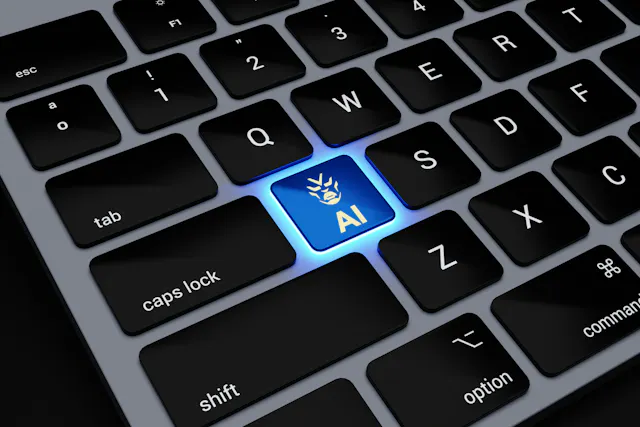
Companies that get hacked face stricter laws than firms unleashing rogue AI. We can fix that
Just as car makers have to report and pay to fix faulty airbags, AI companies should be legally responsible for their faulty products.
Picture: Bolivia Inteligente/Unsplash
-
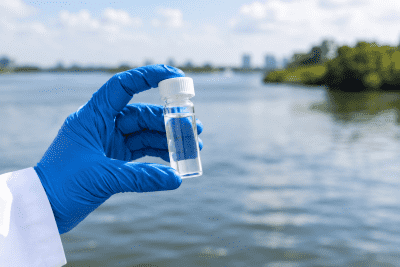
30 minutes to detect PFAS: FIU's new water safety breakthrough (opens the original)
The need for rapid testing of “forever chemicals” is vital in places where drinking water comes from sources vulnerable to surface runoff from landfills and airports.






Read: The Conversation, CORDIS, ESO, NASA, ScienceDaily and the newsroom feeds of 739 institutions. Last read: today. Each story's date is its publisher's. Where the news comes from, and what each source allows.