Science news
Recent stories from university newsrooms, The Conversation, CORDIS, observatories and ScienceDaily, each sorted into the fields, countries and institutions it is about, and each linked to the original publisher. Narrow them below by subject, country, institution, source, words or period. A signed-in reader can follow any filtered view and be told when a new story matches it.
11,563 stories stored from the last six months.
-
I Am Artemis: Allison Mjoen (opens the original)
As the supercooled propellant flowed into the core stage, and NASA’s SLS (Space Launch System) rocket roared to life, Allison Mjoen and her family watched with awe and pride. Mjoen, NASA’s operations manager for the agency’s Exploration Ground Systems Program, helped shape the systems and ground operations that will one day send humans back to
-
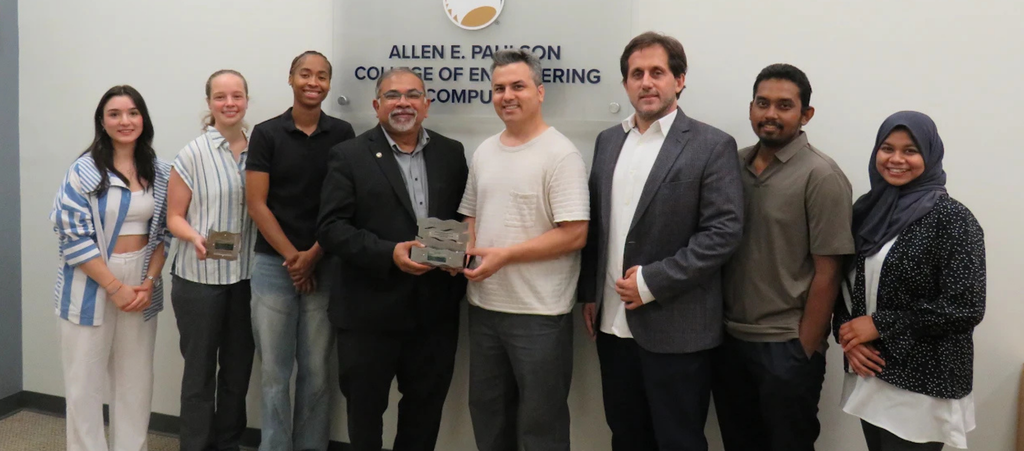
Georgia Southern team wins $20,000 in DOE Marine Energy Competition (opens the original)
Georgia Southern won $20K and a national title for their innovative tidal turbine design and community outreach plan. The post Georgia Southern team wins $20,000 in DOE Marine Energy Competition first appeared on Georgia Southern University.
-
Ferrer wins 2026 New American Voices Award (opens the original)
Katarina Benson Fri, 10/16/2026 - 10:04 Body Pulitzer Prize-winning historian Ada Ferrer received the ninth annual Institute for Immigration Research New American Voices Award for her memoir, Keeper of My Kin: Memoir of an Immigrant Daughter, at the Fall for the Book…
-
Is it better to vaccinate against COVID and flu together, or separately?
The target groups for these two jabs are not exactly the same.
-
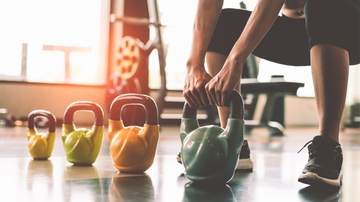
UNM study finds differences in cellular responses to exercise (opens the original)
A recently published study by University of New Mexico researchers looks at how intense exercise affects the body. Michael Deyhle, an associate professor in the Department of Health, Exercise and Sports Sciences, oversaw the study led by doctoral students Jonathan Specht, Jeremy Ducharme, and Alyssa Bailly. The study…
-
Funding boost for saliva test project to help care homes identify delirium risk (opens the original)
A Teesside University researcher is at the heart of a groundbreaking initiative to improve the lives of people living with dementia, following a funding award for a project developing a simple saliva test to help predict delirium risk in care homes. ●
-
Shining a Light on the Underground Life of Plants (opens the original)
Dartmouth-led research finds that warming can slow how tree roots feed soil microbes.
-
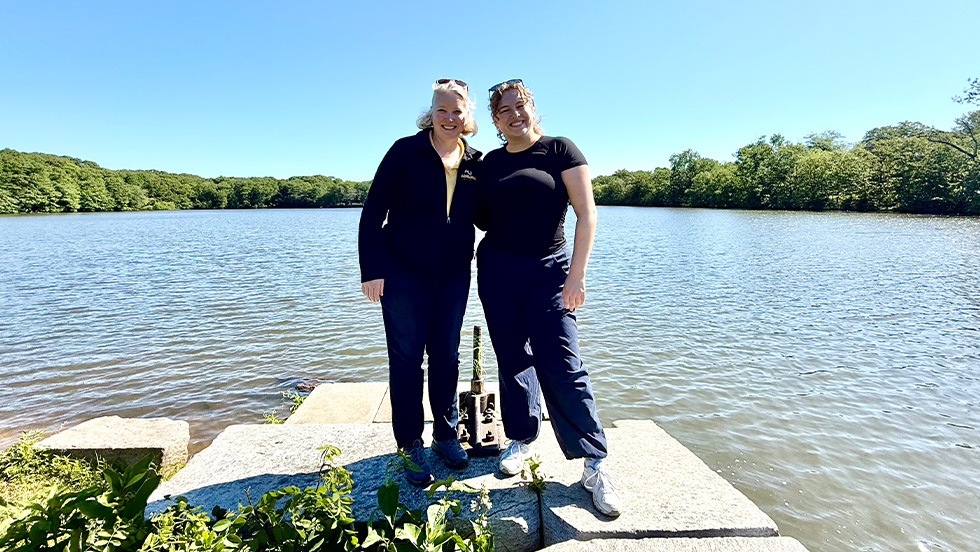
Can an Eel Climb a Ladder? Inside an Adelphi Student’s Research to Save the American Eel (opens the original)
Their research examines how American eels—an IUCN-endangered species migrating between the Sargasso Sea and freshwater rivers—navigate dams and fish passages. Currently, only 13 percent of fish passages at U.S. hydropower structures are specifically designed for eel usage.1 We’ve all heard of the Bermuda…
-
A ‘huge leap forward’ for brain injury care in first responders (opens the original)
Over 50 experts – clinicians, researchers, policymakers, first responders and representatives from agencies that employ and advocate for them – have reached consensus on the first-ever recommendations for the recognition, diagnosis and management of traumatic brain injury in first responders.
-
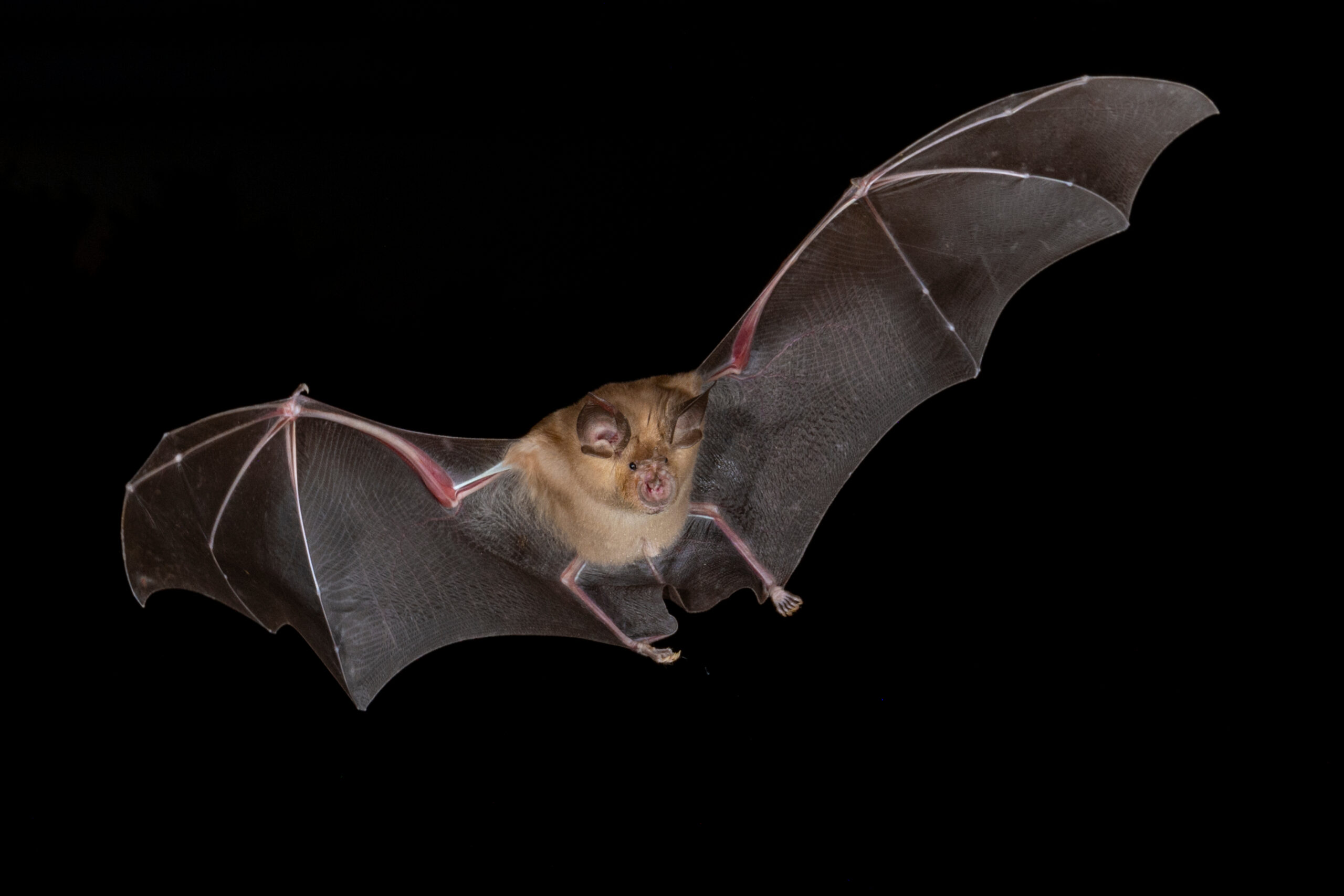
Q&A: Bats, busted myths and the science behind their superpowers (opens the original)
Bats are a familiar sight around Halloween, often portrayed as spooky creatures to be feared. Like spiders, they’re frequently misunderstood, despite their important role in the ecosystem. Bats help control insect populations, pollinate plants and disperse seeds, making them valuable to ecosystems around the world…
-
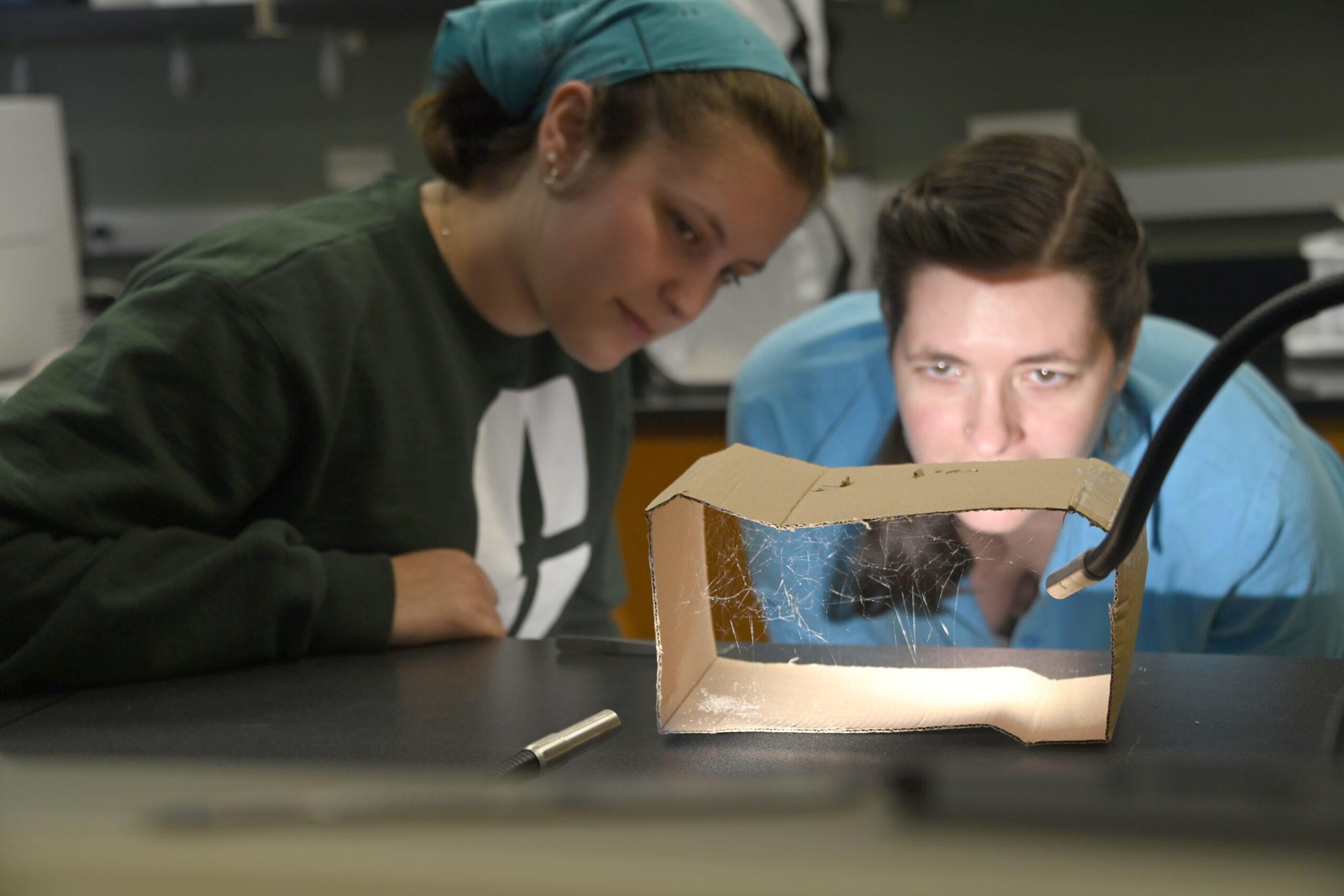
UNC Charlotte research explores the power and potential of spider silk (opens the original)
As Halloween approaches, spiders, bats and other “spooky” creatures are creeping into the spotlight. In the Stellwagen Lab at UNC Charlotte, though, spiders are the main focus of ongoing research throughout the year. Sarah Stellwagen, assistant professor in the Department of Biological Sciences, is specifically…
-
Private equity owns less than 4% of U.S. hospitals, WashU research finds (opens the original)
A new study led by researchers at Olin Business School at Washington University in St. Louis finds private equity only accounts for a small share of the nation’s hospitals, with most investors exiting within five years.
-
Why Early Detection Matters: 7 Things to Know About Breast Cancer Screening (opens the original)
Finding breast cancer earlier can change what comes next. Mammograms can detect signs of breast cancer before symptoms appear, when the disease may still be confined to the breast and more treatment
-
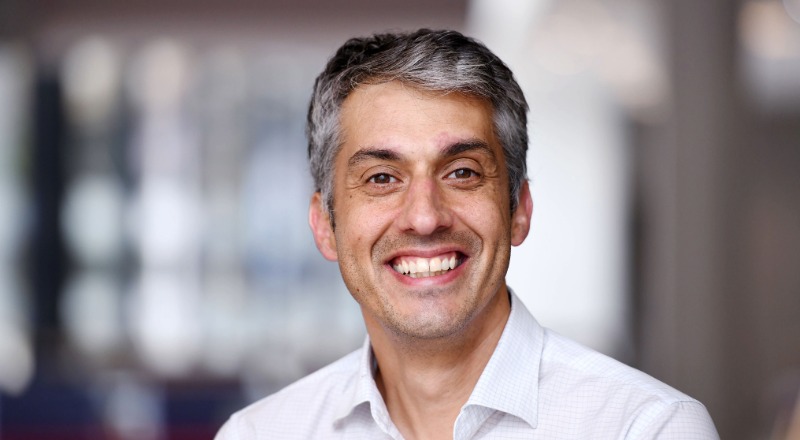
F-35’leri görünmez kılan Türk mucit Ergün Kırlıkovalı YTÜ’de (opens the original)
Ergün Kırlıkovalı, the Turkish inventor who made the F-35s invisible, at YTÜ teknoparkadmin 16/10/2026 Ergün Kırlıkovalı, the Turkish inventor and polymer scientist behind the polymer coating technology that makes F-35 and B-2 aircraft invisible, will meet with our students and faculty members at Yıldız Technical…
-
Rabbits were a medieval royal luxury in England – until the Black Death made them commonplace
Once the preserve of the aristocracy, rabbits became commonplace by the end of the Middle Ages as the world was turned upside down after the arrival of plague.
-
Can AI screen for heart disease using photos of your tongue and face?
Photos of the face and tongue helped an AI identify heart disease with 98% accuracy, but screening the general public is a much harder task.
-
NASA’s Hubble Spies Spiral’s Edge (opens the original)
This NASA Hubble Space Telescope image features the edge-on, intermediate spiral galaxy NGC 1827, located roughly 37 million light-years away in the constellation Columba, the Dove.
-
The industrial perspective is intended to contribute to more sustainable and efficient construction (opens the original)
How can the construction industry become more productive, climate-smart, and better equipped to meet the demands of the future? As an adjunct professor at Luleå University of Technology, Ida Edskär—technical director at Lindbäcks Bygg and a former researcher in timber construction—aims to strengthen the link between…
-
Treating depression during pregnancy may benefit baby’s brain development – new research
Therapy during pregnancy for those who need it may have advantages for the next generation.






Read: The Conversation, CORDIS, ESO, NASA, ScienceDaily and the newsroom feeds of 744 institutions. Last read: today. Each story's date is its publisher's. Where the news comes from, and what each source allows.