Science news
Recent stories from university newsrooms, The Conversation, CORDIS, observatories and ScienceDaily, each sorted into the fields, countries and institutions it is about, and each linked to the original publisher. Narrow them below by subject, country, institution, source, words or period. A signed-in reader can follow any filtered view and be told when a new story matches it.
2,860 stories match these filters.
-
Instrumentation (opens the original)
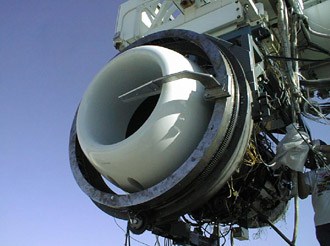
To measure airflow and sound, research teams at the NASA Glenn Research Center use special instrumentation like particle image velocimetry, hot wire anemometry, Raman spectroscopy, microphones in phased arrays or continuously rotating rakes. The global aviation noise reduction community relies on data from NASA GRC experiments to validate theory and noise prediction software. Rotating Rake
-
Phoebe Giannisi’s eco-poetry challenges the idea that humans are separate from nature
What cicadas, shepherds and an ancient Greek monster reveal about our place in nature.
-
Digital natives are buying electric cars as if they were smartphones
Car buyers increasingly see vehicles as hardware platforms to host digital functions.
-
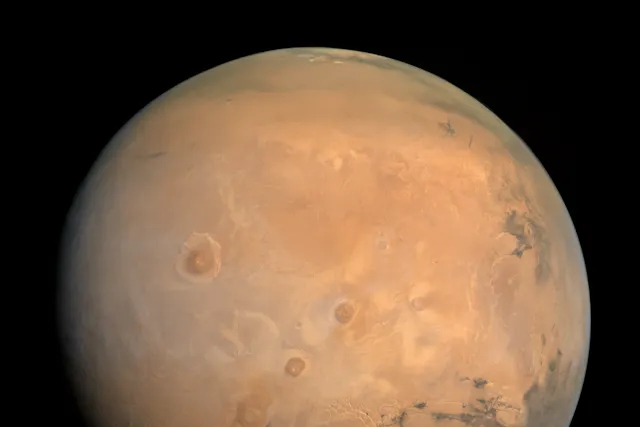
Martian Dawn (opens the original)
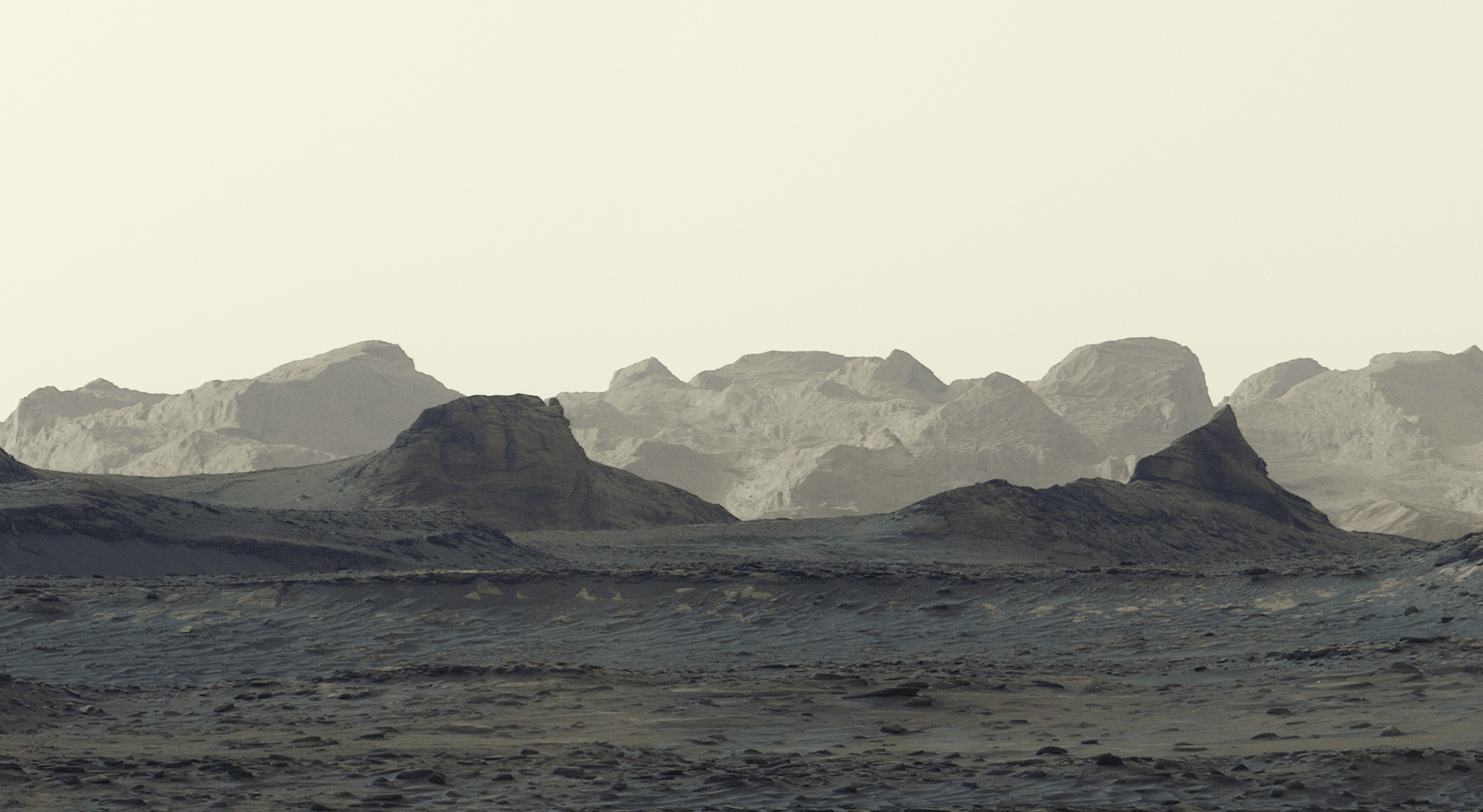
NASA’s Curiosity captures the dawn on Mars – as well as elongated ridges formed by wind erosion, or yardangs – in this close-up from a panorama released on Oct. 6, 2026. This is the most detailed view yet of distant, wind-carved Martian cliffs, highlighting features the mission’s scientists have long been waiting to see up
-
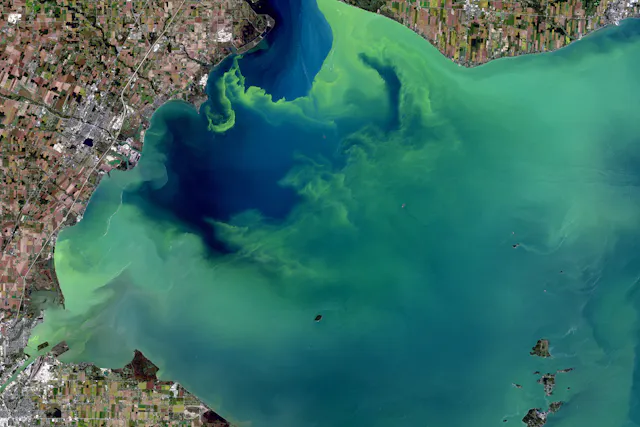
Tackling Lake Erie’s algal blooms requires targeted conservation strategies
Many of the excess nutrients causing algal blooms in Lake Erie come from nearby farms, and the challenge is keeping them out of waterways.
-
Kipper cream or fish in custard? A century of magazine recipes reveals how Britain’s seafood tastes have narrowed
Britain’s limited appetite for fish is often assumed to be a long-standing cultural norm. Recipes published in a Good Housekeeping suggest otherwise.
-
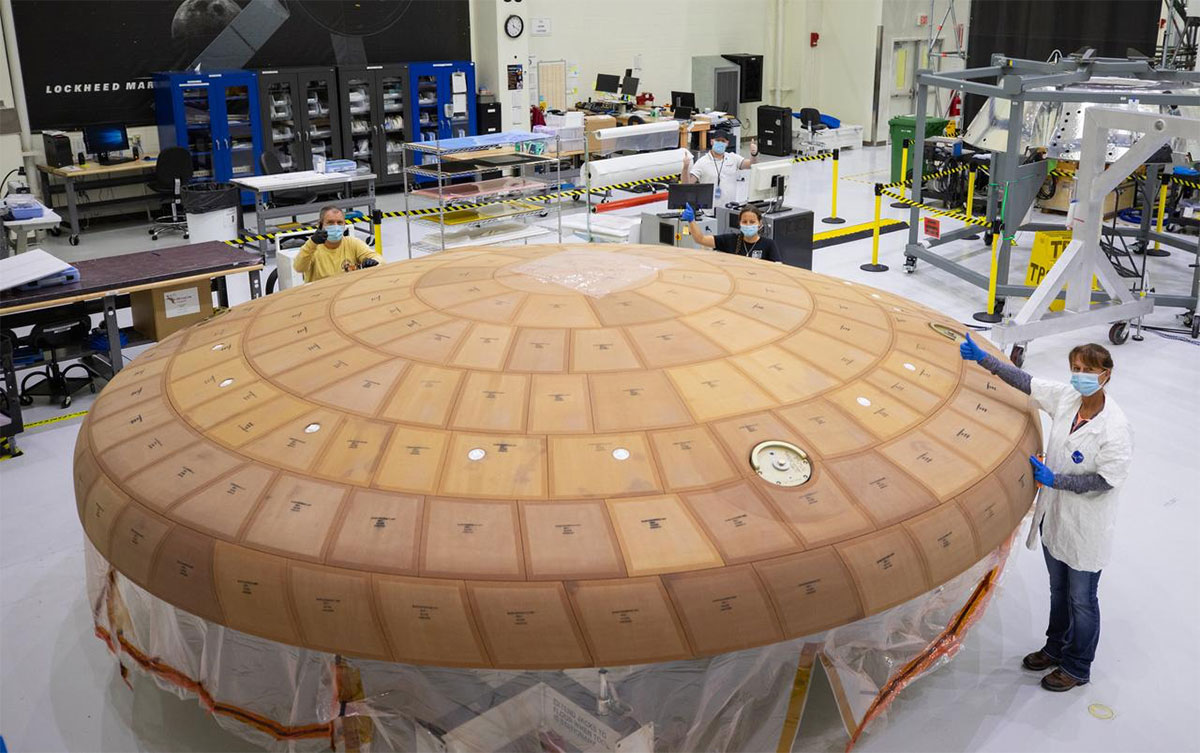
Engineering Analysis Confirms Orion Heat Shield Performance on Artemis II (opens the original)
SpaceNews reports that engineering studies have confirmed the Orion spacecraft's heat shield performed as expected during NASA's
-
Shipwrecks can become thriving reefs, but may contain hidden toxic time bombs
Artificial reefs are still no substitute for protecting the real thing.
-
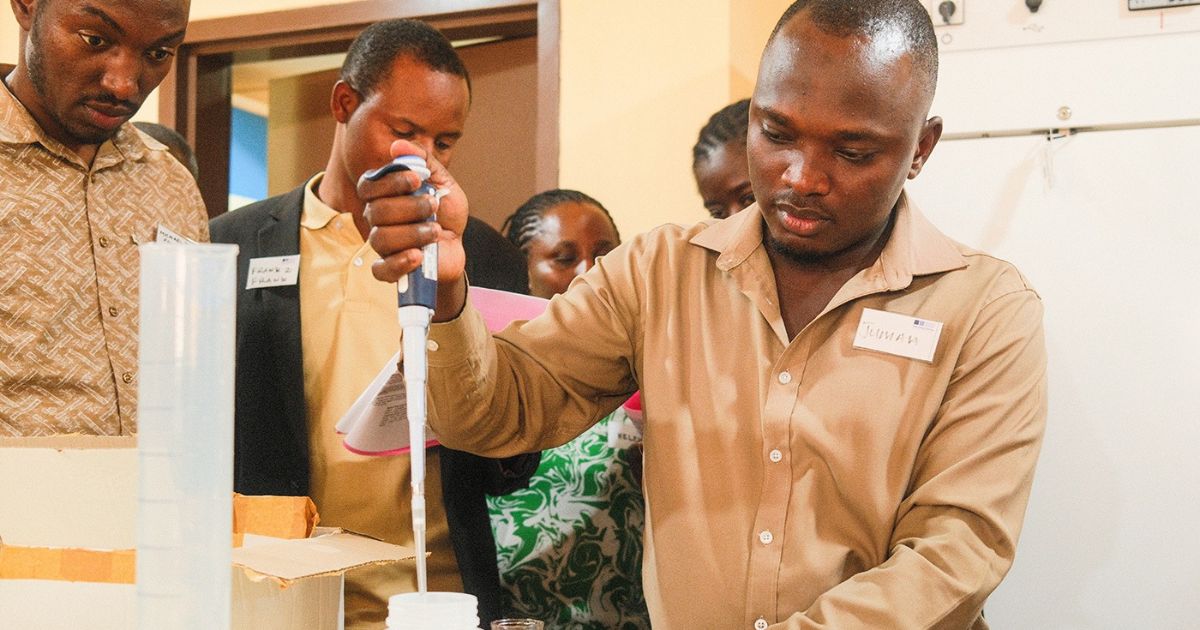
New wheat disease detection tool established in Tanzania (opens the original)
John Innes Centre researchers have trained scientists from across Tanzania to use new loop-mediated isothermal amplification assays to rapidly detect wheat blast, a looming fungal threat to wheat harvests.
-
Why Europe’s new defence agenda depends not only on armies, but also on citizens
The EU may not yet have a common army but via its citizens, member states can foster a culture of resilience and solidarity if all levels of society can pull together.
-
NSF-Funded Research Drives Innovation in Tire Performance (opens the original)
Researchers in Stony Brook University's Department of Materials Science and Chemical Engineering are working on Optimizing tires for grip and fuel efficiency. The post NSF-Funded Research Drives Innovation in Tire Performance first appeared on SBU News.
-
How candidates are (quietly) talking about climate change – 3 election strategies you’ll see across the US
Voters have a lot of weighty issues on their minds, but that doesn’t mean they aren’t worried about climate change.
-
Candidates are quietly talking about climate change – 3 election strategies you’ll see across the US
Voters have a lot of weighty issues on their minds, but that doesn’t mean they aren’t worried about climate change.
-
NASA’s Mars orbiter fleet is getting old – here’s how that could affect future exploration
NASA lost contact with its Maven spacecraft – the youngest of its Mars orbiters – at the end of 2025. The others in its fleet are over two decades old.
-
Why calling for a ‘kill switch’ is the wrong way to think about reining in AI
A kill switch to shut down dangerous AI systems is a seductive concept, but the metaphor hides how the models work – and how they get out of control in the first place.
-
Cosmic “Hamburger” Has the Secret Ingredients (For Giant Planet Formation, That Is) (opens the original)
Do cosmic hamburgers hold the secret ingredients. . .for planets? This one sure does! Astronomers using the Atacama Large Millimeter/submillimeter Array (ALMA) were surprised to discover the very earliest phases of giant planet formation between the dense layers of gas and dust in the “Gomez’s Hamburger” system…
-
The 22nd International Scientific and Practical Conference "Thermal Energy: Ways of Renovation and Development" took place. (opens the original)
The online event took place on October 14–15, 2025, at the Institute of Thermal Power Engineering Technologies of the NAS of Ukraine.
-
5 Questions for Nabila Ahmad (opens the original)
After beginning her studies in architecture, Nabila Ahmad shifted to business, where an impactful co-op with IBM helped launch her career in technology sales leadership.
-
A new tool makes mapping the ocean easier (opens the original)
UCSB marine scientists have developed a new, open-source software package that makes it faster and simpler to find, organize and map data about the world’s oceans.



Read: The Conversation, CORDIS, ESO, NASA, ScienceDaily and the newsroom feeds of 739 institutions. Last read: today. Each story's date is its publisher's. Where the news comes from, and what each source allows.