Science news
Recent stories from university newsrooms, The Conversation, CORDIS, observatories and ScienceDaily, each sorted into the fields, countries and institutions it is about, and each linked to the original publisher. Narrow them below by subject, country, institution, source, words or period. A signed-in reader can follow any filtered view and be told when a new story matches it.
10,921 stories stored from the last six months.
-
Would subsidising weight loss drugs make health care fairer?
Those carrying the greatest burden of obesity and its complications may be among the least able to afford one of the most effective treatments now available.
-
Analysis: Why local elections give voters a greater voice (opens the original)
From public services to community development, an expert explains why local elections deserve voters’ attention.
-
Zilber College research explores how movement can build body connection (opens the original)
At the start of Body Acceptance Week Oct. 23-27, new research from the Zilber College of Public Health at UWM offers a different way to think about the relationship between physical activity and our bodies.
-
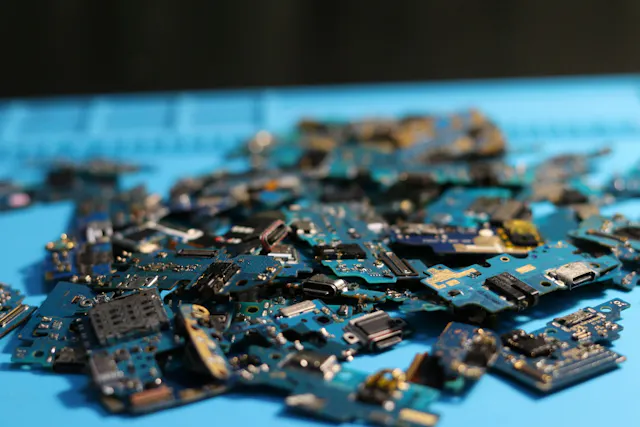
Where does all the hardware go? The hidden environmental footprint of AI data centres
Canada’s new Responsible Data Centre Development Principles fail to address computer hardware alongside water and electricity usage.
Picture: (Unsplash)
-
Protecting children’s health from air pollution and climate change (opens the original)
As Utah families trade summer heat for cooler fall days, the environmental conditions affecting children’s health don’t disappear with the season.
-
Federal spending on climate change before 2024 election boosted incumbents of both parties
Incumbents can still reap electoral rewards when federal money reaches their districts, even if they opposed the bill that provided it.
-
Sex toys aren’t just for fun. They can be adaptive tools for disabled and chronically ill people
Sex toys can help people whose sex lives have been changed by illness, disease or disability, move past traditional sex scripts.
-
Science: How scientists domesticated a killer bacterium (opens the original)
NAU professor Paul Keim’s new analysis of more than 1,000 bacterial genomes is an extraordinary piece of microbiological detective work. Detailed in a new paper published yesterday in the Proceedings of the National Academy of Sciences (PNAS), the study led by Keim shows how scientists unwittingly triggered the…
-
New York Times: Fewer buyers for timber on federal land raises risk of wildfires (opens the original)
Timber sales are an important tool for preventing catastrophic wildfires—but recently, loggers have passed up timber sales across federal lands because of a downturn in the industry. Tucker Herbert, a researcher at NAU’s Ecological Restoration Institute, shed light on how recent Forest Service layoffs and buyouts are…
-
GoEng Girl 2026 (opens the original)
sjuteaupeall Mon, 10/19/2026 - 14:21 Join us at GoEng Girl for a day of fun hands-on activities and discover how exciting engineering can be! What: This event was designed to teach girls/non-binary youth in Grades 7 to 10 what engineering is all about! Parents can choose to stay or drop off/pick-up…
-
Go Eng Girl 2027 (opens the original)
sjuteaupeall Mon, 10/19/2026 - 14:21 Join us at GoEng Girl for a day of fun hands-on activities and discover how exciting engineering can be! What: This event was designed to teach girls/non-binary youth in Grades 7 to 10 what engineering is all about! Parents can choose to stay or drop off/pick-up…
-
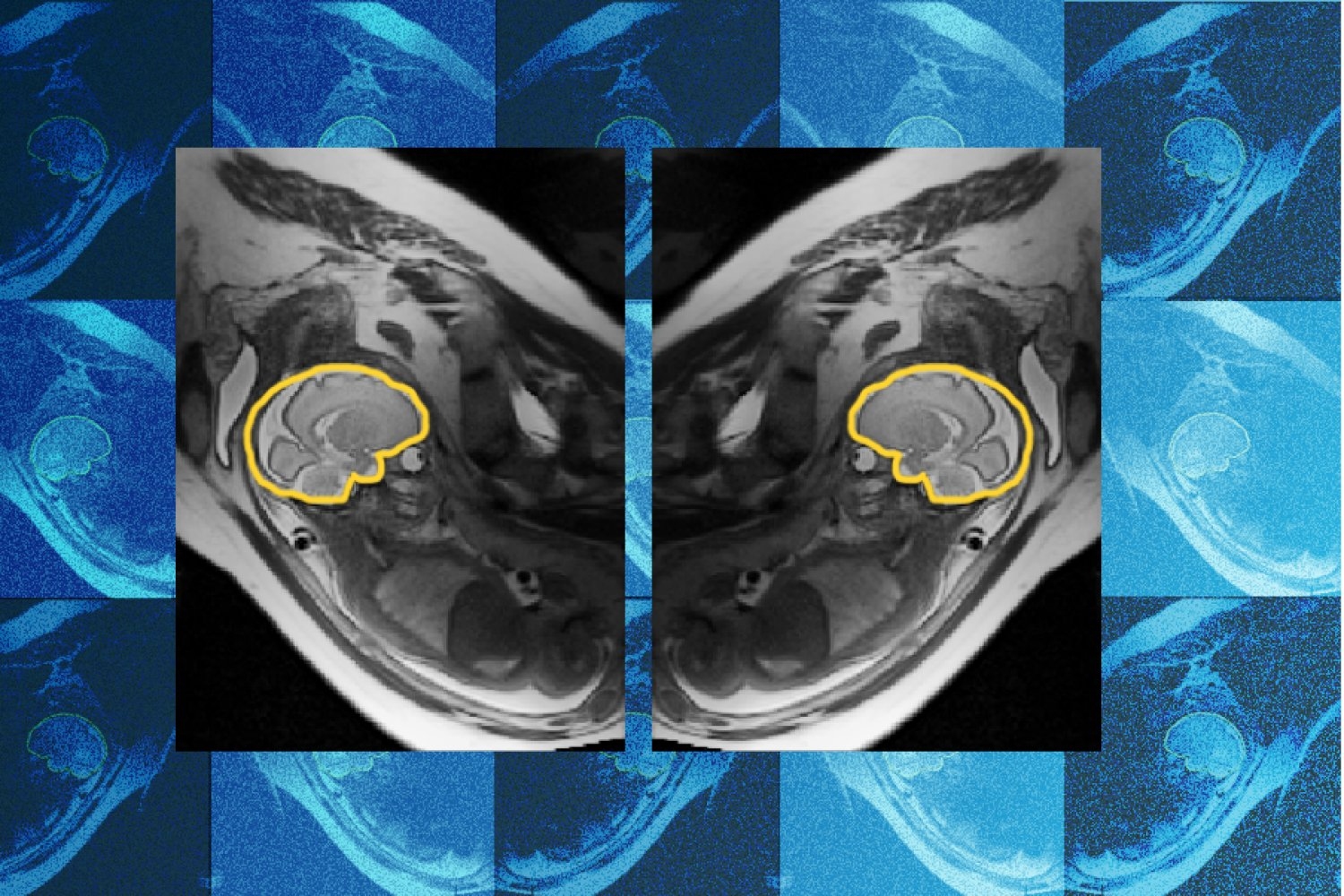
Why teaching AI about symmetry could make prenatal diagnosis more reliable (opens the original)
A model developed by researchers at MIT and Boston Children's Hospital adjusts scans on the fly to track fetal movement, potentially sparing families repeat hospital visits.
-
From Ukraine to the Middle East: How drones and AI are rewriting the rules of modern warfare
While technology may set the boundaries of warfare, human choices ultimately determine how effective the technology is.
-
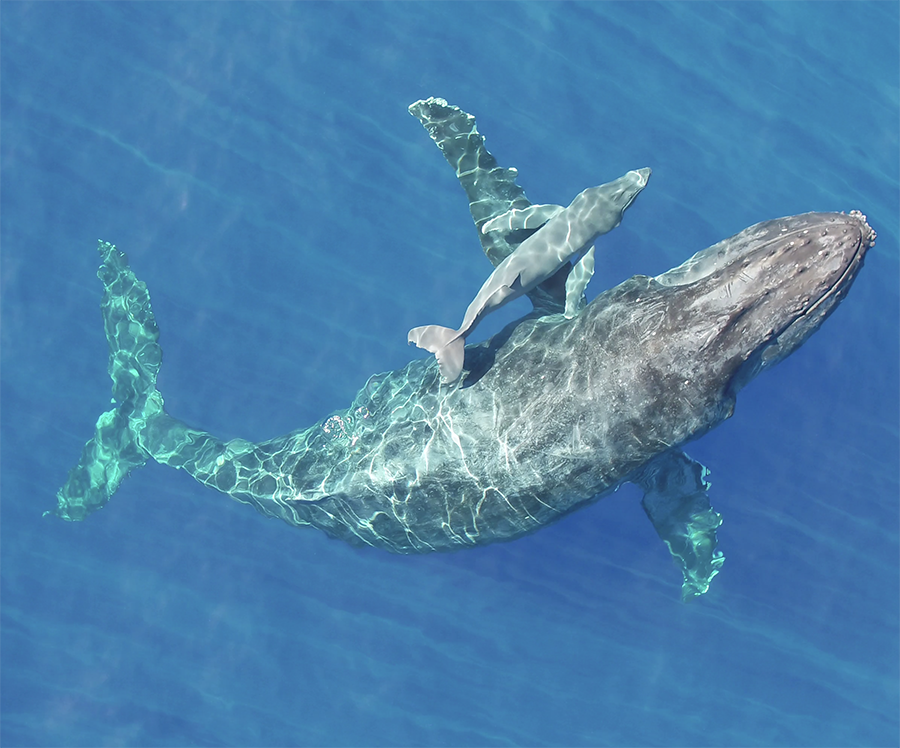
Can restoring large animals help mitigate climate change? It’s complicated. (opens the original)
Can protecting elephants and whales help mitigate climate change? There is a growing consensus among scientists that many different large animals, such as elephants, bison, tigers and whales, can fundamentally change how carbon is stored and recycled within ecosystems. This has raised an important question: Can…
-
Software (opens the original)
Research teams at NASA’s Glenn Research Center are involved in developing theory and software to predict the noise from aircraft engines. This software helps engineers to design and analyze new and improved aircraft propulsion systems. Copies of our software can be requested from NASA’s Software Catalog. JeNo…
-
Experimental Facilities (opens the original)
Research teams at the NASA Glenn Research Center perform experiments in world-class facilities such as the 9- by 15-Foot Low-Speed Wind Tunnel (9 x15 LSWT), the Aero-Acoustic Propulsion Laboratory (AAPL), the Small Hot Jet Acoustic Rig (SHJAR), the Nozzle Acoustic Test Rig (NATR), the DGEN AeroPropulsion Research…
-
UCSB secures gift to launch a South Asian American studies center (opens the original)
A $750,000 award from the Mellon Foundation will allow campus scholars to build a systematic framework for a discipline that has historically lacked centralized institutional support.
-
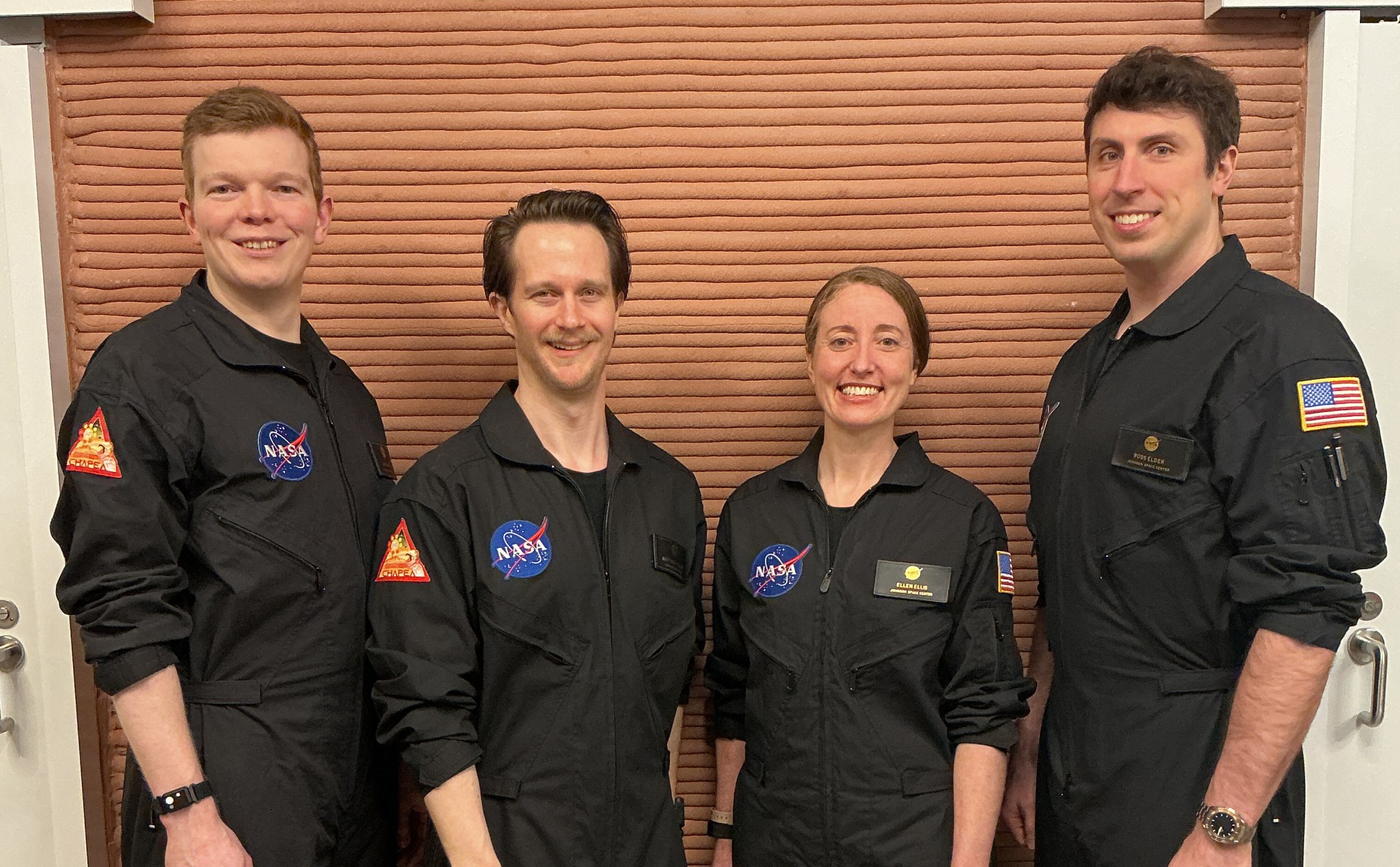
NASA’s Simulated Mars Crew Marks One Year Inside Habitat (opens the original)
The four crew members in NASA’s simulated Mars mission have spent the past year living and working in isolation in a confined habitat at NASA’s Johnson Space Center in Houston.
-
Hunger may play a role in alcohol addiction, new study finds (opens the original)
cpikul@brown.edu October 19, 2026 PROVIDENCE, R.I. [Brown University] — Researchers at Brown University have discovered a molecular link between hunger and the formation of “reward” memories that play a role in alcohol addiction. The insight could inform…
-
Two types of recurring brain cancer — radically different mutations (opens the original)
Researchers found that while two types of gliomas behave similarly upon recurrence, they are quite different at the DNA level. The finding could inform treatment strategies.








Read: The Conversation, CORDIS, ESO, NASA, ScienceDaily and the newsroom feeds of 748 institutions. Last read: today. Each story's date is its publisher's. Where the news comes from, and what each source allows.