Science news
Recent stories from university newsrooms, The Conversation, CORDIS, observatories and ScienceDaily, each sorted into the fields, countries and institutions it is about, and each linked to the original publisher. Narrow them below by subject, country, institution, source, words or period. A signed-in reader can follow any filtered view and be told when a new story matches it.
2,860 stories match these filters.
-
How snakes roll at high speed (opens the original)
TOPICSScienceDATEOctober 20, 2026Conducting Research at TohoSHARE October 20, 2026 How snakes roll at high speed Acrobatic body movements allow dwarf reedsnakes to keep their heads stable while much of the body rotates rapidly Small snakes called dwarf reedsnakes can escape danger by rolling rapidly along the ground…
-
Curiosity Blog, Sols 5036-5042: Watching the Clouds Go By (opens the original)
Written by Alex Innanen, Atmospheric Scientist at York University Earth planning date: Friday, Oct. 9, 2026 Happy New Mars Year! We mark the start of a new year on Mars at the beginning of the northern hemisphere spring, or the vernal equinox. We then keep track of the seasons by counting degrees of solar longitude
-
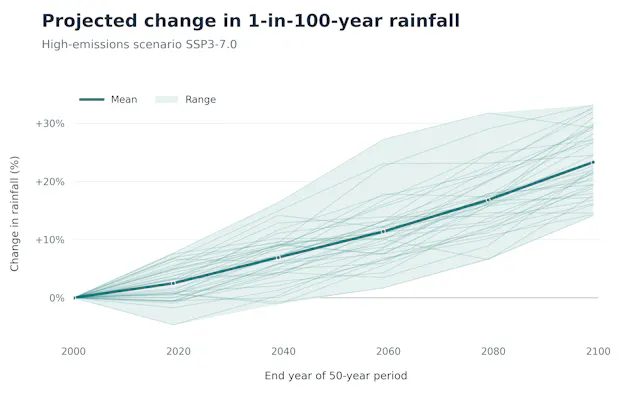
AI reveals how a warming climate will intensify NZ’s most extreme downpours
By running hundreds of climate simulations much faster than conventional models, AI can deliver better regional projections of what communities need to prepare for.
Picture: Author provided
-
Politics with Michelle Grattan: Ed Husic urges brakes on data centres ‘swamping’ Australia
The former industry minister said Australia is ‘going too fast’ and ‘been swamped by US tech’ building data centres here to dodge growing US community opposition.
-
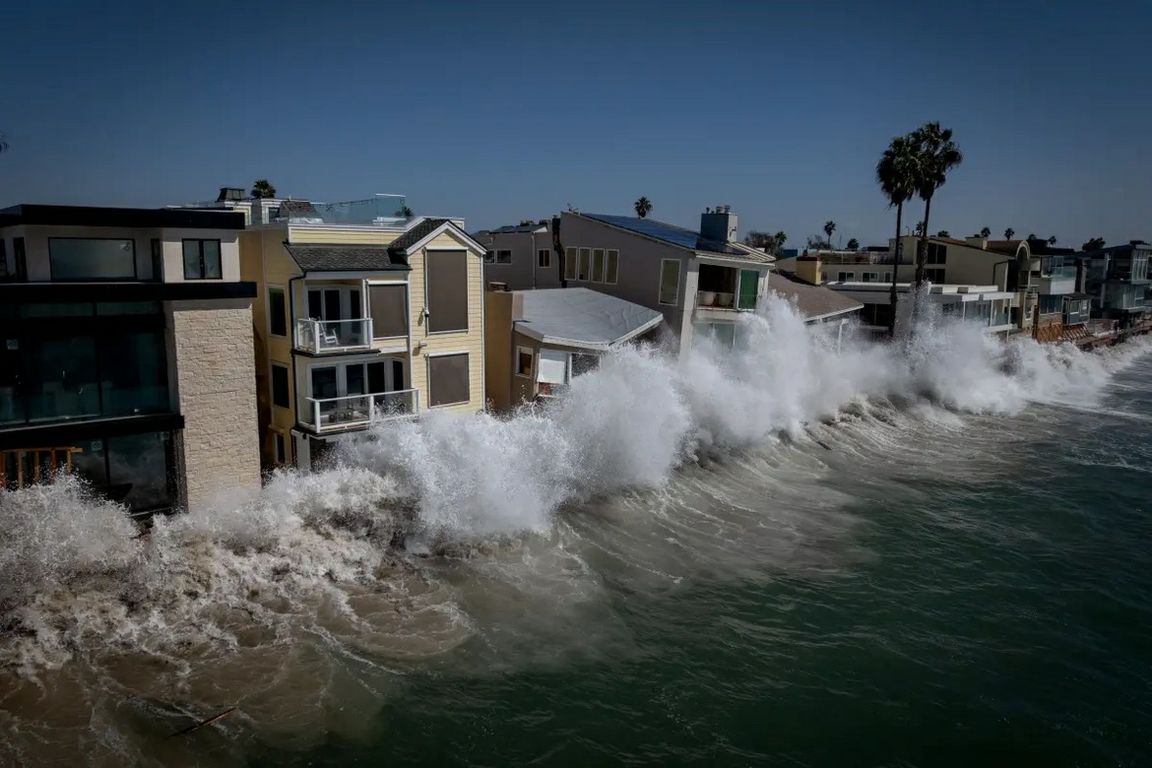
Could rising seas threaten California’s piers and beaches? — and more UCLA media (opens the original)
The Los Angeles Times examined the growing threat of coastal flooding in California as rising sea levels and powerful ocean conditions put beaches, homes and infrastructure at risk. Timu Gallien of UCLA’s Coastal Flood Lab warned that upcoming conditions could break water-level records and potentially damage piers…
-
Honey bee hives have ‘living immune systems’ which defend against disease
Healthy honey bee colonies are remarkably good at keeping harmful microbes under control. A new study shows how they do it.
-
Victoria University appoints Aotearoa’s first Chair of Advanced Artificial Intelligence (opens the original)
Te Herenga Waka—Victoria University of Wellington has appointed internationally recognised researcher Professor Prasenjit Mitra as the Bob Dykes Chair in Advanced Artificial Intelligence (AI).
-
Life in the deep Gulf plummeted after Deepwater Horizon (opens the original)
A new study has found populations of deep-water fish species, crustaceans and squid declined significantly following the 2010 Deepwater Horizon oil spill.
-
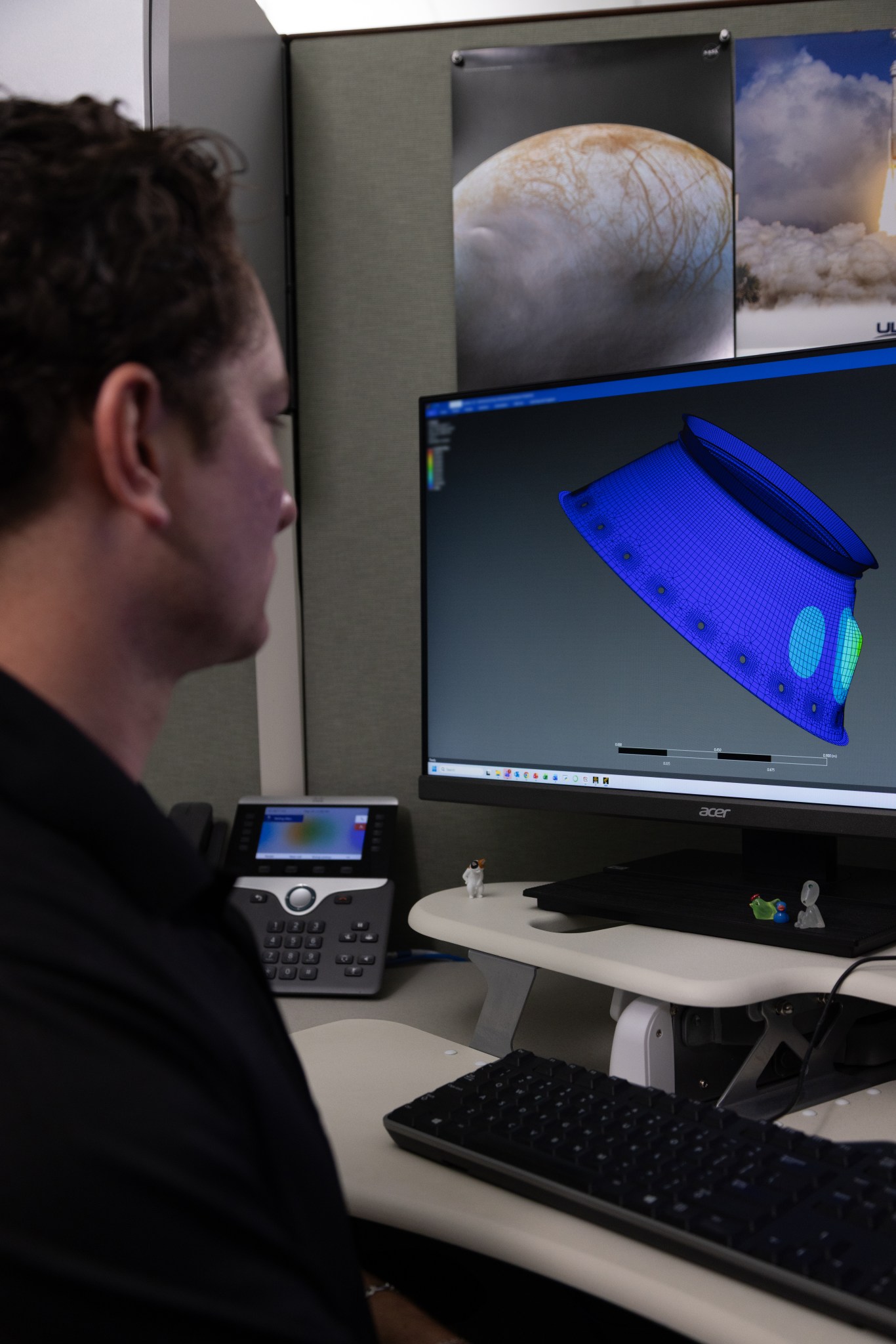
NASA Improves Shock, Vibration Analysis (opens the original)
Rockets vibrate, shake, and flex intensely as they climb into space, and spacecraft packed with delicate scientific instruments must survive those forces. Before any rocket leaves the ground, NASA engineers work to predict how those stresses will affect every part of a spacecraft. To do that, engineers in the Dynamic Environments Group with NASA’s Launch
-
Feral – and threatened? Endangered camels, banteng and hog deer have found an unexpected refuge in Australia
Wild dromedary herds no longer roam the Sahara, while wild banteng are vanishingly rare in Southeast Asia. Should we protect their feral populations in Australia?
-
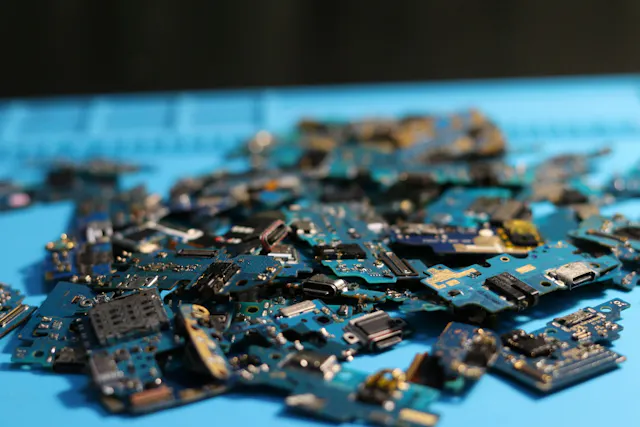
Where does all the hardware go? The hidden environmental footprint of AI data centres
Canada’s new Responsible Data Centre Development Principles fail to address computer hardware alongside water and electricity usage.
Picture: (Unsplash)
-
Protecting children’s health from air pollution and climate change (opens the original)
As Utah families trade summer heat for cooler fall days, the environmental conditions affecting children’s health don’t disappear with the season.
-
Federal spending on climate change before 2024 election boosted incumbents of both parties
Incumbents can still reap electoral rewards when federal money reaches their districts, even if they opposed the bill that provided it.
-
New York Times: Fewer buyers for timber on federal land raises risk of wildfires (opens the original)
Timber sales are an important tool for preventing catastrophic wildfires—but recently, loggers have passed up timber sales across federal lands because of a downturn in the industry. Tucker Herbert, a researcher at NAU’s Ecological Restoration Institute, shed light on how recent Forest Service layoffs and buyouts are…
-
From Ukraine to the Middle East: How drones and AI are rewriting the rules of modern warfare
While technology may set the boundaries of warfare, human choices ultimately determine how effective the technology is.
-
Can restoring large animals help mitigate climate change? It’s complicated. (opens the original)
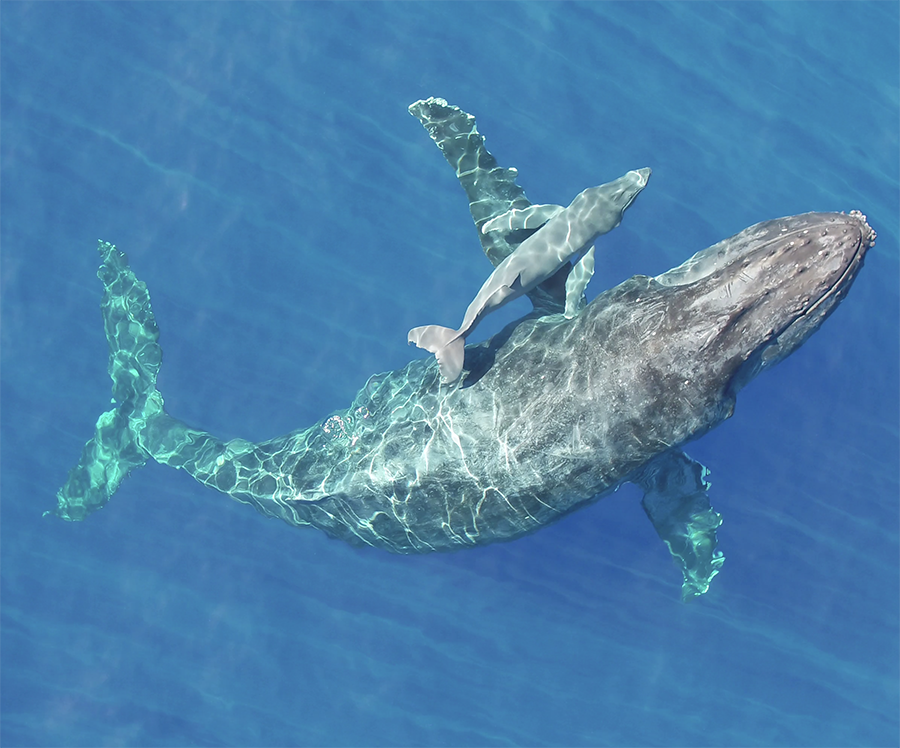
Can protecting elephants and whales help mitigate climate change? There is a growing consensus among scientists that many different large animals, such as elephants, bison, tigers and whales, can fundamentally change how carbon is stored and recycled within ecosystems. This has raised an important question: Can…
-
Software (opens the original)
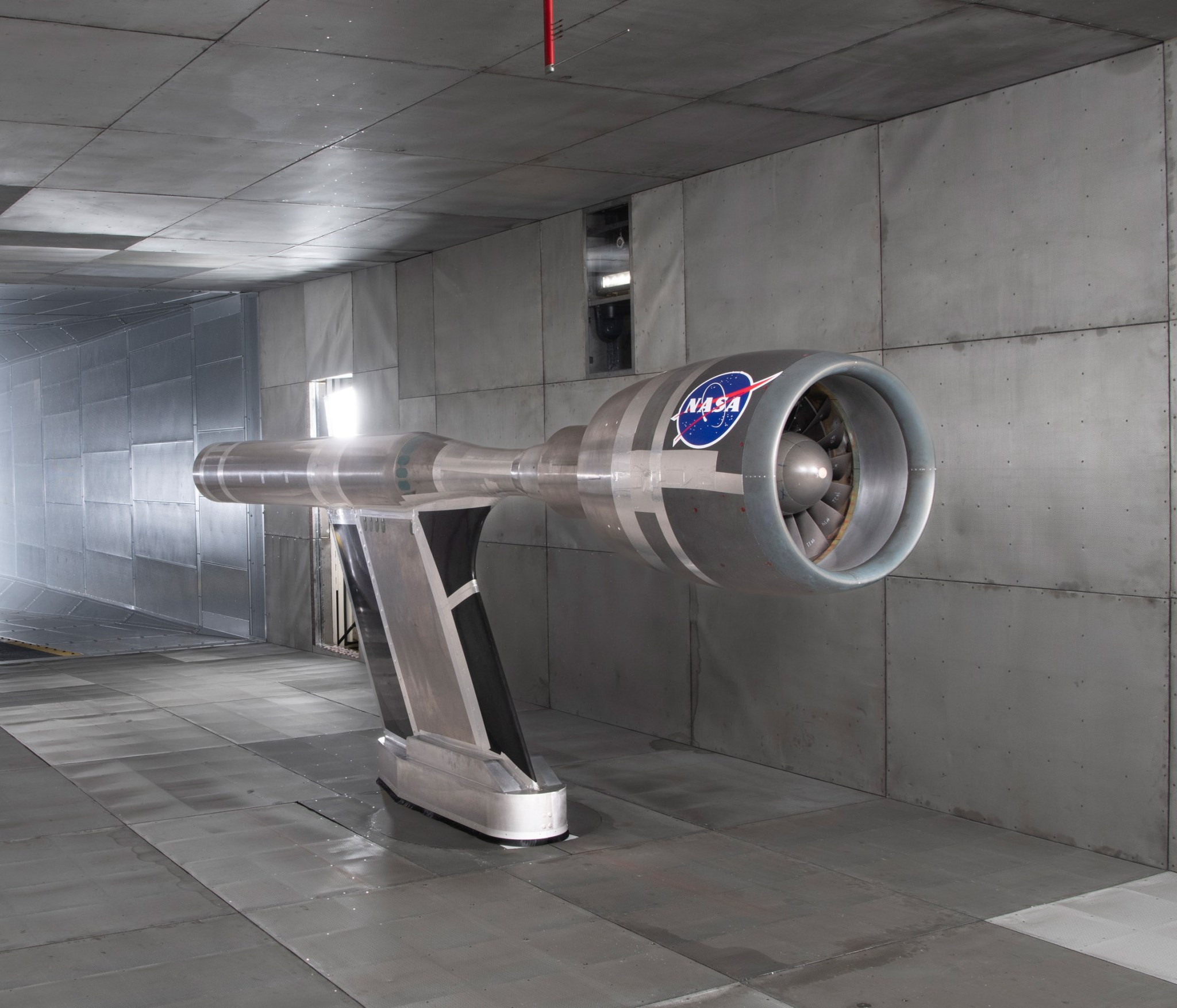
Research teams at NASA’s Glenn Research Center are involved in developing theory and software to predict the noise from aircraft engines. This software helps engineers to design and analyze new and improved aircraft propulsion systems. Copies of our software can be requested from NASA’s Software Catalog. JeNo…
-
Experimental Facilities (opens the original)
Research teams at the NASA Glenn Research Center perform experiments in world-class facilities such as the 9- by 15-Foot Low-Speed Wind Tunnel (9 x15 LSWT), the Aero-Acoustic Propulsion Laboratory (AAPL), the Small Hot Jet Acoustic Rig (SHJAR), the Nozzle Acoustic Test Rig (NATR), the DGEN AeroPropulsion Research…
-
NASA’s Simulated Mars Crew Marks One Year Inside Habitat (opens the original)
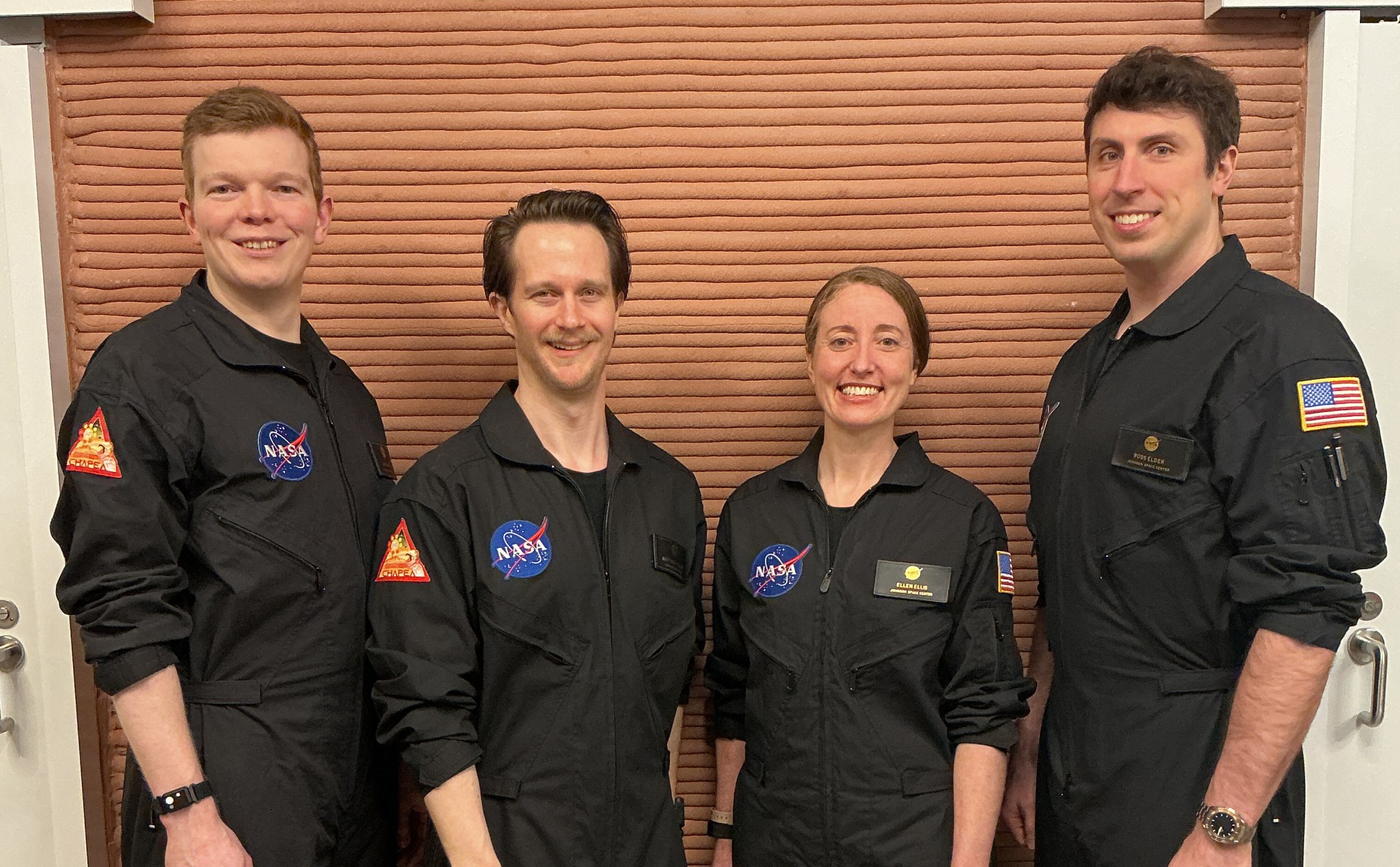
The four crew members in NASA’s simulated Mars mission have spent the past year living and working in isolation in a confined habitat at NASA’s Johnson Space Center in Houston.
-
Corrosion control: Expert Suraj Persaud on extending and strengthening Canada’s nuclear enterprise (opens the original)
In 2021, the discovery of stress corrosion cracks in stainless steel lines forced France to shut down multiple nuclear power plants across the country, with a significant and long-term impact on the country’s energy supply and nuclear fleet. As the demand for nuclear power grows across Canada, it’s up to researchers…






Read: The Conversation, CORDIS, ESO, NASA, ScienceDaily and the newsroom feeds of 739 institutions. Last read: today. Each story's date is its publisher's. Where the news comes from, and what each source allows.