Science news
Recent stories from university newsrooms, The Conversation, CORDIS, observatories and ScienceDaily, each sorted into the fields, countries and institutions it is about, and each linked to the original publisher. Narrow them below by subject, country, institution, source, words or period. A signed-in reader can follow any filtered view and be told when a new story matches it.
683 stories match these filters.
-
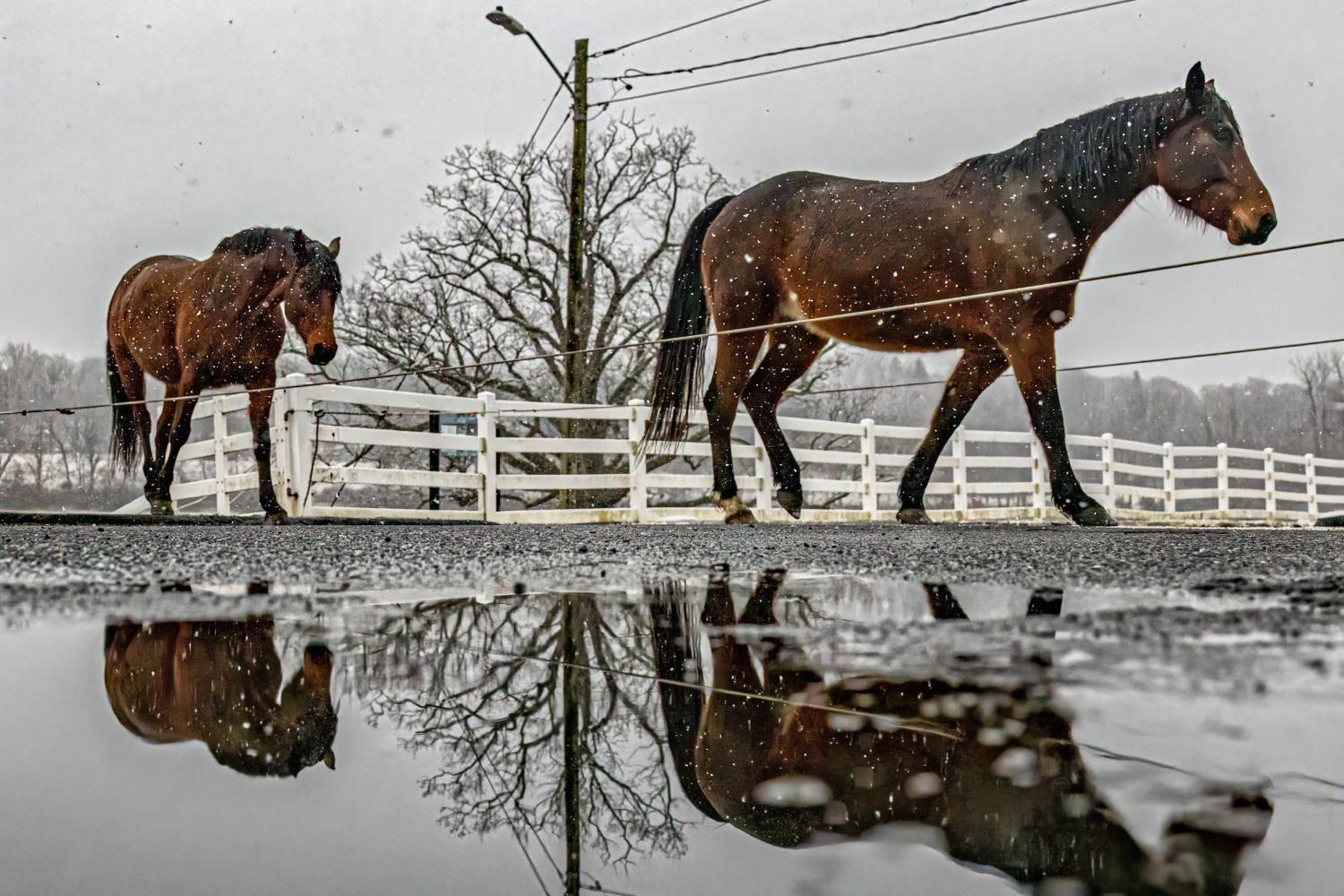
Study Finds Over 60% of CT Horses Exposed to Leptospira Bacteria (opens the original)
Leptospirosis is a neglected zoonotic disease caused by pathogenic Leptospira bacteria and can affect humans and animals, including horses
-
Immature brain support cells may be linked to human age-related cognitive decline (opens the original)
USC researchers studying human brain tissue found an association between abnormal immature astroglia, cells that play a supporting role in brain function, and lower reasoning ability in older adults with epilepsy.
-
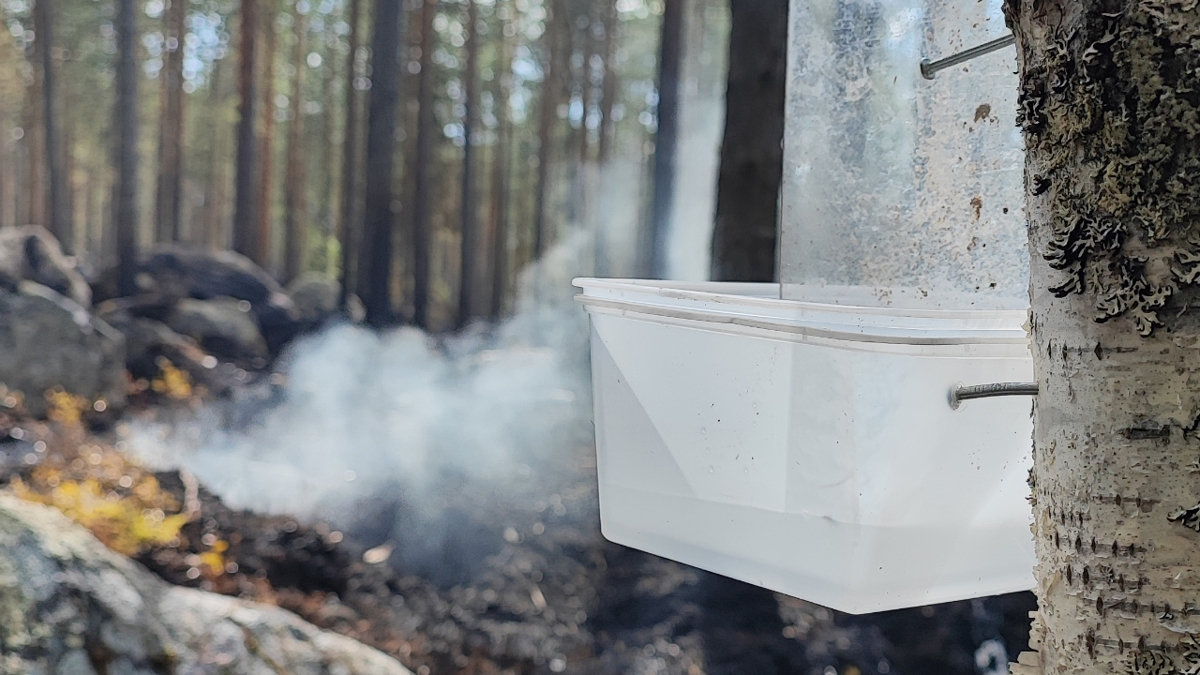
Small burnt birch trees are of great benefit – play an unexpected role in biodiversity (opens the original)
Birch trees are an underrated asset in efforts to restore key forest habitats through prescribed fire. A study from the Swedish University of Agricultural Sciences (SLU) shows that burnt birch trunks attracted more wood-dwelling beetles than pine in the first few years following prescribed fire.
-
Honey bee hives have ‘living immune systems’ which defend against disease
Healthy honey bee colonies are remarkably good at keeping harmful microbes under control. A new study shows how they do it.
-
Feral – and threatened? Endangered camels, banteng and hog deer have found an unexpected refuge in Australia
Wild dromedary herds no longer roam the Sahara, while wild banteng are vanishingly rare in Southeast Asia. Should we protect their feral populations in Australia?
-
Maiken Nedergaard elected to the National Academy of Medicine (opens the original)
The academy cited Nedergaard for “transforming neuroscience and medicine by discovering the glymphatic system, revealing sleep-dependent brain waste clearance.”
-
International Workshop on Regulation of Gene Expression (opens the original)
5345 Mon, 19/10/2026 - 15:25 Data evento 19 - 23 October 2026, Tutto il giorno Destinatari canale University Study Research International Destinatari target Enroled students Graduates Society Testo evento From October 19 to 23, 2026, the former Military Hospital…
-
The science and politics behind the panic over ultraprocessed foods
There’s no doubt that the modern food environment needs to be healthier. But are ultraprocessed foods as evil as their reputation suggests?
-
10 Foods That Seem Healthy But Aren't (opens the original)
Buzzwords like "all-natural" or "gluten-free" may make a food sound healthy. But upon closer reading of nutrition labels, many of these foods don't live up to their reputation as health foods.
-
NRP Skills Session - St. John (opens the original)
The Neonatal Resuscitation Program®️ (NRP®️) course conveys an evidence-based approach to care of the newborn at birth and facilitates
-
NRP Skills Session - St. John (opens the original)
The Neonatal Resuscitation Program®️ (NRP®️) course conveys an evidence-based approach to care of the newborn at birth and facilitates
-
NRP Skills Session - St. John (opens the original)
The Neonatal Resuscitation Program®️ (NRP®️) course conveys an evidence-based approach to care of the newborn at birth and facilitates
-
Invasive vines, diseased trees removed to improve campus ecosystem health (opens the original)
The project will help protect native plants, support biodiversity and preserve the long-term health of the IU Indianapolis landscape. Following the removal of Austrian pine trees affected by a fungal disease, the area will be restored with native trees and plants.
-
Population genomic analysis of selection in wild medaka populations: identifying candidate loci for balancing selection (opens the original)
<Dissertation information>Journal:Ecology and EvolutionTitle: Population genomic analysis of selection in wild... The post Population genomic analysis of selection in wild medaka populations: identifying candidate loci for balancing selection first appeared on THE UNIVERSITY OF THE RYUKYUS.
-
Faculty of Interdisciplinary Studies Participates in SIDUP-Isan 2026, Showcasing Three Food Innovations to Elevate Community-Based Research (opens the original)
Khon Kaen University academics present innovative functional food products developed from upper northeastern community enterprises at Central Westgate to drive sustainable local development. Between 12 and 14 October 2026, the Faculty of Interdisciplinary Studies, Khon Kaen University (KKU), participated in the…
-
A botanist weighs in on our love-hate relationship with crepe myrtles
Lots of people love the crepe myrtle but others think of them as an inadequate and over-planted species. Some even refer to them as ‘crap myrtle’. But is that fair?
- Commonwealth Scientific and Industrial Research Organisation
- The University of Melbourne
- Australia
- Agricultural and Biological Sciences
Picture: Dion Wijaya/Pexels
-
Downtown Rochester Farmers' Market (opens the original)
Visit the Henry Ford Health table at the Downtown Rochester Farmers' Market to meet with Henry Ford Health staff and get information on a variety
-
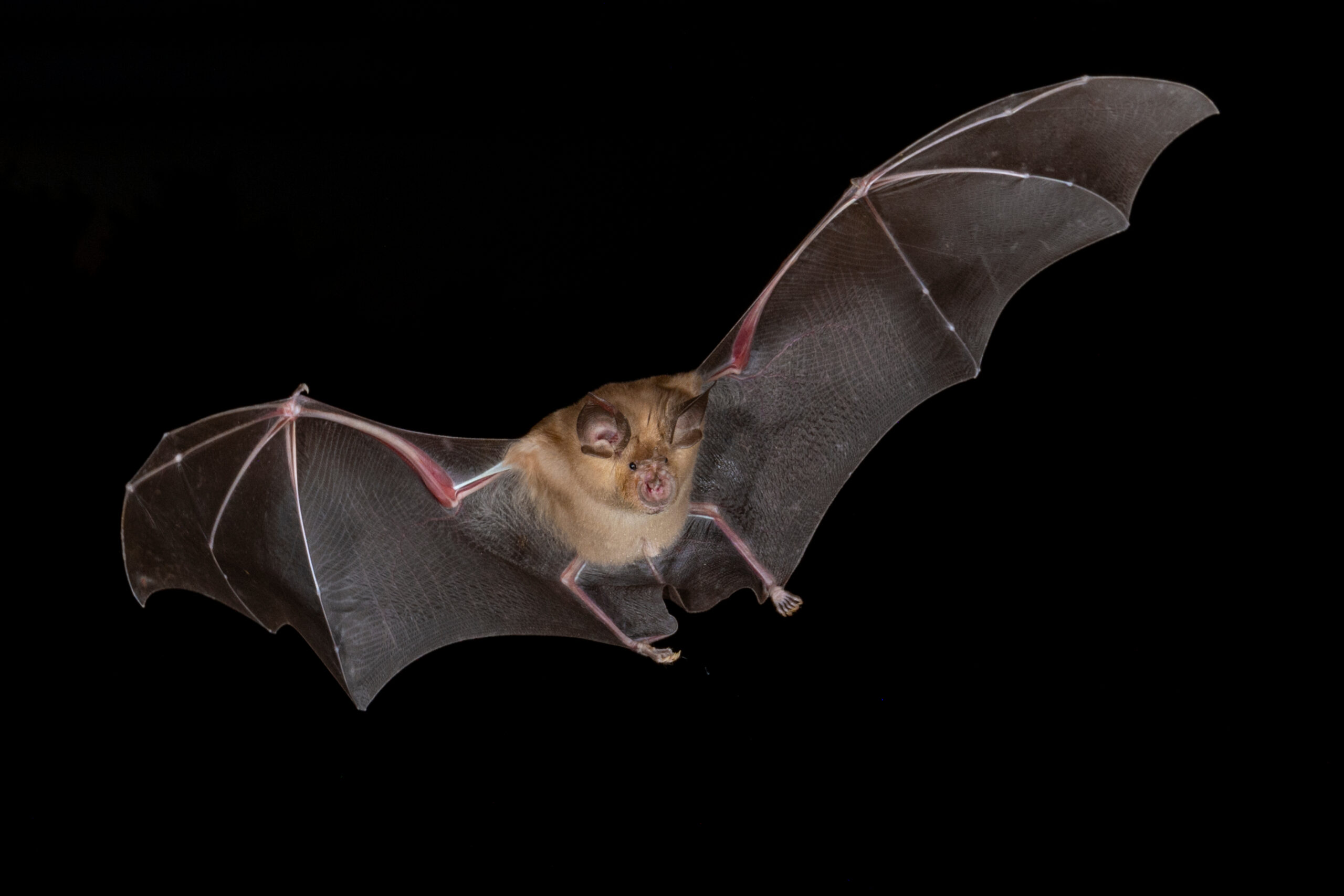
Q&A: Bats, busted myths and the science behind their superpowers (opens the original)
Bats are a familiar sight around Halloween, often portrayed as spooky creatures to be feared. Like spiders, they’re frequently misunderstood, despite their important role in the ecosystem. Bats help control insect populations, pollinate plants and disperse seeds, making them valuable to ecosystems around the world…





Read: The Conversation, CORDIS, ESO, NASA, ScienceDaily and the newsroom feeds of 751 institutions. Last read: today. Each story's date is its publisher's. Where the news comes from, and what each source allows.