Science news
Recent stories from university newsrooms, The Conversation, CORDIS, observatories and ScienceDaily, each sorted into the fields, countries and institutions it is about, and each linked to the original publisher. Narrow them below by subject, country, institution, source, words or period. A signed-in reader can follow any filtered view and be told when a new story matches it.
2,860 stories match these filters.
-
From education to innovation: How UF is preparing students to thrive with AI (opens the original)
When artificial intelligence started to quickly move from specialized research labs into everyday life, the University of Florida was already preparing for what would come next.
-
New Zealand-led research at climate science’s AI frontier unlocks extreme weather insights (opens the original)
Earth Sciences New Zealand researchers have used generative AI to produce high-resolution climate projections at a scale previously out of reach, providing a window into future changes in rainfall, temperature and extreme weather events in a warming world.
-
NSTU-NETI have studied tribological properties of bulk metallic glasses for micromechanical devices (opens the original)
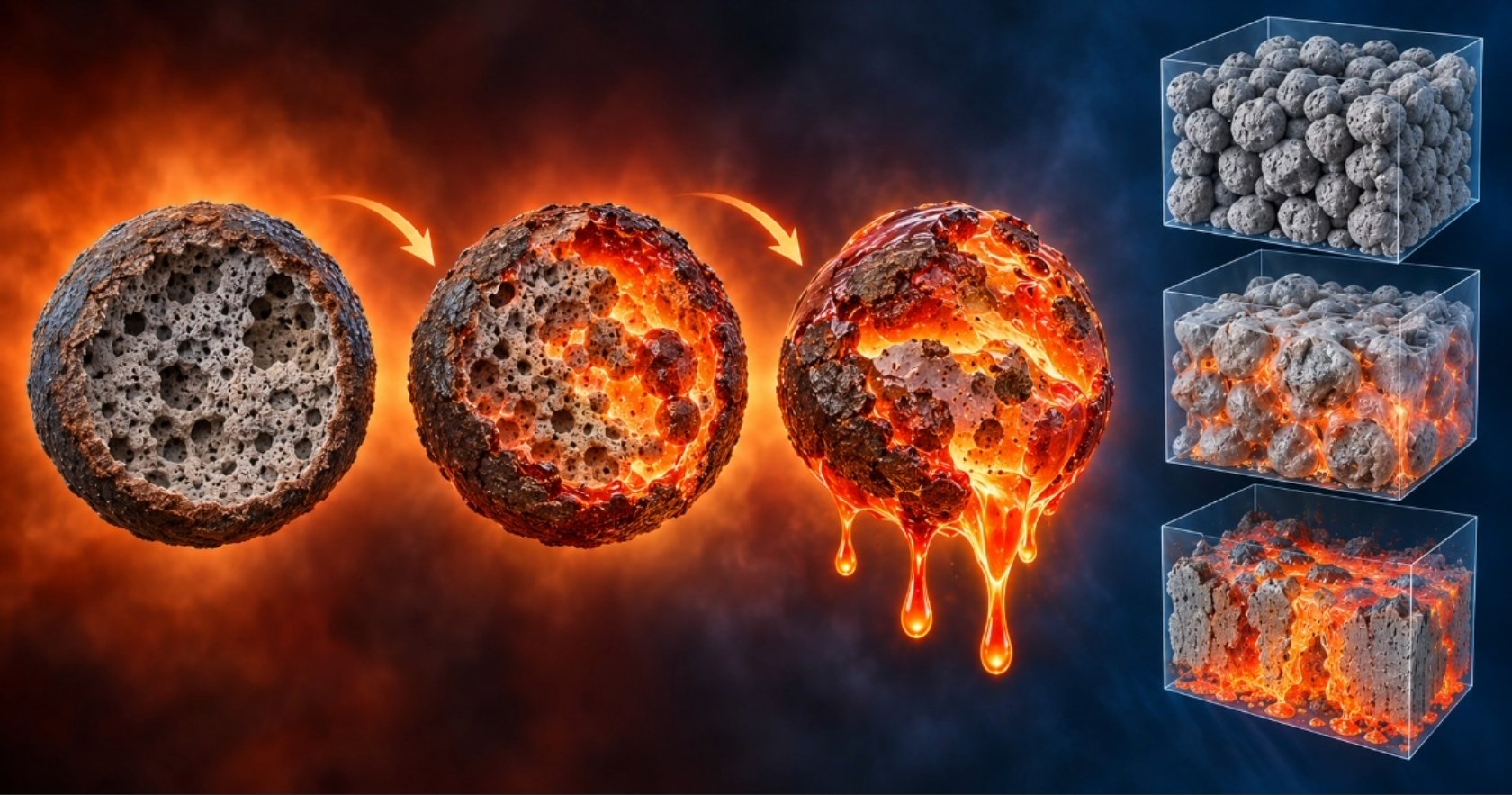
NSTU-NETI researchers studied the wear resistance of bulk metallic glasses – a special class of metallic materials with a disordered structure.
-
Commercialization Hub Aims To Ease Marine Energy Path to Market (opens the original)
NLR’s Water Power Commercialization Hub aggregates the information and resources marine energy developers need to advance technology readiness and navigate market barriers.
-
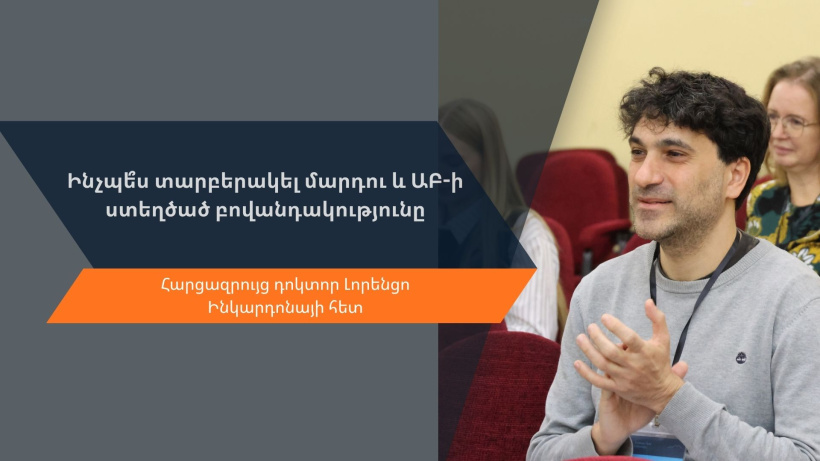
AI is changing the role of readers, not just writers: Interview with Dr. Lorenzo Incardona (opens the original)
As artificial intelligence advances, it is changing not only how texts are produced but also the criteria used to read and evaluate them. How can we tell whether content was created by a human or generated by AI? Is it always necessary to make that distinction, and why is critical reading becoming increasingly…
-
AI Enters Americans’ Top 10 Fears in Chapman’s 2026 Survey (opens the original)
Artificial intelligence has entered Americans’ top 10 fears, with about half of adults afraid it could harm the political process or hurt the economy, according to the 12th annual Chapman University Survey of American Fears. For the first time, researchers asked several questions examining fears about artificial…
-
Coventry University researchers recreate extreme planetary and stellar turbulence in lab experiments (opens the original)
Researchers have successfully recreated a long-theorised form of turbulence found deep inside planets and stars, providing new insights into how these distant worlds and our own planet generate heat, movement and magnetic fields.
-
Regular hot baths could alleviate common circulatory disease (opens the original)
A regular soak in a hot bath could help to improve a common painful circulatory disease, with this strategy being studied by researchers at Manchester Metropolitan University, thanks to funding from the British Heart Foundation. The team behind the project are investigating whether immersion in hot water may relieve…
-
The driveway divide: why parking for electric vehicles is such a big barrier
Access to a driveway boosts EV ownership by 70%, but mainly for households already planning to buy.
-
A week in the life of an aerospace engineering undergraduate (opens the original)
tb0045 Tue, 20/10/2026 - 11:08 Feature From lectures to laboratory-based practicals and personal tutorials, discover what a typical week looks like as a first-year BEng or MEng Aerospace Engineering student at Surrey. Credit: University of Surrey How will I…
-
Award-winning spider silk research takes the next step towards textiles (opens the original)
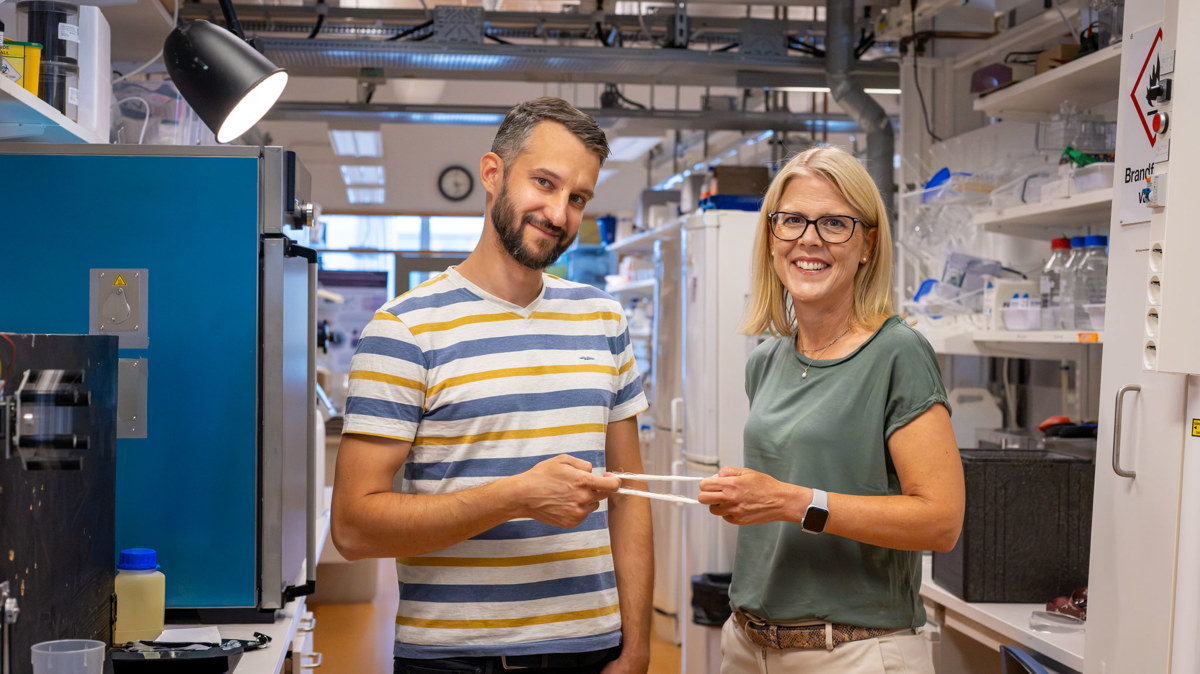
Larger protein yields and a more efficient purification method bring SLU’s artificial spider silk research closer to textiles. With H&M Foundation support, researchers are now working towards yarn that can be produced efficiently and work in practice.
-
What does a Starshield slowdown really mean for Ukraine’s war with Russia?
The move degrades one of the communications systems deeply embedded in how Ukraine fights.
-
A paper by a research group of Assistant Professor Xiao Sun et al. of the Faculty of Engineering received the “Bronze Research Award” at the 26th CISM IFToMM Symposium on Robot Design, Dynamics and Control (opens the original)
At the international academic conference in the field of mechanical engineering “26th CISM IFToMM Symposium on
-
UniKL expands UAV research collaboration with Institut Teknologi Bandung (opens the original)
Universiti Kuala Lumpur (UniKL) is expanding its international research collaboration in aerospace technology, with a focus on improving unmanned aerial vehicle (UAV) navigation systems and addressing electromagnetic interference through research engagement with Indonesia’s Institut Teknologi Bandung (ITB). The…
-
Small burnt birch trees are of great benefit – play an unexpected role in biodiversity (opens the original)
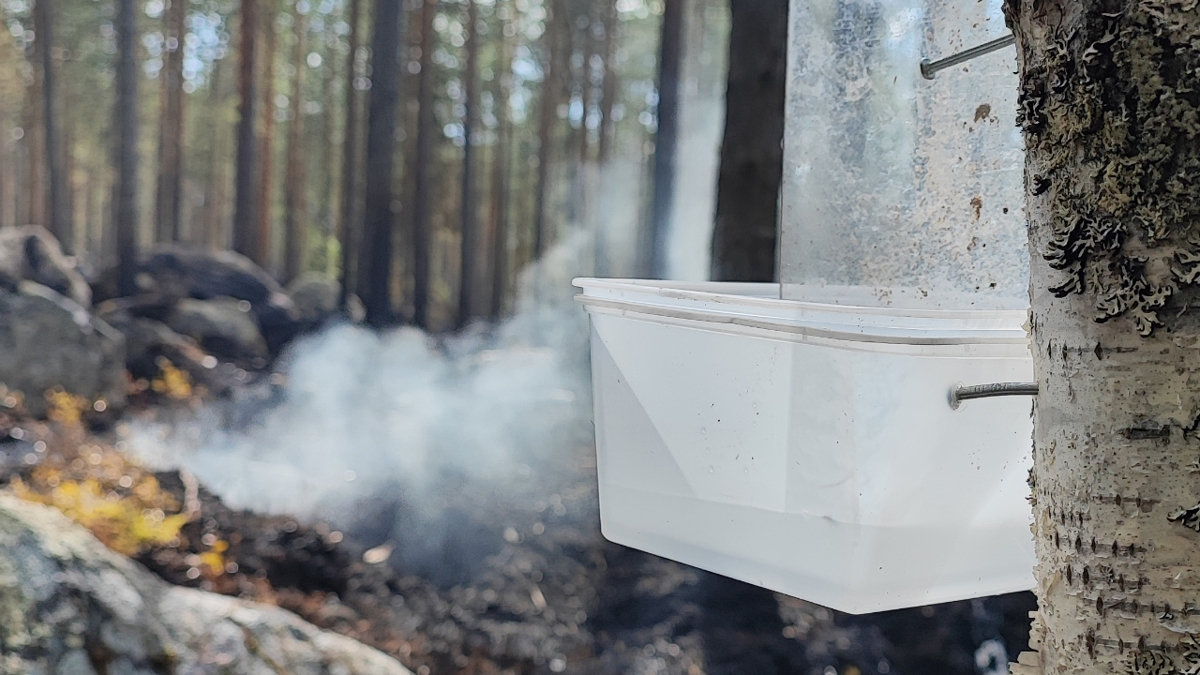
Birch trees are an underrated asset in efforts to restore key forest habitats through prescribed fire. A study from the Swedish University of Agricultural Sciences (SLU) shows that burnt birch trunks attracted more wood-dwelling beetles than pine in the first few years following prescribed fire.
-
Smith finds his compositional voice in the Alaskan wilderness (opens the original)
For three days, Comet Smith had no music notation software, no phone and no Wi-Fi. Instead, he found himself in Denali National Park and Preserve, surrounded by mountains, wind, wildlife and something perhaps even more powerful for a composer — silence.
-
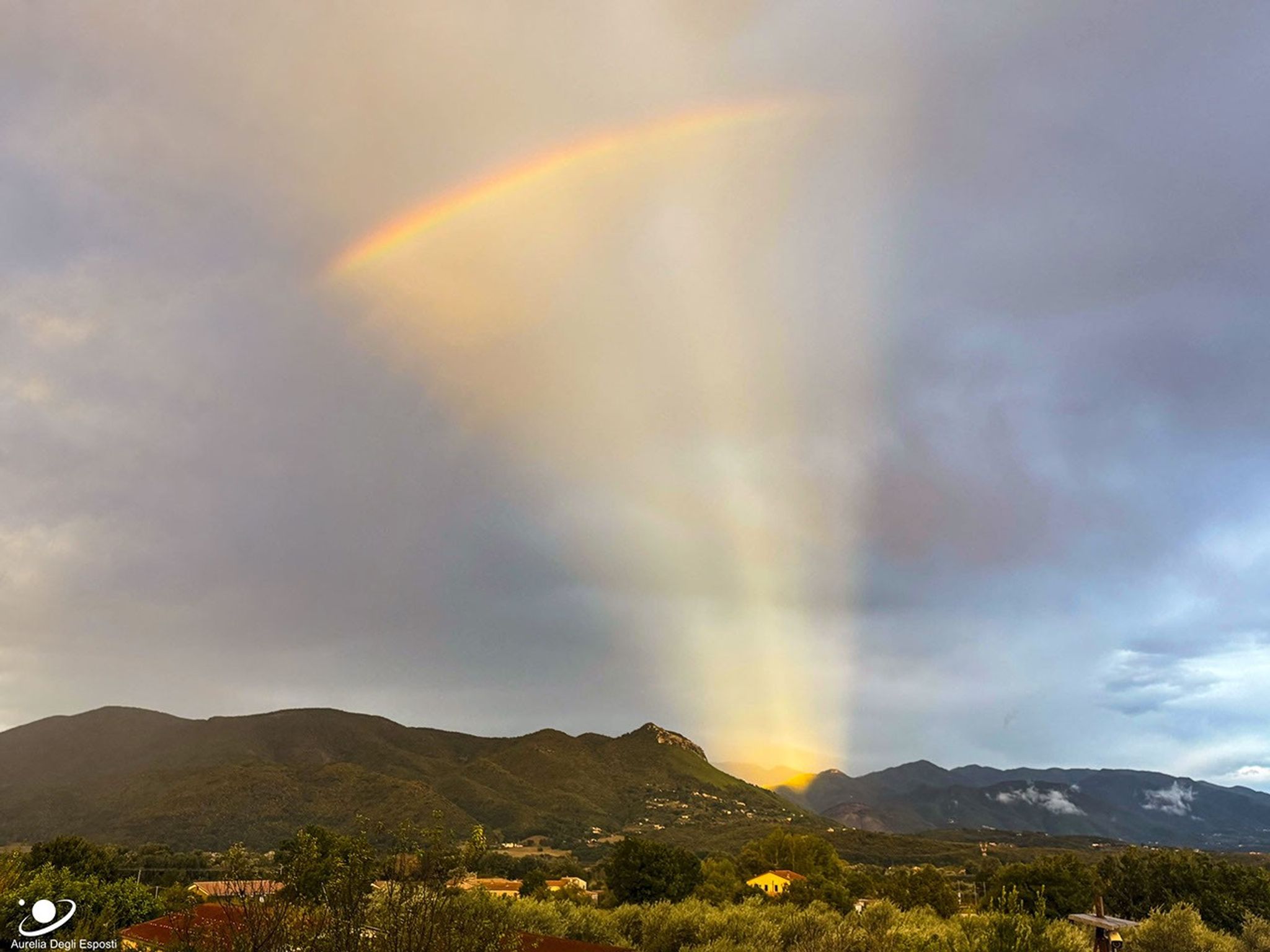
APOD: 2026 October 20 – An Anticrepuscular Rainbow Fan (opens the original)
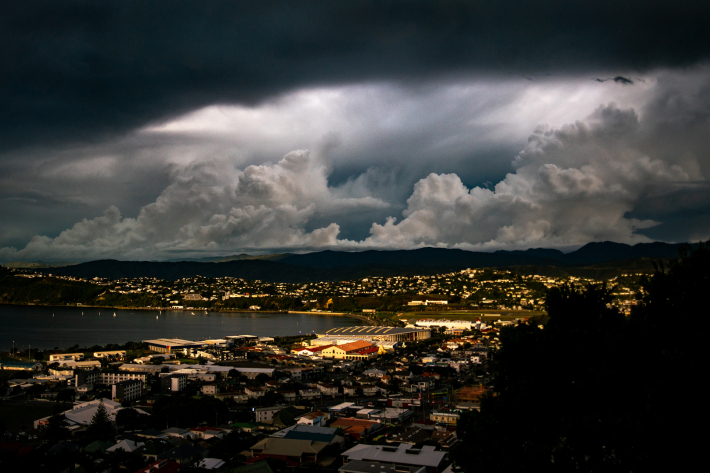
APOD Science APOD APOD: 2026 October 20 – An… Today’s APOD Archive Submissions Index Search Calendar RSS Education About Discuss APOD Astronomy Picture of the Day Discover the cosmos! Each day a different image or photograph of our fascinating universe is featured, along with a brief explanation written by a professional astronomer. An Anticrepuscular
-
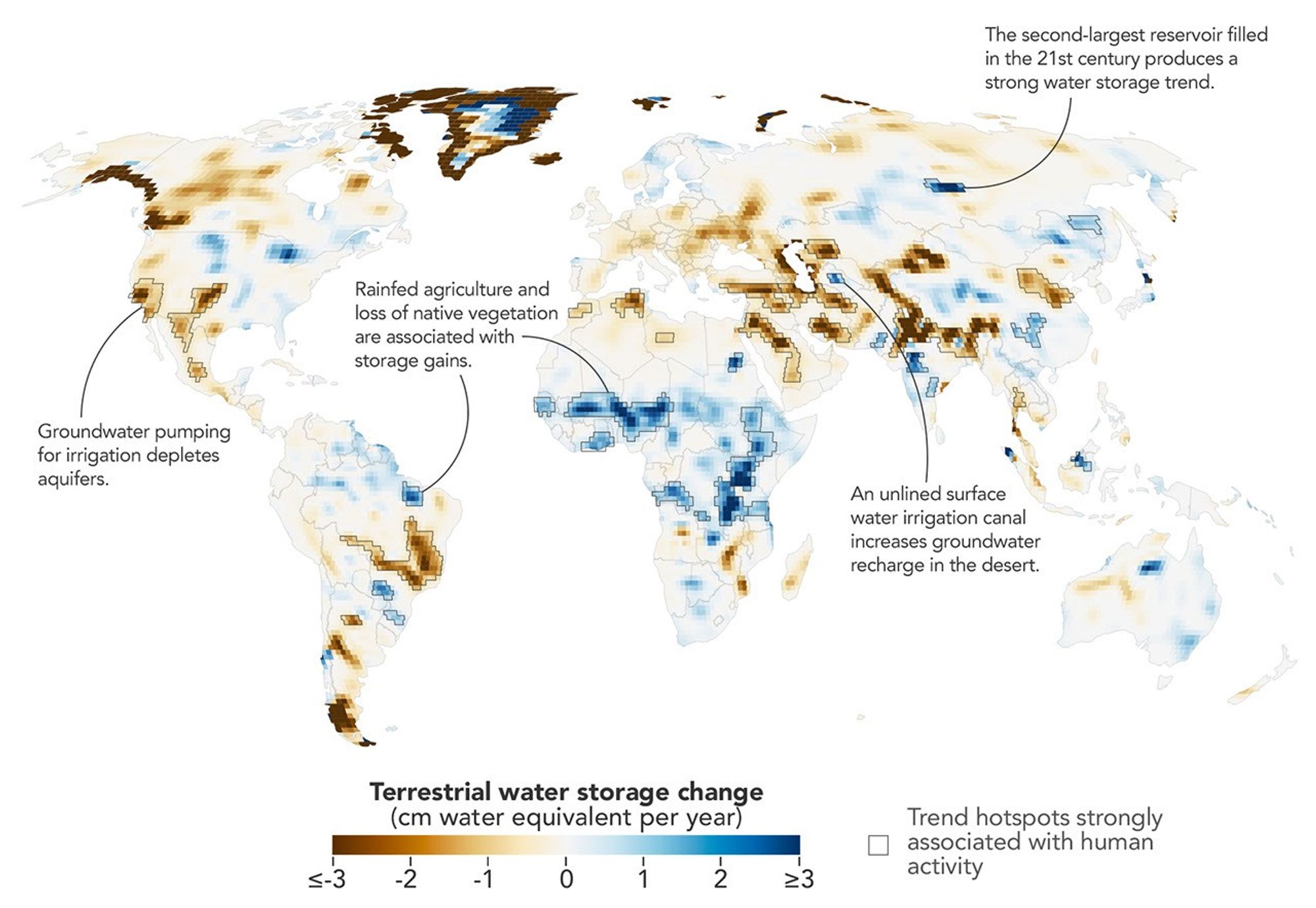
The Human Fingerprint on Earth’s Water Cycle (opens the original)
Human activities have become intertwined with how water is distributed across the continents. A new study brings their effects into sharper focus.




Read: The Conversation, CORDIS, ESO, NASA, ScienceDaily and the newsroom feeds of 739 institutions. Last read: today. Each story's date is its publisher's. Where the news comes from, and what each source allows.