Science news
Recent stories from university newsrooms, The Conversation, CORDIS, observatories and ScienceDaily, each sorted into the fields, countries and institutions it is about, and each linked to the original publisher. Narrow them below by subject, country, institution, source, words or period. A signed-in reader can follow any filtered view and be told when a new story matches it.
2,860 stories match these filters.
-
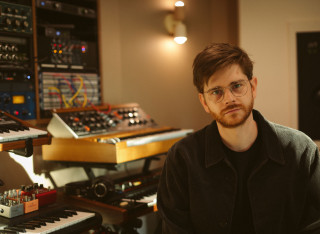
Oli Jacobs - mixing instinct, innovation and a Surrey sound (opens the original)
kg0046 Tue, 20/10/2026 - 16:46 News Grammy-winning mixing engineer Oli Jacobs has worked with some of the world’s biggest artists - including Harry Styles, Taylor Swift, Kendrick Lamar and Peter Gabriel. Now, the Surrey Tonmeister graduate has been named…
-
Energy Department Announces New Investments to Strengthen America's Power Grid and Lower Electricity Costs (opens the original)
Additional funding will help states, territories, and tribes modernize critical energy infrastructure, improve grid reliability, and deliver more affordable electricity to American families and businesses.
-
Ancient wildfire study offers warning for a warming world (opens the original)
New research from the University of Aberdeen has revealed that periods of global warming can trigger long-lasting increases in wildfire activity, with ecosystems taking far longer to recover than previously thought.
-
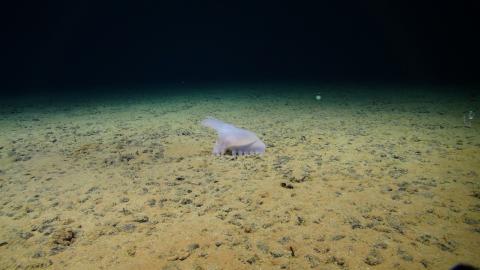
New study reveals how deep-sea animals may help sustain critical ocean habitats (opens the original)
Image jessden@noc.ac.uk Tue, 20 Oct 2026 - 16:10 Image Biodiversity Support Us New NOC-led research reveals how deep-sea animals help keep polymetallic nodules exposed, supporting biodiversity and ecosystem resilience. On Open in new tab…
-
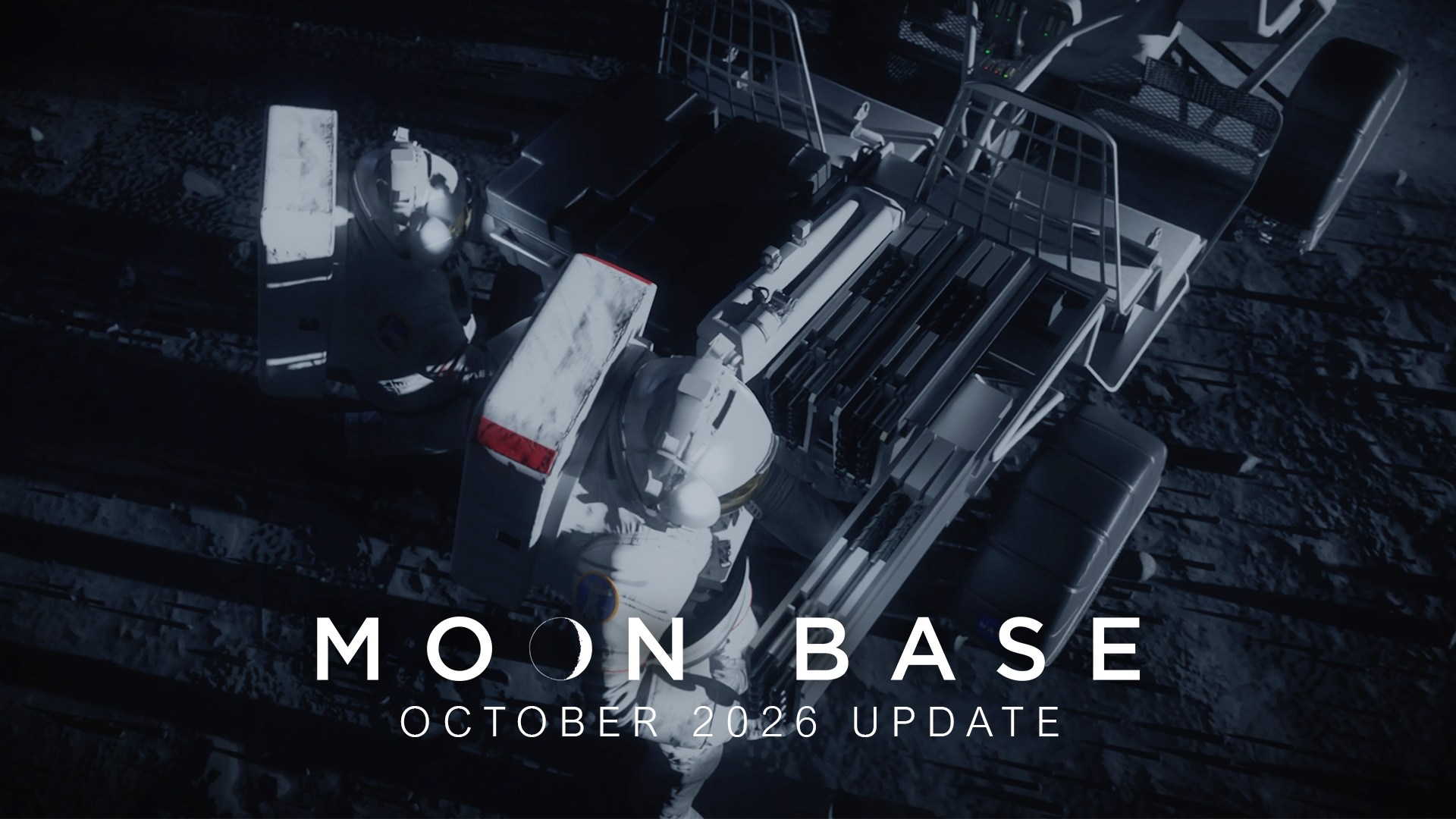
NASA Provides Progress Update on Moon Base Rovers (opens the original)
As NASA works to build the Moon Base, crewed and robotic lunar rovers will play a crucial role during early development through technology demonstrations, astronaut transport, terrain mapping, scientific investigations, and resource prospecting. Data from these early missions will inform future mobility systems and…
-
Judging Faces Without Words (opens the original)
Imagine sitting on a city bus full of strangers. Look around at the people riding with you. If you needed help, how would you choose whom to trust? By scanning people's faces, your brain is already making interpretations about their personalities by judging certain facial features. For decades, neuroscientists have…
-
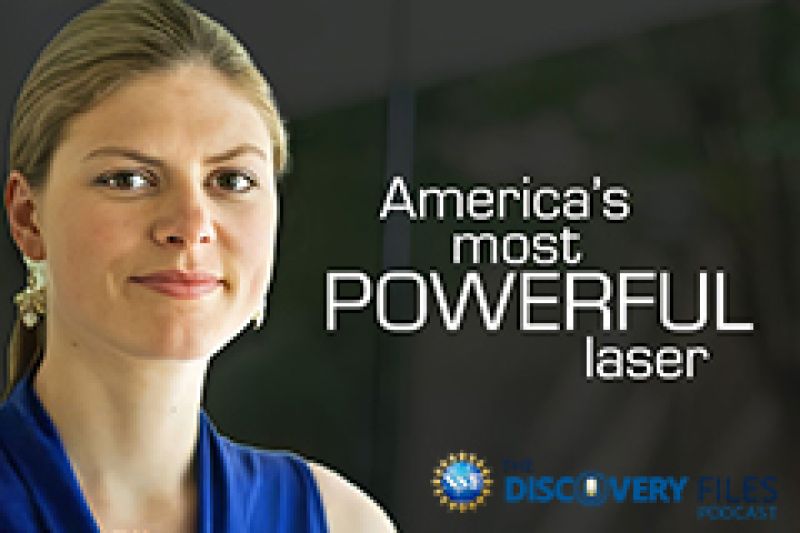
Podcast: Can America's most powerful laser unlock the universe? (opens the original)
U.S. National Science Foundation-supported researcher Louise Willingale discusses the most powerful laser in the United States, the NSF Zettawatt Equivalent Ultrashort Pulse Laser System, how it's being used to advance science, and how it will become
-
Webb Captures Stellar Jets (opens the original)
An image from NASA’s James Webb Space Telescope released on Oct. 6, 2026, reveals a cauldron of cosmic creation. Webb has unveiled numerous stars formerly hidden by clouds of dust in a stellar nursery known as NGC 7129, which resides about 3,300 light-years from Earth. Learn more about this region – and tour it in
-
Stony Brook Researchers Receive DARPA Funding to Help Make AI More Energy Efficient (opens the original)
Stony Brook University researchers are developing tools to predict how much energy machine-learning models consume and help developers find ways to reduce that consumption without sacrificing accuracy. The two-year project, “Optimizing Machine Learning Models Using Accurate Energy Prediction,” is supported by a $1M…
-
NASA Welcomes Uzbekistan as Newest Artemis Accords Signatory (opens the original)
The Republic of Uzbekistan became the 77th signatory of the Artemis Accords during a ceremony in Samarkand on Monday, committing to the practical principles that guide safe, transparent, and responsible civil space exploration. “Uzbekistan joins the Artemis Accords at a pivotal moment,” said NASA Deputy Administrator Matt Anderson. “President Trump has directed NASA to build
-
Wainwright fire shows the importance of health-care system resilience to Canadian security
The response to a mass-casualty event does not play out in an otherwise empty health-care system. It competes with everyday care for staff, beds, transport and supplies.
-
Illegal fishing is thriving in African waters – a satellite system could help change that
Monitoring boats on African waters is the easy part; the harder part is what comes next.
-
See work created as part of artist residency with Exeter Marine (opens the original)
Interactive new work inspired by Cornwall’s seagrass beds and marine research will be on display... See work created as part of artist residency with Exeter Marine appeared first on University of Exeter News.
-
Is it wrong to kill wild animals that attack humans? Sometimes conservation demands it
When wild animals kill people, the response can be controversial. But removing a dangerous individual can often protect people and other wildlife.
-
Localised Ensemble Learning (LEL) - A localised approach to class imbalance (opens the original)
zoocha-admin Tue, 20/10/2026 - 14:05 https://researchportal.port.ac.uk/en/publications/localised-ensemble-learning-lel-a-localised-approach-to-class-imb Olabisi, O. Maurya, L. Bader-El-Den, M. 26 Sep 2025 Pattern Analysis and Applications…
-
How governments worldwide are shaping what AI can say about politics
Some governments use legitimate AI concerns as a pretext to control political discussion, particularly chatbot responses about those in power.
-
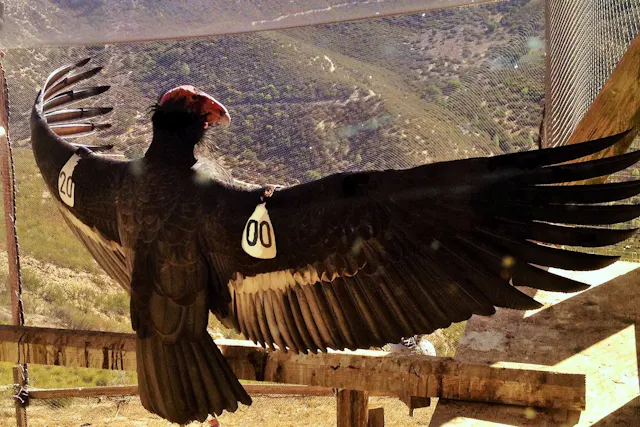
Who should have a say in which species are saved? The California condor offers lessons for a global biodiversity treaty
When conservation affects local people, the question of who pays and who has a voice in decisions can make or break species recovery.
Picture: U.S. Fish and Wildlife Service
-
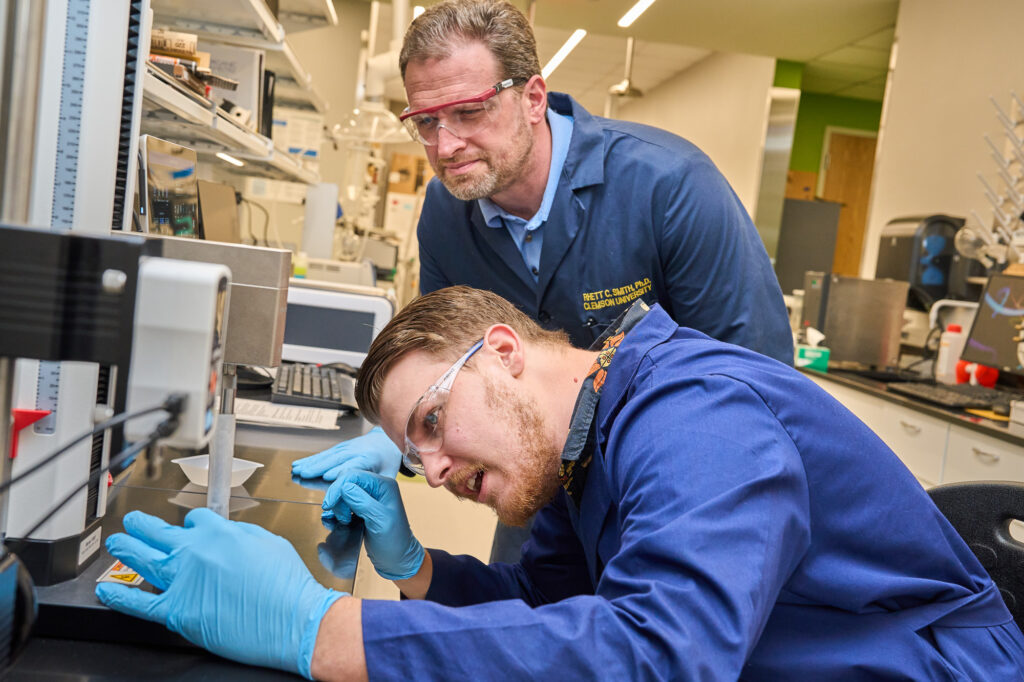
From drive-thru to driveway: Clemson chemist turns fast-food trash into cement (opens the original)
Rhett Smith's research focuses on turning discarded waste into construction materials using sulfur.
-
SPCMSC Scientists Perform Fieldwork on the Coral-Rubble Keys Protecting Dry Tortugas National Park (opens the original)
A team of U.S. Geological Survey scientists and National Park Service staff recently conducted fieldwork in Dry Tortugas National Park aimed at improving understanding of how coastal islands evolve over time and how severe storms influence their growth and erosion.
-
Subsidence claims: after drought, ground can shrink, swell or even collapse when it rains – causing damage to homes
Rain does not necessarily resolve drought-related issues. In some soils, rewetting can disrupt the foundations of buildings.




Read: The Conversation, CORDIS, ESO, NASA, ScienceDaily and the newsroom feeds of 739 institutions. Last read: today. Each story's date is its publisher's. Where the news comes from, and what each source allows.