Science news
Recent stories from university newsrooms, The Conversation, CORDIS, observatories and ScienceDaily, each sorted into the fields, countries and institutions it is about, and each linked to the original publisher. Narrow them below by subject, country, institution, source, words or period. A signed-in reader can follow any filtered view and be told when a new story matches it.
1,912 stories match these filters.
-
Tiny molecules may help slow pancreatic cancer growth (opens the original)
Researchers discover that two naturally occurring microRNAs may help regulate the protein production that allows aggressive cancer cells to grow and divide.
-
Started a GLP-1 drug like Ozempic or Mounjaro? Here’s what you need to know about nutrition
GLP-1s are very effective at managing diabetes, obesity and weight-related conditions. But they can come with side effects, including nutritional deficiencies.
-
Childhood environment may shape long-term mental health risk in children of parents with bipolar disorder (opens the original)
Concordia-led study links disorganization and inconsistency in the home to higher cortisol levels, depression and anxiety in young adulthood
-
Substance use disorder recovery, remission linked with genetic, psychosocial factors (opens the original)
New research links data on genetic risks with those on support resources to assess individuals' probability of recovery and remission from substance use disorders
-
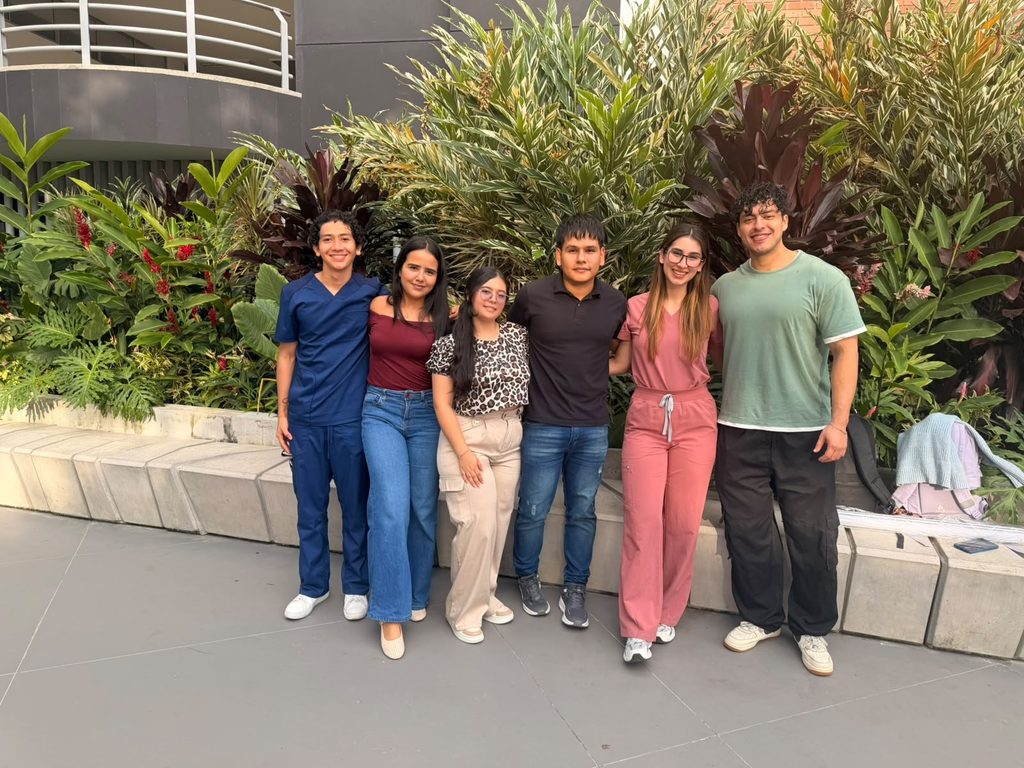
UIS Medical Students Participated in the 13th Pan-American Congress of Pediatrics and Neonatology (opens the original)
An academic paper on hypoplastic left heart syndrome in newborns received very positive feedback for addressing a topic that has been little explored in Colombian scientific literature. Medical students participated in the XIII Pan-American Congress of Pediatrics and Neonatology, held recently in Cartagena, where…
-
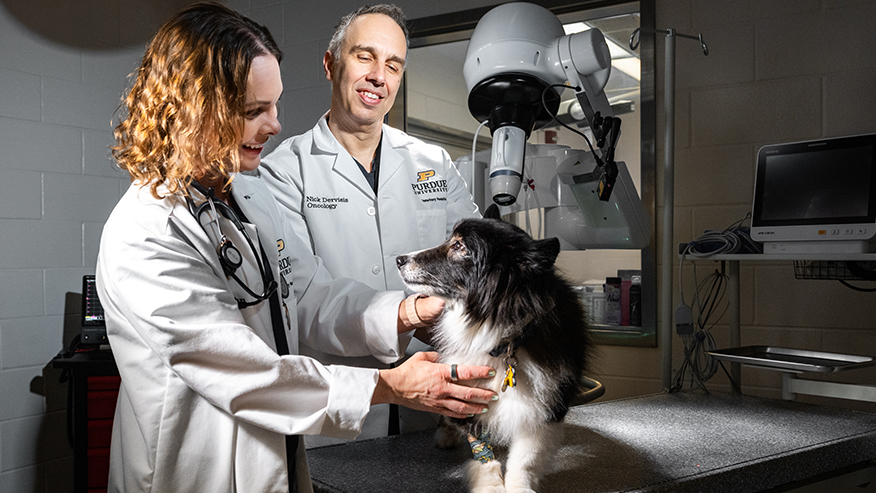
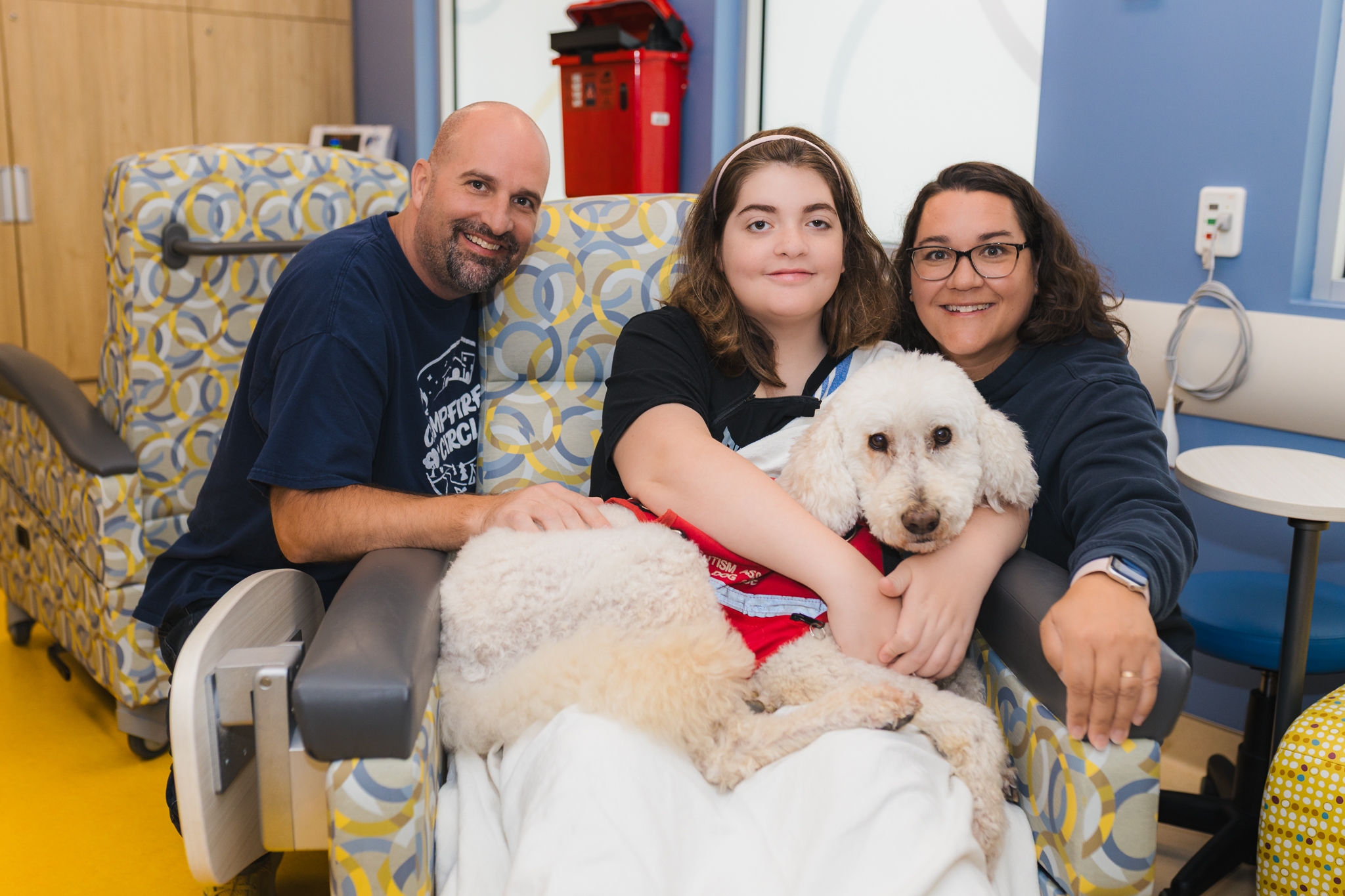
Canine cancer patients help develop next-generation minimally invasive cancer therapies for dogs and humans (opens the original)
WEST LAFAYETTE, Ind. — Natural disasters. Hikes. Long, dark nights alone. For many people, dogs offer a sense of safety and comfort in challenging or uncertain times. Cancer researchers at a new lab at Purdue University are partnering with dogs
-
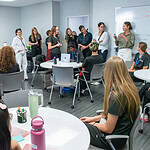
Every Mother Counts Board Visits With UAMS Institute for Community Health Innovation, Ignite (opens the original)
Members of the Every Mother Counts Board of Directors recently visited the University of Arkansas for Medical Sciences (UAMS) Institute for Community Health Innovation and Ignite Professional Studies and saw first-hand how community leaders are paving the way to improve maternal health outcomes in Arkansas. Founded…
-
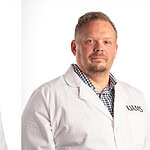
NIH Awards Fund Promising Cancer Research at UAMS Winthrop P. Rockefeller Cancer Institute (opens the original)
Two researchers with the University of Arkansas for Medical Sciences (UAMS) Winthrop P. Rockefeller Cancer Institute have received National Institutes of Health (NIH) awards to support studies aimed at better understanding cancer and identifying new methods for prevention and treatment.
-
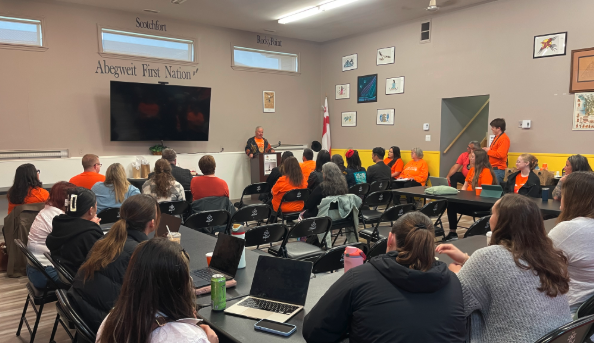
Abegweit First Nation to deliver Indigenous health course for UPEI Nursing Students (opens the original)
This fall, third-year nursing students at UPEI have the opportunity to learn about Indigenous health, healing, and well-being directly within a Mi’kmaq community in Epekwitk (PEI). NURS 3250: Indigenous Health, Healing, and Well-being, has been designed, developed, and will be delivered by the Abegweit First Nation…
-
Virtual Brain Twins: From Basic Science to Clinical Applications (opens the original)
m.nazzari Tue, 10/20/2026 - 15:52 On October 30, 2026, the Scuola Superiore Sant’Anna will host the seminar “Virtual Brain Twins: From Basic Science to Clinical Applications”, delivered by Dr. Huifang Wang from Aix-Marseille University, France. The…
-
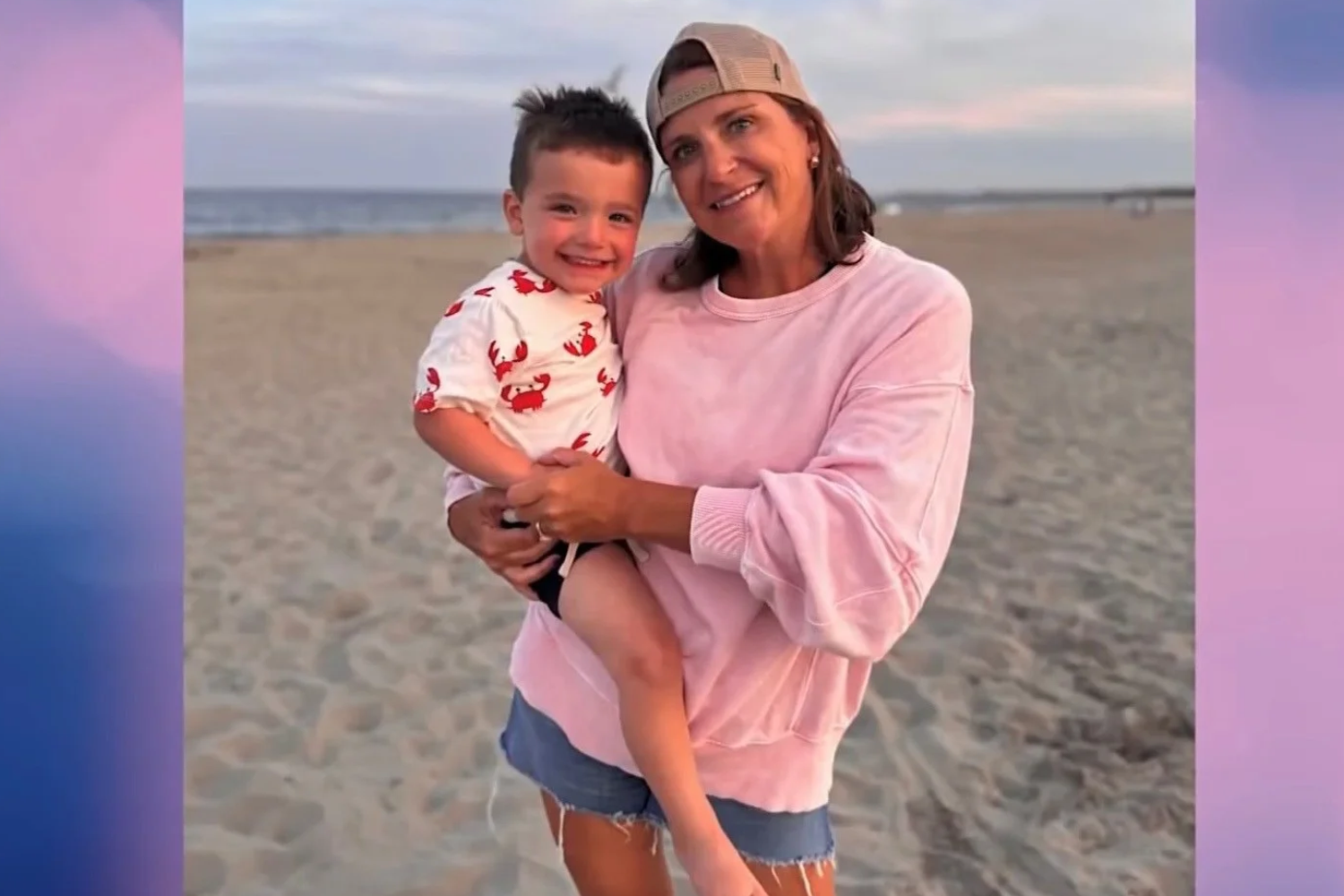
Younger Women Get Breast Cancer, Too (opens the original)
Diagnosed at 26, Krista Iliano shares how she has perservered with breast cancer at a young age and fulfilled her dream of becoming a mother alongside her UConn Health oncologist, Dr. Daniel Morganstern.
-
“Beautiful collaboration” gives pediatric cancer patient more time (opens the original)
When Megan was diagnosed with a rare type of cancer at 14 years old, the team at Hamilton Health Sciences’
-
The ‘activity trap’: fear of losing benefits is stopping some disabled people from exercising
New research reveals how fear of losing disability benefits can discourage people from exercising, even when being active could improve their health.
-
UC physician researcher Katelyn Melgar named Conquer Cancer Young Investigator (opens the original)
The University of Cincinnati Cancer Center’s physician scientist Katelyn Melgar, MD, PhD, has received a $50,000 Conquer Cancer Young Investigator Award to continue her bench‑to‑bedside research on overcoming drug resistance in chronic lymphocytic leukemia (CLL).
-
Marco Antonio Solís visits with children and families at St. Jude Children’s Research Hospital (opens the original)
Marco Antonio Solís, an award-winning Mexican singer, songwriter, and producer, made his first visit to St. Jude Children’s Research Hospital® where he toured the hospital and research facilities while interacting with patient families.
-
Behind the Science: Ribosomes, the protein factories of cells, (opens the original)
Why only some motor neurons degenerate has long been one of the major mysteries of amyotrophic lateral sclerosis. Stanford Medicine’s Aaron Gitler and team are searching for answers.
-
Ultra-processed food intake may increase dementia, stroke risk (opens the original)
The University of Cincinnati's Suzanne Judd, PhD, commented to Healthline on a new study that found healthy adults who eat high levels of ultra-processed foods may be more likely to show signs of damage to the brain that could increase the likelihood of stroke and future memory problems.
-
Combination therapy reveals potential vulnerability in aggressive osteosarcoma (opens the original)
Explore new St. Jude research uncovering that degrading EP300 and inhibiting AKT in combination may synergize to treat sensitive metastatic osteosarcomas.
-
How Denmark became the sperm donation capital of the world
How Danish sperm became central to the global donor industry.




.png)

Read: The Conversation, CORDIS, ESO, NASA, ScienceDaily and the newsroom feeds of 746 institutions. Last read: today. Each story's date is its publisher's. Where the news comes from, and what each source allows.