Science news
Recent stories from university newsrooms, The Conversation, CORDIS, observatories and ScienceDaily, each sorted into the fields, countries and institutions it is about, and each linked to the original publisher. Narrow them below by subject, country, institution, source, words or period. A signed-in reader can follow any filtered view and be told when a new story matches it.
2,860 stories match these filters.
-
The ocean’s most abundant “loner” microbe has a sticky second life (opens the original)
Researchers in the Chisholm lab find Prochlorococcus can switch between drifting alone and living in attached communities, a discovery that could reshape estimates of how much carbon the ocean moves to the deep sea.
-
Marbled murrelet chicks face greater predation risk when ocean conditions are poor (opens the original)
Less favorable ocean conditions mean marbled murrelet chicks take longer to leave the nest, making them more vulnerable to predation, according to a new study of the iconic Pacific Northwest seabird by Oregon State University scientists.
-
Help test Yale Library’s new ‘AI Connector’ (opens the original)
Yale Library invites members of the Yale community to beta-test its new AI tool, which will allow researchers to customize chatbots to include the library’s sources in AI query results.
-
NZ’s climate in ‘uncharted territory’, with more extreme weather events ahead (opens the original)
A new climate report shows New Zealand faces a future of more frequent extremes, with inevitable losses of infrastructure and property, writes climate scientist James Renwick.
-
ORNL, Fermilab and MEEA partner to develop retrofit strategy for aging buildings (opens the original)
The U.S. Department of Energy’s Oak Ridge National Laboratory, Fermi National Accelerator Laboratory and the Midwest Energy Efficiency Alliance have signed a memorandum of understanding to develop a strategic approach for improving the energy performance of aging buildings at Fermilab Village in Batavia, Illinois…
-
Looking Ahead to the 'AI at 70' Conference (opens the original)
Conference chair Peter Chin talks about artificial intelligence and human judgment.
-
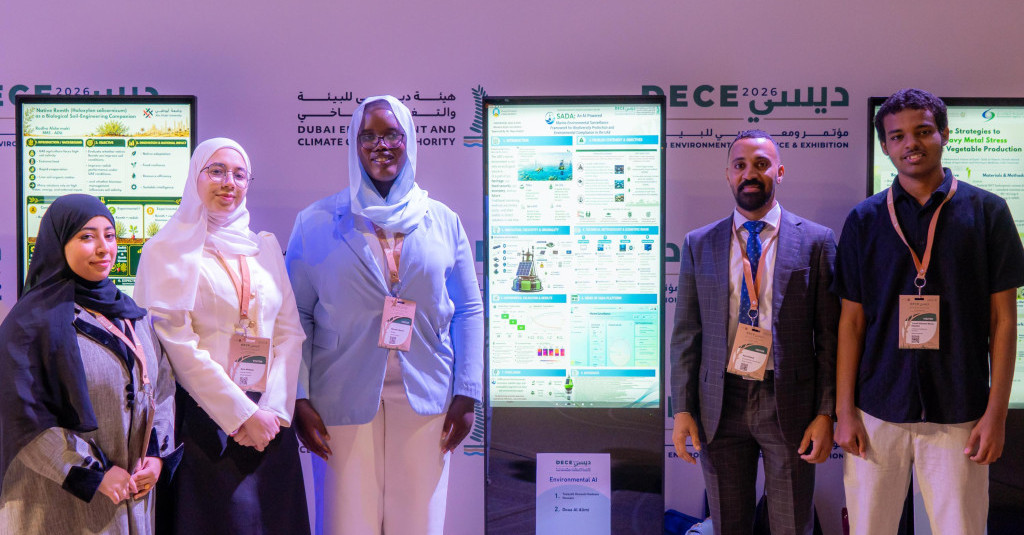
AU Students Debut AI-Powered Marine Surveillance System at Dubai Environment Conference & Exhibition 2026 (opens the original)
Ajman University students presented SADA at DECE 2026, an AI-driven marine monitoring solution that detects illegal fishing activities and environmental risks using passive acoustic and water quality sensing to help protect the UAE’s marine ecosystems and Blue Economy Out at sea, a fishing boat can vanish from every…
-
Adaptation policies must be built around the local communities facing climate change
Adapting to a changing climate will require greater co-operation and co-ordination across various orders of government.
-
Stony Brook University Hosts Global Energy Leaders at Advanced Energy Conference 2026 (opens the original)
AERTC at Stony Brook University will host the Advanced Energy Conference 2026 with the energy sector’s most influential executives, researchers and pioneers. The post Stony Brook University Hosts Global Energy Leaders at Advanced Energy Conference 2026 first appeared on SBU News.
-
Pasadena Now: Luminaires Set Course for March ‘Anchors Away!’ Luncheon at the Langham (opens the original)
The Luminaires launched their 2026-27 season Thursday morning at a private club in Pasadena with a nautical-themed kickoff in support of vision research at the Doheny Eye Institute, setting course for their March 12, 2027, benefit luncheon, “Anchors Away!,” at The Langham Huntington, Pasadena.
-
Why the humble rabbit might be Australia’s worst introduced species
In 1920, an estimated ten billion rabbits roamed Australia. Biological controls have reduced their numbers – but rabbits remain a big problem
-
Using AI to plan your next holiday? Sometimes, too much information is just too much
New research shows travellers are willing to hand over control to AI if it provides accurate and consistent recommendations.
-
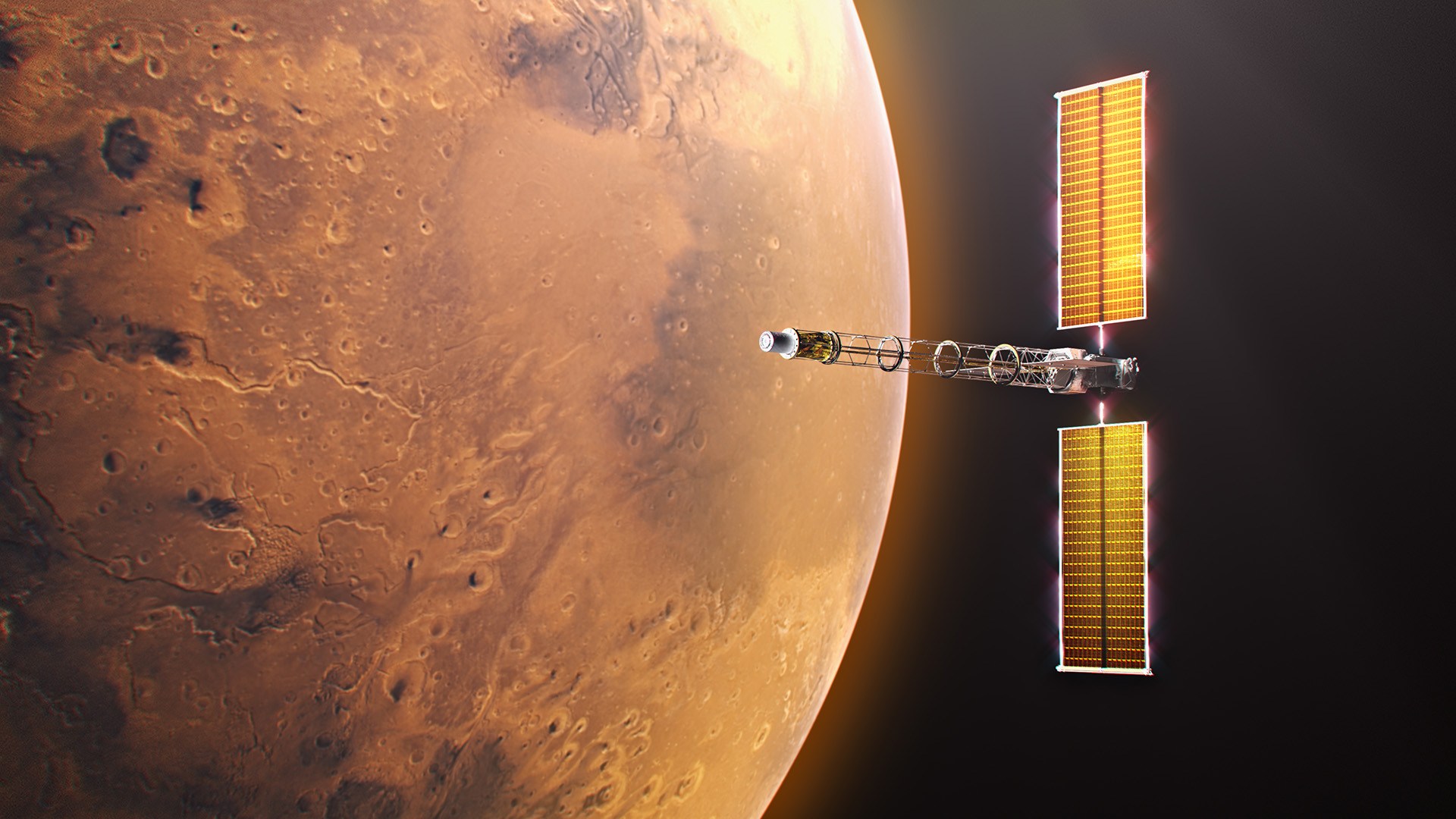
NASA’s SR-1 Freedom Advances with Progress on Nuclear Power Module (opens the original)
Destined for Mars and beyond, NASA’s Space Reactor-1 (SR-1) Freedom will be humanity’s first fission-powered spacecraft to travel outside Earth’s orbit. Announced during NASA’s “Ignition” event, this mission will demonstrate nuclear electric propulsion in deep space, and progress is underway on its key element: the nuclear power module. To expedite development of the spacecraft, NASA
-
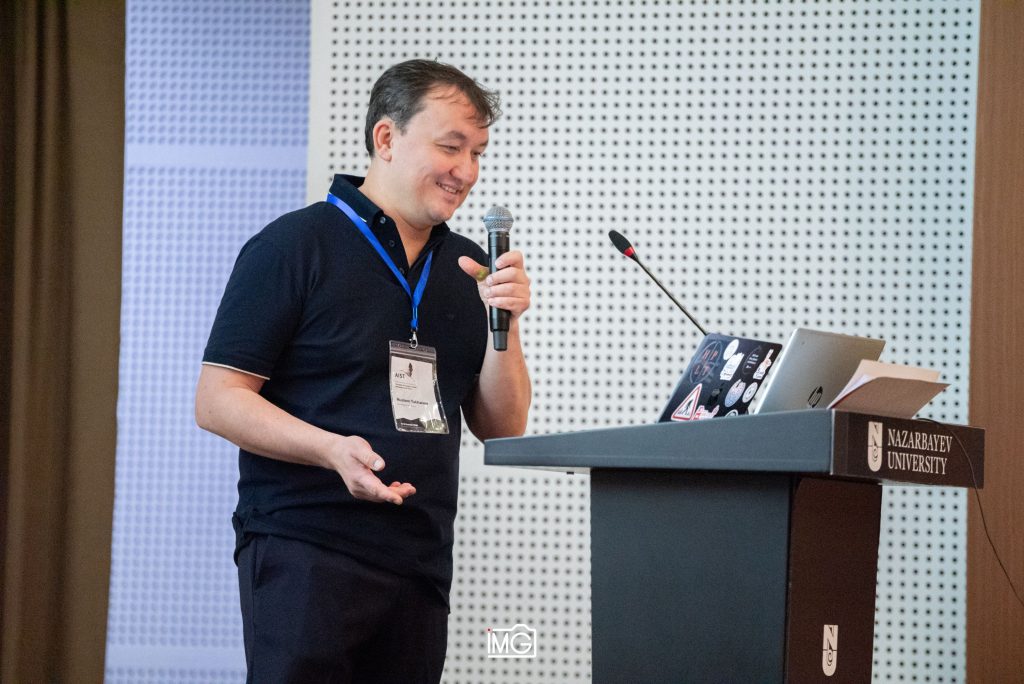
Who Develops AI Solutions for Business? AIST 2026 Conference at NU (opens the original)
Businesses need more than professionals who can use off-the-shelf artificial intelligence tools. They also need specialists capable of developing, adapting and improving AI technologies. Experts discussed the role of research and the skills required for effective AI adoption at the international AIST 2026 conference…
-
SMC 26 unites computing leaders to accelerate discovery (opens the original)
The Smoky Mountains Computational Sciences and Engineering Conference, or SMC 26, brought together leaders from government, academia, industry and the national laboratory community to explore how high-performance computing (HPC), Super Intelligence (SI) — formally known as artificial intelligence — and quantum…
-
Landsat Science Team: Dead Vegetation Tells a Story (opens the original)
Brown, dead grass and leaves can tell a story – whether it’s one of wildfire danger, disease or drought. To help understand the connection between nature’s hazards and plants, University of Utah researchers Phil Dennison and Mickey Campbell want to track non-photosynthetic vegetation, or NPV, which refers to dead or…
-
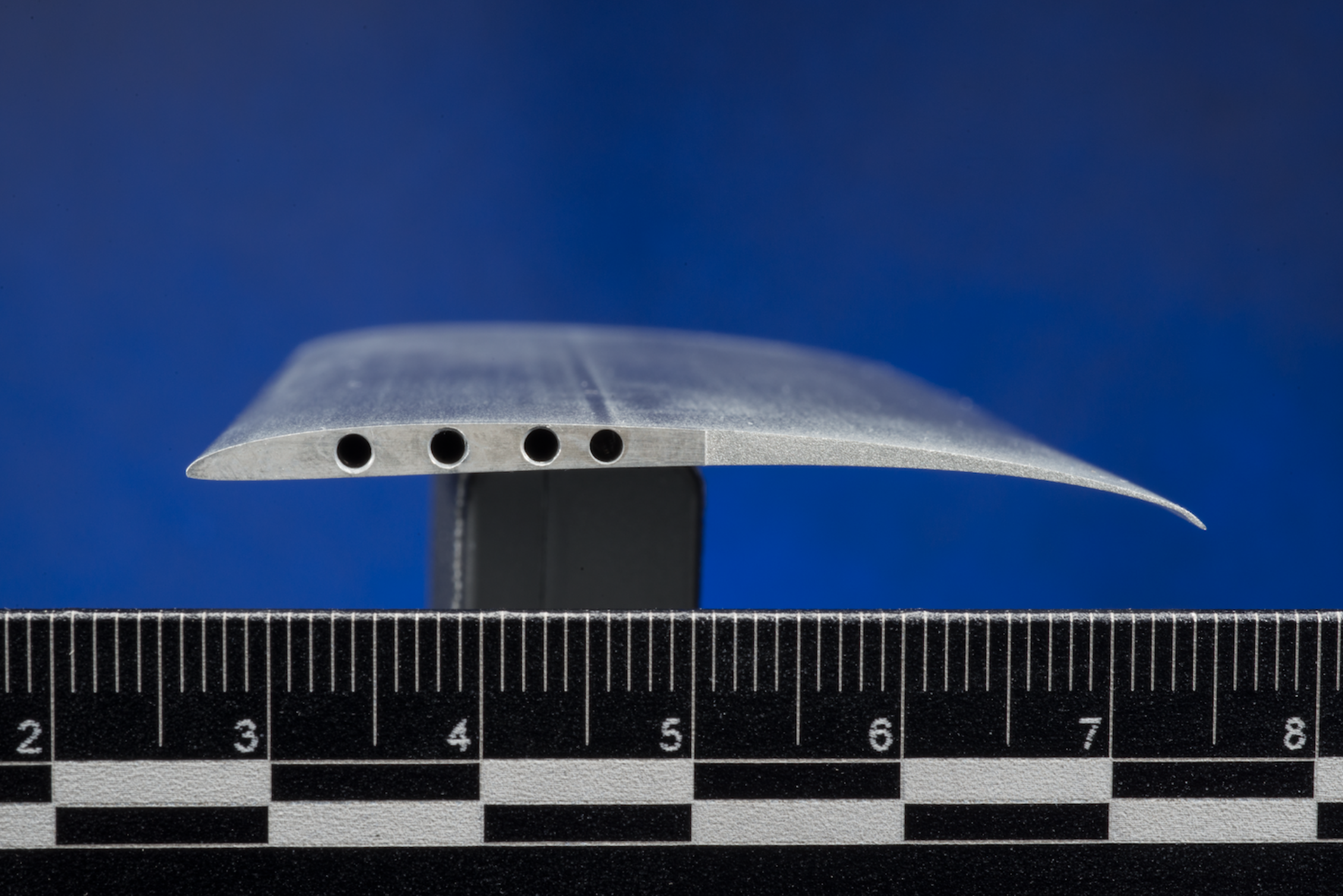
NASA Experimental Mars Helicopter Blade Designs Target Longer Flights (opens the original)
NASA researchers are developing the future of flight on Mars, laying the groundwork for helicopters with the ability to fly higher and farther while conducting science on the Red Planet. Using high-fidelity computer simulations and wind tunnel tests, engineers are reimagining the rotorcraft blades that could carry…
-
Landsat Science Team Focuses on Advanced Satellite Technology (opens the original)
Landsat 10 promises improved scientific discovery and innovation with better imaging capabilities for the next generation of Earth observation, continuing the 54-year legacy of the remote sensing program. The newest satellite, with 26 spectral bands and enhanced resolution, is planned to launch in 2031.
-
Developing 3D-printed 'muscles' for the robots of the future (opens the original)
Dr Meisam Abdi is one of just eight engineers across the UK to receive a 2026/27 Royal Academy of Engineering/Leverhulme Trust Research Fellowship.
-
The AI effect (opens the original)
Through the Center for Humanistic Inquiry into AI and Uncertainty, researchers in UW's College of Letters & Science are answering the tough AI questions.






Read: The Conversation, CORDIS, ESO, NASA, ScienceDaily and the newsroom feeds of 739 institutions. Last read: today. Each story's date is its publisher's. Where the news comes from, and what each source allows.