Science news
Recent stories from university newsrooms, The Conversation, CORDIS, observatories and ScienceDaily, each sorted into the fields, countries and institutions it is about, and each linked to the original publisher. Narrow them below by subject, country, institution, source, words or period. A signed-in reader can follow any filtered view and be told when a new story matches it.
10,363 stories stored from the last six months.
-
Students and NGN take a sound bath for Mental Health Week (opens the original)
Students on Northeastern's London campus take a restorative sound bath - a newly-emerging wellness treatment - for Mental Health Week.
-
Transportation geographer building the case for more accessible public transit (opens the original)
A student in Léa Ravensbergen’s research group came back from a transportation conference feeling vexed. The student had met two conference-goers who’d never heard of mobility of care. While that bothered the student, Ravensbergen considered it good news. “Only two people? We’re making progress.” Four years ago…
-
How does fake tan work, and why does it sometimes smell ‘biscuity’?
The sugar-plus-amino acids combination involved in fake tanning is the same broad class of chemistry that happens in cooking. You are, in a sense, toast.
Picture: Inna Rabotyagina/Pexels
-
Want to take leave or call in sick to play Grand Theft Auto 6? Here’s how not to break the law
Australians and New Zealanders will be the world’s first gamers to play the new R-rated video game – which could see employees not turn up to work on November 20.
-
Could thoughtful ‘AI art’ counter the rise of ‘AI slop’? Why creatives today face a paradox
The poster for the National Gallery of Victoria’s upcoming triennial features artwork made with AI. But the artist’s work is critical of our AI future.
-
Are you using AI to study? Here’s how to do it well
A good principle when studying with artificial intelligence is: think first, use AI second (or, in some cases, not at all).
-
We must prepare entire cities for extreme heat. Our new study reveals how
One Australian city has formed a taskforce to better protect its residents from sweltering temperatures.
-
Seeing a psychologist is becoming more unequal – and our map shows the gap
Medicare rebates are meant to make psychologist visits cheaper and more accessible. But data shows those on the lowest incomes are missing out.
-
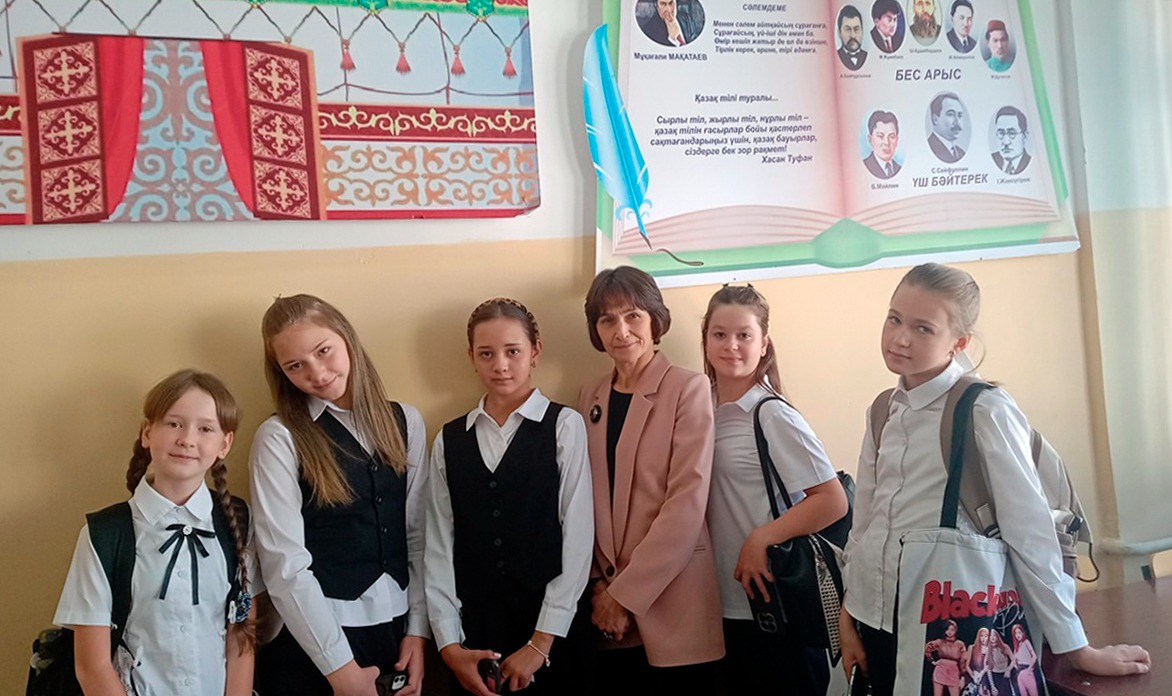
From Field Expeditions to the Red Data Book: Zoologist from the Institute of Zoology Introduces Schoolchildren to the Work of Scientists (opens the original)
An educational lecture on zoology was delivered by a leading researcher at the Laboratory of Ornithology and Herpetology of the Institute of Zoology at a school in Talgar. On 20 October 2026, Tatyana Nikolaevna Duisebayeva, Candidate of Biological Sciences and Professor, and a leading researcher at the Institute of…
-
NASA JPL Looks to Next 90 Years of Innovation, Exploration (opens the original)
Interstellar probes. Lunar drones. Helicopters on Mars. When a group of Caltech graduate students and enthusiasts began conducting rocket-propulsion tests in Pasadena’s Arroyo Seco on Oct. 31, 1936, they had no idea that their work marked the inception of the Jet Propulsion Laboratory. Ninety years later, the lab, now managed by Caltech for NASA, isn’t
-
McMaster team investigates how ‘forever chemicals’ travel to the Great Lakes (opens the original)
A research team at McMaster has received $200,000 in federal funding as part of the Great Lakes Freshwater Ecosystem Initiative to better understand how “forever chemicals” travel through soils and waterways. From food packaging and firefighter foams to stain-resistant fabrics and non-stick cookware, per- and…
-
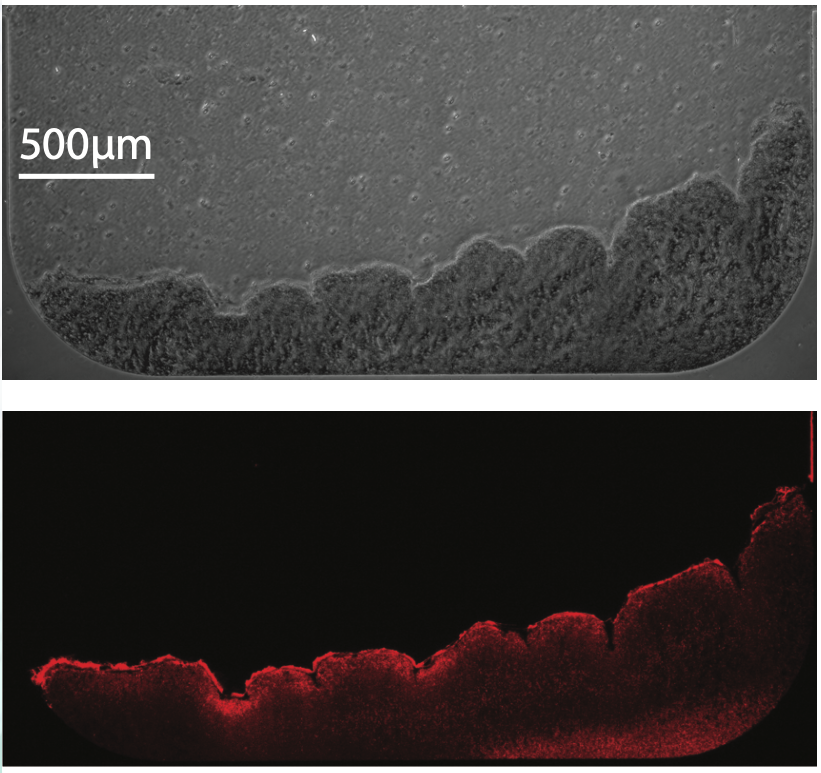
CSUN Prof Receives $600,000 NIH Award to Study Antimicrobial Treatments in Infection-Like Conditions (opens the original)
In a laboratory in the basement of California State University, Northridge’s Eucalyptus Hall, associate professor of physics Sattar Taheri-Araghi and his students are setting out on an ambitious project to understand how antimicrobial peptides act under conditions that closely resemble real infections. The post CSUN…
-
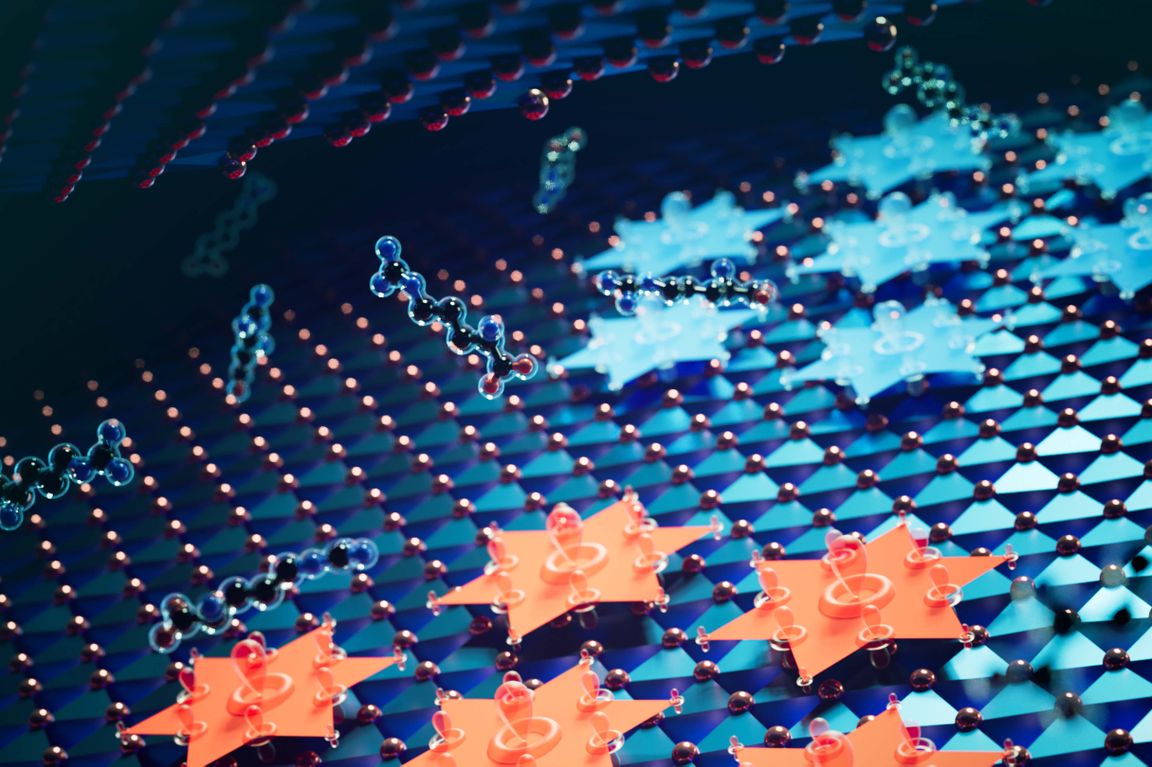
UCLA-led study finds amino acid extends quantum properties above room temperature (opens the original)
With further development, the findings could provide the basis for new technologies such as energy-efficient computer memory.
-
Utah Women Continue to Experience Poverty at Lower Rates Than National Averages (opens the original)
The Utah State University Utah Women & Leadership Project has released a new research report, Poverty Among Utah Women: A 2026 Update. The report provides an overview of poverty trends among Utah women and how they vary by race and ethnicity, age, family structure, educational attainment, and geography. Drawing on…
-
‘Silent’ vultures turn out to use a wide range of sounds to communicate (opens the original)
The findings could potentially help improve the success of captive breeding programmes and shed light on the evolution of communication.
-
Shawn Whiteman Awarded $3.1M NIH Grant to Investigate Sibling Influence on Substance Use (opens the original)
Research shows that the first few years after high school represent the highest-risk period for alcohol and other substance use. The transition to adulthood is a critical period in the developmental course of substance use, and siblings can have a strong influence on each other’s use of alcohol and other drugs, even…
-
CSUSB brings AI education to high school students in Rialto (opens the original)
CSUSB faculty member Nabeel Alzahrani introduced students at Rialto Unified’s Eisenhower High School to artificial intelligence, large language models, AI agents, STEM careers and higher education opportunities.
-
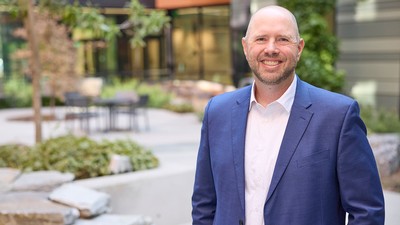
Family Medicine Physician Timothy Baty, D.O., Joins UAMS Health Family Medical Center in Batesville (opens the original)
Timothy Baty, D.O., has joined the University of Arkansas for Medical Sciences (UAMS) Family Medical Center in Batesville, where he will provide comprehensive primary care services for patients of all ages.
-
New global database provides a fuller picture of the elements that make up plant life (opens the original)
Questions about growing plants beyond Earth led researchers to build a baseline of the elements found in plants.







Read: The Conversation, CORDIS, ESO, NASA, ScienceDaily and the newsroom feeds of 750 institutions. Last read: today. Each story's date is its publisher's. Where the news comes from, and what each source allows.