Science news
Recent stories from university newsrooms, The Conversation, CORDIS, observatories and ScienceDaily, each sorted into the fields, countries and institutions it is about, and each linked to the original publisher. Narrow them below by subject, country, institution, source, words or period. A signed-in reader can follow any filtered view and be told when a new story matches it.
10,355 stories stored from the last six months.
-
Dehydration, UTIs and cognitive health: Getting enough to drink is complicated for people with brain disorders
Drinking is partly a brain-regulated behaviour: the brain detects changes in the body’s fluid balance, generates thirst and helps translate that signal into seeking and drinking water.
-
USF reaches record $775 million in research funding, leading to more real-world impact and solutions (opens the original)
The University of South Florida continues to grow its research enterprise, attracting increased federal support and private investment for impactful work that advances discovery, drives innovation and addresses challenges facing communities and industries.
-
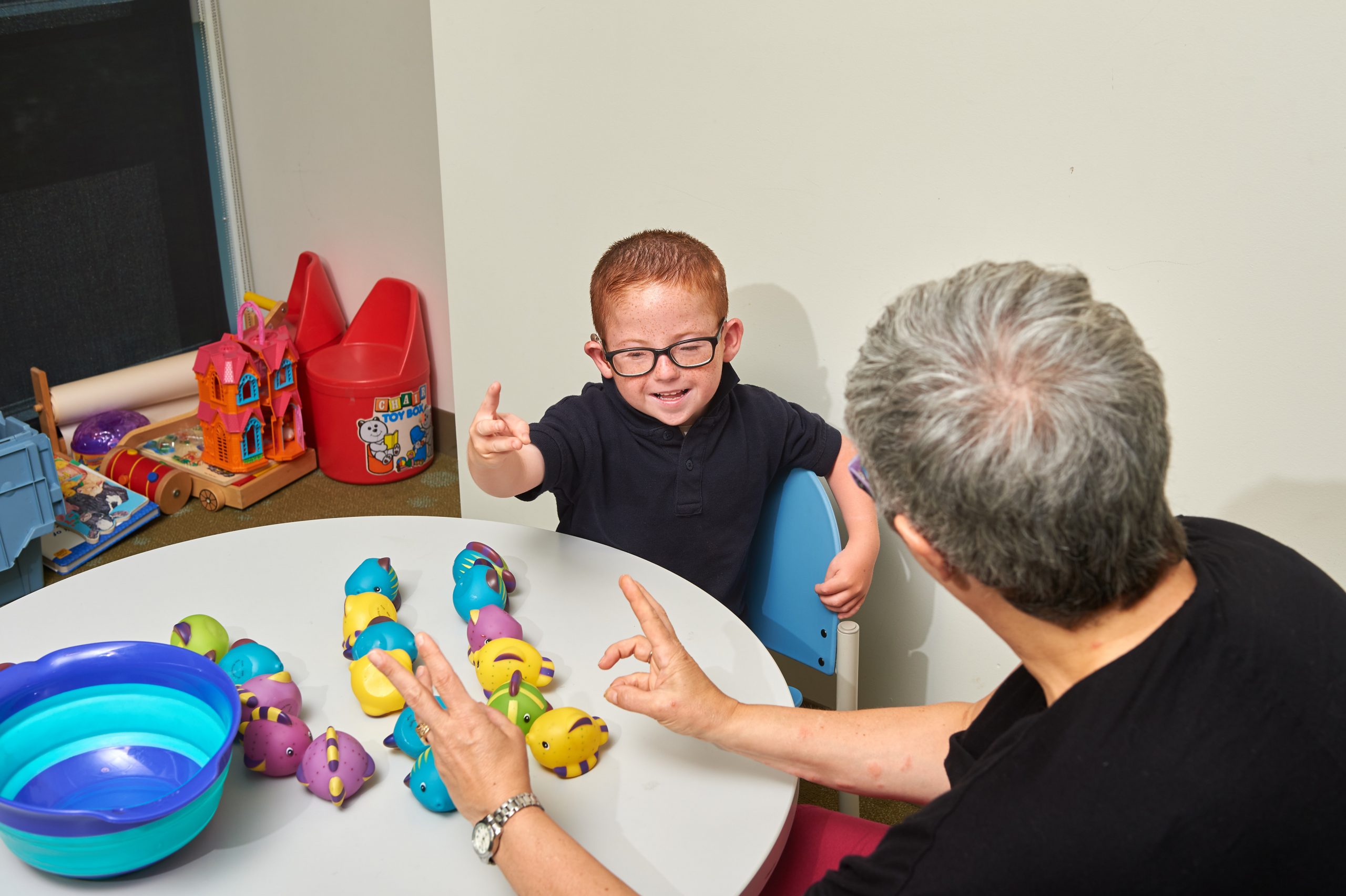
Access to ASL from Birth Supports Childhood Math Proficiency in Deaf Children, UConn Researcher Finds in First-of-its-Kind Study (opens the original)
'If you compare hearing kids learning spoken English from their parents at home to deaf kids learning ASL from their parents at home, those kids are indistinguishable'
-
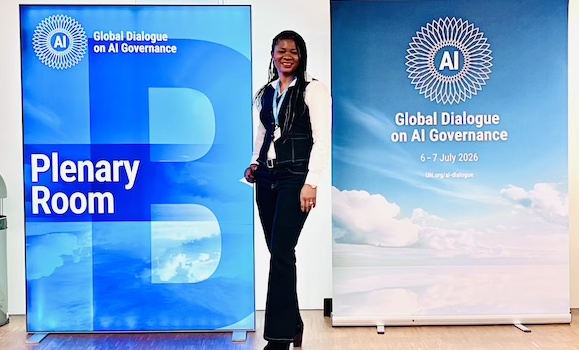
Dal researcher Dr. Rita Orji named Fellow of the International Science Council (opens the original)
Latest international recognition caps a remarkable stretch of honours and recognition for the Dal computer scientist, who has emerged as a global leader in responsible and human-centred AI.
-
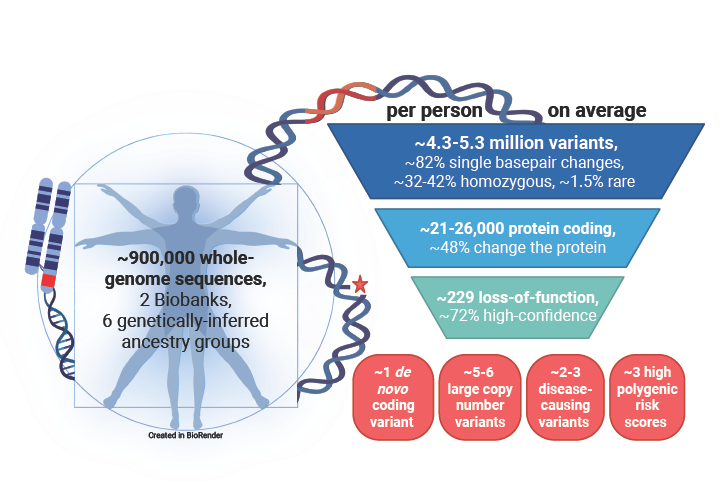
“Average” human genome described for first time, with implications for disease risk (opens the original)
A new study has characterised the “average” human genome, providing key information on normal human... “Average” human genome described for first time, with implications for disease risk appeared first on University of Exeter News.
-
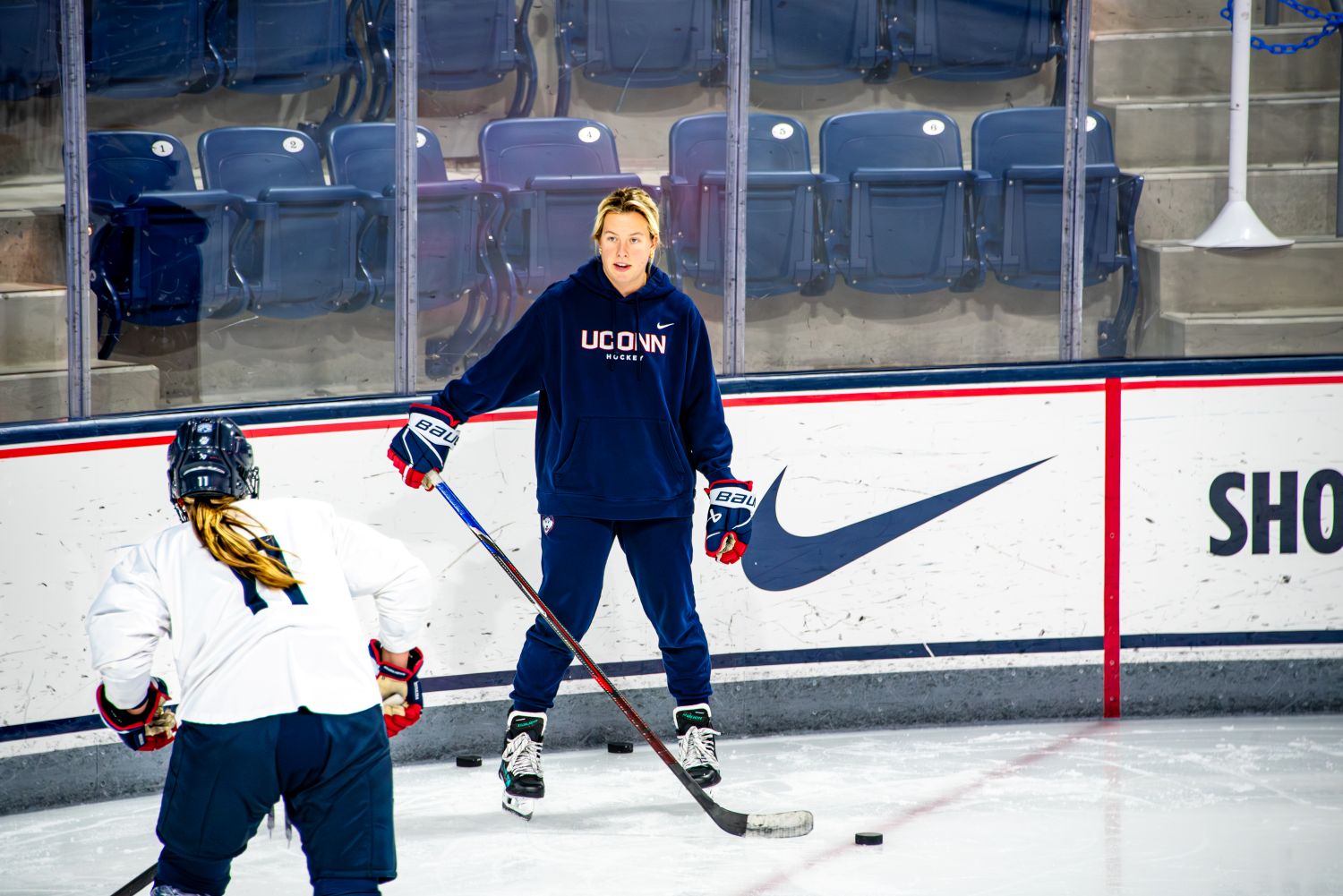
On the Ice with Ainsley Svetek (opens the original)
Ainsley Svetek is using her personal experience recovering from injury to inform her graduate studies in kinesiology and help other players get back on the ice safely
-
RSU Psihiatrijas un narkoloģijas katedras pētnieki publicējas žurnālā JAMA Network Open (opens the original)
RSU Department of Psychiatry and Narcology researchers publish in JAMA Network Open aigcer@rsu.lv Fri, 23.10.2026 - 10:42
-
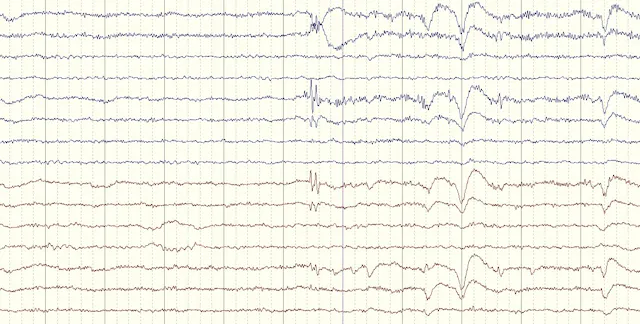
How long until wearable brain-computer interfaces become mainstream?
Wearable consumer neurotechnology is here – but a lot needs to happen before availability leads to widespread adoption.
Picture: Otoomuch/Wikimedia Commons, CC BY-SA
-
Biodiversity improves the ecological functioning of ponds, especially in arid regions, according to an article published in 'Nature Ecology & Evolution' (opens the original)
Biodiversity is key to the ecological functioning of ponds, especially in more arid regions. This is one of the conclusions of research carried out as part of the European PONDERFUL project , led by the Aquatic Ecology Research Group (GEA) at the University of Vic - Central University of Catalonia (UVic-UCC). The…
-
From elite spies to ‘gig-economy’ operatives: the changing face of Russian sabotage
Across domains, Russia has turned unpredictability and disruption into its strategic weapon of choice.
-
The top two threats that could cause human extinction
Thirty-seven leaders in health, economics, security and technology, collectively referred to as the Commission on 21st Century Global Threats to Health, identified 17 interconnected catastrophic threats to global health from 2025 to 2100. The threats range from disease, social and economic conditions to environmental…
Picture: © hamara/stock.adobe.com
-
Autumn wreaths and ‘doorscaping’: why we need more life in our front gardens
Autumn wreaths are now decorating many front doors, as part of a new trend.
-
When climate data is transformed into visuals some people and places get overlooked
Data visualisation can change how people see, feel and relate to climate disasters.
-
Tampere University’s position stable in international THE ranking (opens the original)
Tampere University ranks among the worlds top 350 universities in the latest Times Higher Education comparison and its position has remained stable. As in the previous years, Tampere University was awarded points for industry collaboration and research outcomes.
-
The psychology that can lead investors to make bad financial decisions
Recent research suggests even people training for careers in finance can fall prey to overconfidence, loss aversion and other psychological biases.
-
P. Rodríguez Padilla (opens the original)
Paula Rodríguez is a PhD candidate in the Department of European Law at Maastricht University. Her PhD project examines the constitutional implications of the European Union's response to Foreign Information Manipulation and Interference (FIMI). It studies whether the measures that the EU adopted…
-
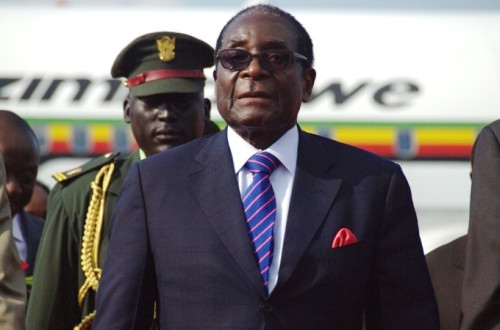
How Zimbabwe's government turned international condemnation into political ammunition (opens the original)
Study finds Mugabe withdrew from Commonwealth after judging political reform was a greater threat to his hold on power
-
Bacteria constantly reinvent their weapons (opens the original)
A new study illuminates for the first time the complex interplay of evolutionary forces that shape some of the world's most versatile natural products







Read: The Conversation, CORDIS, ESO, NASA, ScienceDaily and the newsroom feeds of 750 institutions. Last read: today. Each story's date is its publisher's. Where the news comes from, and what each source allows.