Science news
Recent stories from university newsrooms, The Conversation, CORDIS, observatories and ScienceDaily, each sorted into the fields, countries and institutions it is about, and each linked to the original publisher. Narrow them below by subject, country, institution, source, words or period. A signed-in reader can follow any filtered view and be told when a new story matches it.
683 stories match these filters.
-
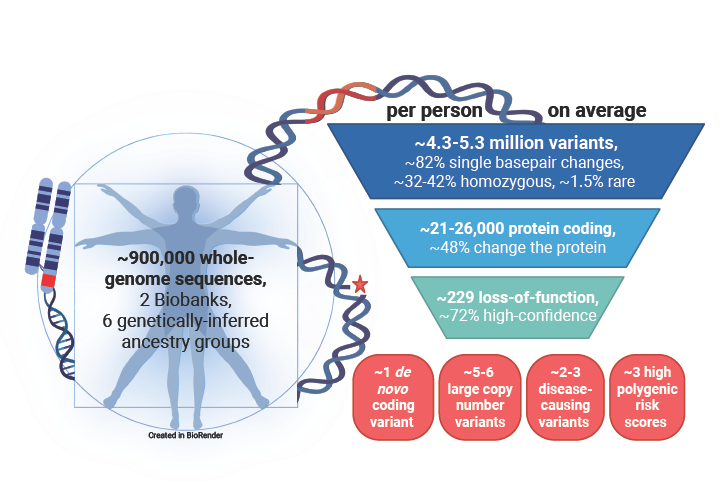
“Average” human genome described for first time, with implications for disease risk (opens the original)
A new study has characterised the “average” human genome, providing key information on normal human... “Average” human genome described for first time, with implications for disease risk appeared first on University of Exeter News.
-
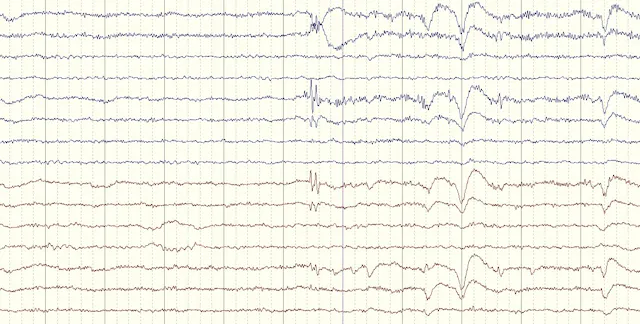
How long until wearable brain-computer interfaces become mainstream?
Wearable consumer neurotechnology is here – but a lot needs to happen before availability leads to widespread adoption.
Picture: Otoomuch/Wikimedia Commons, CC BY-SA
-
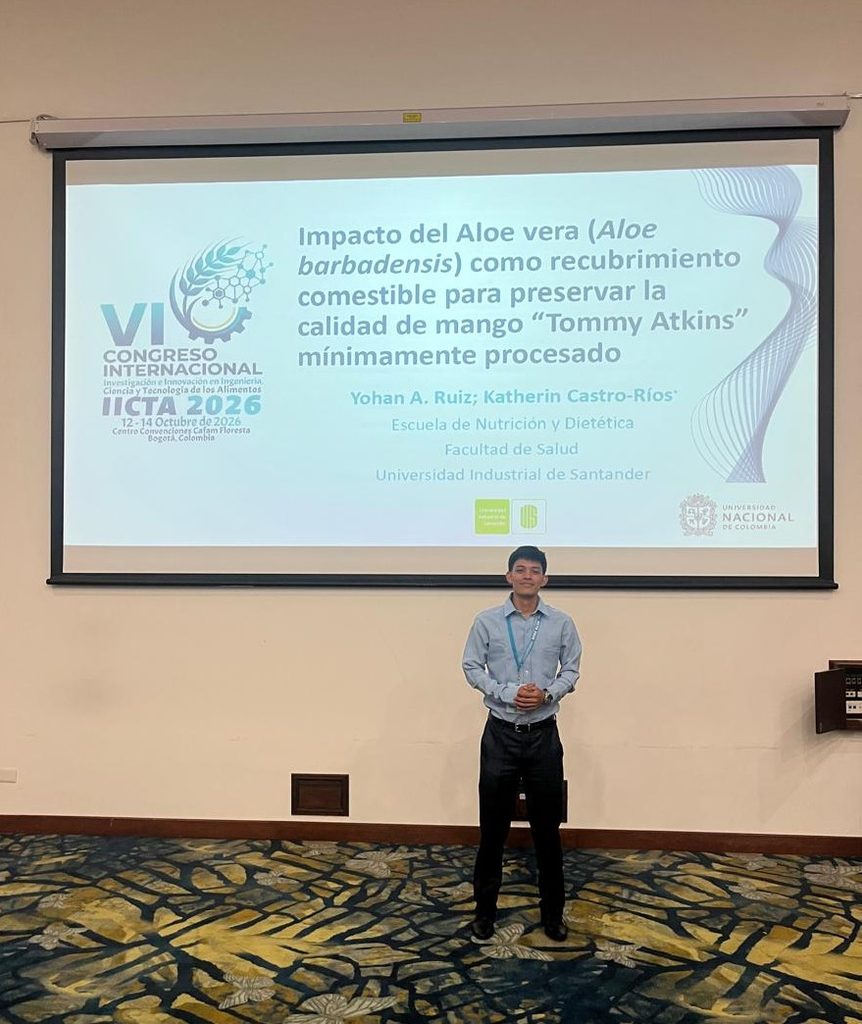
Research from the School of Nutrition and Dietetics Shines at IICTA 2026 (opens the original)
Yohan Adrián Ruiz Guadrón, a 10th-semester student in Nutrition and Dietetics, represented the UIS at the “6th International Congress on Research and Innovation in Food Engineering, Science, and Technology,” held recently in Bogotá, Colombia. During the event, the student presented the paper “Effect of Aloe Vera as…
-
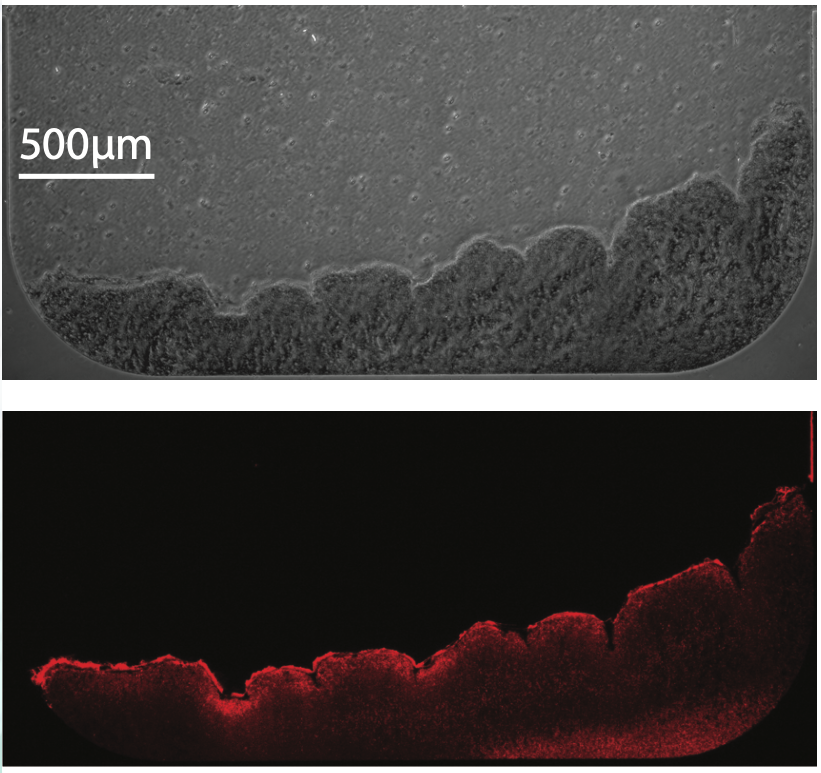
CSUN Prof Receives $600,000 NIH Award to Study Antimicrobial Treatments in Infection-Like Conditions (opens the original)
In a laboratory in the basement of California State University, Northridge’s Eucalyptus Hall, associate professor of physics Sattar Taheri-Araghi and his students are setting out on an ambitious project to understand how antimicrobial peptides act under conditions that closely resemble real infections. The post CSUN…
-
Study details surprising human immune cell link to HIV (opens the original)
WEST LAFAYETTE, Ind. — A prominent protein on most human cells may be key to unlocking the code that makes humans susceptible to pathogenic bacteria and viruses, including human immunodeficiency virus (HIV), according to a new study in Science Immunology
-
Africa’s bats could survive climate change – if they can find somewhere to live
As the climate changes, bats will need both suitable foraging landscapes and caves for roosting.
-
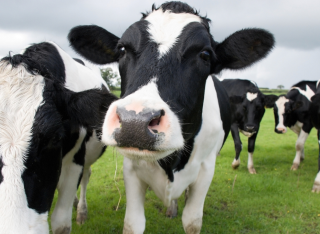
Virus that sickens cows, kills deer, still rare in NYS – for now (opens the original)
An insect-driven disease that causes high mortality in white-tailed deer, and mimics the symptoms of foot and mouth disease in cattle, is still rare in New York state, but the warming climate may increase its future spread. In research published
-
Strategizing for soybeans: The role of headlands in yield (opens the original)
Headlands are the areas bordering a field. Compared to the rest of the field, headlands are more exposed to wildlife, pests, disease, nutrient loss to weeds, and the elements. They are also at a higher risk for compaction because equipment
-
Study Sheds Light on Tick-Borne Infection (opens the original)
Bacteria from the Gulf Coast tick can be transmitted to its host within one hour of attachment, according to new research by a recent graduate of the Frederick P. Whiddon College of Medicine.
-
AI model detects signs of faulty DNA repair in ovarian cancer using tissue images (opens the original)
An AI model created by researchers at King’s can detect signs of faulty repair mechanisms in ovarian cancer cells, potentially
-
Motor Characteristics of Early Walking in Children with Williams Syndrome (opens the original)
ps111io Wed, 21/10/2026 - 11:01 News A journal article, led by Gloria Yoshkova and published in April 2026, examines motor characteristies of first unsupported walking in toddlers with Williams syndrome (WS) compared to neurotypical peers. The…
-
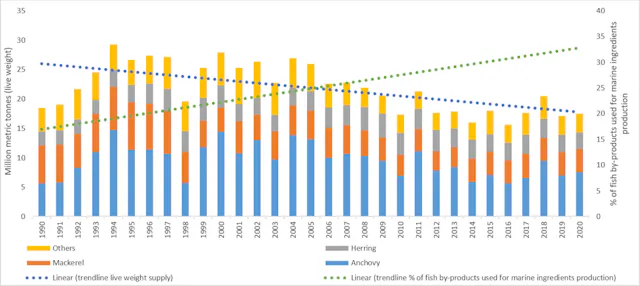
Wild fish are a precious resource – here’s how aquaculture can bolster food security
Some farmed fish rely on wild fish for feed but aquaculture should not compromise food security of vulnerable communities.
Picture: CC BY
-
Why the humble rabbit might be Australia’s worst introduced species
In 1920, an estimated ten billion rabbits roamed Australia. Biological controls have reduced their numbers – but rabbits remain a big problem
-
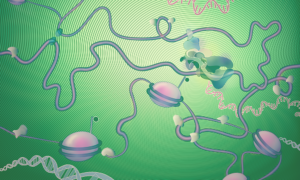
When the genome speaks (opens the original)
The 17th EMBL Conference on Transcription and Chromatin brought together researchers to discuss new advances in understanding how cells decide which genes to turn on and when.
-
£4 million awarded to develop vaccines that protect livestock and tackle growing biosecurity threat (opens the original)
dn0009 Tue, 20/10/2026 - 16:20 Press release Scientists from the University of Surrey are set to receive a share of £4 million to help tackle the growing biosecurity threat faced by the UK. Credit: damnura via GETTY…
-
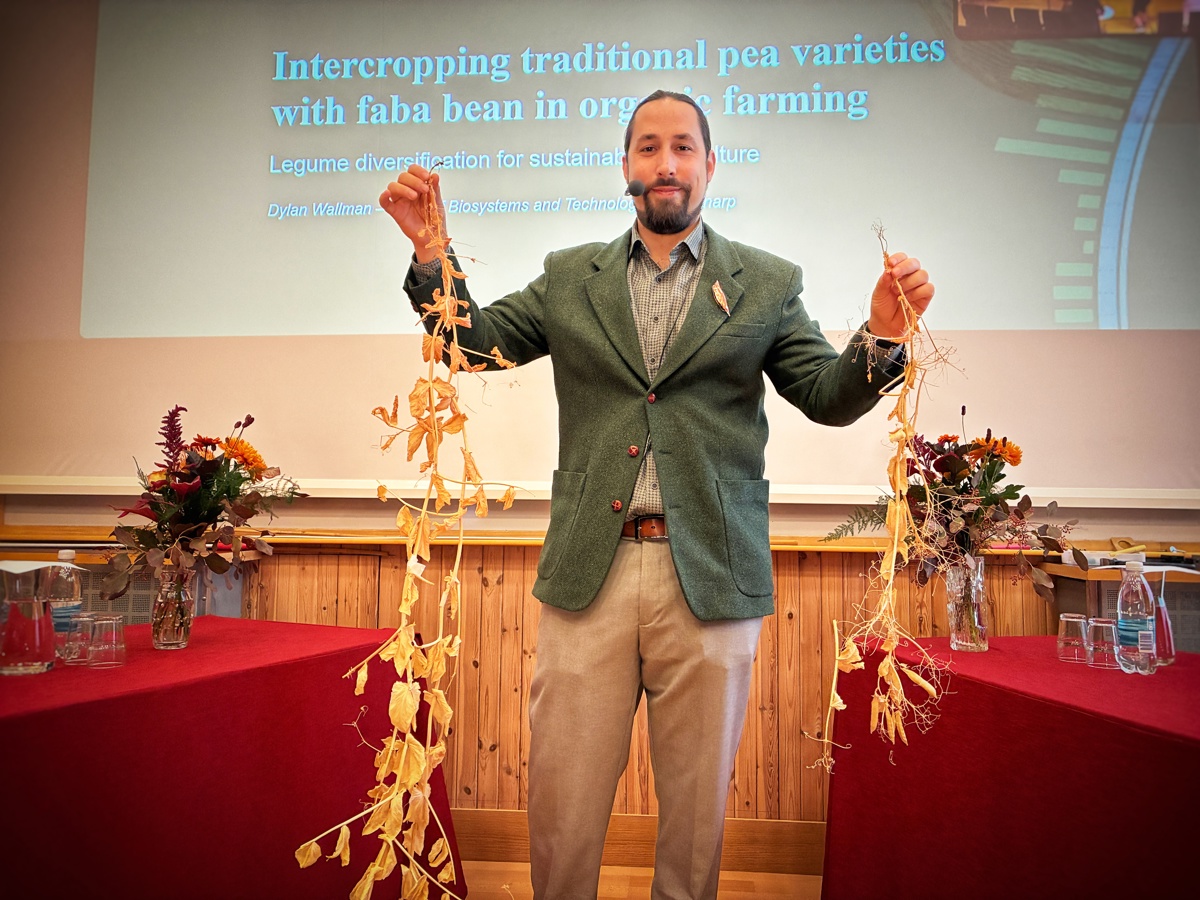
Old pea varieties grown in a traditional way can be the protein crops of the future (opens the original)
There is a great deal of interest in old pea varieties, but they are often difficult to grow. A new-old solution may be to intercrop the pea with faba bean. Several older varieties can then yield at least as much grains and biomass as modern varieties, according to a new thesis from SLU.
-
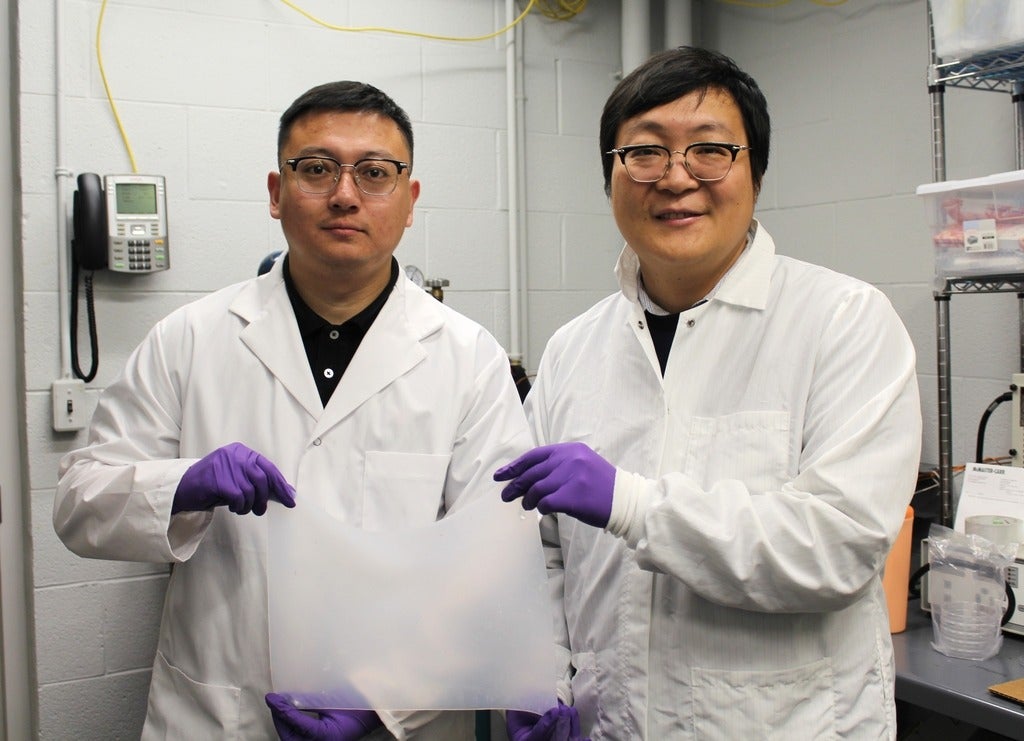
Sea cucumber-inspired gel could help heal damaged tissue in humans (opens the original)
Waterloo researchers develop a new material that supports tissue regeneration, with promising results in preclinical studies
-
Researchers test gene therapy as less invasive treatment for hydrocephalus (opens the original)
Researchers at the University of Cincinnati College of Medicine say an experimental gene therapy could eventually lead to a less invasive treatment for hydrocephalus, a condition in which excess fluid accumulates in the brain. The early-stage study, led by Agnes (Yu) Luo, PhD, professor and vice chair for research…
-
BRCA1 vs. BRCA2: How Do These Genes Affect Cancer Risk? (opens the original)
BRCA1 and BRCA2 raise breast cancer risk, but they're also linked to other cancers - and each gene affects cancer risk differently. Here's what to know.




Read: The Conversation, CORDIS, ESO, NASA, ScienceDaily and the newsroom feeds of 751 institutions. Last read: today. Each story's date is its publisher's. Where the news comes from, and what each source allows.