Science news
Recent stories from university newsrooms, The Conversation, CORDIS, observatories and ScienceDaily, each sorted into the fields, countries and institutions it is about, and each linked to the original publisher. Narrow them below by subject, country, institution, source, words or period. A signed-in reader can follow any filtered view and be told when a new story matches it.
1,736 stories match these filters.
-
New Device Tackles Male Incontinence (opens the original)
Duke Health team performs first implantation in U.S. clinical trial
-
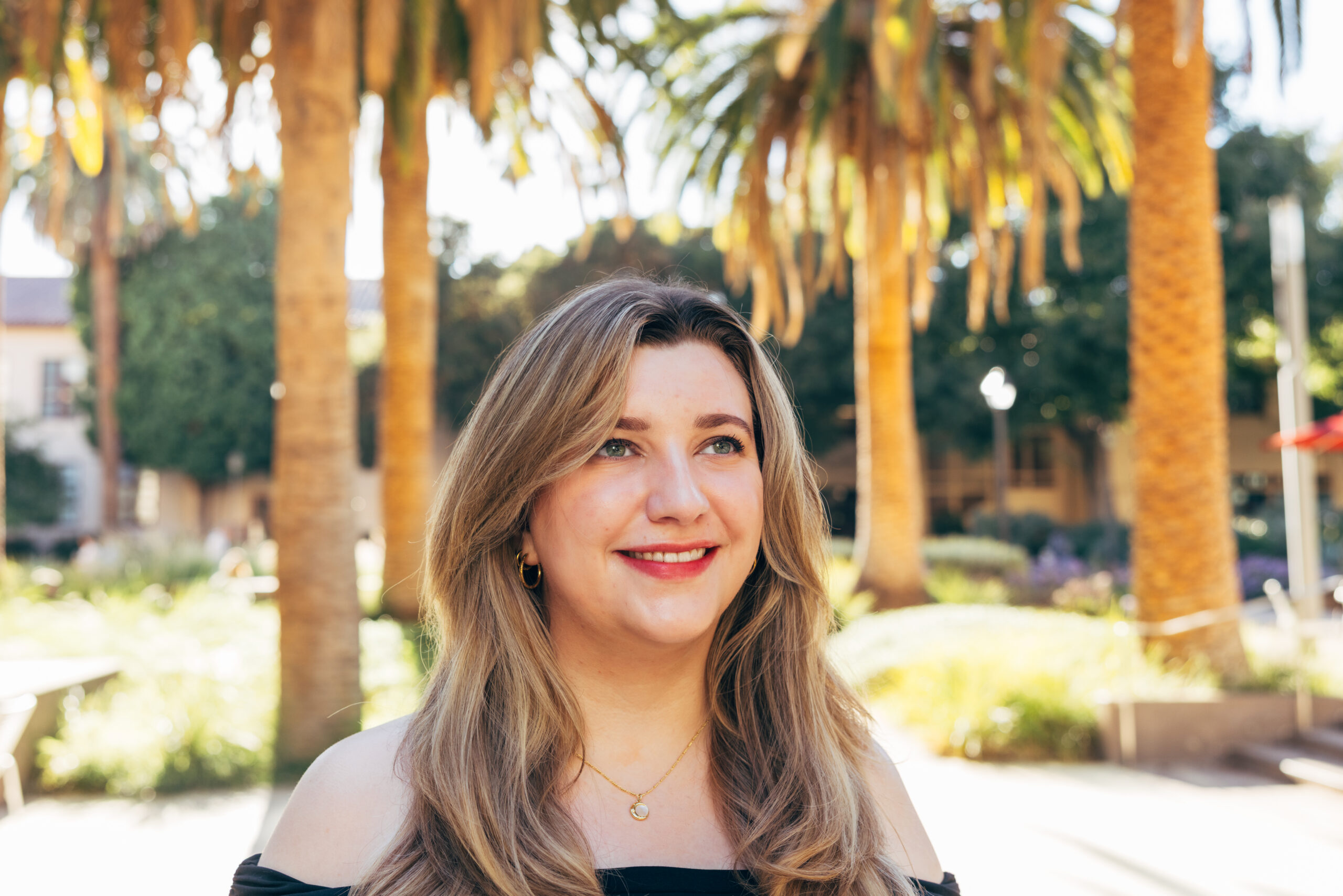
From endometriosis to long COVID: A pre-med student shines a light on lesser-studied conditions (opens the original)
For years, Sylvana Domokos ’27 suspected she had endometriosis—a condition where uterine tissue grows outside of the uterus, causing chronic pain and sometimes infertility. After multiple medical consultations, an excision surgery finally gave her “a new lease on life,” allowing her to hike and go to school events…
-
A mutated virus strain is jumpstarting a worrisome flu season (opens the original)
Despite concerns about the flu, early evidence suggests this year’s vaccine may still offer meaningful protection against the new strain.
-
UH Cancer Center expands cancer care statewide with $2.5M Helmsley grant (opens the original)
Funding advances Ka ʻUmeke Lama , establishing Hawaiʻi’s first in-state oncology fellowship. The post UH Cancer Center expands cancer care statewide with $2.5M Helmsley grant first appeared on University of Hawaiʻi System News.
-
Graduate School presents its highest honor to four accomplished alumni (opens the original)
The 2026 Wilbur Cross Medalists include a Nobel Prize-winning economist, an HIV researcher, an earthquake expert and a groundbreaking classicist.
-
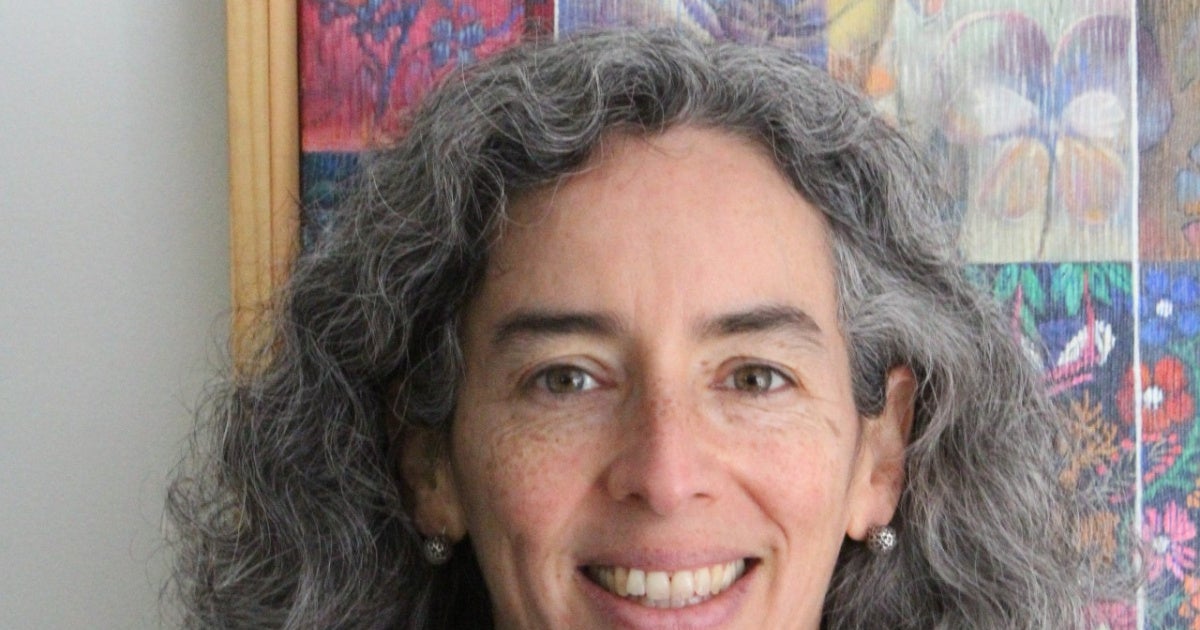
Mandel School’s Francisca Richter receives grant to explore potential long-term impact of sedative use in PICU (opens the original)
Hero Type Image Brianna Smith Thu, 10/22/2026 - 15:25 Awards Editorial Staff October 23, 2026 Francisca Richter, PhD, research associate professor at Jack, Joseph and Morton Mandel School of Applied Social…
-
How much autonomy do women actually have when giving birth?
You spend your pregnancy researching and planning for when your baby finally arrives. But how much autonomy do women have?
-
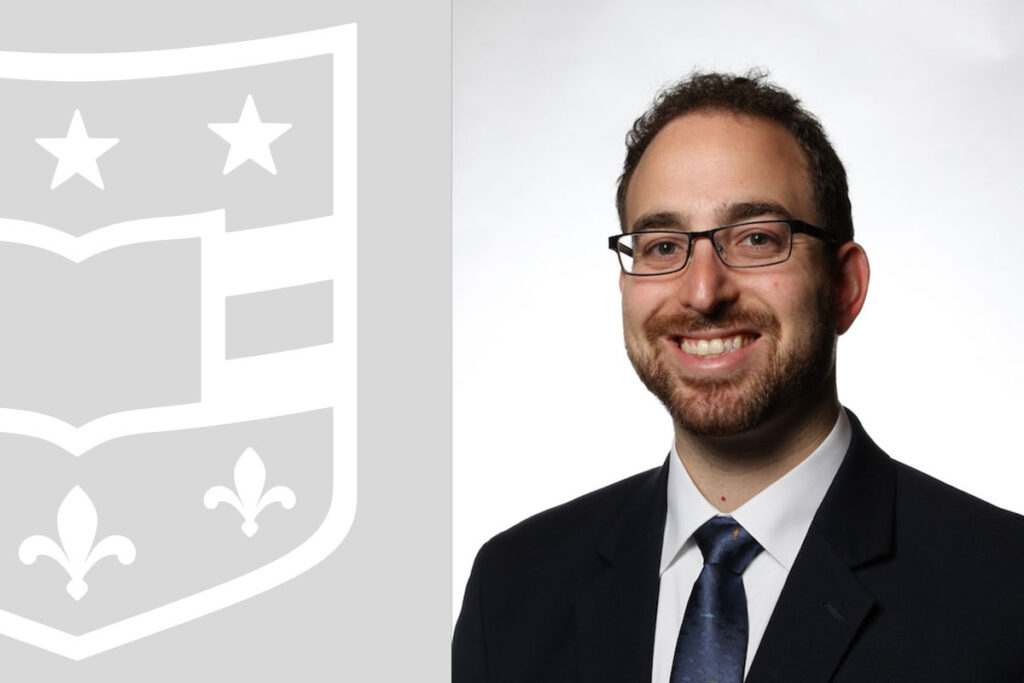
Stone awarded $3.7 million to study rare metabolic disorder (opens the original)
Stephen Stone, MD, an assistant professor of pediatrics at WashU Medicine, was awarded a $3.7 million grant from the National Institutes of Health (NIH) to study a genetic condition that causes the body to lose fat in different regions of the body. The disease causes severe insulin resistance, diabetes and high…
-
Harnessing a Virus to Fight Brain Cancer: RFU receives $2.5 Million NIH Award to Advance Experimental Glioblastoma Therapy (opens the original)
Helix 51’s UP Oncolytics’ experimental Zika virus-based therapy for glioblastoma is moving closer
-
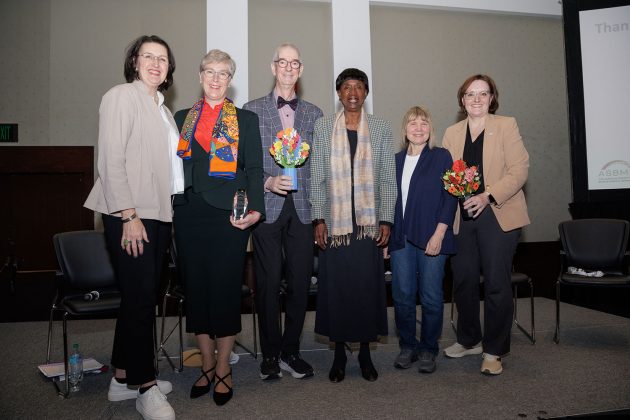
National Leadership Role for UConn Health’s Dr. Marja Hurley (opens the original)
Starting 1-year term as president of American Society for Bone and Mineral Research
-
Sudden Unexpected Death: USU Researchers Investigate Why the Heart Abruptly Quits Pumping (opens the original)
Uniformed Services University-led research found normal electrical signaling at death in more than half of recorded sudden deaths. Two clinicians in surgical scrubs and masks review a cutaway heart model with a thin device lead attached at a workstation in this file photo. A USU-led team analyzed postmortem…
-
Surviving cancer starts at diagnosis and continues after treatment – earlier survivorship care can help patients feel better and live longer
Cancer survivorship is often thought to begin after a patient receives their last treatment. But planning for life after cancer is critical to effective care.
-
Health progress in Africa leaves more people living with disabilities: rehabilitation is the next challenge
Health systems are saving lives, but they have not expanded rehabilitation services at the same pace.
-
Why are people afraid of Pap smears? (opens the original)
Although the Pap smear has long been an effective screening tool for cervical cancer, a growing number of women are opting to skip the test. In a Q&A, Yale gynecologic oncologist Blair McNamara makes a case for why they should reconsider.
-
Public health programs can ‘rewire’ social networks, Yale study finds (opens the original)
A maternal and child health education program implemented in rural villages in Honduras changed the communities’ social networks in ways that could be harmful or beneficial.
-
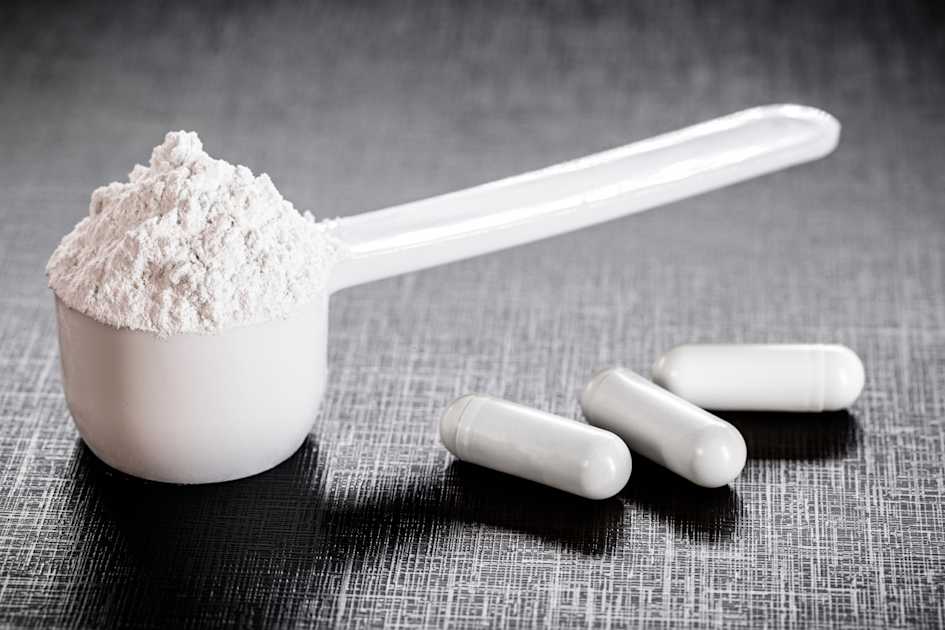
L-carnitine, found in red meat and exercise supplements, may amplify inflammation (opens the original)
In a new study, Yale researchers identified a previously unknown mechanism by which a nutrient abundant in red meat and commonly used in exercise supplements may amplify inflammation.
-
OMRF receives grant to study origins of infertility, congenital disorders (opens the original)
Scientist hopes to answer one of biology's oldest mysteries
-
Adult Literacy Center Grants Tackle Barriers in Health Care (opens the original)
Georgia State University’s Adult Literacy Research Center has awarded two-year, $25,000 grants to two projects aimed at improving health literacy for adults.
-
USF Health, Tampa General study finds colorectal cancer’s immune defenses may begin outside the cancer cell (opens the original)
Researchers from USF Health and Tampa General Hospital have identified a key mechanism that helps metastatic colorectal cancer evade immune defenses, a discovery that could improve future cancer treatments.
-
Quadram Institute and Norfolk Primary Care launch new partnership to drive health research across Norfolk and Waveney (opens the original)
Both organisations value the involvement of people and communities in designing and participating in research studies that test health innovations. The two organisations have now signed an agreement to work together with a goal of translating scientific advances into real-world impact through collaborative primary…








Read: The Conversation, CORDIS, ESO, NASA, ScienceDaily and the newsroom feeds of 751 institutions. Last read: today. Each story's date is its publisher's. Where the news comes from, and what each source allows.