Science news
Recent stories from university newsrooms, The Conversation, CORDIS, observatories and ScienceDaily, each sorted into the fields, countries and institutions it is about, and each linked to the original publisher. Narrow them below by subject, country, institution, source, words or period. A signed-in reader can follow any filtered view and be told when a new story matches it.
1,736 stories match these filters.
-
Scientists aim to give lung cells a memory of how to fight viruses
Researchers are working on an off-the-shelf vaccine that trains natural killer cells to guard the nose and lungs against flu, COVID and RSV.
-
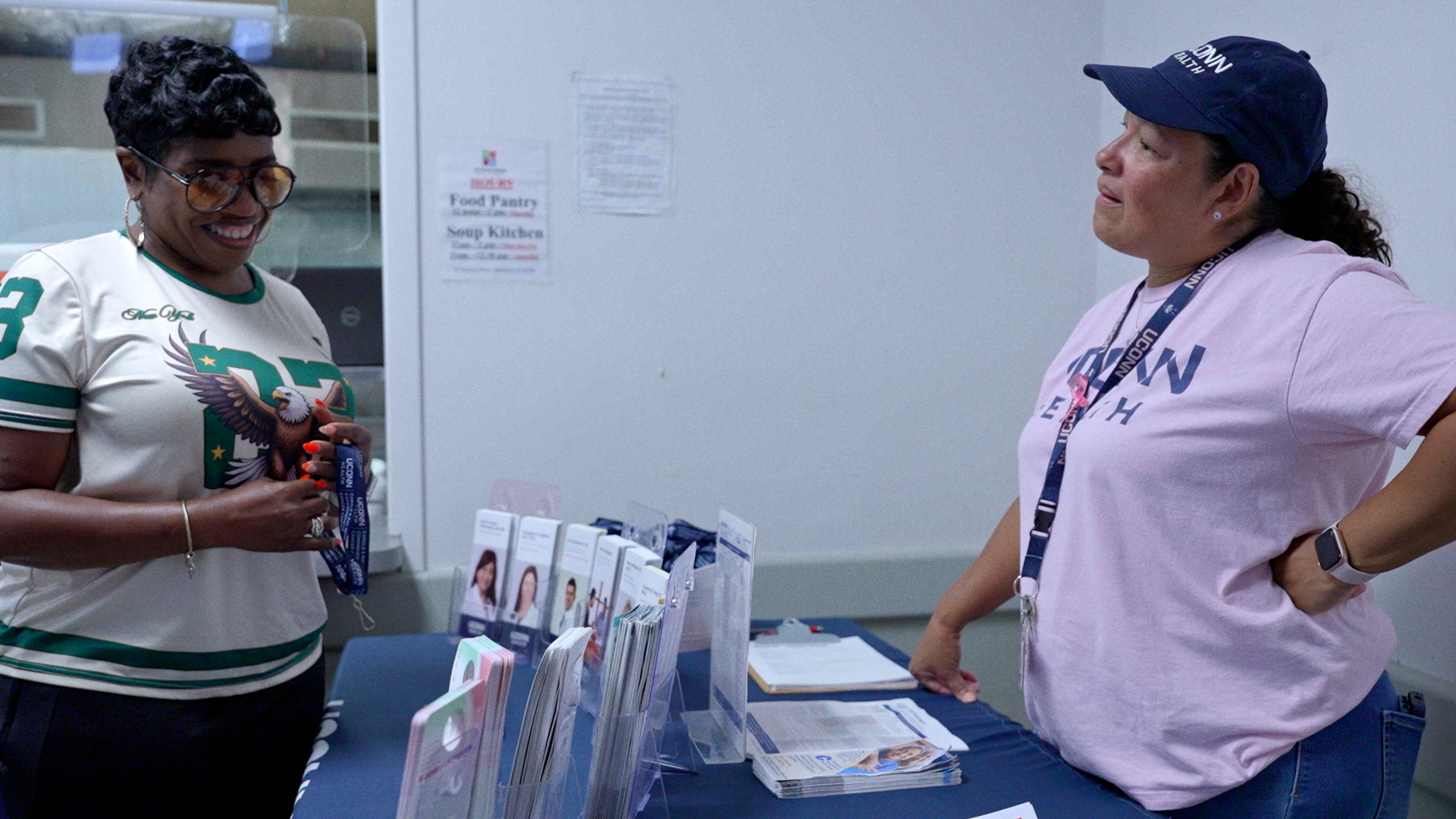
UConn Health Minute: Connecting Cancer Care (opens the original)
Cancer care begins with connection. In this UConn Health Minute, we meet community health worker Rosa Agosto who through community outreach and trusted relationships, is helping people access screenings and care that can make a life-changing difference.
-
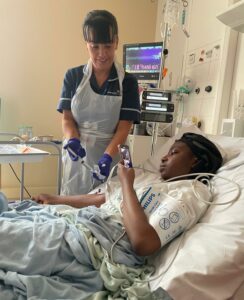
First patient in the UK to receive gene-editing therapy for sickle cell completes treatment (opens the original)
A 15-year-old girl, who was the first in the UK to undergo Casgevy treatment for her life debilitating sickle cell disease, rings the bell to mark the end of her treatment at Royal Manchester Children’s Hospital (RMCH). Aisha, from Cheadle, has had sickle cell disease since she was born and suffered regular, severe…
-
Early blood vessel damage could hold clues to dementia (opens the original)
Research led by Dr Audrey Chagnot, Dr Daniela Jaime Garcia, Dr Conor McQuaid and Dr
-
At The Beach, a new generation of nurses speaks their patients’ languages (opens the original)
Nursing students at The Beach grew up translating for their families. Now, with School of Nursing support, they bring those languages to the bedside.
-
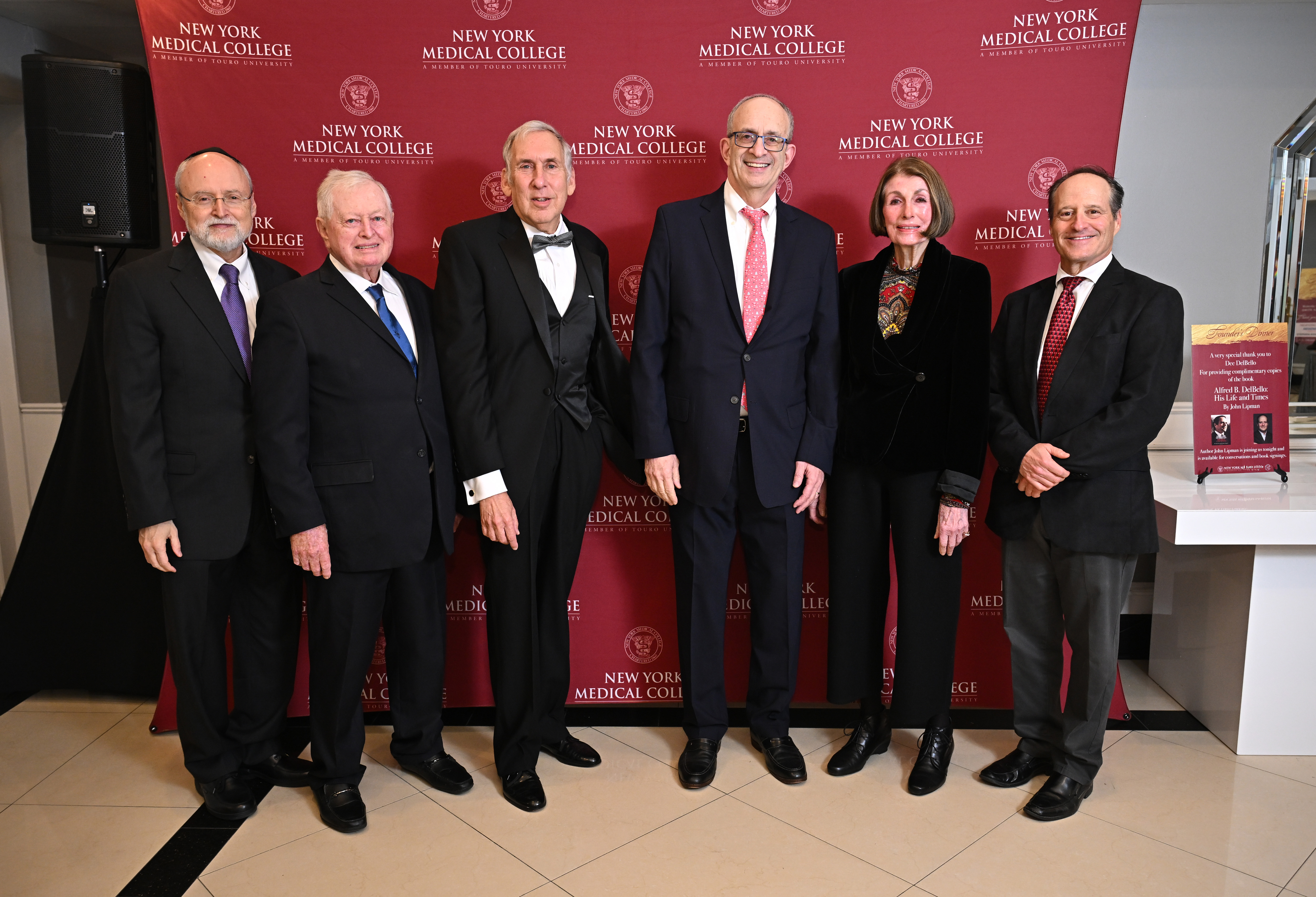
Founder's Dinner Recognizes Distinguished Honorees and Furthers the Future of Health Care Innovation (opens the original)
College Honors John J. Connolly, Ed.D., and Zvi Lefkovitz, M.D., and Pays Lasting Tribute to the Late Alfred B. DelBello
-
AI breast cancer survival model from Cancer Center could improve accuracy and personalize care (opens the original)
UC Cancer Center researchers, including lead author Wedad Alatebi, developed a deep learning survival model for breast cancer that combines detailed clinical and genetic information, potentially offering physicians a more accurate tool to guide treatment decisions.
-
Helping critically ill patients get the nutrition they need (opens the original)
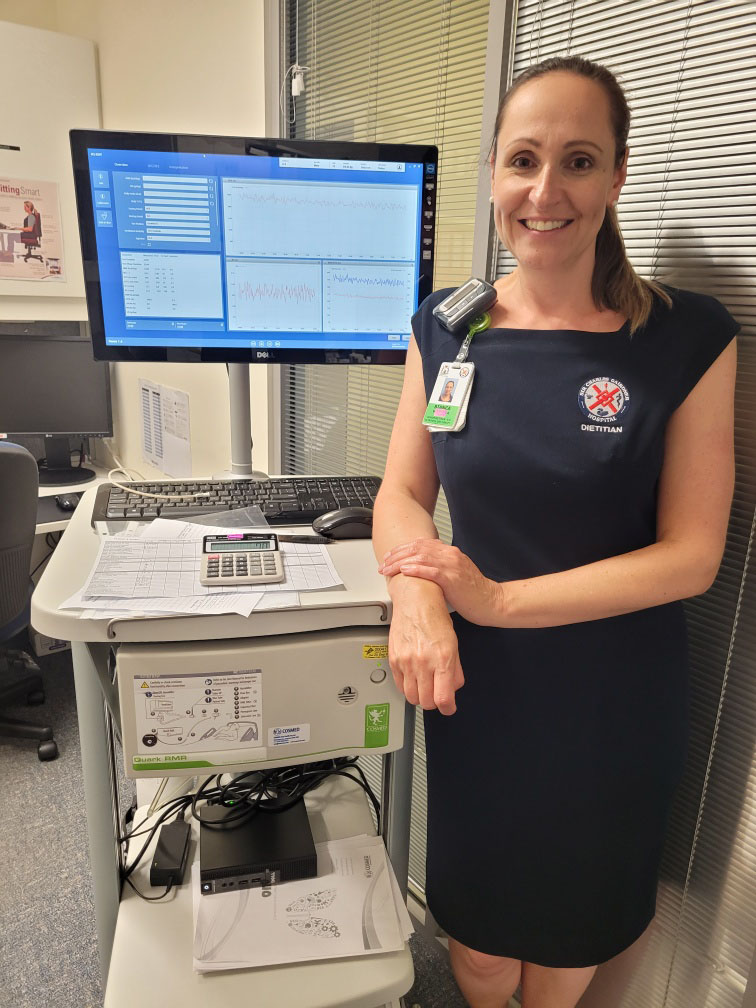
Sir Charles Gairdner Osborne Park Health Care Group Senior Critical Care Dietitian Bianca Mammana has recently undertaken a research project to help critically unwell patients in the Intensive Care Unit (ICU) get the nutrition they need. The project has led the implementation of indirect calorimetry devices being…
-
Who Decides What is Fair in Health Care? (opens the original)
New Canada Research Chair at Trent University Dr. Manisha Pahwa explores the values and voices shaping health policy in an increasingly diverse Canada
-
Celebrate cancer survivors and inspire action at 'The Cure Starts with Us' Power Luncheon Nov. 12 (opens the original)
The 16th annual luncheon will bring together community members, educators and advocates to celebrate cancer survivors, learn more about cancer research and
-
New Parkinson’s drug candidate has roots in a Rockefeller lab (opens the original)
Data released from a successful phase 3 trial validate an approach that Rockefeller’s Nathaniel Heintz has pioneered for decades—and could pave the way for a new generation of neurological drugs.
-
Aquablation: A New Treatment for an Enlarged Prostate (opens the original)
A surgical procedure called aquablation can treat an enlarged prostate, helping to ease symptoms like frequent urination.
-
A fearless path from exploration to community care (opens the original)
After exploring several majors, Zharia Hasan Bey found her purpose in public health. Through peer education, street medicine research, and mental health advocacy, she is discovering where a public health degree can take her.
-
Who looks after the family caregiver? Minna Tiainen’s doctoral research seeks answers in Finland and across Europe (opens the original)
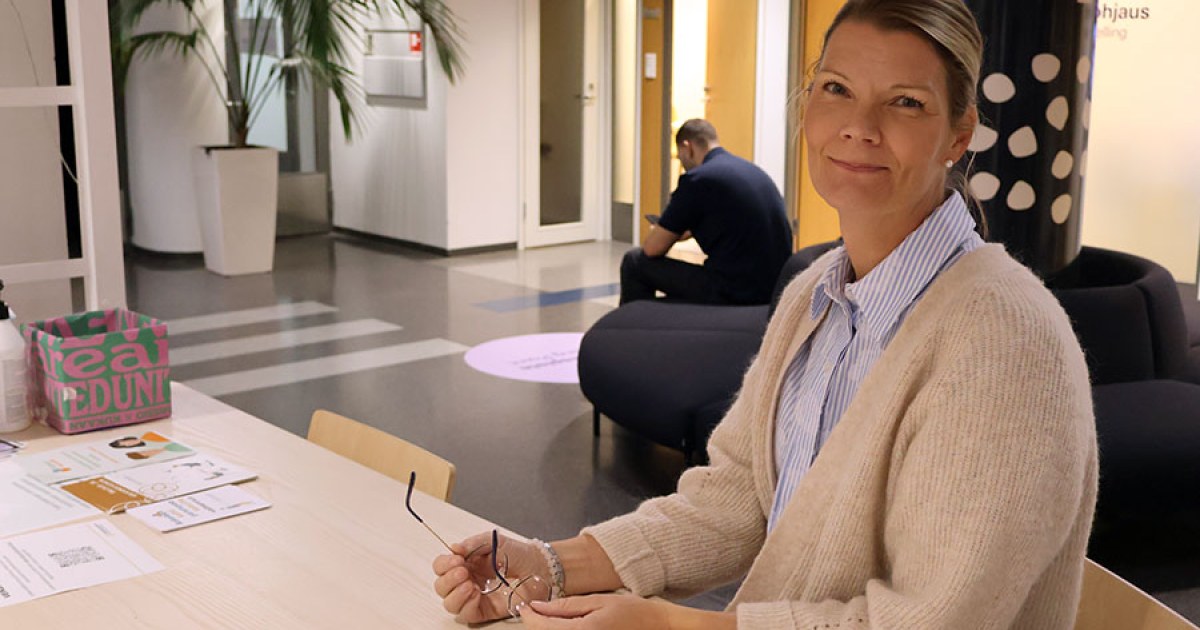
Family caregivers play a major role in the welfare society. In Finland, however, there is a considerable gap between care provided at home and public services, and family caregivers do not receive sufficient support. Senior Lecturer Minna Tiainen is exploring both the experiences of family caregivers as well as…
-
AMS KKU Advances NGAL Test Strip Innovation to Expand Screening Options for Acute Kidney Injury (opens the original)
Early detection of kidney abnormalities is essential for supporting patient assessment and treatment planning. The Faculty of Associated Medical Sciences, Khon Kaen University (AMS KKU), continues to advance medical research and innovation to expand diagnostic screening options. Dr.Paweena Tunakhun, a lecturer in the…
-
Emma Cline is known for her troubled young women. In Switzy, she inhabits a man with dementia
Switzy is an impressive, surprising novel that tackles a big topic: assisted dying, and how we might meet our own cognitive decline.







Read: The Conversation, CORDIS, ESO, NASA, ScienceDaily and the newsroom feeds of 751 institutions. Last read: today. Each story's date is its publisher's. Where the news comes from, and what each source allows.