Science news
Recent stories from university newsrooms, The Conversation, CORDIS, observatories and ScienceDaily, each sorted into the fields, countries and institutions it is about, and each linked to the original publisher. Narrow them below by subject, country, institution, source, words or period. A signed-in reader can follow any filtered view and be told when a new story matches it.
2,857 stories match these filters.
-
NASA, Partners Accelerate Lander Development for 2028 Moon Missions (opens the original)
As NASA returns humans to the lunar surface and establishes a long-term presence on our closest celestial neighbor, the agency and commercial human landing system providers Blue Origin and SpaceX have streamlined the designs and changed both concepts of operations for its future crewed landers. Since NASA established initial contracts with Blue Origin and SpaceX
-
NASA’s Artemis III Mission to Test Future Moon Lander Operations (opens the original)
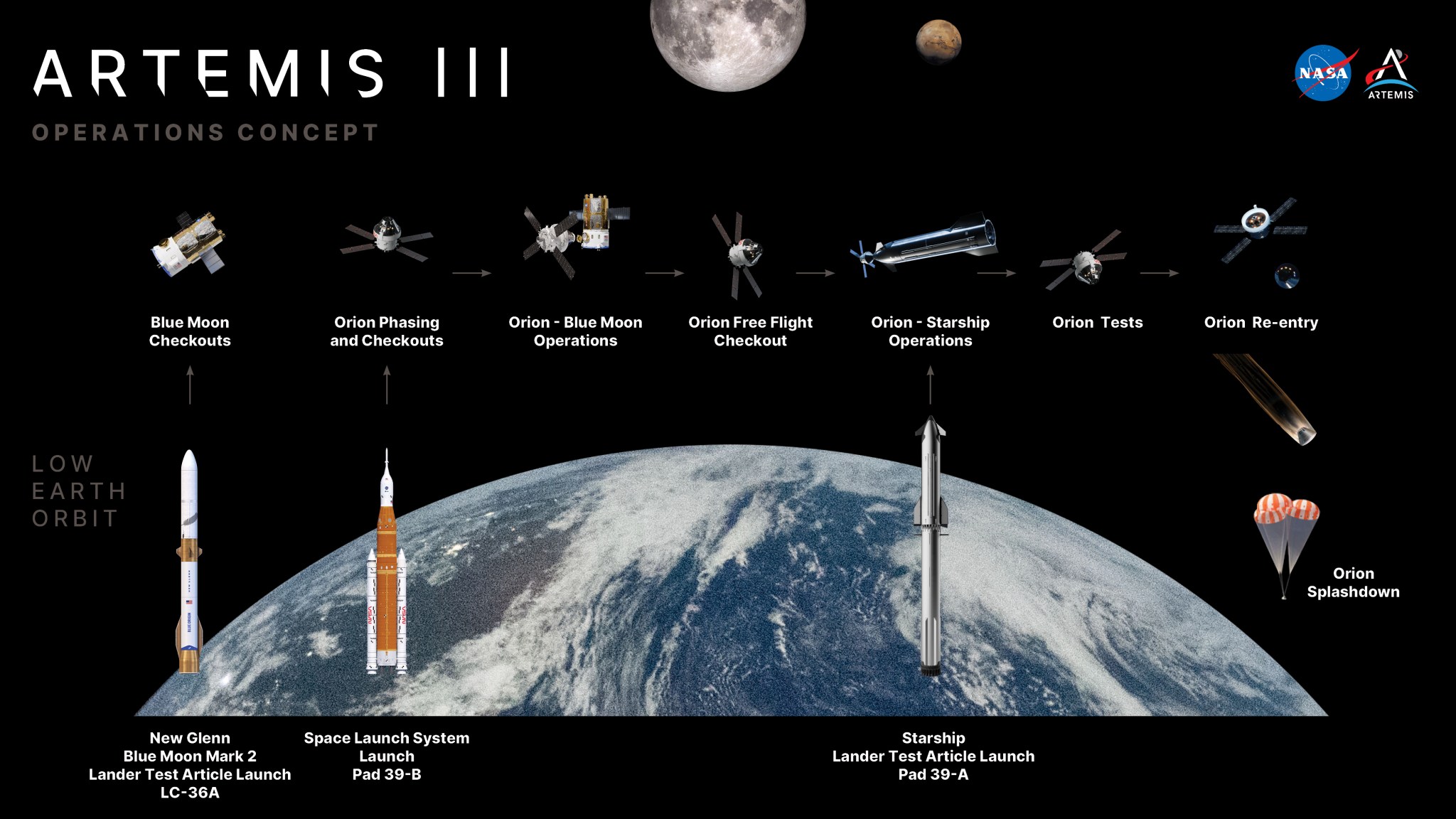
Before astronauts return to the lunar surface, NASA will first conduct one of the most ambitious and complex test missions in the agency’s history. Launching in 2027, Artemis III will send NASA astronauts Randy Bresnik, Frank Rubio, Andre Douglas, and ESA (European Space Agency) astronaut Luca Parmitano aboard the Orion spacecraft into low Earth orbit
-
NASA’s Swift Mission Ends, Leaves Behind Scientific Bonanza (opens the original)
NASA’s Neil Gehrels Swift Observatory has ended its science mission now that the spacecraft is orbiting less than 171 miles (275 kilometers) above Earth’s surface. The greater atmospheric drag at this height prevents the satellite’s telescopes from steadily gazing at their astronomical targets. Swift conducted its final observation on Oct. 20. It is expected to
-
Media Alert: Low-level Flights to Image Geology over Western Idaho (opens the original)
RESTON, Va. – The U.S. Geological Survey plans low-level helicopter flights over western Idaho in October and early November to image geology using airborne geophysical technology.
-
How are medical residents using AI? (opens the original)
A new study evaluated the use of artificial intelligence in more than 15,000 family medicine residency trainees across the U.S. and found that 71% of residents used AI for work.
-
Unlocking climate solutions through carbon markets (opens the original)
As countries design carbon markets that could cut billions of tons of emissions, Yale economists are working to make sure they deliver on their potential.
-
Researchers reveal secrets of mysterious magnetic material (opens the original)
A team of Yale researchers has figured out what gives a magnetic material its mysterious properties, a discovery that could help boost computing memory and the field of “spintronics.”
-
Watson Lecture: Katie Bouman Discusses Imaging the Invisible (opens the original)
How can we extend the limits of observation to "see" the seemingly invisible? On Wednesday, November 4, 2026, Katie Bouman, professor of computing and mathematical sciences, electrical engineering and astronomy; Rosenberg Scholar; and a Heritage Medical Research Institute Investigator, will share how her lab combines…
-
Hundreds of students join Discover Yale Library; Emma Holter ’30 wins private study room (opens the original)
Earlier this fall, students who visited at least eight of Yale’s libraries to have their “passports” stamped were entered to win a key to an individual study room in Bass Library. The prize went to Silliman College first-year Emma Holter.
-
RS-25 Engine Tests at NASA Stennis (opens the original)
Teams at NASA’s Stennis Space Center near Bay St. Louis, Mississippi tested RS-25 engine No. 10001 on Oct. 21, 2026. The hot fire test lasted for almost eight-and-a-half minutes (500 seconds), the same amount of time RS-25 engines fire during launch of NASA’s SLS (Space Launch System) rocket, with a 111% power level. For each
-
Raskin named Goizueta Foundation Professor of Chemical and Environmental Engineering (opens the original)
Lutgarde Raskin, a scientist who is globally recognized for introducing tools of molecular biology to the field of environmental engineering, joined the Yale faculty in 2026.
-
Mystery solved: Researchers discover why zinc-ion batteries experience ‘capacity fade’ (opens the original)
With power demands growing across the world, researchers are searching for ways to efficiently and effectively store energy generated by renewable sources, such as wind and solar. Zinc-ion batteries are considered one of the most promising alternatives for renewable energy storage. Unlike commonly used lithium-ion…
-
Kettering Students' Published Research Identifies Gaps in Autonomous Vehicle Testing (opens the original)
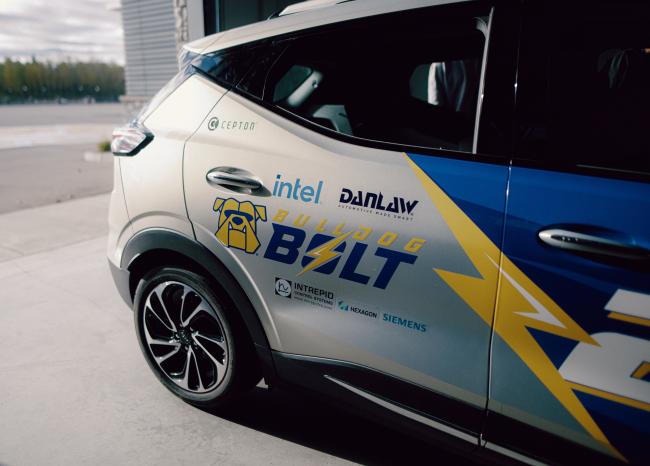
Alumni Mobility Research Center lmadaus Fri, 10/23/2026 - 14:26 Research that began during Kettering University's participation in the SAE AutoDrive Challenge has been published in the peer-reviewed journal AI & Society and featured…
-
NASA, Virginia Launch Power Partnership for Energy Security (opens the original)
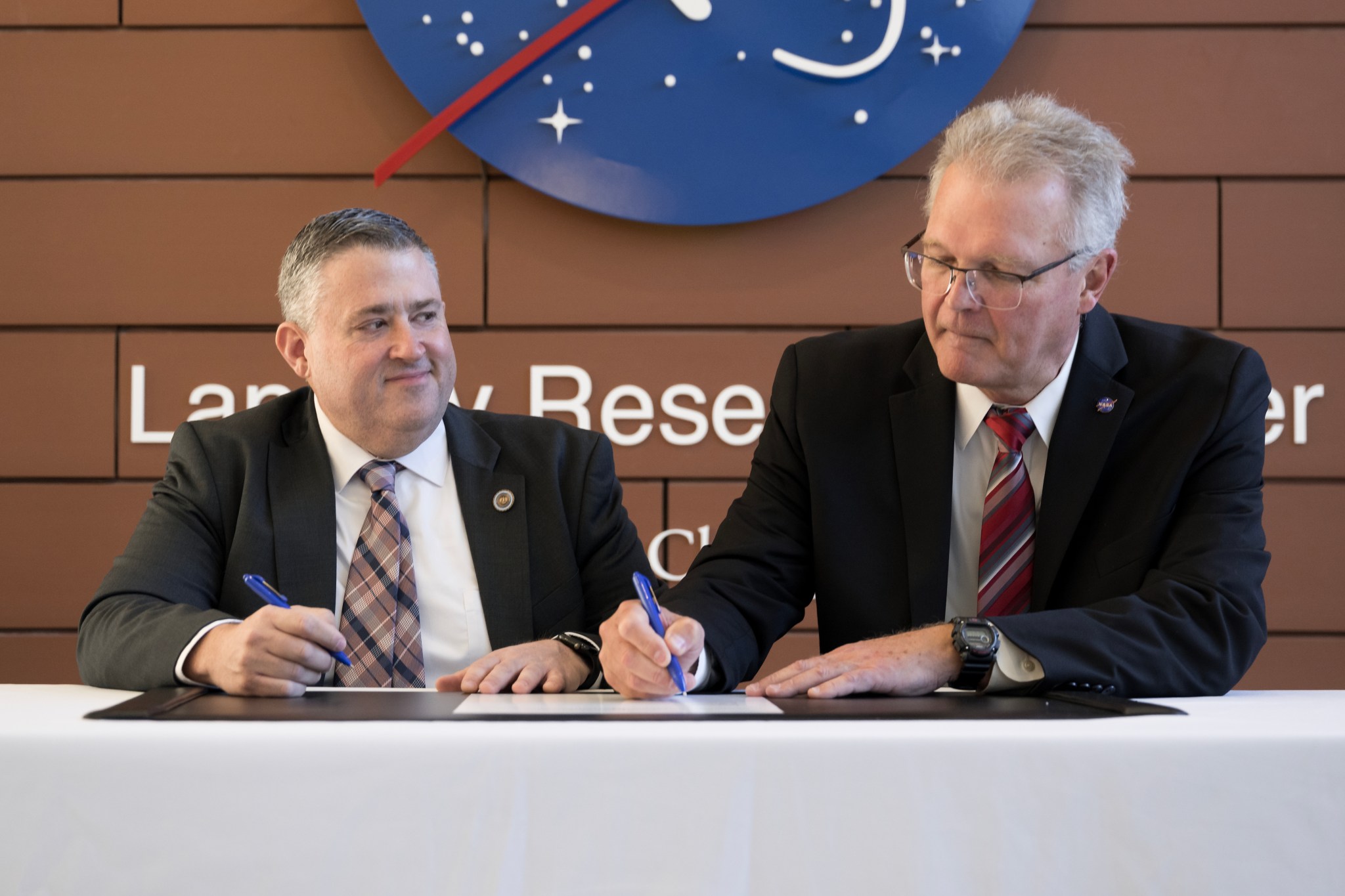
NASA is helping to foster long-term energy security in Virginia. NASA’s Langley Research Center in Hampton, Virginia, is partnering with the Virginia Department of Energy to support informed decisions for effective energy generation, delivery and use by providing solar, meteorological, and future weather risk datasets for energy system modeling and planning purposes. Under a new
-
PHP is in the foundation of 70% of websites – here’s what it is and why a flaw in the software is a major hacking threat
A cybersecurity researcher explains how a flaw in widespread software makes millions of websites vulnerable to hackers – and underscores the role of AI in attacking and defending the internet.
-
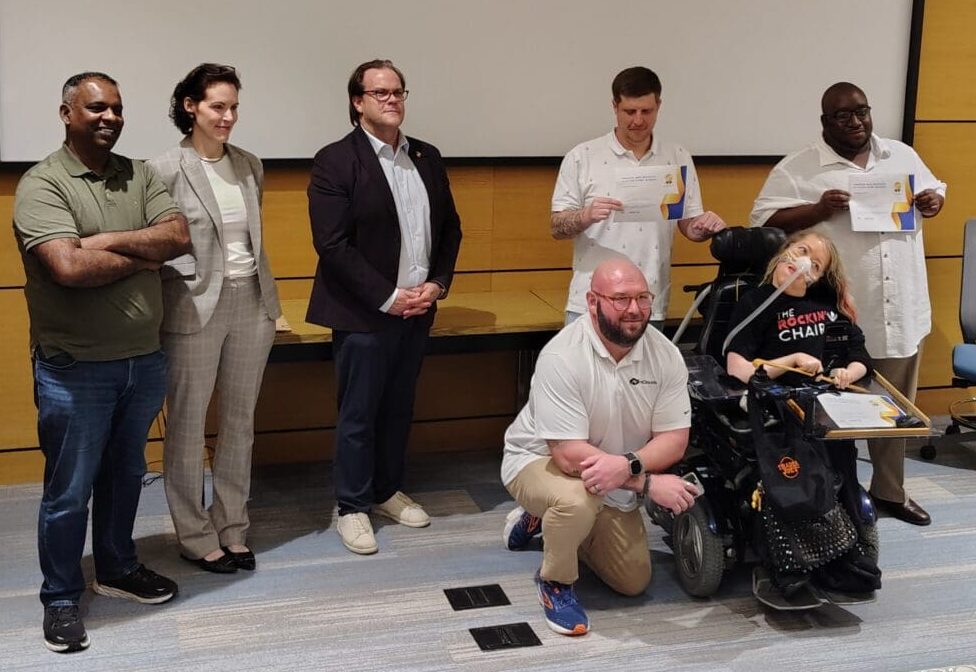
UA Little Rock Hosts AI Pitch Competition (opens the original)
Kelvin Bell took top honors at the University of Arkansas at Little Rock’s second annual Amazon Web Services (AWS) AI Pitch Competition with his idea for an artificial intelligence (AI) agent that helps restaurants manage phone calls and other service tasks. “There’s a need for this (service), because it solves the…
-
How kites can harness the power of the tides (opens the original)
Berkeley engineer Evan Variano explains how underwater kites could expand the world’s renewable energy portfolio.
-
Greener maternity care starts with changing hospitals, without putting pressure on pregnant women
Birth involves emissions from travel, pain relief and disposable products, but system-level changes can reduce them without restricting choice.
-
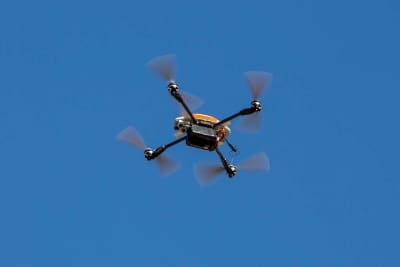
FIU engineers develop stealthy low-cost tech to detect drones (opens the original)
FIU researchers have discovered that drones can be identified by an unavoidable byproduct of flight: the extremely low frequency magnetic fields generated by their spinning electric motors.
-
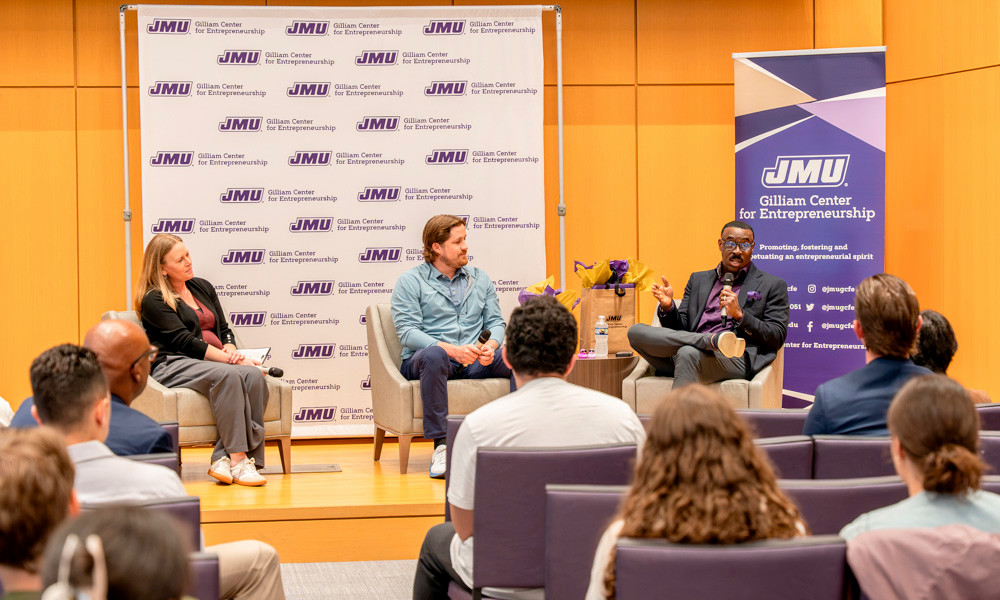
Why your network is your net worth (opens the original)
Darrel Branch (’91) talks networking, AI, intrapreneurship and marketing in a Fireside Chat.



Read: The Conversation, CORDIS, ESO, NASA, ScienceDaily and the newsroom feeds of 739 institutions. Last read: today. Each story's date is its publisher's. Where the news comes from, and what each source allows.