Science news
Recent stories from university newsrooms, The Conversation, CORDIS, observatories and ScienceDaily, each sorted into the fields, countries and institutions it is about, and each linked to the original publisher. Narrow them below by subject, country, institution, source, words or period. A signed-in reader can follow any filtered view and be told when a new story matches it.
683 stories match these filters.
-
Rosa-Molinar receives dual honors from scientific societies (opens the original)
Eduardo Rosa-Molinar, a professor of cell biology and physiology and of neuroscience at WashU Medicine, was recognized by the American Society for Cell Biology and the Histochemical Society for exceptional research and mentorship in imaging science.
-
How El Niño could push up your mortgage and grocery bills
A Pacific climate event has far reaching effects.
-
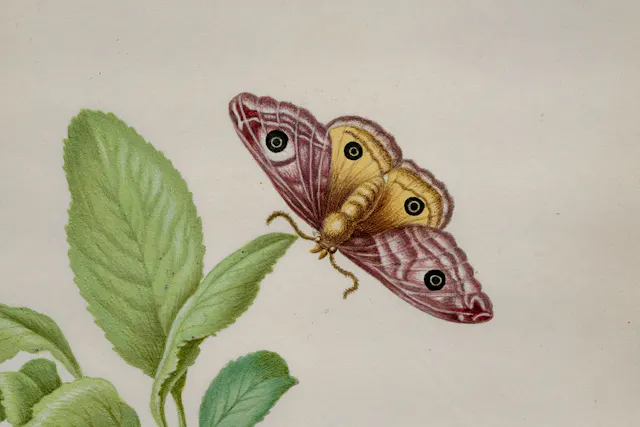
Moths in art history: centuries of creativity reveal the beauty of a misunderstood insect
Moths are much less weird and way more wonderful than most people think.
- The Open University
- United Kingdom
- Agricultural and Biological Sciences
- Entomological Studies and Ecology
Picture: Smarthistory/flickr, CC BY
-
New gene-editing approach shows promise in treating Huntington's disease in mice (opens the original)
A team of researchers led by Prof Vincent Dion (UK DRI at Cardiff) has developed
-
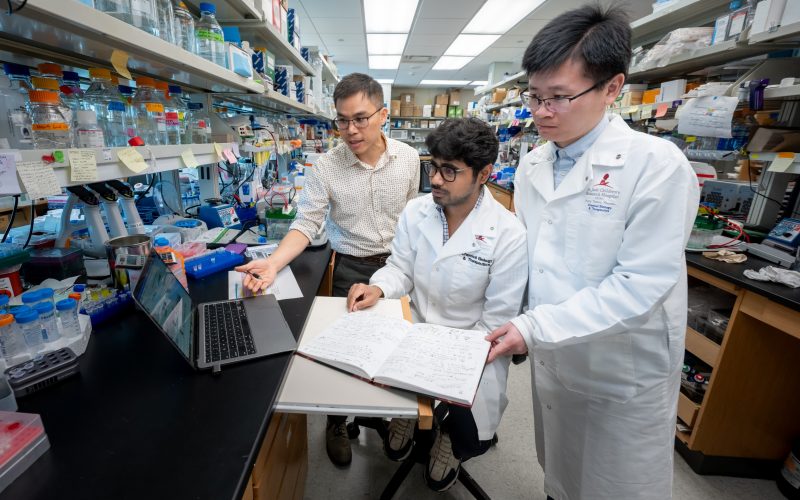
Mechanism behind PARP1-mediated DNA repair characterized for first time (opens the original)
Learn how researchers at St. Jude, led by Hai Dao, PhD, discovered the mechanisms behind PARP1-mediated DNA repair.
-
Cybersicurezza, il progetto CYBER4CA fa tappa alla Scuola Superiore Sant'Anna (opens the original)
Cybersecurity: the CYBER4CA Project Comes to the Sant’Anna School of Advanced Studies m.nardini Fri, 10/23/2026 - 13:06 From 26 to 28 October, the Sant’Anna School of Advanced Studies hosts an important meeting within the framework of the Erasmus+ Cyber4CA project (Development of Innovative Graduate Educational…
-
How autumn changes animal sexual behaviour – including that of humans
Some animals change sex altogether in the autumn.
-
Four ways to help your body adjust to the autumn time change
Changing the time on a clock does not instantly reset our body’s internal system. But these strategies can help.
-
Ancient human DNA reveals hidden connections across Ice Age Europe (opens the original)
New genomic data show long-distance population contacts alongside thousands of years of regional continuity
-
Emma Cline is known for her troubled young women. In Switzy, she inhabits a man with dementia
Switzy is an impressive, surprising novel that tackles a big topic: assisted dying, and how we might meet our own cognitive decline.
-
UL MF to Establish Comprehensive Genomics Research Infrastructure (opens the original)
The University of Ljubljana Faculty of Medicine (UL MF) will establish a comprehensive national research infrastructure for genomics, supporting the advancement of functional genomics and personalised medicine, as well as more effective diagnosis and treatment of complex diseases, including cancer and rare diseases.
-
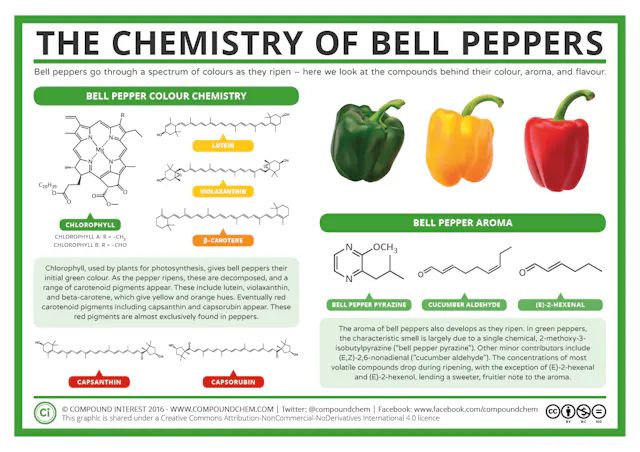
What’s the difference between green, yellow and red capsicums? It’s more than what you see
The difference between the colours isn’t just superficial – it affects nutrition, flavour, and more.
Picture: Compound Interest, CC BY-NC-ND
-
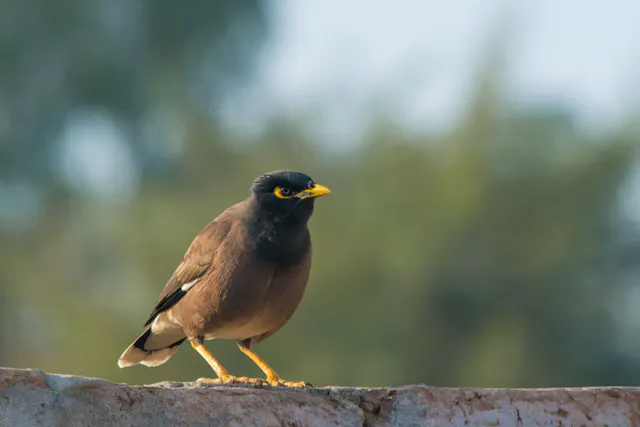
From ‘gentle’ and ‘graceful’ to the ‘cane toad of the sky’: how Australia turned on the common myna
Australians now loathe the common myna. But the bird was introduced for a reason – and was often liked and admired for most of its 164 years here.
-
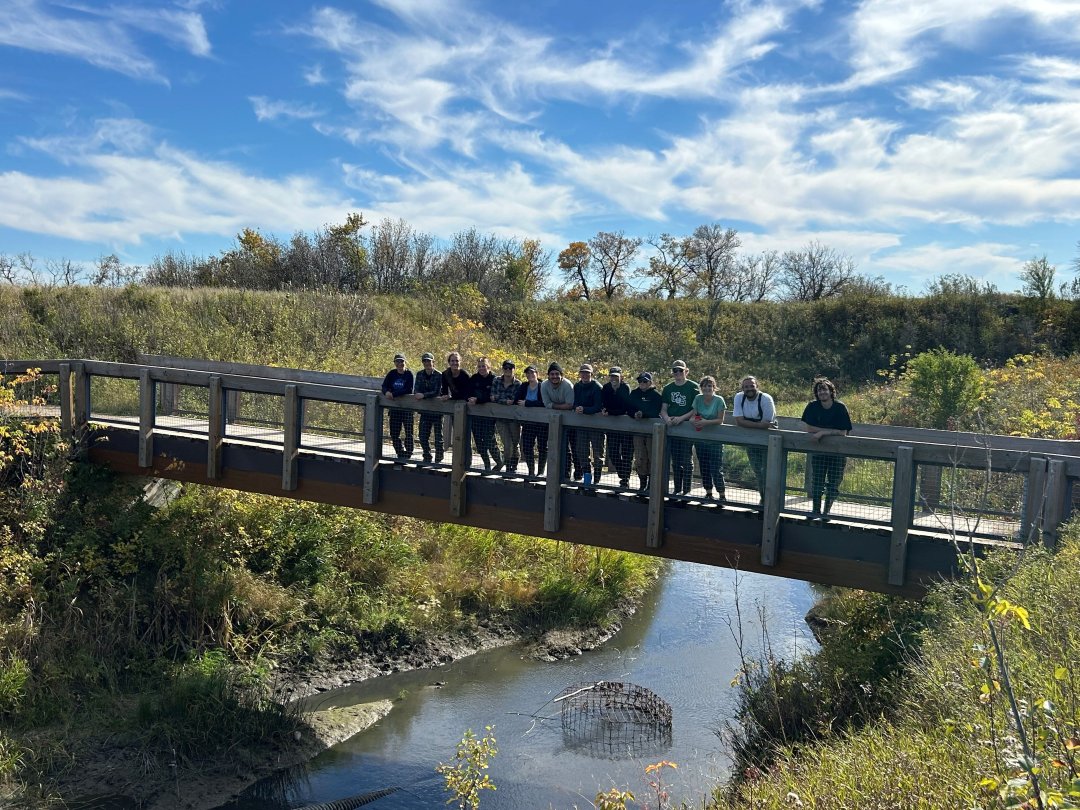
USask soil science class partners with Wanuskewin on restoration project (opens the original)
Students built a beaver dam analog in the opimihāw Creek to assist with controlled flooding, which can help remove invasive species
-
Making small changes to roadsides can help pollinators
Less frequent mowing and pesticide use can create environments that are more welcoming for pollinators like bees and butterflies.
-
Surviving cancer starts at diagnosis and continues after treatment – earlier survivorship care can help patients feel better and live longer
Cancer survivorship is often thought to begin after a patient receives their last treatment. But planning for life after cancer is critical to effective care.
-
CMU Researchers Find Gut Bacteria Signal When to Absorb Nutrients (opens the original)
A study led by Zheng Kuang, Eberly Family Associate Professor in the Department of Biological Sciences, showed that gut bacteria can detect when people eat and send signals that help intestinal cells absorb nutrients at the right time of day. The findings reveal a previously unknown link between the microbiome…
-
Summer Drought May Increase Human-Bear Interactions (opens the original)
By mapping where human-bear interactions are most likely to occur under normal and drought conditions in Maryland, National CASC research can help wildlife managers support coexistence.
-
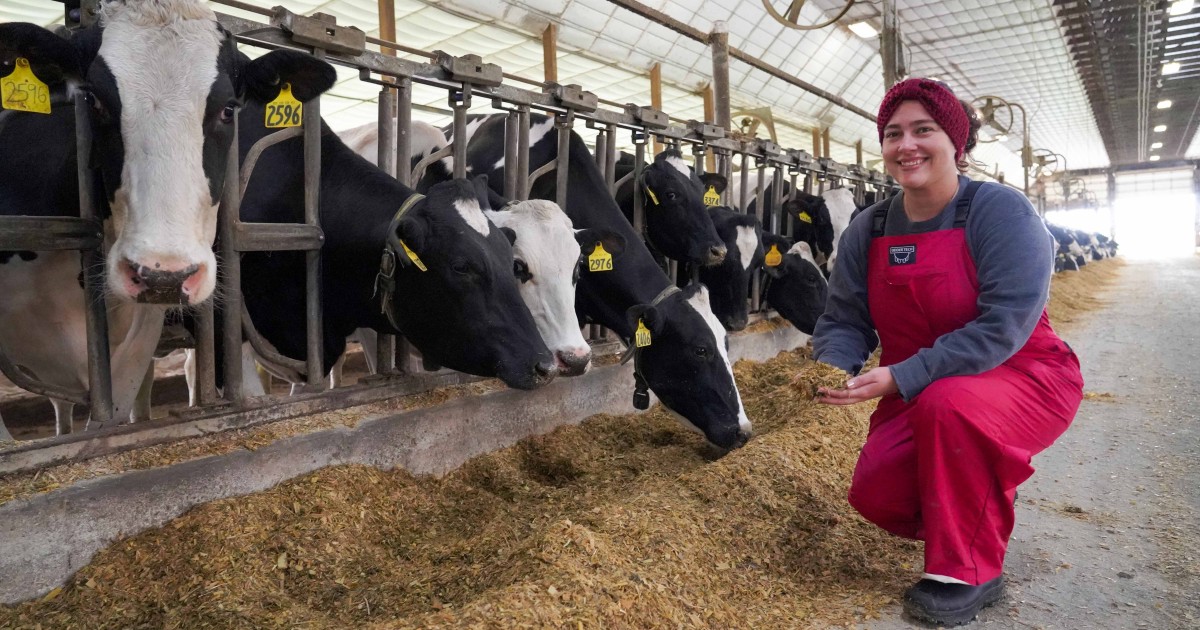
The right nutrition can boost dairy cow productivity, farm sustainability (opens the original)
Ananda Portela Fontoura PhD’22 is a postdoctoral associate working in the lab of Michael Van Amburgh , professor of dairy nutrition. Ananda’s research focuses on maintaining or enhancing dairy cow performance through optimizing nutrient use





Read: The Conversation, CORDIS, ESO, NASA, ScienceDaily and the newsroom feeds of 751 institutions. Last read: today. Each story's date is its publisher's. Where the news comes from, and what each source allows.