Science news
Recent stories from university newsrooms, The Conversation, CORDIS, observatories and ScienceDaily, each sorted into the fields, countries and institutions it is about, and each linked to the original publisher. Narrow them below by subject, country, institution, source, words or period. A signed-in reader can follow any filtered view and be told when a new story matches it.
2,355 stories match these filters.
-
New York Ranks Second Nationally in Quantum Technology, with Stony Brook at the Center of Statewide Investment (opens the original)
New York ranks second in the nation in quantum-related businesses, research groups and patents, according to a new study announced by Governor Kathy Hochul. The post New York Ranks Second Nationally in Quantum Technology, with Stony Brook at the Center of Statewide Investment first appeared on SBU News.
-
SRI takes part in Stanford Research Park 75th Anniversary (opens the original)
SRI - A global leader in R&D with deep roots in Silicon Valley. SRI joins companies, researchers, and community members to think about the past and the future.
-
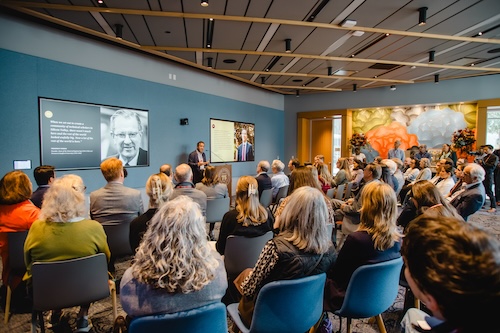
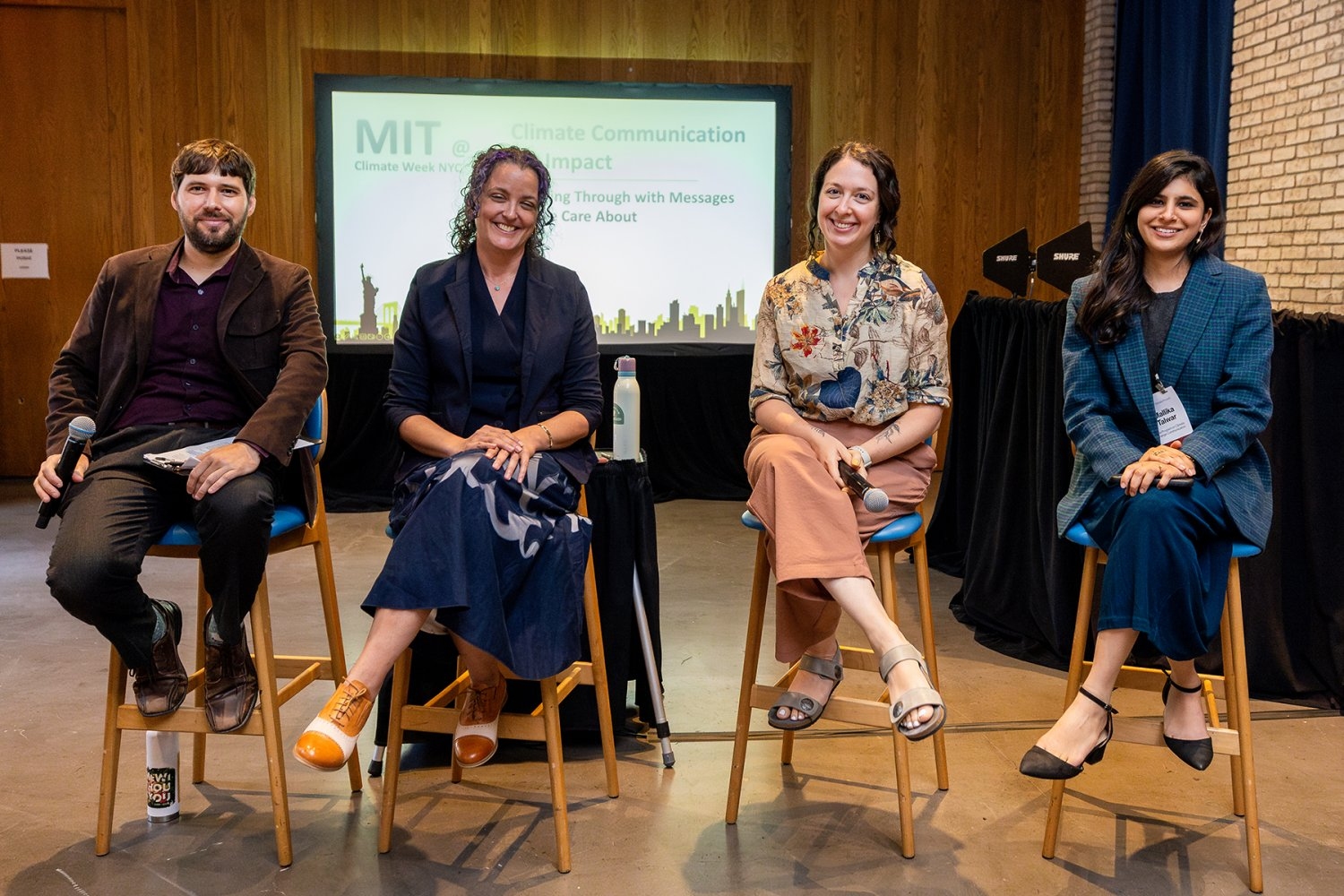
At New York Climate Week 2026, MIT connects with a global network (opens the original)
A cross-section of the MIT community convened discussions on topics ranging from data centers and super pollutants to agriculture and education.
-
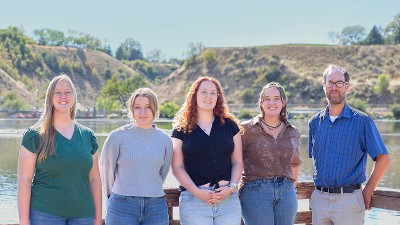
Learning from the river: McMaster students immerse themselves in new land-based course (opens the original)
A new land-based course is making waves, as students took to the water to learn about river health through a Six Nations-led, Haudenosaunee framework. The course, titled Ogwahwejahsnye’ (We look after or take care of the earth), teaches students a deeper understanding of river health. And rather than learning in…
-
Map of Life: More progress needed to safeguard global biodiversity, new report finds (opens the original)
A new report on the state of global species protection from the Yale Center for Biodiversity and Global Change shows mixed results in conservations efforts aimed at protecting land and waters for biodiversity.
-
USU Research Helps Reduce Risk of Catastrophic Lake Powell, Lake Mead Levels (opens the original)
As reservoir levels across the Western U.S. reach historic lows, the U.S. Bureau of Reclamation concluded a multi-year effort to develop new operations for Lake Powell and Lake Mead. As part of that multi-year effort, Reclamation requested public input. In response, Utah State University researchers and students…
-
Calling species ‘invasive’ – and culling them – isn’t done lightly. But it matters to Australia’s threatened species
Invasive species only want to live. But their success can come at great cost to native species. If we treat them the same, native animals lose.
-
Speed camera alerts on navigation apps may be training drivers to speed
New research shows police alerts may teach drivers it’s ‘safe’ to speed when their navigation app is silent.
-
There are risks when children use AI chatbots. Does Australia’s new ‘digital duty of care’ address them?
Children and teens can become vulnerable when repeatedly chatting to artificial intelligence. Australia’s existing safety measures don’t address this.
-
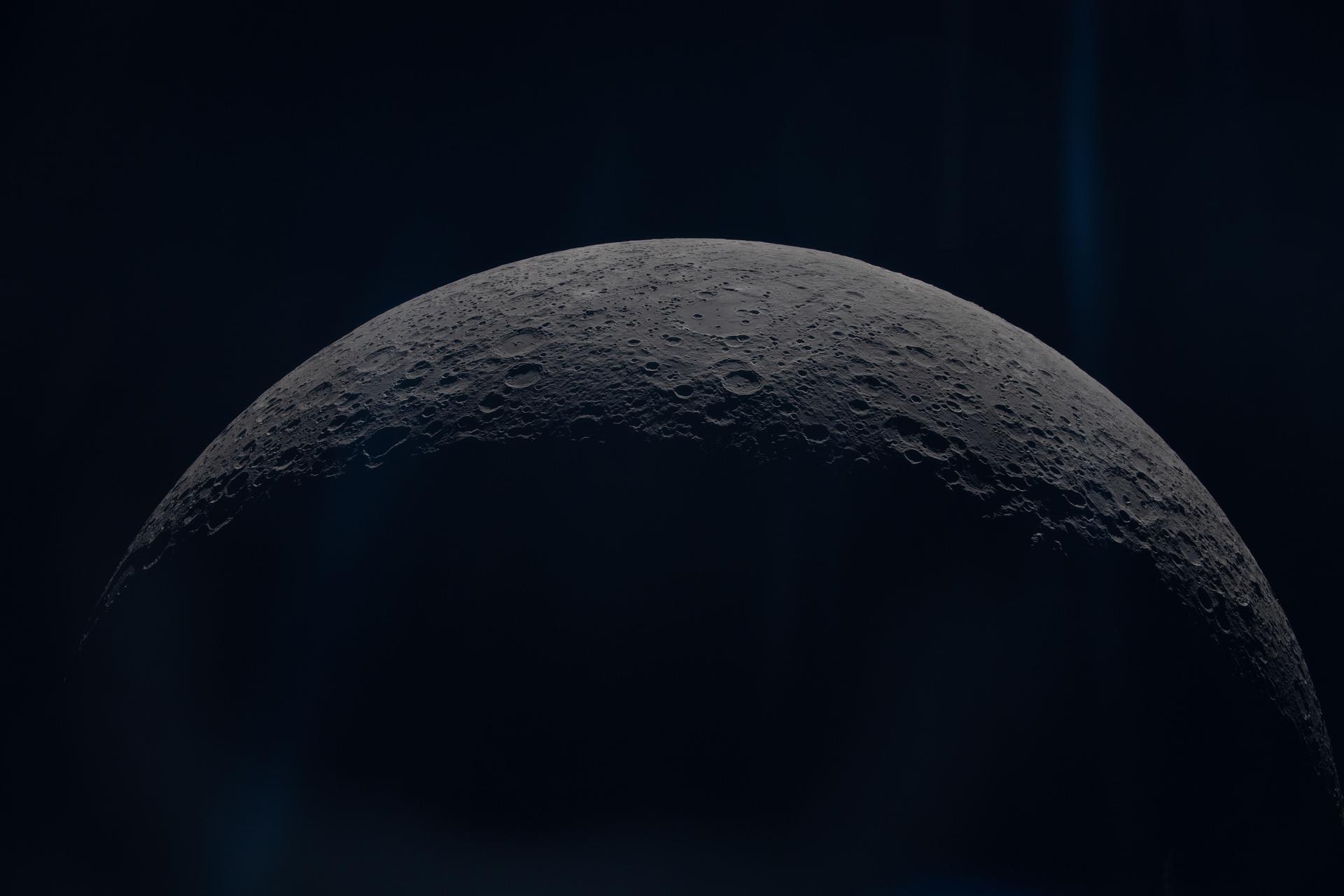
NASA Invites Media to Moon Landing Simulation Experience in California (opens the original)
Members of the media are invited to tour a new lunar landing simulator at NASA’s Ames Research Center in California's Silicon Valley on Thursday, Oct. 29, and Friday, Oct. 30.
-
Laurel Field (opens the original)
Biological science doctoral student Laurel Field is studying the effects of climate change on coral reefs through research supported by
-
Phoebe Stapleton’s Publication on Microplastics Cited in Washington Post: Scientists were unsure of how microplastics harmed the body — until now (opens the original)
Facebook Youtube Instagram Linkedin eohsi news and announcements Phoebe Stapleton’s Publication on Microplastics Cited in Washington Post Phoebe Stapleton Ph.D. For decades, scientists believed that plastics were some of the safest materials around. Their long chemical chains, companies and researchers believed…
-
Now 90 Years Young, Caltech JPL Looks Ahead to Another Nine Decades of Innovation and Exploration (opens the original)
When a group of Caltech graduate students, researchers, and rocket enthusiasts began conducting experimental rocket-propulsion tests in Pasadena's Arroyo Seco on October 31, 1936, they had no idea of that their work marked the inception of the Jet Propulsion Laboratory. Now, 90 years later, the Lab, which has been…
-
Following NASA Grant, TCU Researcher Explains Planetary Defense (opens the original)
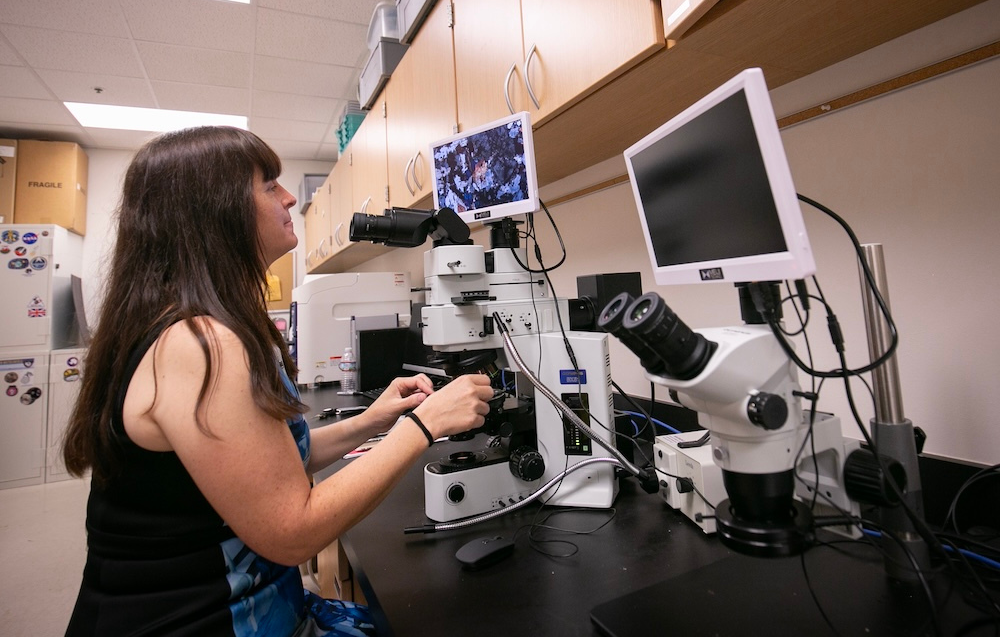
Rhiannon Mayne, Oscar and Juanita Monnig Endowed Chair of Meteoritics and Planetary Science at Texas Christian University, was recently awarded a $3.6 million grant from NASA that will use West Texas' dark skies and unique geology to help the public learn about asteroids, meteorites and planetary defense.
-
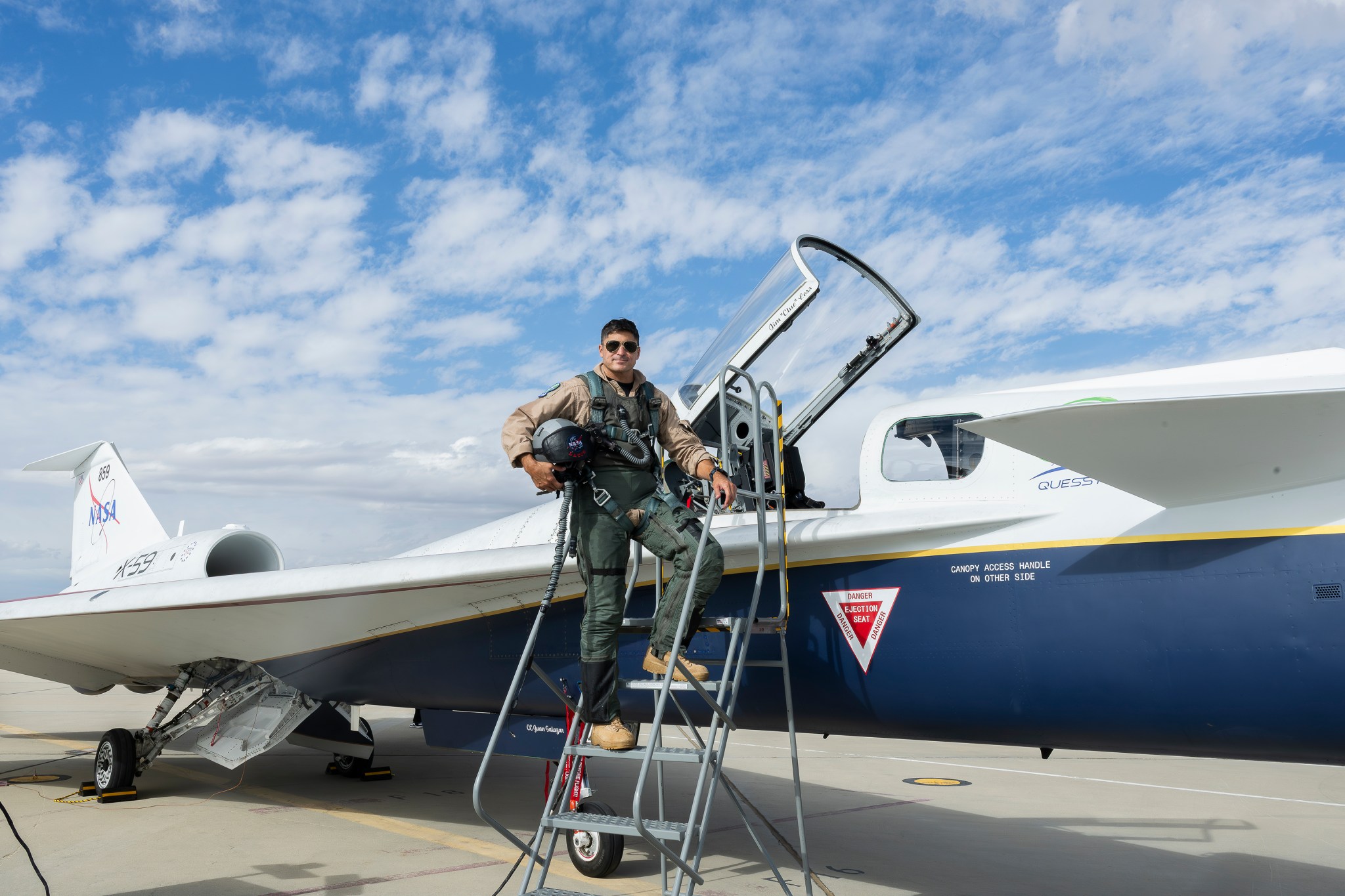
NASA’s X-59 Aircraft and Test Pilot (opens the original)
NASA test pilot Mike Lippert poses for a photo ahead of his first time flying the agency’s X-59 quiet supersonic research aircraft on Oct. 21, 2026. The X-59 has flown numerous times since its inaugural flight in November 2025; its first supersonic flight was on June 5, 2026. Lippert took off from NASA’s Armstrong…
-
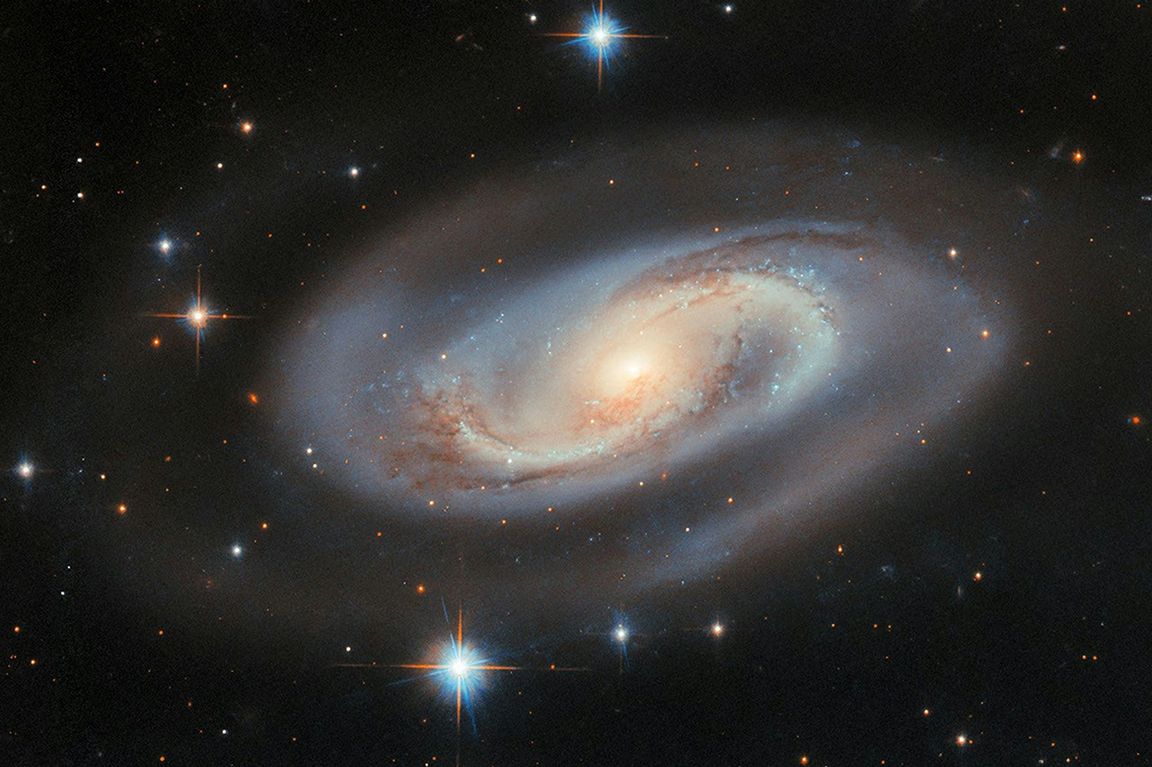
Stellar collisions may have been common when the universe was young (opens the original)
A UCLA-led study shows that stars merging through collisions may explain how supermassive black holes formed so early in time.
-
Texas A&M to create AI-powered foundry for faster alloy discovery (opens the original)
A $2 million WoodNext Foundation grant will establish academia’s first automated lab using artificial intelligence and robotics to develop and test new metallic materials.
-
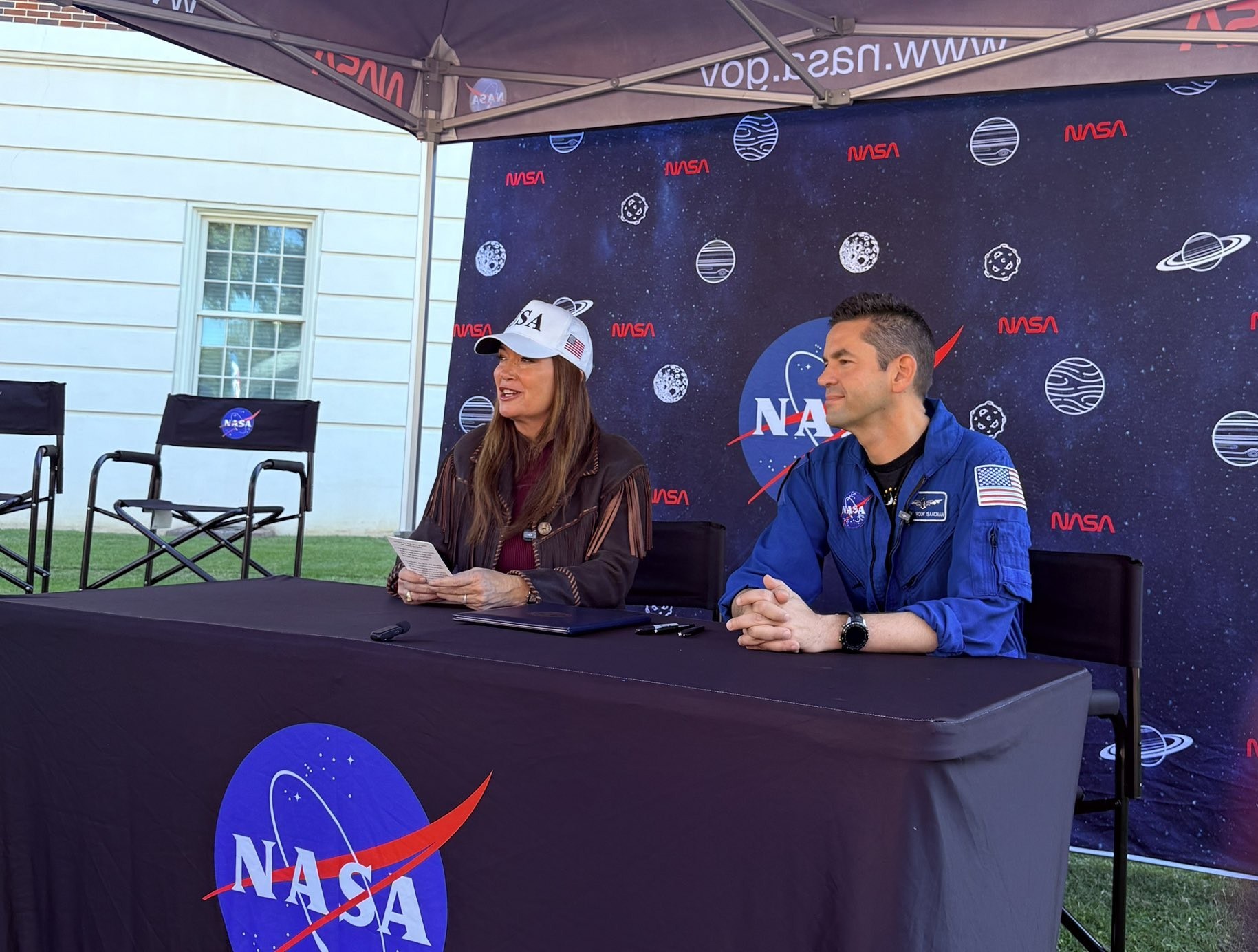
NASA, USDA Sign Agreement Advancing Earth Science, Agriculture (opens the original)
NASA and the U.S. Department of Agriculture (USDA) have signed a Memorandum of Understanding expanding cooperation in Earth observation, geospatial analytics, and advanced data technologies, supporting USDA’s data modernization plan for United States agriculture. “NASA develops some of the most advanced sensing, computing, and analytical capabilities in the world, and we should put those tools
-
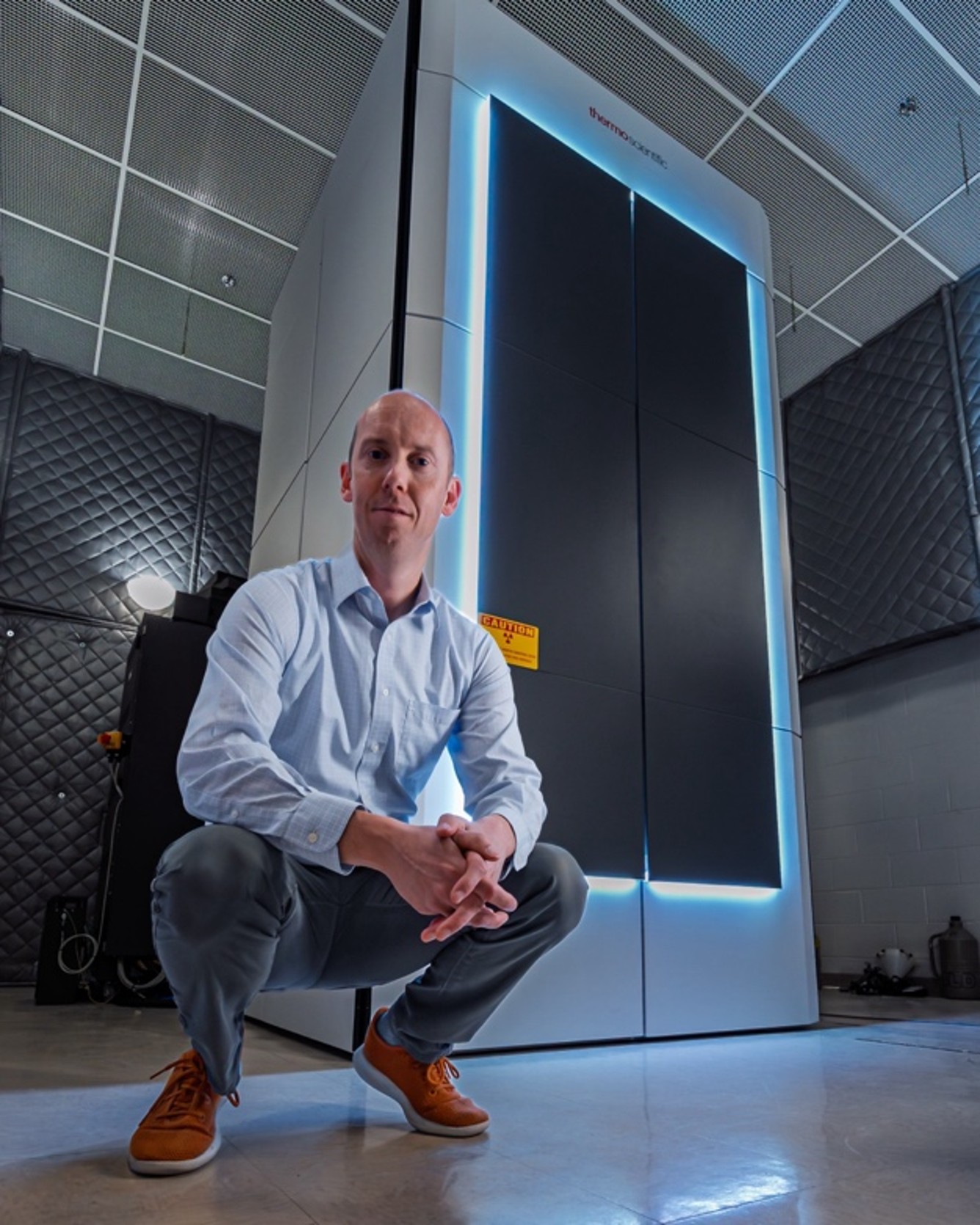
Advanced microscope boosts ORNL’s atomic-scale materials research (opens the original)
Why does one material withstand years of stress while another fails? The answers are hidden within the microstructure, often at the atomic scale. A new microscope at the Department of Energy’s (DOE) Oak Ridge National Laboratory (ORNL) is helping researchers uncover those answers faster than ever, providing detailed…
-
Can planting trees on riverbanks save salmon rivers from global warming?
As rivers warm, reforesting their banks could help Atlantic salmon. A new method makes it possible to identify priority areas.





Read: The Conversation, CORDIS, ESO, NASA, ScienceDaily and the newsroom feeds of 753 institutions. Last read: today. Each story's date is its publisher's. Where the news comes from, and what each source allows.