Science news
Recent stories from university newsrooms, The Conversation, CORDIS, observatories and ScienceDaily, each sorted into the fields, countries and institutions it is about, and each linked to the original publisher. Narrow them below by subject, country, institution, source, words or period. A signed-in reader can follow any filtered view and be told when a new story matches it.
661 stories match these filters.
-
Calling species ‘invasive’ – and culling them – isn’t done lightly. But it matters to Australia’s threatened species
Invasive species only want to live. But their success can come at great cost to native species. If we treat them the same, native animals lose.
-
Why Every Bump in the Night Feels Different: The Neuroscience of Sensory Perception (opens the original)
Research from Carnegie Mellon University’s Kate Hong, published in Nature Communications, suggests that the brain does more than receive sensory information: it interprets it, shaping how we experience the world around us.
-
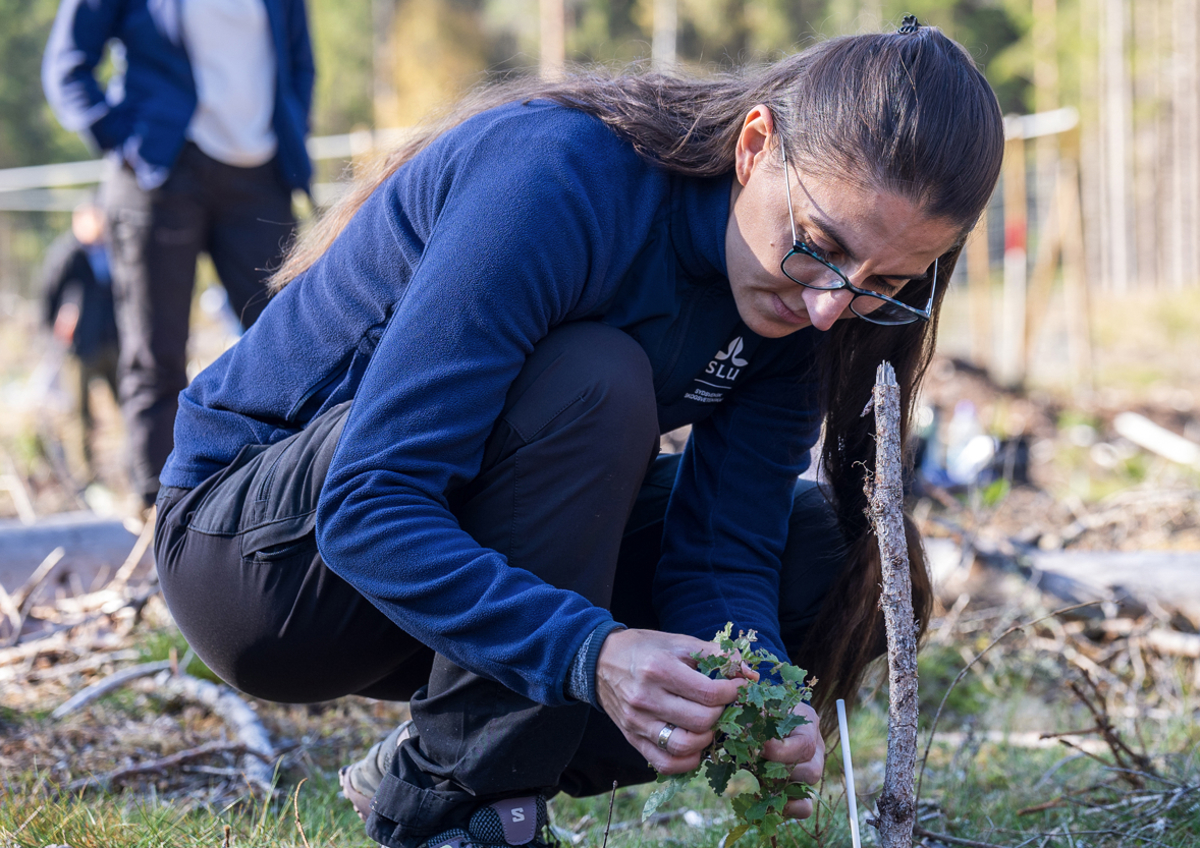
New thesis on how to protect birch from pests and disease (opens the original)
As interest in silver birch grows in Swedish forestry, so does the need to understand the pests and disease that could threaten it. In a new doctoral thesis from SLU and Trees For Me Dr. Sezer Olívia Kaya brings together new knowledge on current and potential biotic threats.
-
How the body clock could help personalise depression treatment
A new study suggests that sleep patterns may be linked to how people respond to antidepressants, raising the possibility of more personalised treatment.
-
Tired, irritable and craving carbs? Why darker days affect our bodies and brains
As the clocks go back and daylight dwindles, our sleep, mood and appetite can change. Here’s what science reveals about the winter slump.
-
Drought forces livestock farmers to make tough decisions: our model shows the impact on inequality
Drought is likely to reduce the total number of livestock southern Africa can support, and increase inequality among pastoralists.
-
Connected by nanotech: KU researcher leads $4 million, multistate NSF grant to decode diseases (opens the original)
Foundation Distinguished Professor Steve Soper is leading a team of researchers who are developing nanotechnology that can identify diseases and health anomalies by analyzing the structure of proteins involved in the disease down to the individual amino acid level. This approach could change how doctors detect…
-
UEW Farm Trains Staff on Livestock and Poultry Disease Prevention (opens the original)
The University of Education, Winneba (UEW) Farm trained its staff and farm workers in livestock and poultry disease prevention, emphasising biosecurity,
-
UHart Biology Professor Receives Award for Genetic Research (opens the original)
UHart Biology Professor Cindy Thomas-Charles has received a national award for her genetic research exploring how gene-editing technology could help scientists better understand and potentially correct rare genetic mutations.
-
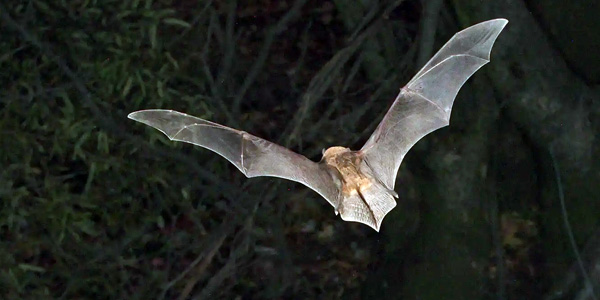
Here's how Africa’s bats could survive climate change As the climate changes, bats will need both suitable foraging landscapes and caves for roosting (opens the original)
As the climate changes, bats will need both suitable foraging landscapes and caves for roosting.
-
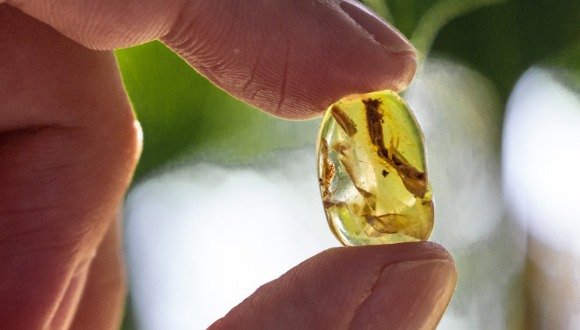
A 99-Million-Year-Old Lizard Tail Reveals an Ancient Survival Trick (opens the original)
A tiny tail preserved in amber provides the clearest direct fossil evidence yet of a defense mechanism still used by lizards today. תוכן: Imagine a lizard escaping danger by leaving its tail behind, still wriggling as the animal darts away. It's a familiar survival trick among lizards today, but how far back does…
-
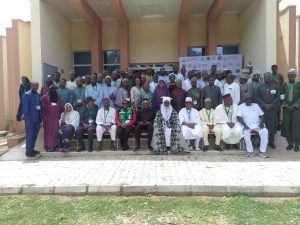
Society for Underutilized Legumes holds conference in ABU (opens the original)
The National Agricultural Extension Research and Liaison Services, Ahmadu Bello University and the Genetic Resources Center, International Institute of Tropical Agriculture (IITA), have organised a two day International Conference and Annual General Meeting of…
-
Where did bats come from? New research points to Europe
The fact bats can fly has made it hard to pin down the place where their evolutionary story began.
-
Salmon and trout study aids insights on extreme DNA duplication event (opens the original)
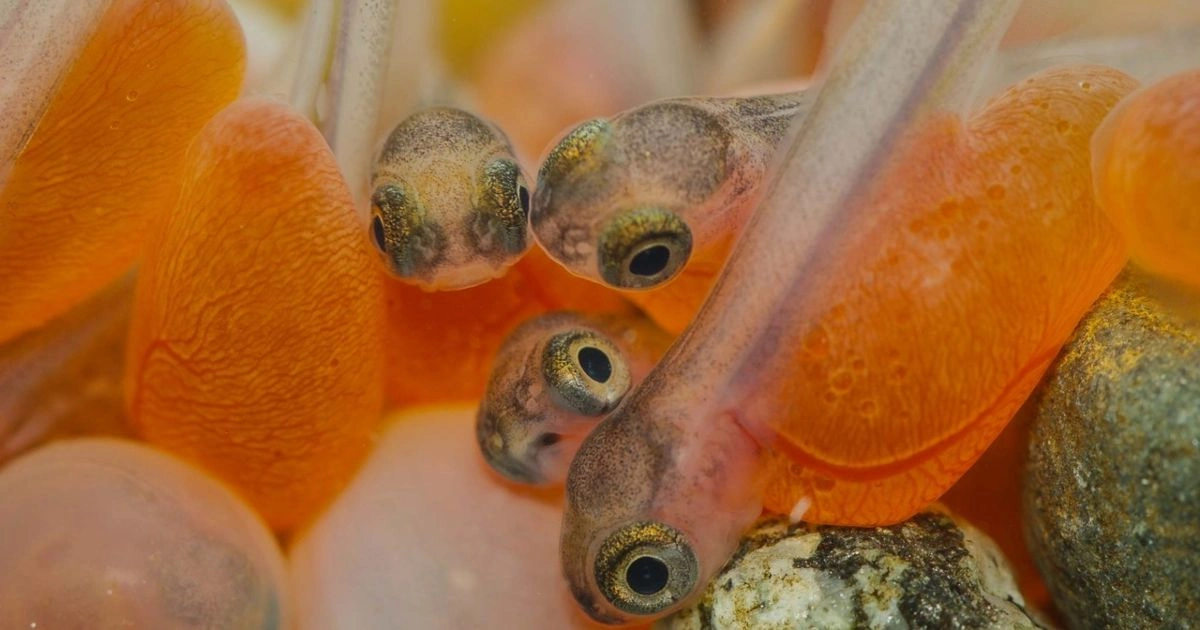
A study of salmon and trout has revealed how gene functional activity changed following a complete duplication of their ancestors’ genetic material around 100 million years ago. The findings uncover the long-term impacts of whole genome duplication, a key event in evolution where the complete DNA code doubles…
-
Insect biomass can be higher here than in the tropics during summer (opens the original)
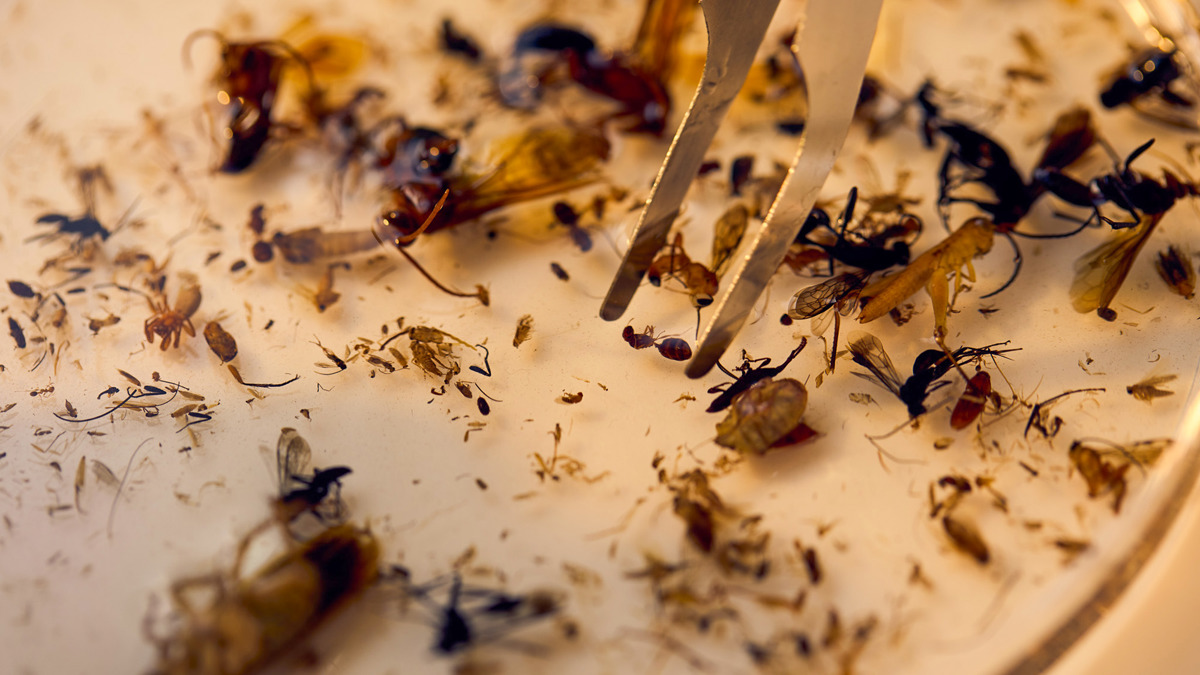
There are more insect species in the tropics than at our latitudes. But during summer, the total weight of insects can be greater here. This is one of the findings in a doctoral thesis by Johanna Orsholm, who has studied insects worldwide and developed new methods to analyse them.
-
Innovative food processing technique boosts Nebraska companies, educational outreach (opens the original)
Leadership and strategic visioning by Mary-Grace Danao, research associate professor in the Department of Food Science and Technology and the Department of Biological Systems Engineering, has helped position the University of Nebraska–Lincoln at the forefront of high pressure processing-focused food safety research…
-
Food insecurity is on the rise in Australia. We need more effective responses
More people are cutting back on certain foods, skipping meals or going without eating altogether, new analysis shows.
-
Central role of c-Src in NOX5- mediated redox signalling in vascular smooth muscle cells in human hypertension (opens the original)
zoocha-admin Sun, 25/10/2026 - 03:05 https://researchportal.port.ac.uk/en/publications/central-role-of-c-src-in-nox5-mediated-redox-signalling-in-vascul Camargo, L. L. Montezano, A. C. Hussain, M. Wang, Y…
-
Downtown Rochester Farmers' Market (opens the original)
Visit the Henry Ford Health table at the Downtown Rochester Farmers' Market to meet with Henry Ford Health staff and get information on a variety



Read: The Conversation, CORDIS, ESO, NASA, ScienceDaily and the newsroom feeds of 753 institutions. Last read: today. Each story's date is its publisher's. Where the news comes from, and what each source allows.