Science news
Recent stories from university newsrooms, The Conversation, CORDIS, observatories and ScienceDaily, each sorted into the fields, countries and institutions it is about, and each linked to the original publisher. Narrow them below by subject, country, institution, source, words or period. A signed-in reader can follow any filtered view and be told when a new story matches it.
2,353 stories match these filters.
-
Vanderbilt chemists develop AI tool to convert human ingenuity into life-enhancing enzymes (opens the original)
Many have voiced concerns that artificial intelligence will take jobs away from humans. But Assistant Professor of Chemistry Zhongyue (John) Yang, along with his former doctoral student Qianzhen Shao (now a postdoc at Stanford) and other team members, have created an AI tool that aims to elevate the work that…
-
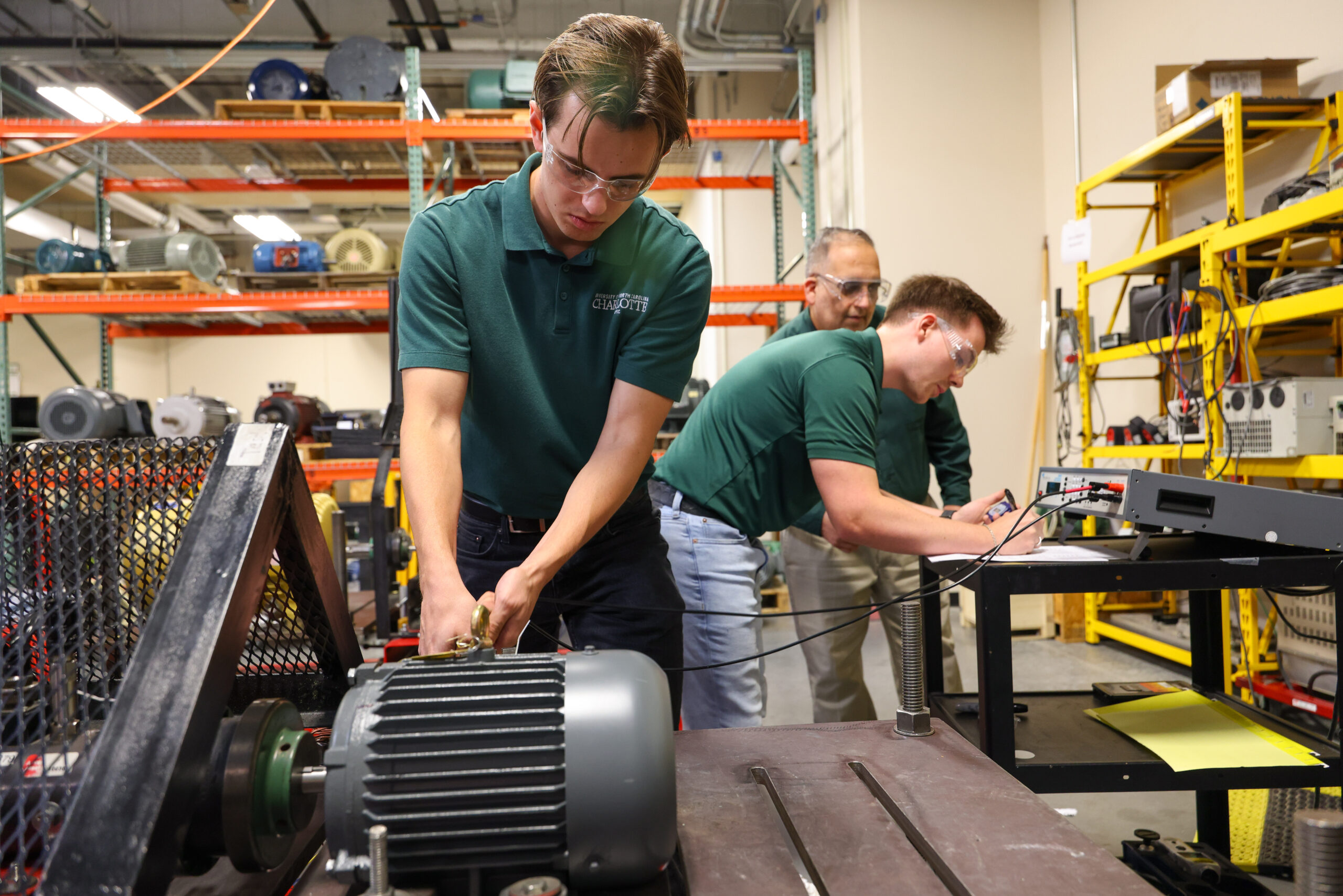
UNC Charlotte’s EPIC emerges as the nation’s only commercial lab accredited to test electric motor energy efficiency (opens the original)
UNC Charlotte’s Energy Production and Infrastructure Center is the nation’s new home for independent, electric motor efficiency testing. As such, EPIC’s Motor Testing Laboratory is the only commercial lab in the United States accredited to test electric motors during research and development, through prototype…
-
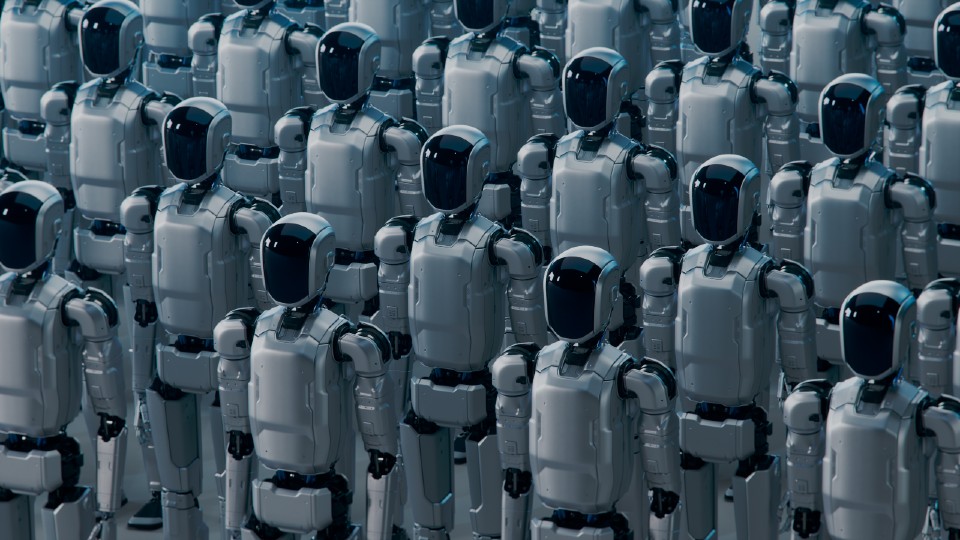
AI poses three big types of risk – here’s how worried we should be about them
A key threat is the loss of control by AI developers over their creations.
-
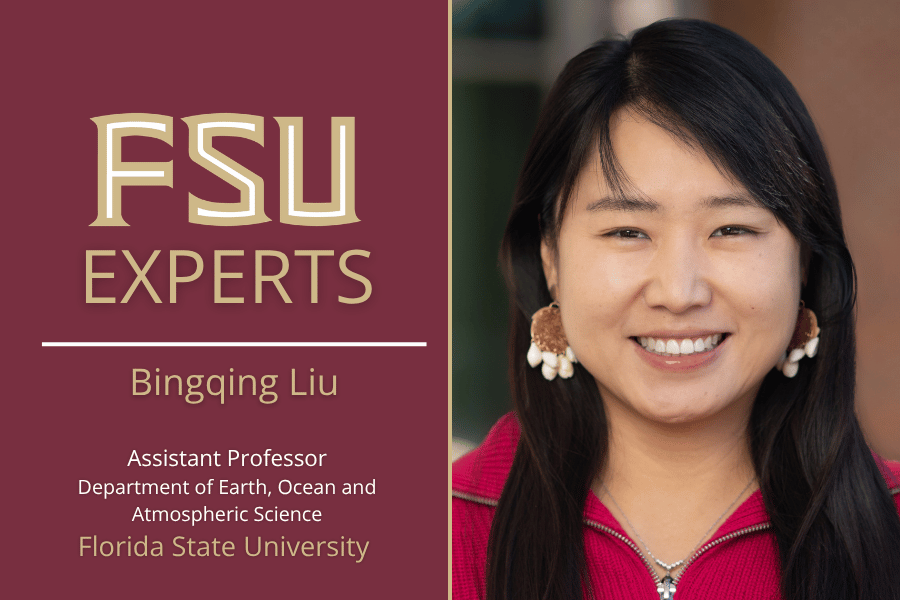
How a Florida State University researcher uses AI to track hidden health risks from red tide (opens the original)
Red tide, a harmful algal bloom that produces toxins, is known for causing respiratory irritation in humans and killing fish
-
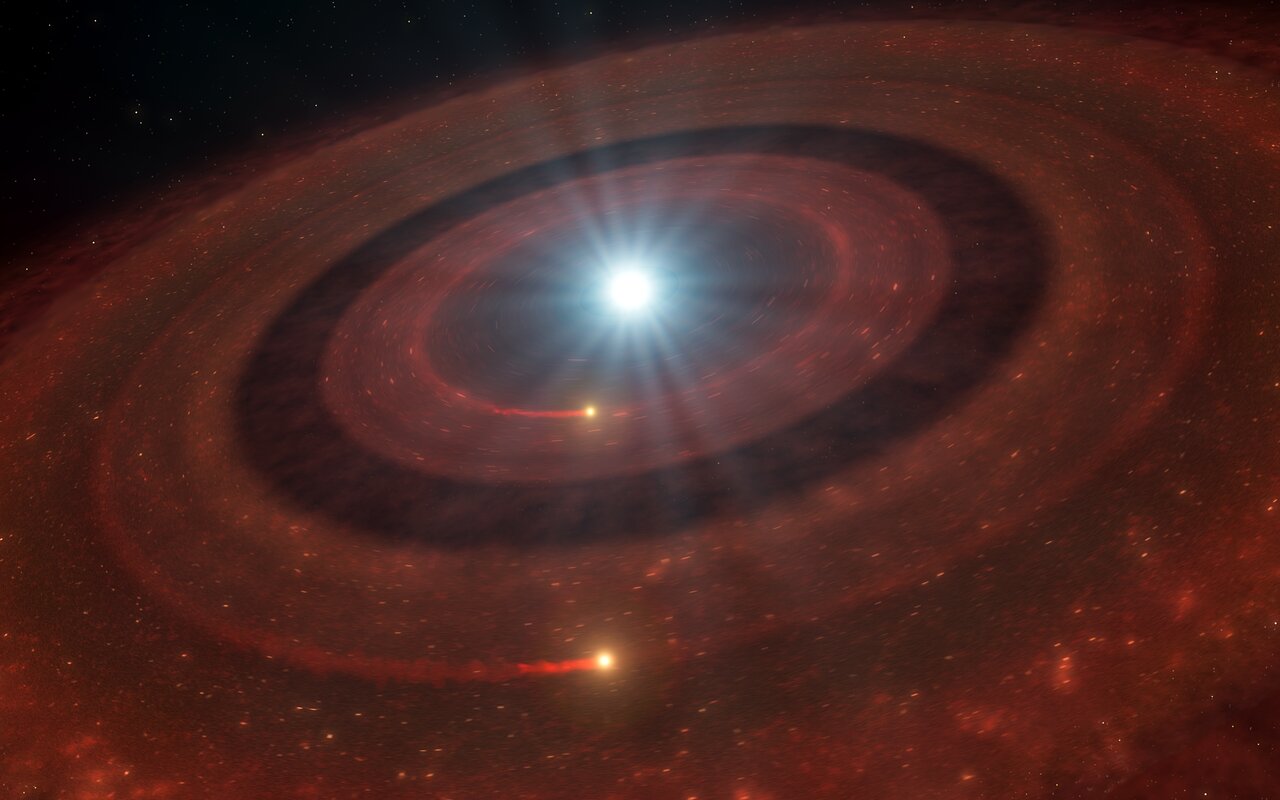
Dead star and planetary bodies: astronomers spot unique disc of debris that foretells Solar System’s future (opens the original)
Astronomers using the European Southern Observatory’s Very Large Telescope (ESO’s VLT) have found a rare disc of debris around a dead star that provides a glimpse of what may happen to our Solar System. Unlike in similar systems previously found, the debris — the leftovers of planets that once orbited the star — is organised in a double disc, the two parts separated by a clear gap. The disc appears to be shaped by two planetary bodies, one possibly as big as Pluto, that have survived the…
-
Open Science Hub: Unlocking the Potential of Doctoral Research: Library Services and Open Access (opens the original)
Arkadiusz Sałata Tue, 10/27/2026 - 13:57 Open Science Hub: Unlocking the Potential of Doctoral Research: Library Services and Open Access Place for a image Category: field_event_category Type: field_event_type Summary…
-
We studied 1,584 data centers – and found the buildings full of machines are tied to modest local job growth
This employment boost took three to five years to show up, two researchers found after studying more than two decades of data.
-
How should AI be regulated? Follow the harm
Instead of trying to restrict AI technologies, regulations could focus on the harm the technology causes people and companies.
-
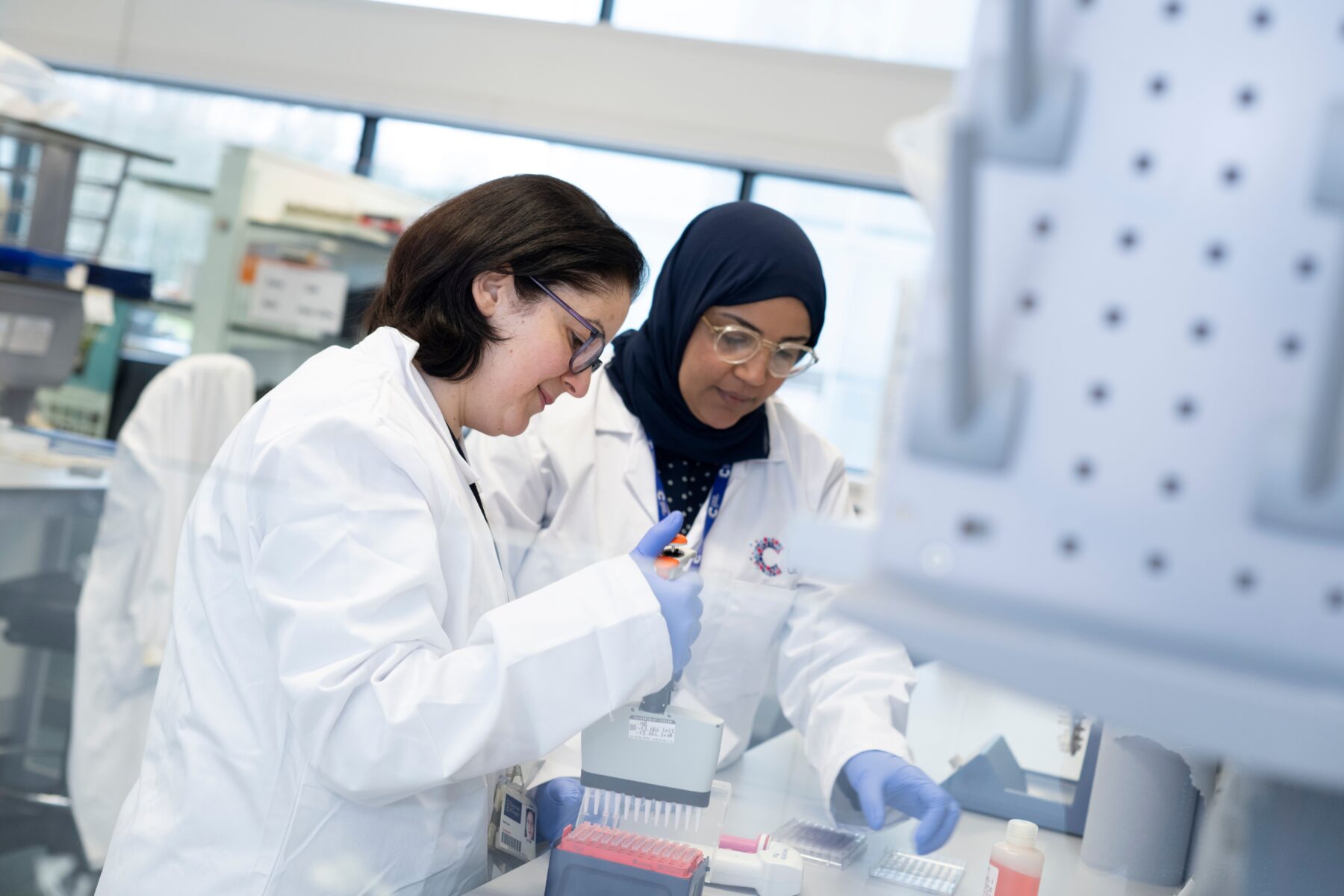
The ALBORADA Trust donates £9m to help develop the next generation of cancer research leaders (opens the original)
The ALBORADA Trust has committed £9m to fund a new cohort of Career Development Fellows and help develop the next generation of cancer research leaders.
-
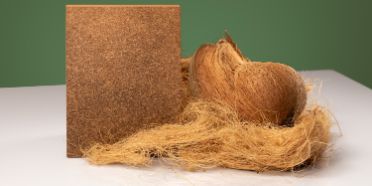
Innovation born from coconut fibres (opens the original)
27.10.2026 How does a research project turn into a company? With NaturLoop, BFH master’s graduate Daniel Dinizo is developing sustainable panels made from coconut fibres. In our interview, he talks about innovation,
-
Premio Metallo and a special mention for two young SUPSI civil engineer (opens the original)
Once again this year, AM Suisse Ticino has presented its award recognising graduates of SUPSI’s Bachelor of Science in Civil Engineering programme. Luca Premoli received the Premio Metallo, while Lorenzo Agostinone was awarded a special mention for their thesis projects in the field of steel structures.
-
Video: Is the Wendy Williamson Auditorium really haunted? (opens the original)
Since it was built in 1972, UAA’s Wendy Williamson Auditorium has been the epicenter of numerous hauntings. Are the stories of paranormal activity credible, and what is leadership hiding? This investigation attempts to uncover the horrifying truth.
-
Simple squeeze changes magnetic behavior in emerging materials (opens the original)
Researchers at the Department of Energy’s (DOE) Oak Ridge National Laboratory (ORNL) used neutrons to reveal how a small mechanical squeeze can dramatically change the magnetic behavior of an emerging class of magnetic materials known as altermagnets. The findings, published in back‑to‑back papers in Physical Review…
-
The fixes for concrete already exist. Why aren’t we using them? Researcher Sabbie Miller visited campus to share how practices proven in other countries could cut our country’s concrete carbon emissions by three-quarters (opens the original)
Researcher Sabbie Miller visited campus to share how practices proven in other countries could cut our country’s concrete carbon emissions by three-quarters
-
NSTU-NETI developed a machine for winding electric motor stators (opens the original)
Engineers at the Novosibirsk State Technical University (NETI) have created a prototype machine for winding stators of electric motors with fractional slot windings. Specialized equipment for industry was developed within the framework of the "Priority-2030" program.







Read: The Conversation, CORDIS, ESO, NASA, ScienceDaily and the newsroom feeds of 753 institutions. Last read: today. Each story's date is its publisher's. Where the news comes from, and what each source allows.