Science news
Recent stories from university newsrooms, The Conversation, CORDIS, observatories and ScienceDaily, each sorted into the fields, countries and institutions it is about, and each linked to the original publisher. Narrow them below by subject, country, institution, source, words or period. A signed-in reader can follow any filtered view and be told when a new story matches it.
2,353 stories match these filters.
-
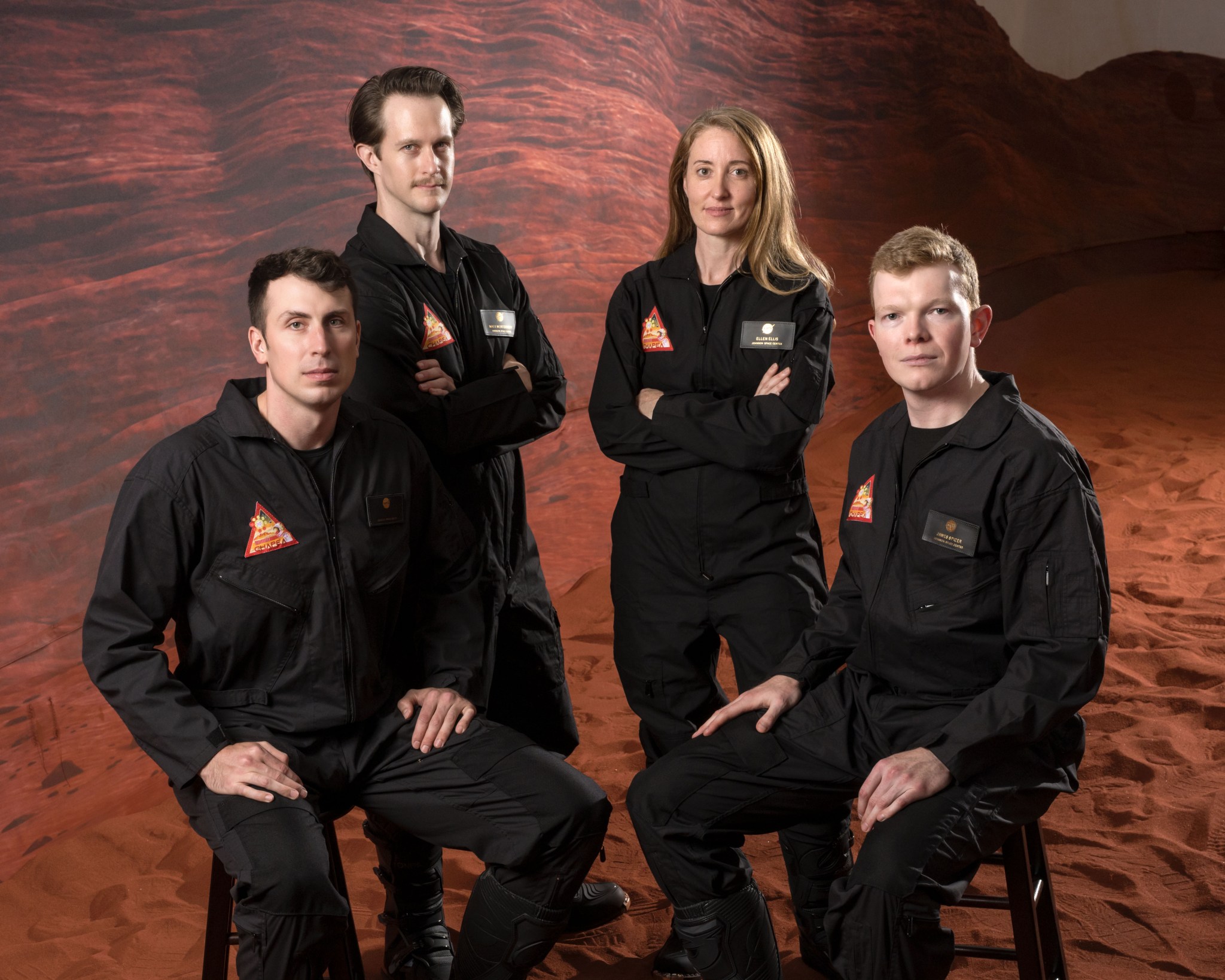
NASA Invites Media to Crew Completion of Yearlong Mars Simulation (opens the original)
The four volunteers who lived and worked in a simulated NASA Mars mission for more than a year will exit their habitat on Saturday, Oct. 31, after 378 days of isolation in a facility at the agency’s Johnson Space Center in Houston. Health and performance data collected from the simulation can help NASA develop methods
-
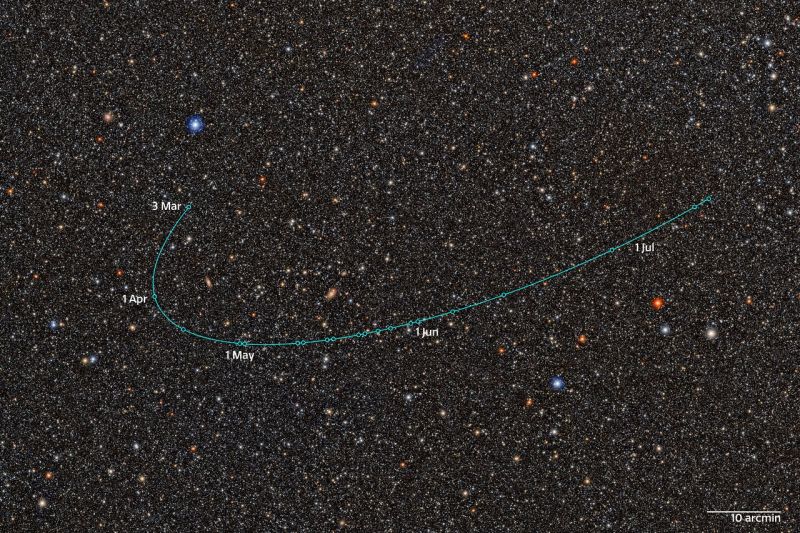
Rubin Observatory reveals its first dwarf planet candidate in our solar system (opens the original)
Using preliminary data from the Simonyi Survey Telescope at the NSF–DOE Vera C. Rubin Observatory, scientists have discovered a new dwarf planet candidate in our solar system. If confirmed, the distant world would join Pluto, Ceres, Eris, Haumea and Makemake as our system’s sixth official dwarf planet.
-
What makes a winning environmental campaign? We studied six decades of activism to find out
The most successful campaigns combine conviction with clear, specific goals.
-
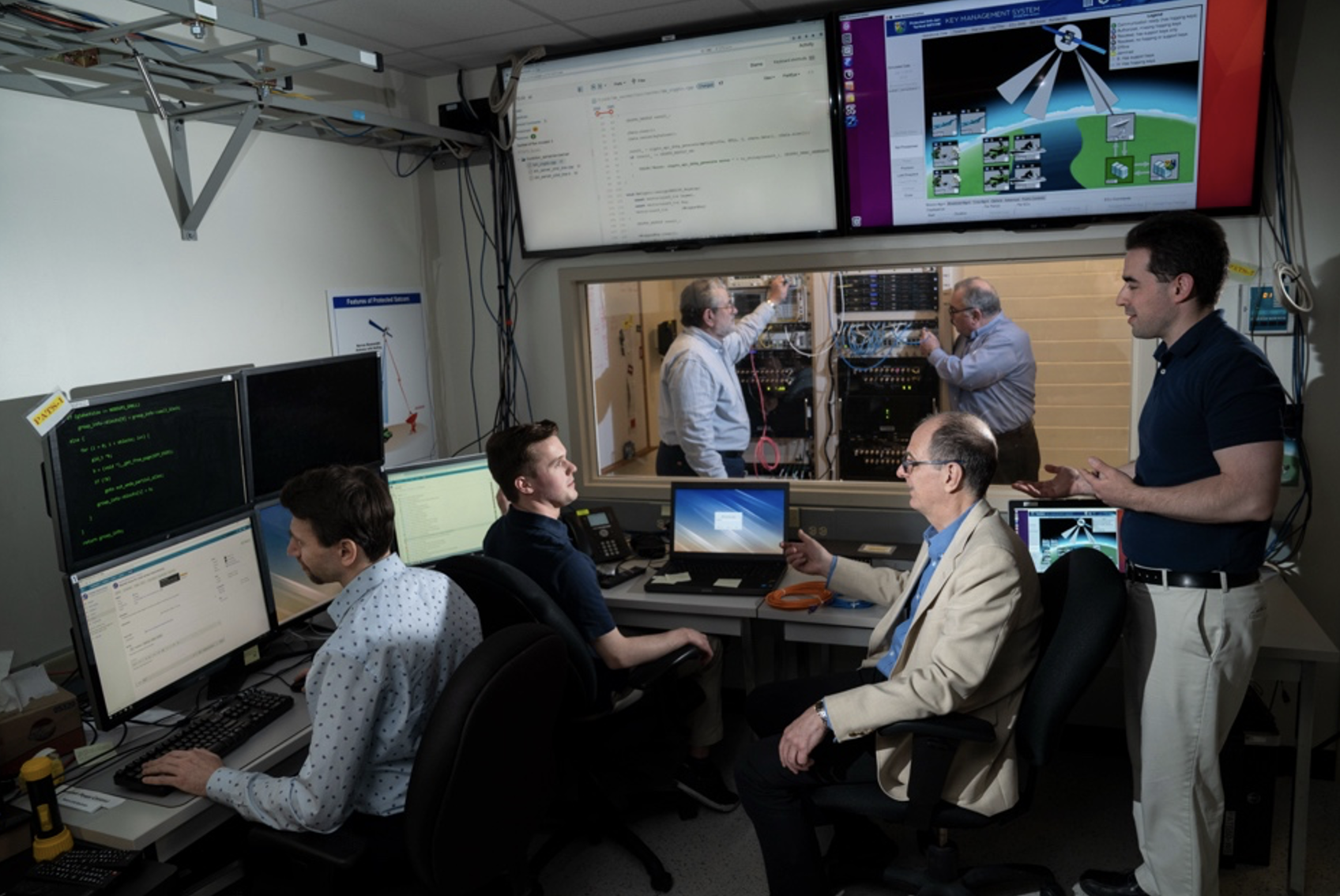
Secure keys strengthen protected military satellite communications (opens the original)
Lincoln Laboratory’s new key-management architecture solves the dilemma of how to refresh cryptographic keys securely, quickly, and widely for U.S. forces.
-
Nonclassical Light Instead of Entangled Light: SUSU Scientists “Get Closer” to the Quantum Cramér–Rao Bound (opens the original)
Researchers from South Ural State University have proposed a new algorithm for ultra-precise phase estimation of an unknown phase. This may be considered as a truly significant step forward in the development of the optical quantum metrology. As part of the implementation of the “Step into the Future” Viktor…
-
New dwarf planet candidate discovered by NSF–DOE Rubin Observatory (opens the original)
NSF–DOE Vera C. Rubin Observatory has found a large object that scientists have identified as a possible dwarf planet. A preliminary data analysis shows that the object is orbiting in the outer reaches of the solar system beyond Pluto and may be one
-
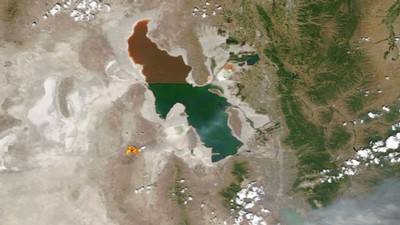
USU Social Scientists Among Authors of Great Salt Lake Report Highlighting Growing Risks (opens the original)
LOGAN, Utah — Utah’s Great Salt Lake, the largest saltwater lake in the Western Hemisphere, faces an uncertain future as its water levels reach record lows. Researchers from the multi-university Great Salt Lake Social Sciences Network based at Utah State University have released the “2026 Report on the State of Great…
-
NASA’s Neo Surveyor Sunshade (opens the original)
A technician inspects the large sunshade of NASA’s Near-Earth Object (NEO) Surveyor mission in this image released on Oct. 26, 2026. The sunshade structure, which stands 20 feet (6 meters) tall and measures 8 feet (2.4 meters) wide at its base, will keep the infrared space telescope cool as it searches for near-Earth asteroids and
-
AI’s Power Demands Steadiness, Not Panic (opens the original)
Generative models and agentic AI are powerful tools that can cause harm through misuse, errors, and inadequate safeguards. Addressing those risks, however, does not require assuming that AI will decide to go off the rails on its own, become conscious, or, like the smarter member of "Pinky & the Brain," develop a…
-
How AI can deepen our understanding of what it means to be human (opens the original)
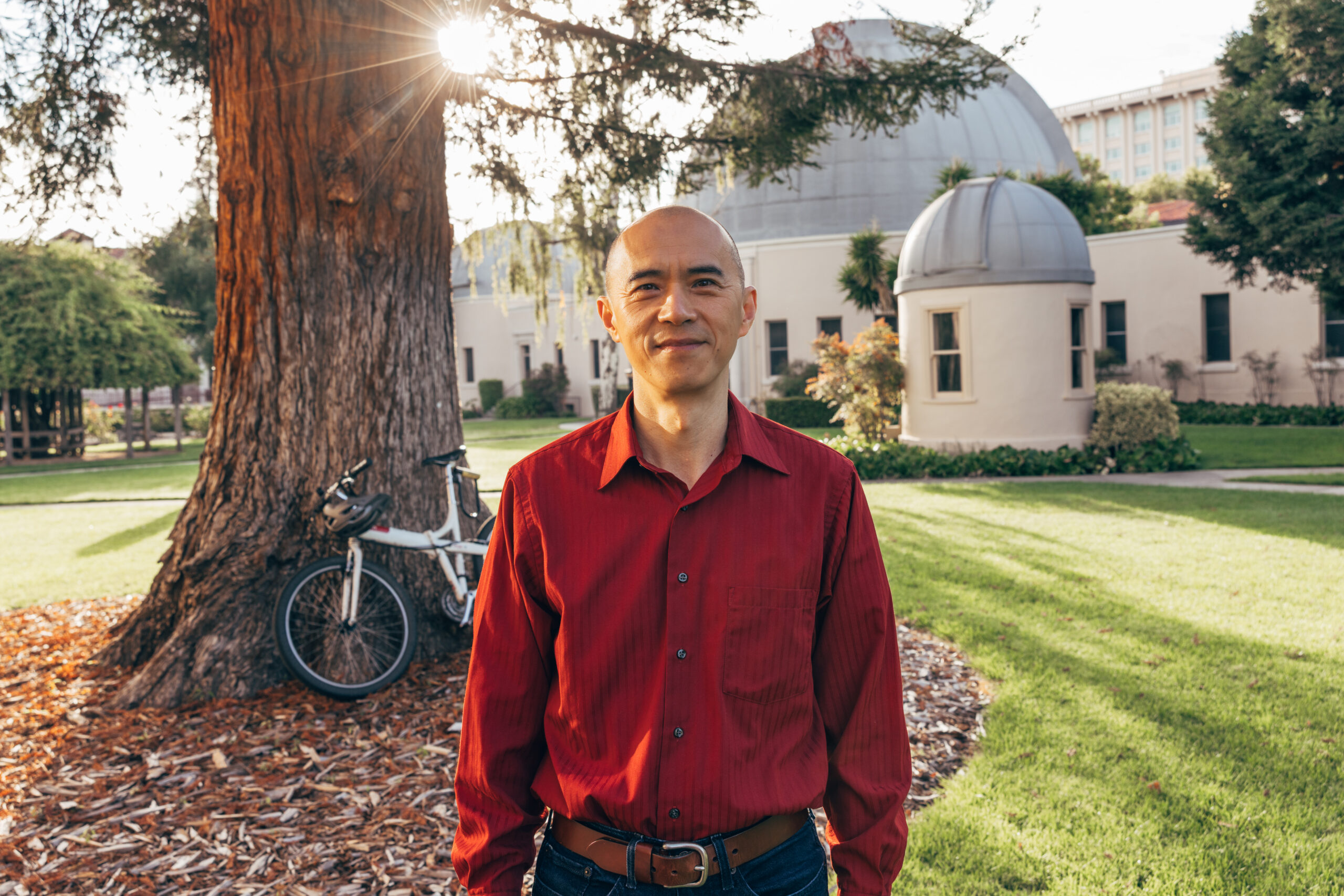
Xiaosheng Huang is a professor in the Department of Physics and Engineering Physics at Santa Clara University. He uses artificial intelligence to investigate dark matter, dark energy, and the expansion of the universe. Through his research, Huang seeks to connect our understanding of the universe with the spiritual…
-
How Canada has made Athabasca a sacrifice zone for resource extraction
The proposed Pacific Link pipeline follows a long history of resource extraction that has had devastating impacts on Indigenous communities and the environment.
Picture: (George Black)
-
Indonesia’s El Niño-driven peat fires are choking the region – and releasing centuries of stored carbon
An intense drought is the match. Decades of deforestation and peat draining provide the fuel.
-
Institute for Energy Efficiency invests in energy-efficient AI, data centers and quantum technologies (opens the original)
Five projects have received seed funding from the UCSB-based institute, supporting early-stage research in these important areas
-
The greenest initiatives are often the most invisible – experts explain why that’s a problem
Visible eco-friendly additions can signal that a company is making an effort and is committed to sustainability. A reduction leaves fewer obvious eco-friendly cues.
-
Could humanoid robots replace soldiers on the battlefield?
Militaries around the world are testing the newest generation of machines.
-
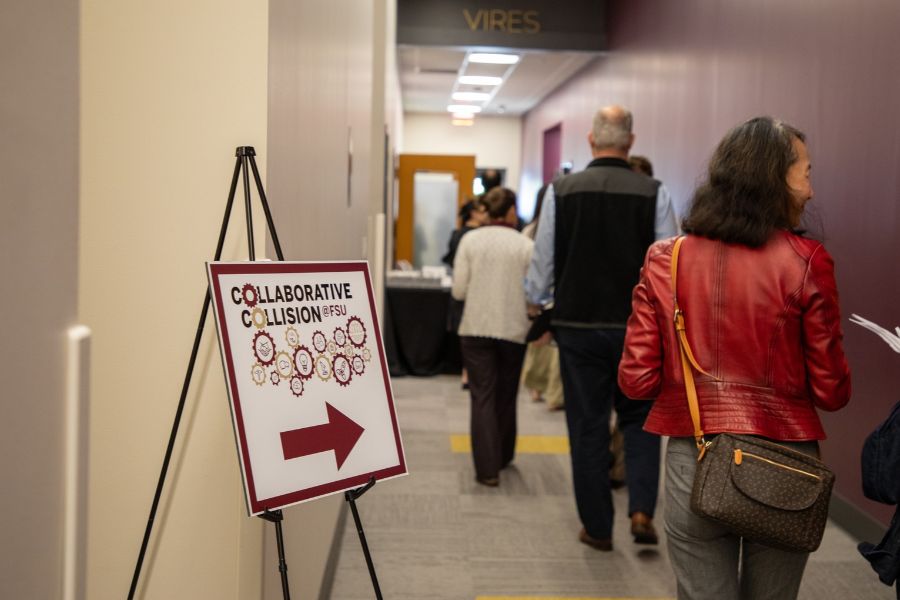
Collaborative Collision: FSU researchers explore the future of artificial intelligence (opens the original)
As artificial intelligence creates new possibilities for scientific discovery, Florida State University is uniting researchers from a wide range of
-
Robert J. Marks II Talks AI Killer Robots on Real Science Radio (opens the original)
Robert J. Marks II appeared on Real Science Radio to discuss artificial intelligence, its role in warfare, and the difference between mind and machine. Source
-
Near-endangered fish may rebound after restoration project (opens the original)
ECU researchers received a five-year, $390,000-plus grant to evaluate whether Roanoke River habitat restoration is helping the river herring population. Researchers will use environmental DNA from water samples at three restored sites and two control sites to track herring access during spawning seasons. Successful…
-
USGS Study Outlines Scope and Severity of Bat Fatalities at US Wind Energy Facilities (opens the original)
A new USGS study reveals that an estimated 18.7 million bats have been killed at U.S. onshore wind energy facilities since 1981, far more than previously understood. By analyzing data from hundreds of wind projects, researchers identified the species most vulnerable to turbine collisions and uncovered patterns that…
-
$3.4 million NIH grant supports AI-driven approach to studying human emotion (opens the original)
Ruogu Fang, a renowned AI researcher and the Flowers Family Dean’s Faculty Fellow in Engineering at Vanderbilt University, has received a $3.4 million R01 grant from the National Institutes of Health (NIH) to develop a new way to study human emotion using artificial intelligence, with the goal of eventually creating…









Read: The Conversation, CORDIS, ESO, NASA, ScienceDaily and the newsroom feeds of 753 institutions. Last read: today. Each story's date is its publisher's. Where the news comes from, and what each source allows.